
As a backyard chicken keeper, you’re likely no stranger to the concept of molting – that periodic shedding of feathers your hens go through. But did you know that supporting your girls during this natural process can have a significant impact on their overall health and productivity? For many flock owners, molting can be a stressful time, especially when it comes to ensuring they’re getting the necessary nutrients to facilitate healthy feather regrowth. In this article, we’ll delve into the world of chicken molts, exploring how to identify the signs, providing tips for reducing stress and promoting overall well-being, and discussing integrated pest management strategies that can help mitigate common molting-related issues.
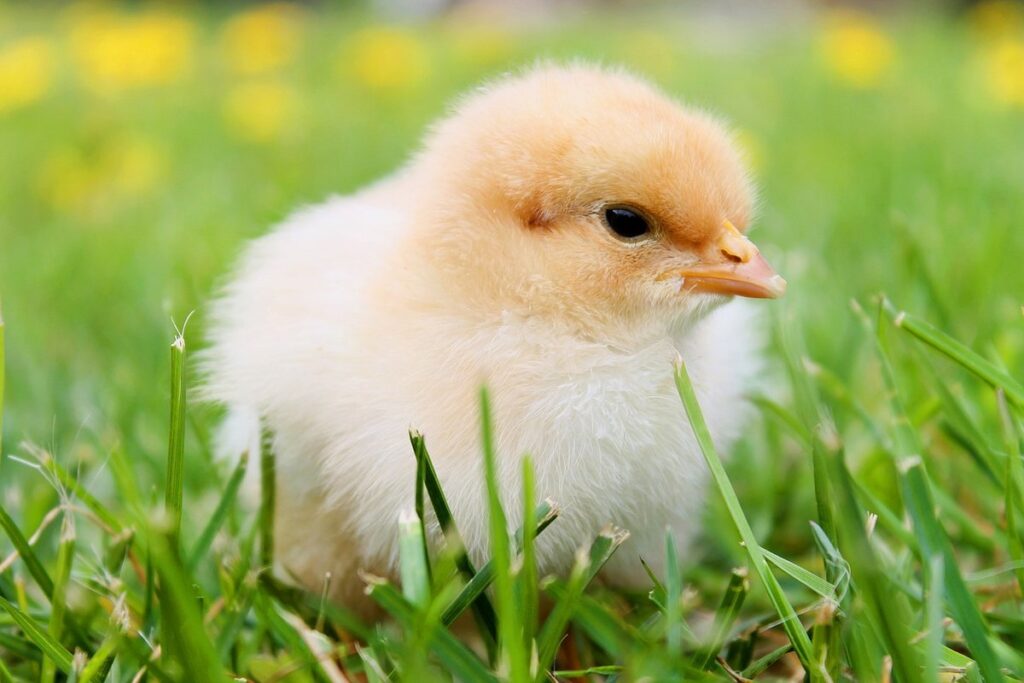
What is a Chicken Molt?
So, you’re curious about chicken molting and want to know where it starts. Let’s dive into what exactly a chicken molt is and why it happens in the first place.
Chickens’ Natural Cycle of Shedding Feathers
As chickens mature, they go through a natural cycle of shedding feathers, known as molting. This process is triggered by several factors, including age, nutrition, and light exposure. When a chicken reaches around 12-18 months old, it begins to feel the urge to molt, which can last anywhere from 2-6 weeks.
During this time, your chicken will stop laying eggs, as all energy is directed towards growing new feathers. You may notice your chicken’s appetite increasing, as it needs more protein-rich food to fuel its molting process. Provide a balanced diet rich in calcium and protein to support feather growth. Offer treats like mealworms or hard-boiled eggs to supplement their diet.
As your chicken sheds old feathers, new ones will begin to grow underneath, taking around 2-3 weeks to mature. During this time, keep an eye on your chicken’s hydration levels, as it may be more susceptible to dehydration. Make sure they always have access to fresh water and consider adding a humidifier to their coop to maintain a comfortable environment.
By understanding the natural cycle of molting in chickens, you can better care for your flock during this time, ensuring they stay healthy and come out with a beautiful new coat of feathers when it’s all over.
Importance of Molting for Chicken Health
Molting is an essential process for maintaining chicken health. During this period, chickens shed their old feathers and grow new ones. This cycle is crucial for several reasons. Firstly, it helps remove dead and damaged feathers that can harbor diseases or parasites. By shedding these unwanted feathers, chickens reduce the risk of health issues.
Moreover, molting replenishes the nutrients in their bodies. As chickens produce new feathers, they also absorb essential vitamins and minerals from the food they eat. This process ensures they get the necessary nourishment to stay healthy and strong. It’s not uncommon for chickens to lose up to 30% of their body weight during this period due to the intense energy required for feather growth.
To support your chicken’s molting process, make sure they have access to a balanced diet rich in nutrients. Consider supplementing with calcium or other minerals to ensure they’re getting everything they need to stay healthy. By providing optimal care and nutrition, you can help your chickens navigate this natural process with ease.
Causes of Chicken Molting
When it comes to understanding chicken molting, knowing what triggers these periodic shedding cycles is essential for providing optimal care for your flock. Let’s explore some common causes that lead to chicken molts.
Dietary Factors Contributing to Molting
When it comes to managing molting in chickens, diet plays a significant role. A well-balanced and nutritious diet is essential for maintaining overall health, but certain nutrient deficiencies can trigger or exacerbate the molting process.
Some key dietary factors that contribute to molting include calcium deficiency, protein imbalance, and inadequate vitamin D3 levels. Calcium is crucial for strong bone growth and density, while a lack of it can lead to weakened bones and an increased risk of molting. You can supplement your flock’s diet with crushed oyster shells or dark leafy greens like kale and spinach to boost their calcium intake.
Protein imbalance can also affect molting, as chickens require a balanced ratio of protein to energy for optimal health. A diet lacking in essential amino acids can cause stress and trigger molting. Aim for a layer feed that contains around 16-18% protein content, and supplement with mealworms or sunflower seeds for added nutrition.
It’s also worth noting that sudden changes in diet can shock the system and lead to molting. Gradual introduction of new foods or supplements is key to maintaining your flock’s overall health.
Stress and Molting: How Environmental Factors Affect Feathers
When it comes to chicken molting, environmental factors can play a significant role in triggering this process. One of the primary stressors that can influence a chicken’s likelihood of molting is changes in their environment. This can be anything from moving to a new coop or yard, changes in temperature or lighting, to even a change in food or water source.
Chickens are creatures of habit and prefer routine, so any disruption to their established habits can cause stress and lead to molting. For example, if you’ve recently moved your flock to a new location, it’s not uncommon for them to molt shortly after due to the changes in their surroundings.
Social hierarchy is another environmental factor that can contribute to molting. If there are issues with pecking order or conflicts within the flock, this can cause stress and lead to feather loss. Additionally, health issues such as parasites, diseases, or even nutritional deficiencies can also trigger molting.
It’s essential to monitor your chickens’ behavior and adjust their environment accordingly to minimize the risk of stress-induced molting. Providing a calm and stable living space, ensuring they have access to fresh food and water, and maintaining a healthy social hierarchy can all contribute to reducing the likelihood of molting.
Identifying Chicken Molt Symptoms
As a chicken owner, it’s essential to recognize the warning signs that your feathered friends are approaching molting season. Let’s explore the key symptoms you should look out for.
Visual Signs of Molting: Feathers, Bald Spots, and Skin
During a chicken molt, you’ll often notice significant changes in their physical appearance. One of the most visible signs is the presence of bare patches on the body. These bald spots can appear anywhere, but are commonly found on the neck, back, and tail areas.
As feathers fall out, you may also observe a reduction in feather density. This means that your chicken’s plumage will look thinner and more sparse than usual. Some chickens may even lose entire tracts of feathers at once, leaving large areas of exposed skin.
In addition to bare patches and reduced feather density, molting can cause skin exposure. As the old feathers are shed, the underlying skin may become visible. This can be a bit unsettling if you’re not used to seeing your chicken without its usual covering of feathers.
When you notice these physical signs, it’s essential to provide extra care for your molting chicken. Make sure to keep an eye out for any skin irritation or infections that might occur due to exposed skin. You can also take steps to support your chicken’s nutritional needs during this time, such as offering a balanced diet rich in protein and vitamins.
Changes in Behavior During Molting
During molting, you may notice significant changes in your chicken’s behavior. One common symptom is increased restlessness. Your normally docile and calm hen may become more agitated, pacing back and forth in her coop or enclosure. This can be frustrating for owners who are not familiar with molting behaviors.
Another noticeable change is a loss of appetite. As feathers are absorbed into the body to conserve energy, your chicken’s metabolism slows down, leading to reduced food intake. This may manifest as decreased egg production if your hen is laying eggs regularly.
It’s essential to provide your molting hens with a balanced diet during this period. Ensure that their feed is rich in protein and calcium to help them cope with the nutritional demands of feather growth. Also, be prepared for potential messes due to the increased restlessness and energy levels.
Providing Optimal Care During Chicken Molt
When your chicken begins molting, it’s crucial to provide optimal care to ensure a smooth and healthy process. This includes adjustments to their diet, environment, and overall health management.
Nutrition for Healthy Feathers: Vitamin and Mineral Supplements
When it comes to supporting your flock through the molting process, providing them with essential vitamins and minerals is crucial for healthy feather growth. During this time, chickens require a diet rich in nutrients that will promote the regrowth of new feathers.
Some key vitamins and minerals to focus on include:
* Vitamin A: This vitamin plays a critical role in maintaining healthy skin and mucous membranes, as well as promoting the production of sebum.
* Biotin: Often referred to as “hair growth” vitamin, biotin helps strengthen feather follicles and promote regrowth.
* Calcium: Adequate calcium intake is vital for developing strong, healthy bones and supports overall skeletal health.
Incorporating these essential nutrients into your flock’s diet can be achieved through various means. Consider adding:
* Leafy greens like kale or spinach to their feed
* Mealworms or suet to provide a boost of protein and fatty acids
* Oyster shells as a natural source of calcium
A balanced diet rich in vitamins, minerals, and nutrients will go a long way in supporting your chickens through the molting process.
Creating a Comfortable Environment for Molting Chickens
When your chickens begin to molt, it’s essential to create a comfortable environment that promotes healthy molting and reduces stress. A clean and well-maintained coop is crucial during this period. Remove soiled bedding, disinfect food and water dishes, and provide fresh air by opening windows or using a ventilation system.
Ensure adequate space for your chickens to move around comfortably. A general rule of thumb is to provide at least 3-4 square feet of space per bird inside the coop and 8-10 square feet in the run. This will help reduce competition for resources and stress caused by overcrowding.
Reducing stress during molting is also vital. Provide a consistent routine, including regular feeding times and activities that stimulate mental and physical well-being, such as offering puzzles or providing scratching posts. By creating a comfortable environment, you’ll be supporting your chickens’ overall health and well-being during this critical period of growth and renewal. Consider using pheromone products specifically designed for poultry to promote relaxation and reduce stress.
Boosting Immune System During Molting
As your chickens undergo molting, it’s essential to support their immune system to prevent illness and promote a healthy recovery. Here are some tips to help boost their immunity during this time.
Importance of Maintaining Strong Immunity
A strong immune system is crucial for chickens, especially during molting when their natural defenses are weakened. When a chicken’s immunity is compromised, it becomes more vulnerable to diseases that can spread quickly through the flock. This is why maintaining robust immunity is essential to prevent illnesses and infections from taking hold.
During molting, a chicken’s energy is focused on shedding old feathers and growing new ones. As a result, their immune system may become temporarily suppressed, making them more susceptible to pathogens. Common diseases that can affect molting chickens include respiratory issues, such as coughing and sneezing, as well as digestive problems like diarrhea.
To boost your chicken’s immunity during this vulnerable period, ensure they have access to fresh air, clean water, and a balanced diet rich in vitamins and minerals. You can also provide supplements specifically designed for poultry health, such as probiotics or omega-3 fatty acids. Regular vaccinations and deworming treatments may also be necessary to keep diseases at bay.
Supplements to Enhance Immunity: Omega-3, Vitamin C, and More
When it comes to boosting immunity during molting, supplementing your chicken’s diet with essential nutrients can make all the difference. Omega-3 fatty acids are a great place to start. These healthy fats support the immune system by reducing inflammation and promoting the growth of beneficial gut bacteria. You can add sources rich in omega-3s like flaxseeds, chia seeds, or fish oil to your chicken’s feed.
Vitamin C is another crucial supplement for immunity. This antioxidant helps protect cells from damage, supports collagen production, and boosts white blood cell activity. Increase the vitamin C content in your chicken’s diet by incorporating foods high in this nutrient such as citrus fruits, leafy greens, or sweet potatoes.
Other essential nutrients to consider are probiotics, which maintain a healthy gut balance; prebiotics, which feed beneficial bacteria; and turmeric, with its potent anti-inflammatory compound curcumin. You can either add these supplements directly to their food or use them as part of a balanced molting diet specifically formulated to meet your chicken’s needs.
When choosing supplements, always follow the recommended dosages to avoid over-supplementation, which can lead to adverse effects. Consult with a veterinarian or poultry expert before introducing any new supplements to ensure you’re providing the best support for your flock during this critical time.
Managing Molting with Integrated Pest Management (IPM)
When it comes time for your flock to molt, integrated pest management can be a crucial tool in minimizing losses and ensuring a healthy recovery. We’ll explore how to use IPM principles to manage molting effectively.
The Role of IPM in Reducing Molt Stress
Implementing an integrated pest management (IPM) strategy is crucial to minimize stress on chickens during molting. Molting can be a stressful period for hens, and external parasites like mites, lice, and fleas can exacerbate the situation. IPM helps reduce parasite loads by using a combination of methods that control pest populations without causing harm to the birds or the environment.
IPM involves monitoring for pests regularly, identifying areas where infestations are likely to occur, and implementing measures to prevent re-infestation. For example, cleaning coops thoroughly, removing any clutter that could harbor parasites, and ensuring good ventilation can help reduce the likelihood of pest buildup.
In addition, using natural deterrents like diatomaceous earth or essential oils can be an effective way to manage parasite populations without harming your birds. By incorporating IPM into your molting management strategy, you can help create a healthier environment for your hens to molt in and reduce stress levels significantly.
Controlling External Factors to Support Chicken Health
When managing molting with Integrated Pest Management (IPM), it’s essential to control external factors that can impact chicken health. These factors include mites, lice, and parasites, which can weaken a hen’s immune system and trigger or prolong the molting process.
To prevent infestations, regularly inspect your flock for signs of pests. Check for dark spots or debris in the coop, as these can indicate mite or lice activity. Use a magnifying glass to examine individual birds, looking for tiny, moving specks on their feathers or skin. You can also use a fine-tooth comb to gently remove loose feathers and inspect for parasites.
Maintain cleanliness in your coop by removing soiled bedding, cleaning feeders and waterers daily, and ensuring proper ventilation. This will help control the spread of pests and prevent re-infestation. Consider using natural deterrents like diatomaceous earth or essential oils to repel external parasites. By controlling these external factors, you can create a healthier environment for your chickens and support their molting process. Regular coop cleaning and monitoring can go a long way in ensuring a pest-free flock.
Conclusion: Understanding and Supporting Your Molting Chickens
Now that you’ve learned about the causes, symptoms, and care of molting chickens, it’s essential to understand how this process affects your flock’s overall health and well-being. By recognizing the signs of molting and providing proper nutrition and attention during this time, you can help your hens recover quickly and stay healthy throughout their lives.
By anticipating and preparing for molting season, you can minimize stress on your chickens and ensure they receive the best possible care. For example, make sure to provide a balanced diet rich in protein, calcium, and other essential nutrients that support feather growth and overall health. With patience, attention, and proper care, your molting hens will be back to their usual selves in no time.
Frequently Asked Questions
How long does it take for a chicken to regrow its feathers after molting?
Regrowth typically takes around 2-6 weeks, but this can vary depending on factors such as nutrition, health, and breed. Factors like proper nutrition, adequate light exposure, and stress management play significant roles in promoting healthy feather growth.
Can I still collect eggs from my hens during the molting process?
No, it’s essential to understand that your chickens will stop laying eggs during this period as all energy is directed towards growing new feathers. This natural break allows their bodies to focus on regrowing strong and healthy feathers.
What are some common mistakes to avoid when supporting my flock during molting?
One crucial mistake is not providing adequate nutrition, which can lead to a weakened immune system and prolonged molting periods. Another error is failing to create a comfortable environment, leading to increased stress levels that negatively impact feather growth.
How do I know if my chickens are experiencing excessive stress due to molting?
Excessive stress can be identified by changes in behavior such as decreased appetite, loss of interest in activities, or abnormal vocalizations. If you notice any of these signs, it’s crucial to address the underlying cause and create a more comfortable environment for your flock.
What supplements can I give my chickens to support healthy molting?
Incorporating essential vitamins and minerals such as omega-3 fatty acids, vitamin C, and zinc into their diet can promote healthy feather growth. Consult with a veterinarian or poultry expert to determine the best supplement options for your specific flock’s needs.