
As a backyard chicken keeper, you know how crucial it is to provide your girls with top-notch care, especially when they’re on brood. But did you know that proper hydration and nutrition are just as vital for healthy chicks as they are for their mom? Broody hen water is more than just a necessity – it’s a key factor in determining the health and well-being of both mother and babies. In this ultimate guide, we’ll dive into the world of broody hen water, covering essential tips on proper hydration, nutrition, and environmental factors that impact your girls’ overall health. From how to create a safe and clean drinking environment to understanding the importance of balanced electrolytes, we’ve got you covered with expert advice to ensure your chicks grow strong and healthy under their mom’s loving care.
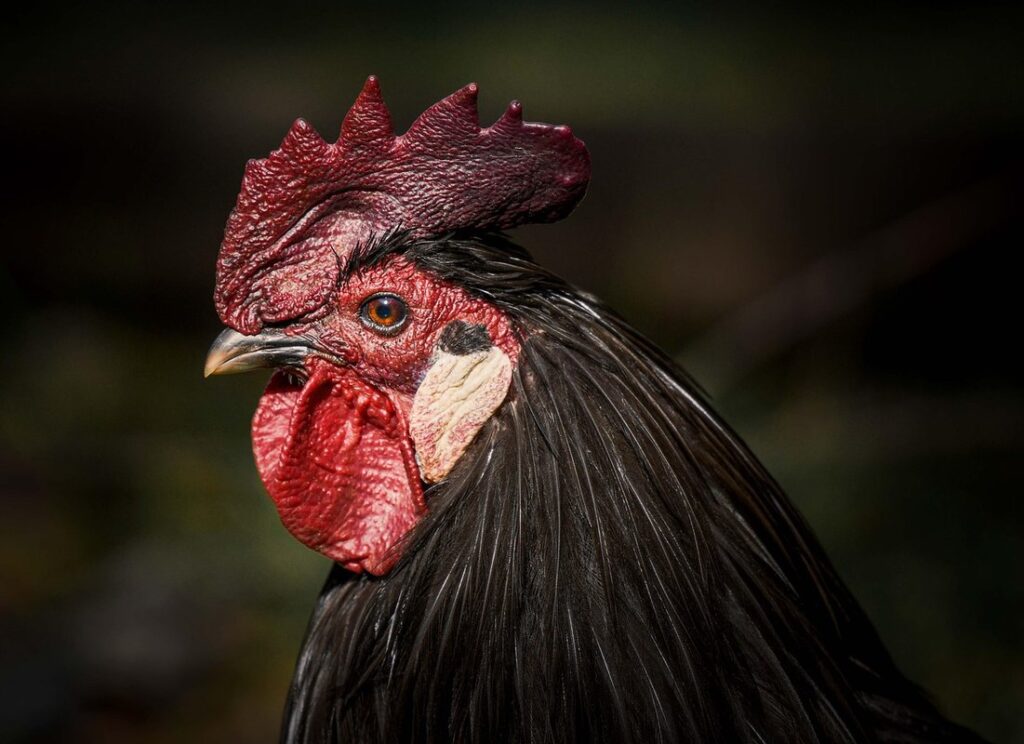
What is a Broody Hen?
So you’ve got a broody hen on your hands, but what exactly does that mean and how can you tell if she’s going to hatch eggs successfully for you? Let’s dive into the basics first.
Characteristics of a Broody Hen
A broody hen is a hen that has taken on the instinctual behavior of incubating eggs and raising her chicks. This behavior is triggered by various factors such as hormonal changes, age, and experience. A broody hen’s characteristics are easy to identify, especially if you’re new to chicken keeping.
Some common behaviors exhibited by broody hens include pacing back and forth in front of the nesting box, clucking loudly, and refusing to leave the nesting area even when disturbed. They may also start to collect materials like straw or grasses to line their nests. Physically, a broody hen will often become withdrawn, losing interest in food and water, and her feathers may appear fluffed up and ruffled.
As a responsible chicken keeper, it’s essential to recognize the signs of a brooding hen to ensure she receives proper care and nutrition. If your hen is showing these characteristics, provide her with a balanced diet rich in protein and calcium, as well as easy access to fresh water. This will help her maintain her energy levels and support the healthy development of her chicks.
Signs that Your Hen is Going Broody
As a chicken keeper, it’s essential to recognize the signs that indicate your hen has gone broody. This behavioral phase can be crucial in determining when to intervene and provide her with the necessary care. If you’ve noticed your hen exhibiting any of the following behaviors, it’s likely she’s entered the broody stage.
Excessive sitting is one clear indicator – if your hen refuses to leave the nesting box or coop, even after food and water are presented elsewhere, she may be brooding. You might also observe her pecking at eggs in the nest, attempting to hatch them. This behavior can be a sign that she’s preparing for incubation.
Aggressive behavior towards other hens is another common trait of broody birds. They may become protective of their imaginary clutch and exhibit hostility towards flock members attempting to enter the nesting area. If you notice any of these behaviors in your hen, it’s crucial to provide her with a separate enclosure or coop where she can incubate without disturbing the rest of the flock.
It’s also worth noting that some breeds are more prone to broodiness than others. Recognizing these characteristics early on will allow you to take steps to prevent overheating and ensure the health of both your hen and any chicks she may be trying to hatch.
Importance of Proper Hydration for Broody Hens
Proper hydration is crucial during a brood, and understanding its importance can make all the difference for healthy chicks. Let’s dive into why it’s so vital for these caring mothers.
Water Requirements During Broodiness
As a broody hen’s water needs increase significantly during this period, it’s essential to provide her with an endless supply of clean, fresh water. A broody hen can drink up to 20-25% more water than usual, which is equivalent to about 1-2 cups per day. This increased demand is due to the high metabolism and energy expenditure required for incubating eggs.
To ensure your broody hen has access to plenty of water at all times, make sure her watering system is positioned close to her nesting box. You can also increase the size or number of water containers to meet her growing needs. Change the water frequently to prevent bacterial growth and maintain its freshness. Consider using a waterer with a built-in antechamber or a float valve that automatically shuts off when the water level drops, making it easier for you to monitor and refill.
Additionally, observe your broody hen’s behavior and adjust the water supply accordingly. If she appears thirsty or restless due to inadequate water, be prepared to make adjustments promptly.
Tips for Maintaining a Brooder’s Hydration
Monitoring a brooder’s water intake is crucial to ensure they stay hydrated. A common mistake many farmers make is not paying attention to their chicks’ drinking habits. To rectify this, you should check the water level frequently, ideally every hour or two. A good rule of thumb is to provide one inch of space for every ten chicks. This ensures that each chick has enough room to drink comfortably.
It’s also essential to observe your brooder’s behavior. Chicks will usually congregate around the waterer if it’s not being replenished regularly, and you may notice a decrease in their overall activity level. If you notice any of these signs, adjust the watering schedule accordingly. Consider investing in an automatic waterer that can monitor the water level and alert you when it’s time to refill.
If your brooder is having trouble accessing the water due to overcrowding or equipment issues, make necessary adjustments to ensure a steady supply of fresh water.
Common Mistakes When Providing Water for Broody Hens
Providing water for a broody hen can be tricky, and making mistakes can lead to poor egg health and stressed hens. Let’s look at some common errors to avoid in your flock’s hydration routine.
Overcrowding in the Brooder Box
When it comes to providing water for broody hens, overcrowding in the brooder box can be a significant issue. You see, when hens are packed too tightly together, they become stressed, and this stress has a direct impact on their ability to stay hydrated. Think of it like this: a hen under stress is more likely to neglect her own needs, let alone those of her precious chicks. If she’s constantly competing for space and resources, she’ll struggle to drink enough water, which can lead to dehydration in both the hen and her chicks.
To avoid overcrowding, make sure your brooder box has sufficient ventilation and enough space for each hen to move around comfortably. Aim for about 2-3 square feet of space per hen, and keep an eye on the temperature – overheating can exacerbate stress. By providing a comfortable environment, you’ll help reduce stress levels in your hens, ensuring they’re better equipped to care for their chicks and stay hydrated themselves. Remember, it’s all about creating a peaceful and healthy atmosphere where both momma hen and her chicks can thrive.
Inadequate Ventilation in the Brooder
Poor ventilation in the brooder can have disastrous consequences on the health of your chicks. When hens are incubating eggs, they produce carbon dioxide as a byproduct, which can quickly accumulate in poorly ventilated spaces. This leads to respiratory issues, making it challenging for the hen to breathe properly. Imagine having to work out in a tiny gym with no air conditioning or ventilation – it wouldn’t be pleasant, would it? Similarly, your brooding hen is working hard to keep those eggs warm and safe, but if the air quality is compromised, she’ll struggle to do so.
The lack of adequate ventilation can exacerbate respiratory problems such as bronchitis and pneumonia. These conditions are not only uncomfortable for the hen but also weaken her overall health, making it harder for her to care for herself and her chicks. A good rule of thumb is to ensure that your brooder has at least 2-3 square feet of ventilation space per hen. You can achieve this by using fans or increasing the height of your brooder. Remember, a healthy environment starts with proper airflow, so take steps to improve ventilation in your brooder today.
Nutritional Considerations for Broody Hens
When it comes to caring for your broody hens and their chicks, ensuring they receive proper nutrition is crucial. Let’s explore some essential nutritional considerations for these mama birds.
Protein-Rich Diets for Healthier Chicks
When it comes to raising healthy chicks, providing a balanced diet is crucial for their growth and development. As a broody hen’s primary caregiver, you play a significant role in ensuring she receives the necessary nutrients during the laying stage. A protein-rich diet is essential for her health, as it fuels egg production and supports overall well-being.
As a general rule, chicken feed should contain 16-20% protein to support optimal growth and development. However, this requirement can vary depending on factors such as age, breed, and environmental conditions. For example, if you’re raising chicks in hot climates or under high-stress conditions, they may require more protein-rich foods.
To provide your broody hen with a protein-rich diet, consider supplementing her feed with nutritious treats like mealworms, crickets, or hard-boiled eggs. You can also add vegetable scraps like kale, spinach, and carrots to their feed for added nutrition. Remember to introduce new foods gradually to prevent digestive upset. By providing a balanced and nutrient-dense diet, you’ll be well on your way to raising healthy, thriving chicks under the care of your broody hen.
Supplementing with Calcium and Other Essential Vitamins
When it comes to supporting strong eggshell production and healthy chick development, supplementing with essential nutrients is crucial. Calcium, vitamin D3, and other vital vitamins play a significant role in this process.
Calcium is the primary component of eggshells, accounting for about 95% of their composition. A deficiency can lead to soft-shelled eggs or poor fertility rates. To ensure adequate calcium levels, you can dust your chicks’ feed with crushed oyster shells or limestone. This will provide them with a readily available source of calcium.
In addition to calcium, vitamin D3 is also essential for strong eggshell production and chick development. As many commercial feeds are often low in this vital nutrient, supplementing with a D3-rich product can be beneficial. You can choose from various sources like cod liver oil or D3 supplements specifically designed for poultry.
To ensure your brooder’s diet is well-balanced, consult the feed manufacturer’s recommendations and consider adding a multivitamin supplement to address any potential gaps.
Environmental Factors Affecting Broody Hen Hydration
When it comes to keeping your broody hen hydrated, environmental factors play a significant role in ensuring she has access to clean drinking water. This includes considerations for coop location and surrounding conditions.
Temperature Control in the Coop or Brooder
Maintaining an optimal temperature range is crucial to reduce stress and promote hydration among broody hens. A comfortable temperature can help regulate their metabolism, which in turn affects their water intake. The ideal temperature for a coop or brooder depends on the age of the chicks and the climate.
For young chicks (0-4 weeks old), it’s essential to maintain a temperature range between 90°F to 95°F (32°C to 35°C) with gradual decreases as they grow older. This helps prevent hypothermia and ensures proper digestion. As for broody hens, a temperature range of 60°F to 70°F (15°C to 21°C) is usually sufficient.
To maintain an optimal temperature range, ensure good ventilation in the coop or brooder by installing windows or vents. You can also use heat lamps or ceramic heat emitters to regulate temperatures. Monitor your chicks’ behavior and adjust the temperature accordingly. For example, if they’re huddled together, it may be too cold; while panting excessively, it’s likely too hot.
By maintaining a comfortable temperature range, you’ll help reduce stress in your broody hens, promoting better hydration and overall health.
Air Quality and Humidity Levels
Maintaining good air quality and proper humidity levels within the coop or brooder box is crucial for preventing respiratory issues and promoting healthy chick development. When it comes to air quality, it’s essential to minimize ammonia fumes from droppings and bedding materials. You can achieve this by using a well-ventilated coop with adequate airflow, changing bedding regularly, and providing enough space per bird (about 2-4 square feet).
Adequate ventilation also helps regulate humidity levels, which should be maintained between 40-60%. High humidity can lead to respiratory problems, while low humidity may cause dehydration. To monitor humidity levels, you can use a hygrometer. You’ll want to check the temperature and humidity daily, especially during hot or cold weather.
In addition to these measures, ensure your coop is free from drafts and moisture accumulation, which can exacerbate respiratory issues. By maintaining good air quality and proper humidity levels, you can significantly reduce the risk of respiratory problems in your broody hens and promote healthy chick development. Regular cleaning and maintenance will also help prevent the buildup of bacteria and pathogens that can harm chicks.
Frequently Asked Questions
What if I don’t have a separate brooder box for my hen? Can she still stay hydrated?
You can still keep your broody hen safe and hydrated, even without a dedicated brooder box. Consider converting an existing coop or enclosure into a temporary brooder by adding adequate ventilation, lighting, and heat sources to maintain a stable temperature.
How often should I check on the water levels in my brooder box?
Regular checks are crucial to ensure your hen’s hydration needs are met. Check the water level at least twice a day, ensuring it’s always accessible and not too deep for her to comfortably drink from.
Can I use a humidifier in the coop or brooder to maintain optimal humidity levels?
Yes! Using a humidifier can help maintain optimal humidity levels (around 50-60%) for your hen and chicks. This is especially important during hot weather, as it helps prevent dehydration and supports healthy respiratory function.
What if my hen is having trouble accessing water due to overcrowding in the brooder box? Are there any alternatives?
If your hen is struggling to access water due to overcrowding, consider providing multiple water sources or using a larger, more spacious brooder. You can also try relocating her to a quieter area of the coop with ample space.
Should I supplement my hen’s diet during broodiness, and if so, what nutrients are essential?
Yes! Supplementing your hen’s diet during broodiness is crucial for ensuring she gets all the necessary nutrients for healthy chick development. Focus on adding balanced electrolytes, protein-rich foods (like mealworms or crickets), and calcium sources to support strong bone growth in her chicks.