
Are you about to bring new life into your backyard with hatching day chicks? This exciting moment is just the beginning, as raising healthy chicks requires careful attention to their development and growth. But don’t worry, we’ve got you covered! In this comprehensive guide, we’ll walk you through the stages of chick development, from incubation to hatching, and provide expert tips on long-term care and socialization.
We’ll dive into the importance of understanding your chicks’ needs during those critical first few weeks, including feeding, brooding, and vaccination. You’ll learn how to create a safe and nurturing environment that promotes healthy growth and development. Whether you’re an experienced breeder or a newcomer to backyard poultry keeping, this article will provide you with everything you need to know to raise thriving hatching day chicks.
Understanding Chick Development and Hatching
As you eagerly await the arrival of your new chicks, understanding their development stages is crucial to ensure a healthy hatching process. We’ll walk you through the key milestones that lead up to this special day.
Pre-Hatching Stages of Embryonic Development
From fertilization to hatching, a chick’s development is a remarkable and intricate process. It begins when a rooster mates with a hen, resulting in the release of sperm that fertilize the hen’s eggs. Once fertilized, the egg undergoes a series of transformations as it develops into an embryo.
The first stage, called cleavage, occurs within 24 hours after fertilization. During this period, the zygote undergoes rapid cell division without significant growth in size. The second stage is called morula formation, where the cells begin to compact and differentiate. This stage typically lasts around 36-48 hours.
The third stage, blastoderm formation, marks a significant milestone as it transitions into a disk-shaped embryo. At this point, major organs start to take shape, including the heart, liver, and kidneys. The entire process is crucial for ensuring that your chicks develop properly when incubated under ideal conditions.
A healthy breeding program involves maintaining meticulous records of fertility rates and hatching success. This data helps in identifying areas where improvements can be made to optimize chick development.
Factors Influencing Embryo Health and Viability
Temperature and humidity play critical roles in maintaining embryo health during incubation. The ideal temperature range for most poultry species is between 99°F to 100°F (37°C to 38°C), with slight variations depending on breed and stage of development. Deviations from this range can lead to reduced hatch rates, embryonic death, or even fertility issues.
Relative humidity should be maintained between 50-60% during the first 18 days of incubation, gradually increasing to 70-80% for the remaining period. This optimal balance prevents moisture loss and ensures proper development of the embryo’s membranes and respiratory system. Conversely, insufficient humidity can result in desiccation and reduced hatchability.
Other environmental factors influencing embryo health include air circulation, cleanliness, and stress reduction. A well-maintained incubator with adequate ventilation helps prevent carbon dioxide buildup and maintains a stable atmosphere. Additionally, minimizing disturbance during the incubation period reduces stress on the developing embryos, promoting overall health and viability upon hatching. Regular monitoring of temperature, humidity, and other parameters is essential for optimal results and successful chick hatching.
Preparing for Hatching Day: Setup and Supplies
Now that you’ve brought your fertile eggs home, it’s time to prepare everything needed to welcome your newly hatched chicks safely into their new environment. This setup will ensure a smooth transition for both you and your future flock.
Creating a Safe and Healthy Brooder Environment
When setting up the brooder for your hatching day chicks, it’s essential to create a safe and healthy environment that meets their specific needs. This includes proper ventilation, lighting, and heat sources.
Proper ventilation is crucial to prevent ammonia buildup from droppings and maintain fresh air circulation. You can achieve this by installing a few windows or vents in the brooder, ensuring they are securely covered with mesh to prevent chicks from escaping. A good rule of thumb is to provide at least 1 square foot of ventilation per chick.
A heat source is also vital, especially during the first week when chicks need it most. You can use a heat lamp or ceramic heat emitters, placing them about 2 feet away from the bedding area. Ensure the temperature remains between 90°F and 95°F for the first week, gradually decreasing by 5°F every day thereafter.
A suitable lighting system is also necessary to promote growth and development. Use low-wattage light bulbs or LED lights, positioning them at a height that prevents chicks from getting too close. This helps prevent overheating and promotes natural behavior, such as foraging and roosting.
Essential Equipment and Supplies for New Chicks
When it’s time to bring home those adorable new chicks, having all the necessary equipment and supplies is crucial for their healthy growth. Let’s start with the basics: feeders and waterers. You’ll need shallow feeders that are specifically designed for young chicks, as they can easily tip over or get stuck in regular feeders. Similarly, waterers should be shallow and easy to access, as chicks need to drink frequently.
When it comes to bedding materials, you have several options. Wood shavings or pine shavings are popular choices, but avoid cedar shavings as the oils can be toxic to your birds. Another option is sand, which is a great absorbent material that’s gentle on their feet. You’ll also want to provide some dust baths for your chicks to help them regulate their body temperature and maintain healthy skin.
A heat source, like a brooder or heat lamp, will be essential in the first few weeks as they adjust to their new environment. A thermometer is also crucial to ensure the temperature remains within the safe range of 90-100°F (32-38°C) for young chicks. Don’t forget some comfortable nesting boxes for your adult hens when they’re ready to lay eggs!
Recognizing Hatching Day Signs and Symptoms
As you wait for your chicks to hatch, being aware of the signs and symptoms of hatching day is crucial for a smooth transition. Here are some telltale signs that indicate it’s almost time for your babies to emerge.
Identifying Physical Changes in the Egg Before Hatching
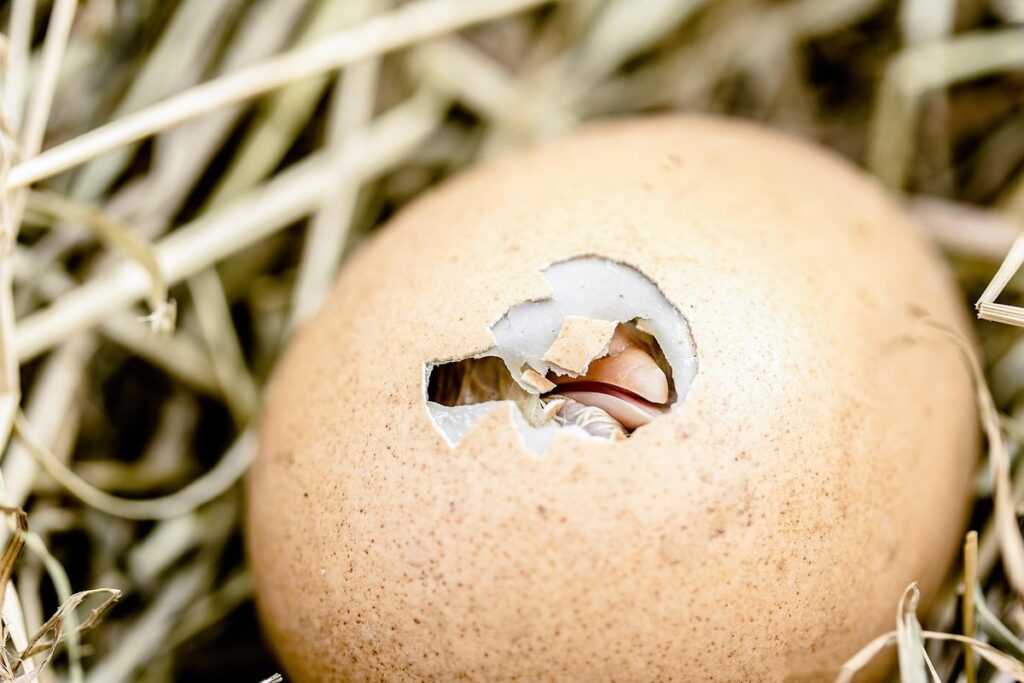
As you approach hatching day, it’s essential to be aware of visual cues that indicate an egg is about to hatch. One of the most significant signs is pip marks, which are small holes made by the chick as it pecks its way out of the shell. These marks can appear on any part of the egg, but they’re often seen around the air sac or the large end of the egg.
Keep in mind that a pip mark doesn’t necessarily mean hatching will occur immediately. The chick may pause and reabsorb its own egg membrane before continuing to break free. Another visual cue is an egg crack, which can appear as a hairline fracture on the shell. This can be a sign that the chick is about to emerge.
When observing pip marks or egg cracks, make sure to check for other signs of hatching, such as cessation of pip hole expansion or increased pecking activity. Monitor the egg closely during this time, and note any changes in temperature or humidity levels within your incubator.
Behavioral Indicators of Chick Emergence
As you await hatching day, it’s essential to recognize behavioral indicators that signal chick emergence is near. One of the first signs is a change in egg movement. About 24-48 hours before hatching, you’ll notice the egg moving more freely within the shell. This can be quite noticeable if you’re checking on your eggs frequently. The embryo inside is preparing for exit and making its way to the air sac at the large end of the egg.
Another significant indicator is a change in sound. Listen closely for a high-pitched peeping or chirping noise coming from within the egg. This sound usually starts as a faint scratching and gradually becomes louder as hatching nears. It’s essential to be attentive during this time, as it can indicate that chick emergence is imminent.
To confirm these signs, make sure you’re checking on your eggs regularly, ideally every 6-8 hours, to catch any changes in movement or sound.
Assisting Chicks After Hatching: Initial Care and Support
Now that your chicks have safely hatched, it’s time to provide them with essential care and support in their first few hours of life. Proper assistance will set them up for a strong start to their new lives.
Helping Weak or Stressed Chicks Adapt to Their New Environment
When chicks emerge from their eggs, they’re vulnerable and may need time to recover. To help weak or stressed chicks adapt to their new environment, it’s essential to provide a safe space for them to rest.
A brooder is an ideal place for newly hatched chicks, offering a warm and draft-free zone where they can adjust to the outside world. Maintain a temperature of around 90-100°F (32-38°C) in the brooder for the first few days, as this will help stimulate their metabolism and encourage growth.
Keep an eye on your chicks’ behavior; if you notice any lethargy or reluctance to move, it may be a sign that they’re not adapting well. You can gently place them under a heat lamp or in a warm corner of the brooder to encourage them to move around. It’s also crucial to ensure adequate ventilation and hygiene in the brooding area to prevent ammonia buildup and related health issues.
Monitor your chicks’ weight, appetite, and droppings closely during this critical period. If you notice any unusual signs or behaviors, consult with a veterinarian or poultry expert for guidance on how to support your flock’s well-being.
Introducing Feed, Water, and Litter Training
Introducing feed, water, and litter training is an essential part of caring for new chicks. Right from hatching day, it’s crucial to establish a routine that includes regular feeding, adequate hydration, and a clean environment.
Firstly, place the chicks in their brooder or designated area with food and water available. For the first few days, use a shallow dish or tray with a heating source nearby, as chicks are more likely to get wet while eating and drinking. As they grow and become more confident, you can gradually move to deeper dishes.
Introduce a litter-trained area by providing a designated “potty” area, such as a large pan or tray filled with a safe litter material like wood shavings or paper-based products. Place the chicks in this area for short periods, allowing them to get accustomed to eliminating outside of their nesting box. Be patient and consistent in your training approach.
Monitor the chicks’ feeding and drinking habits closely, ensuring they have access to food and water at all times. Clean the feeding and watering areas daily to maintain a healthy environment.
Managing Post-Hatching Health Challenges
As you welcome your new chicks into their brooder, it’s essential to be aware of common health challenges that may arise post-hatching and know how to address them promptly. This section will guide you through those critical first days and weeks.
Common Issues Affecting Chicks in the First Few Weeks
In the first few weeks of life, chicks are most vulnerable to health issues that can be detrimental if left unaddressed. One common problem is pasty butt, a condition where droppings stick to the chick’s vent area, causing discomfort and potentially leading to dehydration. To prevent this issue, ensure your brooder is at the right temperature (around 90-95°F) and maintain good ventilation. Monitor your chicks’ cleanliness regularly and gently remove any stuck droppings with a warm damp cloth.
Another critical concern is hypothermia, which can occur when chicks are exposed to temperatures below their comfort zone or if they’re not properly insulated. Watch for signs of distress such as huddling together, lethargy, or failure to move around. If you suspect hypothermia, provide extra warmth using a heat lamp or an infrared heat source, and ensure the chick is dry and free from drafts.
Regular checks on your chicks’ overall health can help identify potential problems early on, allowing for prompt action and reducing the risk of more severe consequences.
Strategies for Preventing and Addressing Health Problems
As you welcome your newly hatched chicks into the world, it’s essential to prioritize their health and well-being. Preventing and addressing potential health issues early on can make a significant difference in their growth, development, and long-term vitality.
Some common health problems that can affect newly hatched chicks include respiratory infections, coccidiosis, and hypovitaminosis A (Vitamin A deficiency). To prevent these issues, maintain good hygiene practices by keeping the brooder clean, providing adequate ventilation, and disinfecting equipment regularly. Monitor your chicks’ behavior and watch for signs of illness such as labored breathing, lethargy, or diarrhea.
Regularly inspect your chicks to ensure they are eating and drinking properly. Provide a balanced starter feed that meets their nutritional needs, and make sure they have access to fresh water at all times. If you notice any health issues, consult with a veterinarian experienced in poultry care as soon as possible. Early detection and treatment can significantly improve the chances of recovery for your young flock members.
Long-Term Care and Socialization of Hatching Day Chicks
As your chicks grow, it’s essential to establish a routine that encourages socialization and long-term care, setting them up for a happy and healthy flock. This section will walk you through creating a harmonious brood.
Gradually Increasing Chick Independence and Social Interaction
As your chicks grow and mature, it’s essential to introduce them gradually to their flock and outdoor environment. This process is crucial for their socialization and overall well-being. Start by separating the new arrivals from their mother hen or a foster parent until they’re about 4-6 weeks old.
When reintroducing the chicks to the flock, do it in stages:
* Begin by placing them in a separate enclosure near the main coop to allow them to get used to each other’s presence and sounds.
* Gradually increase their exposure to the flock over the next few days, supervising interactions closely for any signs of stress or aggression.
* Allow the chicks to eat and drink separately from the rest of the flock at first to prevent any competition or bullying.
A good example is introducing your new arrivals to a flock that has been established for some time. This allows them to learn from more experienced birds and reduces the likelihood of conflicts. Be patient, as integrating new members into an existing flock can take time. With careful planning and gradual introduction, your chicks will thrive in their new environment, developing strong social bonds with their flock mates.
Nutrition, Grooming, and Health Maintenance for Mature Chicks
As your chicks mature, their nutritional needs change, and it’s essential to ensure they’re receiving the right balance of nutrients for optimal health. A diet rich in protein is still crucial during this period, but you can start introducing more fiber-rich foods like leafy greens and fruits. This will help support healthy digestion and a strong immune system.
In terms of grooming, chicks are naturally inclined to peck at their feathers, which can lead to over-preening. Monitor your flock closely and intervene if necessary to prevent excessive feather loss. You can also provide dust baths or shallow pans filled with sand for them to scratch and clean themselves.
Regular health checks are vital as your chicks mature. Be on the lookout for signs of respiratory issues, such as labored breathing or wheezing, and address any problems promptly. Keep an eye out for changes in appetite, droppings, or overall behavior – these can be indicative of underlying health issues. By maintaining a clean environment, providing a balanced diet, and staying vigilant, you’ll be well on your way to raising healthy, thriving mature chicks.
Conclusion: Raising Healthy Hatching Day Chicks
As you bring your chicks home, it’s time to think about their long-term health and well-being. This final section covers essential tips for raising healthy hatching day chicks into thriving adults.
Recap of Key Takeaways and Best Practices
Raising healthy hatching day chicks requires a solid foundation of knowledge and best practices. To recap, here are the essential takeaways from our comprehensive guide: Ensure proper nutrition by providing starter feed immediately after hatching and maintaining clean water at all times. Monitor temperature and humidity levels closely to prevent stress-related health issues.
Provide adequate ventilation in your brooder or hatcher to prevent ammonia buildup and ensure a safe environment for your chicks. Be prepared for emergencies, such as maintaining a first-aid kit and knowing how to treat common illnesses like respiratory infections or hypothermia.
Remember to handle your chicks gently and minimize handling stress. Keep the brooder clean by removing soiled bedding material daily and replacing it with fresh litter. Ensure proper chick-to-space ratio in the brooder to prevent overcrowding and reduce disease risk.
Lastly, keep records of your chicks’ weight, growth rate, and vaccination schedules to monitor their health and development effectively. By following these best practices, you’ll be well on your way to raising a strong, healthy flock.
Encouragement and Support for New Breeders
As you welcome new life into your flock, it’s essential to offer encouragement and support to help them thrive. New breeders often face unique challenges when caring for their first batch of chicks, and it’s not uncommon to feel overwhelmed or uncertain about what they’re doing.
One of the most significant factors in a chick’s early development is social interaction. Provide your chicks with a safe and stimulating environment by introducing new toys, perches, and scratching areas. This will help reduce stress and promote natural behavior.
Additionally, prioritize attention to detail when caring for your new flock. Regularly inspect their living conditions, feeding, and watering areas to ensure they’re meeting the needs of all birds. Monitor temperature, humidity, and lighting levels closely, as these factors can greatly impact chick development.
To further support your new breeders, consider joining online communities or forums where you can connect with experienced breeders who can offer valuable advice and encouragement.
Frequently Asked Questions
Can I reuse the incubator for multiple hatchings without compromising its performance?
Yes, a well-maintained incubator can be reused multiple times, but it’s essential to clean and disinfect it thoroughly between each use. This will prevent any potential bacterial or fungal growth that might contaminate future hatchings.
How often should I check on the chicks after they’ve hatched, especially in the first few days?
In the initial 24-48 hours, you’ll want to monitor your chicks’ behavior and vital signs closely. After this period, you can gradually reduce the frequency of checks to every hour or two, as long as the chicks appear healthy and active.
What are some common reasons why hatchlings might experience stress or weakness after hatching?
Weak or stressed hatchlings often suffer from inadequate brooder temperature, humidity levels, or oxygen supply. Additionally, any bacterial or fungal infections can cause significant distress to newly emerged chicks. Maintaining a clean and well-ventilated environment is crucial for their health.
Can I use any type of bedding material in the brooder, or are there specific requirements?
It’s best to avoid using pine shavings, as they can be toxic to young birds. Opt for safe and absorbent materials like paper-based products, hay, or straw. Make sure to replace the bedding regularly to prevent moisture buildup and bacterial growth.
How do I determine when it’s time to transition my chicks from a brooder to a larger enclosure?
Monitor your chicks’ growth rate, feather development, and energy levels. Typically, you’ll want to move them to a larger space when they’re around 4-6 weeks old, depending on their breed and size. Ensure the new enclosure provides sufficient space for exercise, socialization, and comfort.