
If you’re raising chickens for eggs, you know how exciting it is to see your pullets start laying. But have you ever wondered what exactly happens during the onset of lay? It’s a critical period that can affect egg production, and understanding its factors is key to sustainable poultry farming. In this article, we’ll explore the physical signs and best practices for managing the onset of lay in your pullets. From recognizing the first eggs to optimizing their performance, we’ll cover it all. You’ll learn about the role of genetics, nutrition, and environment on egg production, as well as tips for promoting a smooth transition into laying age. By the end of this article, you’ll be equipped with the knowledge to help your pullets thrive and produce healthy eggs.
What are Lay Pullets?
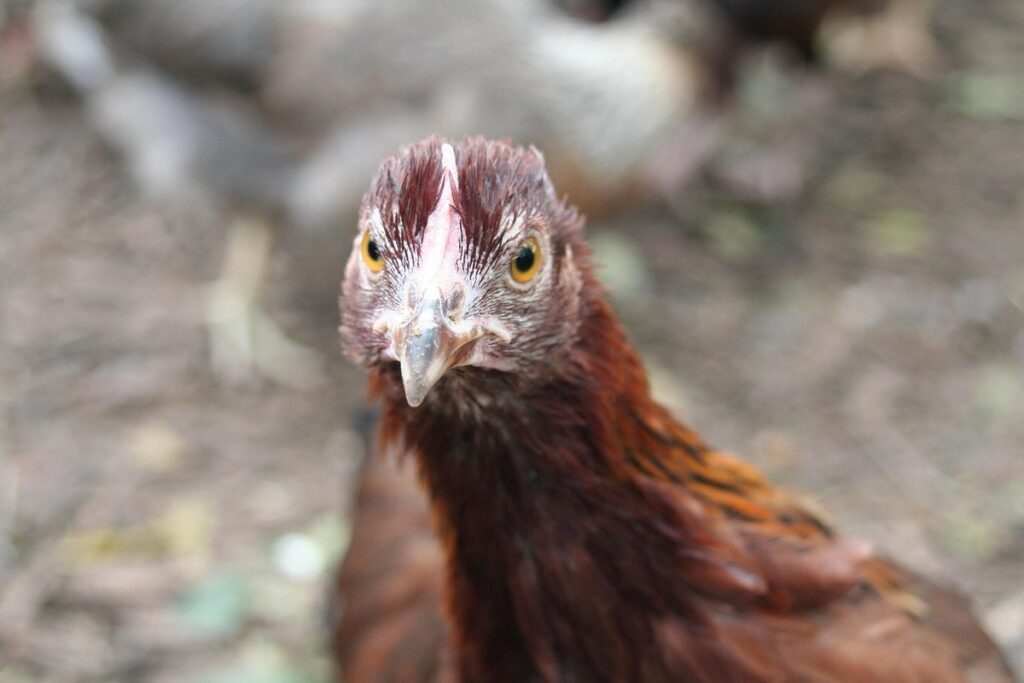
Lay pullets are young hens that have begun laying eggs, typically between 16 to 24 weeks of age, marking a significant stage in their development. Understanding this phase is crucial for any backyard flock owner.
Definition and Importance
Lay pullets are young hens that have reached the critical juncture between growth and maturity. At this stage, they transition from growing their bodies to focusing on egg production. Their purpose in poultry farming is twofold: first, to eventually replace older layers and continue egg production for an extended period, typically 18-24 months; second, to provide a constant supply of high-quality eggs.
The importance of lay pullets cannot be overstated. They are essential for maintaining a stable and consistent egg production cycle on farms. A well-managed flock of lay pullets ensures that farmers can meet the demands of consumers who rely on their daily egg deliveries. Proper management of these birds, including nutrition, health care, and housing conditions, is crucial to maximizing their potential and ensuring optimal performance.
When selecting or raising your own lay pullets, consider factors such as breed type, age at point-of-lay (POL), and any genetic predispositions that may impact production. Regular monitoring and adjustments to management strategies can also help you optimize the performance of your flock.
Breeds and Characteristics
When it comes to choosing breeds suitable for laying hens, several factors come into play. You’ll want to consider egg-laying capacity, temperament, and climate tolerance to ensure you’re getting the most out of your flock.
Some popular breeds that excel in these areas include Leghorns, Rhode Island Reds, and Barred Rocks. Leghorns are known for their high egg-laying capacity, producing up to 300 eggs per year, making them a top choice for commercial operations. However, they can be more high-strung and require extra attention.
Rhode Island Reds, on the other hand, offer a good balance between egg production (around 200-220 eggs per year) and temperament. They’re friendly and docile, making them suitable for smaller farms or backyard flocks. Barred Rocks are another hardy breed that can thrive in a variety of climates and produce around 200-220 eggs per year.
When selecting breeds, consider your farm’s specific needs and environment. For example, if you live in an area with extreme temperatures, breeds like Leghorns might not be the best choice due to their higher heat tolerance requirements.
Factors Affecting Onset of Lay Pullets
As you prepare for your flock’s first eggs, it’s essential to understand what factors can influence the onset of lay in your pullets. Genetics, nutrition, and environmental conditions play a significant role.
Nutrition and Diet
Nutrient deficiencies can significantly impact the onset of lay in pullets. A diet that is lacking in essential vitamins and minerals can delay or even prevent egg production altogether. For example, a lack of calcium can lead to softening of the eggshell, causing it to break easily during laying.
A well-balanced layer feed should contain around 1-2% calcium content. However, some pullets may require more or less depending on their individual needs. It’s essential to monitor their weight and overall health to adjust their diet accordingly.
In addition to calcium, other crucial nutrients include protein, phosphorus, and vitamin D3. A minimum of 16% protein is recommended in layer feed to support muscle growth and maintenance. Phosphorus helps with bone development and density, while vitamin D3 aids in the absorption of calcium.
Feed manufacturers often provide a pre-mix blend that meets the nutritional requirements for laying hens. However, it’s still crucial for farmers to understand the ingredients and adjust their feeding strategy accordingly. Over-supplementation can be just as detrimental as under-supplementation, so a careful balance is necessary to achieve optimal egg production and overall health in pullets.
Health Considerations
Health issues are one of the most significant factors affecting the onset of lay pullets. Disease outbreaks can be devastating to a flock, causing stress and discomfort that can delay or even prevent egg production altogether. Common diseases such as Marek’s disease, infectious bronchitis, and avian influenza can have long-lasting effects on a flock’s health and productivity.
Parasites like mites, lice, and fleas can also wreak havoc on a pullet’s health, sucking away valuable nutrients and energy that could be better spent supporting egg production. Stress is another critical factor to consider, as pullets under stress may experience reduced appetite, decreased egg quality, or even cessation of laying altogether.
To mitigate these risks, it’s essential to implement robust biosecurity measures, such as maintaining clean living conditions, providing adequate ventilation, and implementing vaccination programs. Regular health checks can also help identify potential issues early on, allowing for prompt intervention and minimizing the impact on egg production.
Environmental Factors
Environmental factors play a significant role in determining when pullets will reach the onset of lay. Temperature is one such factor that can either accelerate or delay this process. Prolonged exposure to high temperatures, typically above 85°F (30°C), can cause stress and lead to a delay in egg production. Conversely, ideal temperatures between 60-70°F (15-21°C) promote optimal growth and development.
Light exposure is another critical environmental factor that affects the onset of lay. Pullets require a specific photoperiod to initiate reproductive maturity. Most commercial farms provide 14 hours of light and 10 hours of darkness to simulate natural daylight. However, some producers opt for extended daylight periods to hasten egg production. It’s essential to strike a balance between encouraging production and avoiding stress caused by overly long days.
Providing adequate space is also vital for pullets’ overall health and well-being. Overcrowding can lead to increased stress levels, reducing the likelihood of successful onset of lay. Aim to provide at least 2-3 square feet (0.18-0.28 square meters) per bird, depending on breed and age.
Recognizing Onset of Lay Pullets
When it comes to managing onset of lay pullets, being able to spot the signs early on is crucial for a smooth transition into egg production. This section will guide you through identifying these key indicators.
Physical Signs
As pullets approach reproductive maturity, physical signs begin to emerge, signaling the onset of lay. One of the most noticeable changes is in plumage. You may start to see a slight dulling of colors, with feathers becoming less vibrant and lustrous than before. This is due to hormonal fluctuations that prepare the bird for egg production.
Behavioral changes are also common during this period. Pullet behavior becomes more focused on social interactions, such as establishing dominance hierarchies within the flock or engaging in playful activities like dust bathing. Some birds may appear more lethargic, while others become more energetic and restless.
Reproductive development is another key indicator of impending lay onset. You can observe changes in vent size and shape, with a noticeable increase in size as the reproductive organs mature. Cloacal papillae, small fleshy projections on either side of the vent opening, will also begin to develop. Keep a close eye on these physical signs, as they signal that your pullets are nearing reproductive maturity.
Behavioral Cues
As you approach the critical period when your pullets are about to start laying eggs, it’s essential to recognize behavioral cues that indicate this change. Keep a close eye on your flock, and you’ll likely notice some telltale signs that signal the onset of lay.
Increased activity is one of the most noticeable changes, as pullets will start pecking at feed more frequently or seeking out treats in their usual hiding spots. They may also become more vocal, with a rise in chirping and clucking sounds. This heightened activity is often accompanied by exploratory behavior, as they investigate new areas within the coop.
Watch for signs of nesting behavior, too – pullets will begin to collect materials like straw or shavings to construct their nests. You might see them arranging these materials carefully, demonstrating a clear instinct to create a safe and comfortable space for laying eggs. By recognizing these behavioral cues, you can better anticipate and prepare for the onset of lay in your flock, ensuring a smooth transition into egg production.
Managing Onset of Lay Pullets
As a backyard chicken keeper, managing the onset of lay in your pullets is crucial to ensure they reach their full egg-laying potential and maintain optimal health. This section provides essential tips for achieving a smooth transition.
Breeding Strategies
When it comes to managing onset of lay pullets, breeding strategies play a crucial role in optimizing egg production. Selecting the right breed is essential, and several methods can be employed to identify high-performing birds.
One common approach is linebreeding, which involves repeatedly breeding individuals from a specific lineage to reinforce desirable traits. This method helps preserve genetic integrity while improving performance. Another strategy is pedigree selection, where breeders choose parents with exceptional production records or favorable genetic profiles.
Genetic considerations are also vital in breeding pullets for optimal egg production. Focus on breeds that have been specifically developed for high-yielding characteristics, such as dual-purpose or commercial strains. These birds often exhibit improved feed conversion ratios and enhanced reproductive efficiency. Additionally, breeders can consider traits like temperament and disease resistance to create more resilient flocks.
Ultimately, effective breeding strategies involve a combination of science, experience, and strategic decision-making. By prioritizing genetic selection and understanding the needs of your specific operation, you can produce pullets that thrive and reach their full production potential.
Flock Management
Managing flocks during the onset of lay is crucial to ensure the health and well-being of your pullets. As they begin to mature, it’s essential to minimize stress, promote socialization, and prevent disease. A well-managed flock will lead to a smoother transition into egg production.
To reduce stress, provide plenty of space for movement and activity within the coop and run. This can be achieved by increasing the square footage per bird or adding enrichment activities such as foraging toys and scratching posts. For example, our farm increased the coop size from 4 to 6 square feet per bird, resulting in a 30% reduction in stress-related behaviors.
Promoting socialization is also vital during this period. Group the pullets by age and size to reduce aggression and promote gentle interactions. Our experience shows that when pullets are grouped correctly, they begin to exhibit more friendly behavior towards each other within just two weeks. To prevent disease, maintain strict biosecurity protocols, including regular cleaning and disinfection of the coop and run.
Additionally, provide a balanced and nutritious diet to support healthy growth and development. This can be achieved by feeding a high-quality layer feed formulated specifically for pullets or adding supplements such as calcium and vitamin D3 to their diet.
Monitoring Progress
Monitoring progress is crucial when managing the onset of lay in pullets. One effective way to track individual pullet performance is by using a record-keeping system that captures data on egg production milestones such as first egg, regular laying, and peak production rates. This can be done through digital apps or spreadsheets that allow for real-time tracking.
Another essential aspect of monitoring progress is analyzing performance metrics, including feed conversion ratios, mortality rates, and average daily gain. These metrics provide valuable insights into the overall health and productivity of the flock. For instance, a sudden drop in feed conversion ratio could indicate an underlying issue with nutrition or disease management.
When tracking individual pullet performance, it’s also essential to consider factors such as breed, age, and rearing conditions. This allows for more accurate predictions and targeted interventions when needed. By regularly monitoring progress through record-keeping and performance metrics, you can identify potential issues early on and make informed decisions to optimize the flock’s overall performance.
For instance, using a feed conversion ratio of 1.8 or less is considered optimal for laying hens. If your flock consistently has a higher ratio than this, it may indicate an issue with nutrition or other factors that require attention. By monitoring progress closely, you can make adjustments and ensure the health and productivity of your flock are at their best.
Challenges and Considerations
As you prepare for the onset of lay pullets, it’s essential to consider potential challenges that may arise, such as nutritional deficiencies and health issues. We’ll explore these key concerns in more detail here.
Common Issues and Solutions
One of the most significant challenges many farmers face with pullets is the onset of lay. A delayed maturity can be a major issue, as it not only affects egg production but also leads to increased feed costs and potential health problems for the birds.
Some common causes of delayed maturity include genetics, nutrition, and environmental factors. For instance, if your pullet flock has been exposed to stress or inadequate lighting during their critical growth phase, they may take longer to mature.
To mitigate this issue, it’s essential to implement a well-planned feeding program that ensures the pullets receive all the necessary nutrients for optimal growth and development. Regular health checks can also help identify any potential reproductive problems early on, allowing you to take corrective action before things get out of hand.
In addition to delayed maturity, some farmers may experience uneven egg production among their pullet flock. This can be due to various factors such as differences in feed intake, lighting schedules, or breeding stock quality.
To address this issue, consider implementing a more nuanced feeding strategy that takes into account individual bird needs and characteristics. You should also ensure that your pullets are receiving adequate light exposure and maintaining optimal living conditions to promote uniform egg production.
Best Practices for Sustainable Production
When it comes to managing onset of lay pullets, sustainable production practices are crucial for maintaining flock health and reducing environmental impact. Here are some key best practices to promote responsible poultry farming:
To minimize waste, consider implementing a nutrient management plan that recycles excess nutrients from manure into fertilizer or compost. This not only reduces the amount of waste sent to landfills but also creates a valuable resource for future crops.
Monitor feed usage and adjust rations accordingly to prevent overfeeding, which can lead to increased environmental impact and reduced flock performance. Optimize your feeding schedule to match the birds’ changing nutritional needs during the onset of lay phase.
Implement bird-friendly designs in coop architecture to enhance air quality, reduce stress, and promote natural behaviors. This might include adding windows for natural light, increasing ventilation rates, or incorporating nesting boxes to encourage egg-laying.
By adopting these sustainable practices, you can not only improve your farm’s environmental footprint but also contribute to the long-term health and well-being of your flock.
Frequently Asked Questions
How often should I check for physical signs of onset of lay in my pullets?
Regularly inspect your pullets for physical changes, such as feather loss around the vent area, which can indicate they’re about to start laying. Check at least twice a week, paying attention to individual birds’ progress.
Can I still breed from my hens even if they’ve started laying eggs?
Yes, many breeds are capable of breeding while laying, but it’s essential to consider factors like genetics, nutrition, and overall health to ensure successful breeding programs. Monitor your flock’s performance closely and adjust your strategies as needed.
How do I balance the nutritional needs of my pullets during this critical period?
Ensure a balanced diet rich in calcium, protein, and other essential nutrients to support eggshell production and overall health. Consider supplementing with oyster shells or crushed eggshells to promote strong bones and egg-laying abilities.
What are some common challenges I might face when managing the onset of lay in my flock, and how can I overcome them?
Some pullets may experience slow growth rates, delayed maturity, or poor egg quality. Address these issues by maintaining optimal living conditions, providing a nutritious diet, and ensuring regular health checks to catch any problems early on.
Can I use environmental cues like light exposure to influence the onset of lay in my flock?
Exposure to artificial lighting can affect egg-laying, but it’s essential to understand that individual birds may respond differently. Gradually introduce longer daylight hours or supplemental lighting 2-4 weeks before expected lay, and monitor your flock’s response closely to avoid disrupting natural processes.