
Are you thinking of adding some small but mighty birds to your backyard flock? Bantam broody hens are a wonderful choice for many chicken keepers, offering unique benefits and characteristics that set them apart from their larger counterparts. Not only do they produce eggs in smaller quantities, making them perfect for small-scale farming or urban homesteading, but they’re also known for their affectionate nature and energetic personalities.
If you’re considering raising bantam broody hens, this article is for you. We’ll delve into the joys and challenges of keeping these tiny ladies, covering breed characteristics, health considerations, nutrition tips, and expert advice on managing a successful flock. From identifying the right breeds to understanding their specific needs and temperaments, we’ll give you everything you need to know to successfully raise bantam broody hens. Whether you’re an experienced chicken keeper or just starting out, this guide will help you navigate the world of these charming birds.
Benefits and Characteristics of Bantam Broody Hens
If you’re new to raising bantams, understanding their unique benefits and characteristics is essential to making informed decisions about your flock. Let’s dive into what makes these tiny birds so special.
Advantages of Raising Bantam Hens
Bantam hens offer numerous advantages that make them an excellent choice for backyard chicken keepers. One of their most significant benefits is their compact size. Bantams are smaller than regular chickens, typically weighing between 1-3 pounds, making them perfect for small spaces or urban areas with limited yard space. This diminutive size also means they require less feed and resources compared to larger breeds.
In addition to their size, bantam hens are prolific egg-layers, producing a surprising number of eggs considering their small stature. Many bantam varieties lay an average of 200-250 eggs per year, with some exceptional breeds producing up to 300 or more. This high egg production rate is a significant advantage for backyard chicken keepers who want to enjoy fresh eggs without the need for extensive space.
Another benefit of raising bantam hens is their friendly and docile nature. Bantams are often described as ” lap chickens” due to their affectionate personalities. They form strong bonds with their owners, making them a delight to care for and interact with. This gentle temperament also makes them an excellent choice for families with children or for those who want a stress-free chicken-keeping experience.
Bantam hens are generally healthier than larger breeds, with fewer issues related to joint problems and obesity due to their smaller size. This reduced risk of health complications means less veterinary care and lower overall costs in the long run.
Understanding Bantam Breeds and Temperaments
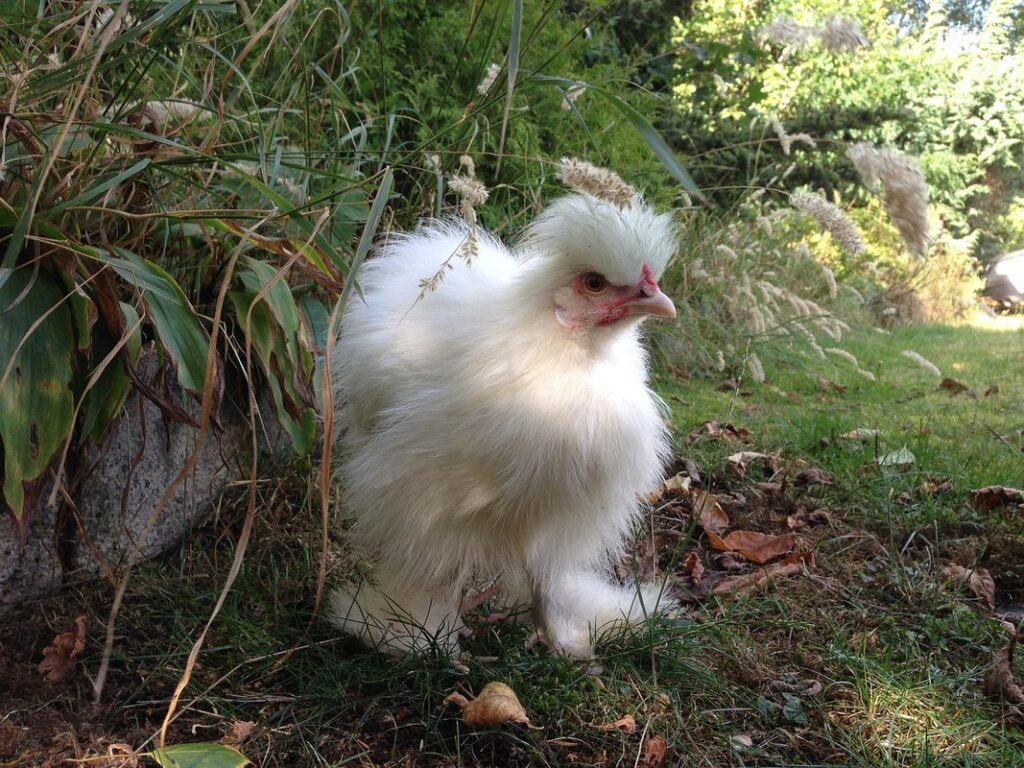
When it comes to understanding bantam breeds and temperaments, there are several popular options that you should consider. One of these is the Silkie breed, known for their fluffy, soft feathers and gentle nature. Silkies are excellent mothers and make great broody hens, but they can be a bit timid around strangers.
The Polish breed is another popular choice for bantam broodiness. They have a unique crest on top of their heads, which adds to their charm. Polishes are friendly and outgoing, but they can also be a bit more demanding when it comes to attention from their owners. In terms of temperaments, Silkies tend to be more laid-back, while Polishes are often more energetic.
The Japanese breed is another popular option for bantam broody hens. They have a sleek, streamlined appearance and are known for their intelligence and curiosity. Japanese bantams can be quite independent and require plenty of space to move around, but they make great mothers and are generally easy-going.
Factors to Consider Before Getting a Broody Hen
Before getting a broody hen, there are several factors to consider to ensure you’re prepared for their unique needs. First and foremost, think about the space requirements of your bantam broody hen. They need room to roam and exercise, so make sure your coop is spacious enough to accommodate them. A general rule of thumb is to provide at least 2-3 square feet per bird inside the coop.
You’ll also want to consider their feeding needs. Broody hens have high metabolisms, which means they require more food than non-broody hens. You may need to supplement their diet with treats and calcium-rich foods to support their egg-laying abilities. Introducing your bantam broody hen to other hens is crucial as well. They can become aggressive towards other birds if not socialized properly, so make sure to integrate them slowly into your flock.
Start by introducing your new bird to a separate enclosure or area where it can get used to the sounds and smells of the other hens. Once they seem comfortable, you can gradually introduce them to each other under close supervision. With patience and proper introduction, your bantam broody hen can become a valued member of your flock.
Choosing the Right Bantam Broody Hen
When selecting a bantam broody hen, you’ll want to consider their temperament, egg-laying ability, and history of successful incubation to ensure a smooth hatching process. This section will help guide you in making that crucial decision.
Selecting a Healthy and Fertile Hen
When selecting a healthy and fertile bantam broody hen, there are several key characteristics to look for. Firstly, check for signs of fertility by observing the hen’s reproductive system during breeding season. A healthy broody hen should have well-developed ovaries, oviducts, and vent area.
Breed-specific characteristics can also be an indicator of a broody hen’s suitability. For example, some breeds are naturally more inclined to go broody than others, such as Silkies or Cochins. Research the breed you’re interested in to understand its typical broodiness levels.
When inspecting a potential broody hen, look for a shiny, well-feathered coat and bright, alert eyes. A healthy weight and firm muscle tone are also essential indicators of overall health. Make sure to check the vent area for any signs of infection or blockages.
A good rule of thumb is to choose a hen that has successfully raised chicks in the past. This can give you an idea of her ability to care for and incubate eggs. With patience, observation, and research, you’ll be well on your way to selecting a healthy and fertile bantam broody hen.
Factors Affecting Broodiness in Hens
When it comes to raising bantam broody hens, understanding what influences their tendency to go broody is crucial. Environmental and hormonal factors play a significant role in determining whether a hen will sit on eggs and raise her chicks. One of the most critical environmental factors is daylight hours. Hens are naturally inclined to be more broody during the spring and summer months when daylight hours are longer. Research suggests that hens exposed to 14-16 hours of daylight per day are more likely to exhibit broodiness.
Nutritional balance also plays a significant role in a hen’s likelihood of going broody. A balanced diet rich in protein, calcium, and other essential nutrients can help regulate hormonal imbalances that may contribute to broodiness. Feeding your hens a high-quality layer feed or supplementing with additional nutrients like vitamins and minerals can support their overall health and reproductive function.
Keep in mind that individual hen personalities also play a significant role in determining their likelihood of going broody. Some breeds, such as Silkies and Polish, are known to be more prone to broodiness due to their genetics.
Breed-Specific Traits and Characteristics
When it comes to choosing the right bantam broody hen for your flock, understanding breed-specific traits and characteristics is crucial. Different breeds exhibit varying levels of broodiness, which can significantly impact their ability to successfully incubate eggs.
Some popular bantam breeds, such as the Dutch Bantam and the Belgian Bearded d’Anvers, are renowned for their high broodiness. These birds are naturally inclined to sit on eggs and will often become dedicated mothers. In contrast, other breeds like the Japanese Bantam and the French Bantam tend to be less broody.
To give you a better idea of what to expect from each breed, here’s a brief rundown:
* Dutch Bantams: Known for their strong maternal instincts and ability to incubate large numbers of eggs.
* Belgian Bearded d’Anvers: Similar to the Dutch Bantam in terms of broodiness, with some owners reporting successful hatches from as many as 6-8 eggs at a time.
* Japanese Bantams: Typically less broody than other breeds but will still exhibit some maternal instincts.
* French Bantams: Often described as “occasional” brooders, meaning they may choose to incubate eggs but won’t always do so.
By understanding the unique traits of each breed, you can make informed decisions about which bantam broody hen is best suited for your needs.
Preparing for a Bantam Broody Hen’s First Clutch
Before your bantam broody hen lays her first eggs, it’s essential to ensure she has all the necessary tools and knowledge to successfully hatch a clutch. Let’s cover the crucial steps for preparing her for motherhood.
Creating a Suitable Environment
When preparing for your bantam broody hen’s first clutch, setting up an environment that meets her needs is crucial. A suitable enclosure or coop will ensure the health and well-being of both mother and chicks.
Firstly, consider ventilation. Adequate airflow is essential to prevent respiratory problems and maintain a comfortable temperature. Install windows or vents that allow for cross-ventilation, ensuring fresh air circulates throughout the coop. Aim for at least 1 square foot of venting per 4 square feet of coop space.
Proper lighting is also vital. Bantam broodies require a photoperiod of around 14 hours of light and 10 hours of darkness to regulate their reproductive cycle. Use timers or solar-powered lights to simulate natural daylight and maintain the required photoperiod. Ensure the lighting fixtures are secure, as bantams can be prone to pecking at loose wires.
Lastly, don’t forget nesting boxes! Provide one nesting box per three hens, and ensure it’s at least 12 inches wide and 18 inches deep. This will give your broody hen a comfortable spot to lay her eggs and raise her chicks. Place the nesting box in a quiet, secluded area to reduce stress and provide a sense of security for mother and chicks alike.
By setting up an enclosure or coop that meets these basic needs, you’ll be well on your way to providing a healthy environment for your bantam broody hen’s first clutch.
Feeding and Nutrition Requirements
When it comes to feeding and nutrition requirements for a bantam broody hen, it’s essential to understand that their dietary needs change during this period. A healthy diet is crucial for her to sustain herself and the developing chicks inside her.
As she prepares to incubate eggs, her nutrient demands increase significantly. You’ll need to provide her with a balanced feed specifically formulated for egg production. Look for feeds containing around 16-18% protein, as they will support her energy needs and aid in chick development. Calcium is also vital during this period; ensure the feed you choose contains adequate amounts (around 2-3%) to help build strong eggshells.
In addition to a balanced feed, it’s a good idea to offer fresh vegetables and fruits daily. These can provide essential vitamins and minerals that may be lacking in commercial feeds. Leafy greens like kale or spinach are excellent choices. You may also consider adding a calcium supplement, especially if you notice the hen is showing signs of deficiency (e.g., weak eggshell production).
Aim to maintain a clean water supply at all times to prevent bacterial infections. Fresh food and water will help keep your broody hen in top condition throughout this critical period.
Monitoring Health and Behavior
Monitoring your bantam broody hen’s health and behavior is crucial during the incubation period. A healthy hen will be more likely to hatch fertile eggs successfully, while an unwell bird can risk not only her own life but also the lives of the developing embryos.
Check for signs of stress or distress, such as panting, lethargy, or loss of appetite. These can indicate issues like overheating, hypocalcemia (calcium deficiency), or respiratory problems. Keep a close eye on your hen’s behavior and adjust her living conditions accordingly – ensure she has access to plenty of fresh water and shade.
Regularly inspect the nesting box for signs of egg breakage or dirty conditions, which can lead to bacterial infections. Make sure your hen is getting enough protein-rich food to support the growing embryos. Monitor her weight, as a steady increase in weight over time indicates proper nutrition.
Some hens may exhibit extreme broodiness, refusing to leave the nesting box for extended periods. While this can be adorable, it’s essential to ensure she’s not compromising her health or the eggs’ viability. Regularly inspect the eggs for signs of embryonic development, such as pipping (the small crack in the eggshell) and cord attachment.
Keep a record of your hen’s weight, behavior, and egg-laying schedule to track any changes that may indicate potential issues. Consult with an experienced breeder or poultry expert if you notice anything unusual.
Managing Multiple Bantam Broodies and Their Chicks
As you prepare for a large clutch of bantam chicks, managing multiple broody hens can be a challenge – especially when it comes to providing adequate space and resources. Here’s how to do it successfully.
Introducing New Hens to the Flock
When introducing new hens to an existing flock, it’s essential to consider the dynamics at play. Bantam broody hens can be fiercely protective of their young and territory, making integration a delicate process. To minimize stress and competition, start by isolating the new hen in a separate enclosure for 24-48 hours before introducing her to the rest of the flock.
This initial separation allows you to monitor her behavior and health, ensuring she’s free from any underlying issues that may affect her integration. Once introduced, begin with visual introductions – allow them to see each other through a fence or divider – to help them become familiar with one another’s presence without the risk of an immediate face-to-face encounter.
Next, use slow and controlled introductions, starting with short periods of supervised interaction under close observation. Monitor body language carefully; if you notice any signs of aggression or stress, it may be necessary to separate them immediately and try again in a few days.
Caring for Newly Hatched Chicks
Caring for newly hatched chicks is a critical aspect of raising bantam broody hens. When the broody hen has finished incubating and hatching eggs, she will need to be transferred to a safe and comfortable environment where her chicks can thrive.
Initially, provide a shallow dish or tray filled with warm water (around 90-100°F) for the chicks to drink from and bathe in. The temperature of the brooder should range between 95-100°F, gradually decreasing by 5 degrees each week until it reaches 70-75°F after about six weeks.
Chicks need a nutrient-rich starter feed available within the first day or two of hatching. You can start with medicated chick starter if you’re unsure what type of feed to use. Provide fresh water at all times, and ensure the feeding trough is shallow and easy for them to access. Keep an eye on your chicks’ health, watching for any signs of illness or distress. Monitor their ventilation, hygiene, and humidity levels in the brooder to prevent respiratory issues. A well-ventilated area with adequate light will help promote healthy development.
Managing Multiple Broodies in a Small Space
Managing multiple bantam broody hens and their chicks in a small space requires careful planning and attention to detail. First, consider the size of your enclosure and the number of birds you can comfortably accommodate. A general rule of thumb is to provide at least 2-3 square feet per bird, but this can vary depending on breed, age, and climate.
When managing multiple broodies in a small space, prioritize cleanliness and hygiene. Remove soiled bedding and replace it with fresh material daily, and ensure that all birds have access to adequate ventilation and light. To prevent overcrowding, consider dividing the enclosure into separate sections using fencing or netting, allowing each broody hen and her chicks to have their own designated area.
Monitor your birds’ behavior closely for signs of stress or aggression, and intervene promptly if you notice any issues. With careful planning and management, it’s possible to successfully raise multiple bantam broodies and their chicks in a small space. By being mindful of the needs of each bird and taking steps to prevent overcrowding and stress, you can create a harmonious and thriving flock.
Troubleshooting Common Issues with Bantam Broody Hens
Sometimes, things don’t go as planned when it comes to raising bantam broody hens. This section will help you tackle common problems that can arise during this process.
Identifying and Addressing Health Problems
As you observe your bantam broody hen’s behavior, it’s essential to be aware of common health issues that may arise. One such problem is egg binding, where the hen has difficulty laying eggs due to a blockage or obstruction. This can cause discomfort, stress, and even lead to mortality if left untreated. To identify egg binding, look for symptoms like straining during lay, lethargy, or refusal to move from the nesting box.
Another critical issue is metabolic bone disease (MBD), which affects hens with inadequate calcium intake. MBD can cause softening of bones, leading to fractures and deformities. You can prevent MBD by ensuring your hen has access to a balanced diet rich in calcium and vitamin D3.
Early detection and intervention are crucial when addressing these health issues. If you suspect egg binding or MBD, consult with a veterinarian for proper diagnosis and treatment. In the meantime, provide a warm, safe environment for your hen and consider offering supplements like oyster shells or crushed eggshells to support her calcium intake.
Managing Stress and Aggression
Managing stress and aggression among multiple broody hens can be challenging, but there are strategies to minimize these issues. When introducing multiple broody hens to a shared space, it’s essential to create an environment that promotes calmness and reduces competition for resources.
One approach is to provide a large enough enclosure where each hen has its own nesting box and sufficient space to move around. This can help reduce stress caused by overcrowding and territorialism. You should also ensure that food and water are easily accessible, reducing competition among the hens.
Another strategy is to introduce new hens gradually, allowing them to become familiar with one another’s presence, scent, and behavior. Start by placing their enclosures near each other but not directly adjacent, then gradually increase their proximity over time.
By implementing these strategies, you can create a harmonious environment where multiple broody hens coexist peacefully. However, it’s crucial to monitor the hens’ behavior closely, intervening promptly if aggression or stress levels become too high.
Overcoming Fertility Issues and Low Egg Production
When it comes to raising bantam broody hens, fertility issues and low egg production can be a significant concern. These problems often stem from the hen’s age, nutrition, health, or genetics.
One common reason for fertility issues is poor egg yolk quality. A diet lacking in omega-3 fatty acids, vitamins, and minerals can lead to deformed or non-viable eggs. Make sure your bantams have access to a balanced feed that includes supplements like flaxseed or crushed oyster shells. Regular health checks can also help identify underlying health issues.
Another factor contributing to low egg production is inadequate light exposure. Bantam broody hens need around 14 hours of daylight to maintain optimal reproductive health. Ensure their coop receives sufficient natural light, and consider supplementing with artificial lighting during the winter months.
Maintaining a healthy weight through balanced feeding and regular exercise can also support fertility and egg-laying abilities. Keep your bantams active by providing plenty of space for roaming and engage them in activities like foraging games or obstacle courses.
Conclusion: The Rewards of Raising Bantam Broody Hens
Now that you’ve successfully navigated the process of raising bantam broody hens, it’s time to reap the rewards and enjoy the benefits that come with it. Let’s take a look at what makes this experience so fulfilling.
Recap of Key Points
To recap, we’ve covered the essential aspects of raising bantam broody hens. From choosing the right breed and identifying a broody hen to creating a suitable environment and managing the incubation process, this guide has walked you through every step of the way.
A key takeaway is that not all breeds are suited for broodiness, so it’s crucial to select breeds known for their brooding instincts, such as Silkies or Polish. We also discussed how to recognize when a hen goes broody and what signs to look out for, including excessive sitting, aggressive behavior towards other hens, and reduced egg production.
Additionally, we explored the importance of providing a quiet, draft-free space for your hen to incubate her eggs safely. This includes setting up a broody box or separate enclosure with adequate ventilation and maintaining proper temperature control to ensure the health of both the hen and the developing chicks.
Encouragement for Prospective Owners
If you’re considering bringing a bantam broody hen into your life, we commend you for taking the first step towards an incredibly rewarding experience. Raising a bantam broody hen is not just about caring for a pet – it’s an opportunity to learn about these fascinating birds and watch them thrive under your care.
Imagine having a dedicated “mom” in your backyard who will lovingly take care of her chicks, teach them essential skills, and even defend them against predators. Bantam broody hens are known for their strong maternal instincts, making them ideal candidates for those new to chicken-keeping or looking for an engaging hobby.
If you’re prepared to provide a safe and nurturing environment, the bond between you and your bantam broody hen will be unbreakable. They’ll reward you with affection, entertainment, and even teach you valuable lessons about responsibility and compassion. So, take the leap – welcome these incredible birds into your life and discover the joy of raising a bantam broody hen for yourself!
Frequently Asked Questions
How do I introduce a new bantam broody hen to my existing flock?
When introducing a new bantam broody hen, it’s essential to do so gradually to prevent stress on both the new bird and your existing hens. Start by keeping them separated for a few days before releasing them together under close supervision. Monitor their behavior closely, and if you notice any signs of aggression or stress, intervene promptly. This will ensure a harmonious flock dynamic.
What are some common health issues to watch out for in bantam broody hens?
As with any breed of chicken, bantams can be prone to certain health issues. Keep an eye out for respiratory problems, mites, and lice, which can be more prevalent in smaller birds. Regular cleaning, proper ventilation, and a balanced diet will help prevent these issues. If you notice any unusual behaviors or physical changes, consult with a veterinarian experienced in poultry care.
How do I manage multiple bantam broody hens and their chicks in a small space?
Managing multiple bantams and their chicks requires careful planning to ensure each bird has enough space and resources. Provide a large enough enclosure to accommodate all the birds comfortably, with adequate nesting boxes and perches. Consider dividing the area into separate sections for each hen and her chicks to prevent overcrowding and stress.
Can I keep bantam broody hens in an urban environment?
Bantams can thrive in small spaces, making them a great choice for urban homesteaders. However, it’s essential to check local regulations regarding backyard chickens before bringing your bantam brood home. Ensure you have enough space for the birds, proper ventilation, and adequate feeding areas to meet their nutritional needs.
How do I handle fertility issues or low egg production in my bantam broody hens?
If you notice low egg production or fertility issues with your bantams, there may be several factors at play. Check their diet, living conditions, and stress levels, as these can all impact reproductive health. Consult with a poultry expert to rule out any underlying medical issues and provide guidance on improving fertility and egg laying rates.