
If you’re a chicken keeper, chances are you’ve witnessed the devastating effects of hen pecking behavior in your flock. It’s heartbreaking to see healthy birds get injured or stressed due to aggression from their own kind. Not only does it cause immense distress for both you and your chickens, but it also leads to significant financial losses in terms of lost eggs, damage to feeders, and costly veterinary bills. In this article, we’ll delve into the world of hen pecking behavior, exploring its causes, identifying signs, and providing actionable tips on how to prevent and manage it effectively. By understanding the root causes of this behavior and implementing simple yet effective strategies, you can reduce stress, injuries, and losses, creating a harmonious and thriving flock for years to come.
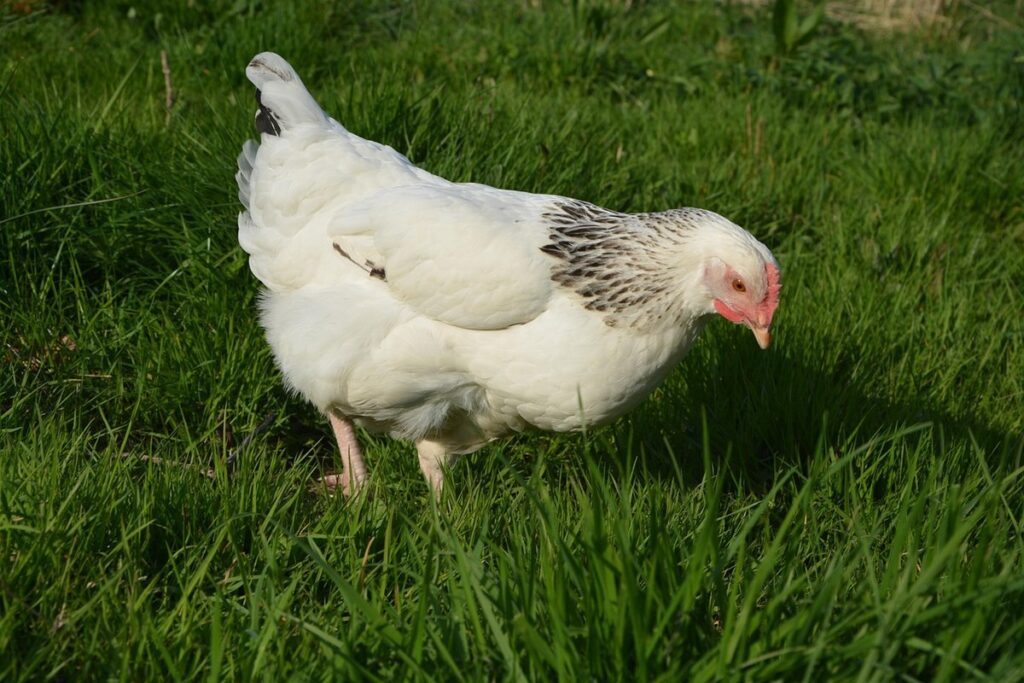
Understanding Hen Pecking Behavior
Hen pecking behavior can be a complex and disturbing issue, but understanding its underlying causes is key to addressing it in your flock. Let’s explore the reasons behind this phenomenon together.
Definition and Prevalence of Hen Pecking
Hen pecking is a behavior where one chicken attacks and harasses another bird within the flock. It’s not just about aggression; there are underlying reasons behind this phenomenon. Poultry farmers often struggle to identify and address the root causes, which can be attributed to stress, dominance, boredom, or even social hierarchy issues.
In reality, hen pecking is more common than you’d think. According to a study published in the Journal of Applied Animal Welfare Science, approximately 10% of poultry farms experience severe cases of hen pecking. Another study found that about 30% of farms reported some level of aggressive behavior among their flock.
Chickens engage in this behavior for various reasons. Sometimes, it’s a matter of dominance, where a more assertive bird takes control of the group. In other cases, it may be due to stress caused by changes in environment or social dynamics. Boredom can also trigger hen pecking, especially if birds are not provided with adequate stimulation or exercise.
Practically speaking, farmers can take steps to minimize hen pecking by ensuring their flock’s physical and emotional needs are met. Providing a stimulating environment, implementing stress-reducing strategies, and maintaining social harmony within the group can all contribute to reducing aggressive behavior.
Causes of Hen Pecking: A Closer Look
Hen pecking is often viewed as a complex and multifaceted issue within flocks, with various factors contributing to its emergence. Stress is one of the primary causes of hen pecking, arising from a multitude of sources including changes in environment, lack of space, or conflicts over resources. Boredom can also play a significant role, particularly if hens are not provided with adequate mental and physical stimulation.
Dominance hierarchies within flocks can further exacerbate aggressive behavior among hens. This is often evident during feeding times when dominant birds may assert their authority by pecking at submissive flock members. Furthermore, inadequate nutrition or unbalanced diets have been linked to increased aggression in hens.
To mitigate these factors and prevent hen pecking from arising, it’s essential for flock owners to prioritize the welfare of their birds. This includes providing a stress-free environment with adequate space for exercise and socialization. Additionally, incorporating enrichment activities into daily routines can help stimulate the minds of hens and reduce boredom-driven aggression.
Warning Signs of Hen Pecking
Hen pecking can manifest in various forms, and it’s crucial to identify the early warning signs to prevent escalation. Feather pecking is a common initial sign, where hens focus on picking at their companions’ feathers, often around the neck or shoulders. This behavior can be caused by stress, boredom, or competition for resources.
Vent pecking is another alarming indicator, where hens attack each other’s vents (the area just below the tail). This can lead to severe injuries and infections if left unaddressed. Toe pecking, while less common, is also a warning sign that demands attention.
To recognize these behaviors, monitor your flock regularly for signs of stress or aggression. Look for hens displaying abnormal feather loss, wounds, or changes in behavior such as avoidance or aggression towards specific birds. If you notice any of these signs, take immediate corrective action by providing a balanced diet, enrichment activities, and adequate space to reduce stress and boredom.
By recognizing the early warning signs and taking swift action, you can prevent hen pecking from escalating into more severe problems, ensuring the well-being of your flock.
The Impact of Hen Pecking on Flock Health
When a flock is plagued by hen pecking, the effects can be far-reaching and devastating for the birds’ overall health. This section will explore the serious consequences of this behavior on your flock’s well-being.
Physical Injuries and Long-Term Consequences
When hens are subjected to hen pecking behavior, they can sustain serious physical injuries. These injuries can range from minor to severe and may include open wounds, feather loss, and even death. The constant stress of being pecked at can weaken the immune system, making it easier for infections to develop. A hen with a severely damaged wing or leg may struggle to access food, water, and shelter, leading to malnutrition and dehydration.
The long-term consequences of these injuries can be devastating. Hens that have suffered from severe physical trauma may experience reduced egg production, as their bodies redirect energy towards healing rather than laying eggs. Furthermore, the stress caused by hen pecking can lead to increased stress levels in the affected hens, making them more susceptible to disease and behavioral problems.
In some cases, the injuries sustained from hen pecking can be fatal. It’s essential for flock owners to recognize the signs of hen pecking behavior and take immediate action to prevent further injury. By monitoring their flock closely and implementing strategies to reduce stress and promote a peaceful environment, owners can help prevent these tragic outcomes.
Financial Burden of Hen Pecking
Hen pecking can have a significant financial impact on your flock’s health and productivity. The costs associated with this behavior can add up quickly if left unchecked. One of the primary concerns is veterinary care, which may be required to treat injured birds or those with stress-related health issues. The cost of veterinary visits, medications, and potentially even surgeries can be substantial.
In severe cases, hen pecking may lead to the loss of birds that are either injured beyond recovery or succumb to related health problems. Replacing these birds can also incur significant expenses, including the cost of purchasing new stock, acclimating them to their new environment, and integrating them into the flock. Lost productivity is another critical concern, as hen pecking can lead to reduced egg production, compromised reproductive health in breeding flocks, or even forced culling.
To mitigate these costs, it’s essential to implement strategies that address the underlying causes of hen pecking, such as providing a safe and stress-free environment for your flock. This may involve enriching their living space with natural light, foraging opportunities, and adequate space to exercise. By taking proactive steps to manage this behavior, you can minimize the financial burden associated with hen pecking and maintain a healthier, more productive flock.
Strategies for Preventing Hen Pecking-Related Injuries
Preventing hen pecking-related injuries is crucial to maintaining a healthy and thriving flock. One of the most effective ways to prevent these incidents is by providing adequate space for your hens to roam and engage in natural behaviors. A good rule of thumb is to provide at least 2-4 square feet per bird, depending on breed and age.
In addition to space, enrichments such as foraging toys, scratching posts, and climbing structures can help keep hens stimulated and engaged. These activities not only reduce stress but also promote physical exercise and mental well-being. For example, adding a simple foraging toy filled with treats can encourage hens to explore and peck at the surface, reducing the likelihood of targeting other birds.
Monitoring your flock’s behavior is also essential in identifying potential issues before they escalate into pecking-related injuries. Keep an eye out for signs of stress or boredom, such as excessive feather pecking or pacing. Addressing these underlying causes can prevent hen pecking from occurring in the first place.
Managing Flocks Affected by Hen Pecking
If you’re dealing with a hen-pecked flock, it’s essential to identify and address the underlying causes of this behavior to prevent further stress and injury to your birds. In this next section, we’ll explore effective strategies for managing affected flocks.
Identifying and Isolating Aggressive Hens
Identifying aggressive hens within a flock can be challenging, but it’s crucial to prevent further harm and promote a harmonious coop environment. Start by monitoring the behavior of all hens closely, looking for signs of aggression such as pecking at other birds’ feathers or attacking them. Keep an eye out for dominant birds that consistently pick on others.
Once you’ve identified potential aggressive hens, it’s essential to isolate them from the rest of the flock to prevent further harm. This can be achieved by separating them into a single compartment within the coop or creating a separate enclosure. Ensure they have access to food, water, and other necessities while keeping them away from the main flock.
Regular monitoring is key; adjust your management strategies accordingly if you notice changes in their behavior or if aggressive incidents persist. Consider introducing enrichment activities to keep them occupied and reduce stress levels. A well-monitored coop will help prevent hen pecking and create a healthier environment for all birds.
Interventions for Severely Affected Birds
When managing severely affected birds due to hen pecking, it’s essential to consider interventions that address both physical and psychological needs. Veterinary treatment is often a crucial step in alleviating pain and reducing the risk of infection. In cases where chronic stress or anxiety has led to persistent pecking behavior, behavioral modification programs can be implemented.
These programs typically involve gradual exposure to stressful stimuli, desensitization techniques, and positive reinforcement training. The goal is to help birds develop coping mechanisms and reduce their reliance on pecking as a stress response. In extreme cases where the bird’s quality of life is severely compromised, culling may become necessary.
A holistic approach requires integrating these interventions with environmental modifications that promote a safe and peaceful living environment. This includes providing adequate space, enrichments, and reducing flock dynamics that may be contributing to pecking behavior. By addressing both physical and psychological needs, it’s possible to improve the well-being of severely affected birds and create a healthier, more stable flock.
Creating a Hen-Friendly Environment
When creating a hen-friendly environment, it’s essential to consider the needs and personalities of each bird, from nesting boxes to foraging areas, to prevent aggression. Let’s explore some practical tips for setting up a harmonious coop.
Providing Adequate Space and Enrichments
Providing adequate space and enrichments is crucial to reducing stress and aggression among hens. In a flock of chickens, even the most well-intentioned birds can become stressed and anxious if their needs aren’t met. A common mistake many backyard chicken keepers make is overcrowding their coops, leading to increased competition for resources and a higher likelihood of hen pecking.
To combat this issue, consider allocating at least 4-5 square feet per bird inside the coop, with an additional 8-10 square feet in the run. This will give each hen ample space to move around without feeling confined. Additionally, provide your flock with plenty of activities to keep them occupied and stimulated throughout the day.
Some excellent enrichments include scratching posts, foraging toys, or climbing structures. For example, hanging a wooden dowel from the ceiling will allow hens to scratch and exercise their feet. You can also create a foraging station using cardboard boxes filled with treats like sunflower seeds or oats. This will challenge your birds’ problem-solving skills and provide entertainment for hours on end.
Reducing Stress and Boredom
When it comes to preventing hen pecking in flocks, creating a dynamic and engaging environment for your hens is crucial. A stressed or bored hen is more likely to engage in aggressive behavior towards her flock mates. To combat this, make regular changes to their environment one of your top priorities.
Start by rotating the feed and water sources every few days. Hens can become accustomed to certain types of food and drink, leading to boredom if the same old offerings are presented day in and day out. Mixing things up with fresh hay, new fruits or vegetables, or different water fountains will stimulate their curiosity and encourage exploration.
Access to outdoor areas is also essential for hens. Even a small, enclosed run can provide hours of entertainment and exercise. If possible, consider giving your flock access to a securely fenced garden or yard where they can forage freely. This will not only reduce stress but also help to keep them active and engaged throughout the day.
Remember, every hen is different, so be sure to observe your flock’s preferences and adjust their environment accordingly.
Best Practices for Preventing Hen Pecking
When dealing with a hen pecked bird, it’s essential to understand that prevention is often the most effective approach. By following our best practices, you can minimize the risk of your flock turning on each other.
Breed Selection and Genetics
When selecting breeds for your flock, it’s essential to consider their predisposition to hen pecking. Some breeds are naturally more prone to this behavior due to their temperament and physical characteristics.
For instance, birds with high energy levels or those bred specifically for egg-laying may be more likely to engage in aggressive behaviors like pecking. On the other hand, calm and docile breeds tend to exhibit fewer instances of hen pecking. Research has shown that certain breeds, such as Leghorns and Rhode Island Reds, are more susceptible to this behavior than others.
Understanding your flock’s breed characteristics can help you take proactive measures in reducing the incidence of hen pecking. If you’re introducing a new breed to your existing flock, it’s crucial to monitor their behavior closely for any signs of aggression or stress. By choosing breeds that are naturally more docile and incorporating strategies to minimize stress, you can significantly reduce the likelihood of hen pecking in your flock.
Consider selecting breeds with inherent traits such as:
• Docility: Breeds like Orpingtons and Plymouth Rocks are known for their calm temperament.
• Lower energy levels: Birds with lower energy needs tend to be less aggressive.
• Size: Larger birds may be less likely to engage in pecking behaviors due to their size and strength.
By making informed breed selections, you can create a more harmonious flock environment.
Management Strategies for High-Risk Flocks
Managing high-risk flocks requires a combination of increased supervision, monitoring of behavior, and targeted interventions to address specific issues. Start by identifying your flock’s unique risk factors, such as age, breed, and social dynamics. This will help you tailor your management strategies to the flock’s specific needs.
For example, if you have a flock with a history of aggression towards each other, it may be necessary to implement additional measures such as separating aggressive birds or providing them with their own enclosures. Regular monitoring of behavior is crucial in identifying early warning signs of stress and anxiety that can lead to hen pecking.
Increased supervision is also vital in high-risk flocks, including daily observations and records of bird behavior. This will enable you to identify patterns and anomalies quickly, allowing for prompt intervention when necessary. Don’t be afraid to adapt your strategies as the flock’s dynamics change over time – flexibility and adaptability are key components of effective hen pecking prevention management.
Conclusion: Breaking the Cycle of Hen Pecking
Now that we’ve explored the complexities of hen pecking, let’s examine ways to break the cycle and create a harmonious flock environment. We’ll discuss actionable steps for change.
Recap of Key Takeaways
As we conclude our exploration into the phenomenon of hen pecking in flocks, it’s essential to distill the main points discussed throughout this article. By addressing these key takeaways, you’ll be better equipped to prevent physical injuries and maintain a healthy, productive flock.
One of the most critical takeaways is that hen pecking is often a symptom of underlying issues within the flock. This can include factors such as nutritional deficiencies, poor housing conditions, or inadequate social structure. For example, research has shown that hens in free-range systems experience less aggressive behavior compared to those in battery cages.
To proactively address hen pecking, it’s crucial to identify and rectify these underlying issues. Start by providing your flock with a balanced diet rich in essential nutrients. Also, ensure their living quarters are spacious enough to accommodate the birds’ natural behavior. A ratio of at least 3-4 square feet per bird is recommended.
Another critical aspect is creating a harmonious social structure within the flock. This can be achieved through introducing new hens gradually and under close supervision. Avoid mixing birds from different backgrounds or ages, as this can lead to aggressive behavior. By establishing a stable hierarchy, you’ll reduce the likelihood of hen pecking occurring.
Regular monitoring and observation are also essential in identifying early warning signs of hen pecking. Keep an eye out for hens that appear stressed, fearful, or submissive to others. Intervene promptly by separating the birds and addressing any underlying causes.
By implementing these strategies, you’ll be better equipped to prevent the cycle of hen pecking from continuing within your flock. Remember, a proactive approach is key in maintaining a healthy, productive flock where every bird thrives.
Frequently Asked Questions
Can I prevent hen pecking by introducing new birds to the flock gradually?
Yes, gradual introduction can help minimize stress and aggression among your chickens. Start by keeping new birds separate from the main flock for a few weeks before integrating them. Monitor behavior closely during this period and provide extra enrichment activities to distract from any potential conflicts.
What are some common signs that my hen pecking behavior is related to dominance issues?
Dominance-related hen pecking often involves aggression towards specific individuals or breeds, particularly if they’re perceived as threats or competition for resources. Look out for consistent patterns of targeting certain birds and observe body language cues like feather plucking, aggressive posturing, or loud vocalizations.
Can any breed of chicken be prone to hen pecking?
While some breeds are more susceptible due to their genetic predispositions (e.g., Leghorns), it’s essential to note that hen pecking can occur in any flock regardless of breed. Factors like management practices, nutrition, and environmental conditions play a significant role in exacerbating or preventing this behavior.
How do I identify and isolate aggressive hens without causing further stress?
Identifying the primary aggressor often requires observing your birds’ behavior over time. Once you’ve identified the hen responsible for most of the pecking, separate her from the rest of the flock immediately to prevent continued harm. Ensure she has adequate space and enrichment to reduce frustration.
Can I use environmental changes alone to manage hen pecking behavior?
While modifying environments can help alleviate some stressors contributing to hen pecking (e.g., adding more perches or hiding places), addressing this complex issue typically requires a multi-faceted approach combining environment modifications with other strategies, such as adjusting social dynamics and implementing preventative measures like regular flock rotations.