
As a poultry farmer, you understand the importance of maintaining a healthy flock to ensure a successful and profitable operation. However, disease outbreaks can be devastating, resulting in significant economic losses and even farm closures. One effective way to safeguard your birds from disease is through quarantine flock biosecurity measures. This crucial aspect of poultry management involves implementing protocols that prevent the introduction and spread of diseases on your farm. In this article, we’ll delve into the essential practices for staff training, equipment disinfection, and record-keeping best practices that will help you establish a robust quarantine flock biosecurity system. By following these guidelines, you can minimize the risk of disease transmission and protect your poultry from harm.
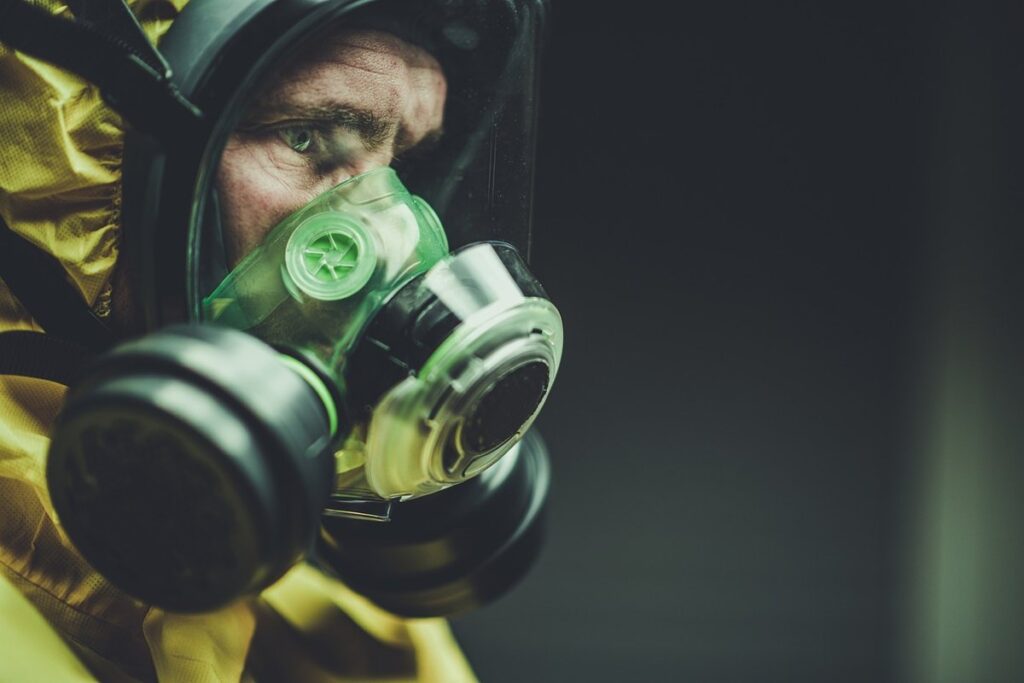
Understanding the Risks of Quarantine Flock Biosecurity
Quarantine flock biosecurity is not just a precaution, but an essential measure to protect your birds from devastating diseases that can spread rapidly through flocks. In this section, we’ll explore the risks and consequences of inadequate quarantine measures.
What is Quarantine Flock Biosecurity?
Quarantine flock biosecurity refers to the set of practices and protocols implemented to prevent disease transmission into a poultry operation. It’s a critical aspect of maintaining bird health and ensuring the sustainability of your farm. When new birds are introduced to an existing flock, there’s always a risk of introducing diseases that could devastate your entire operation.
Effective quarantine flock biosecurity measures include isolating new birds from the rest of the flock for a minimum period, usually 30 days, during which they’re monitored closely for any signs of illness. This isolation period allows for early detection and intervention in case a disease outbreak occurs. It’s also essential to establish strict entry and exit protocols, including sanitizing equipment, clothing, and vehicles that come into contact with the new birds.
By prioritizing quarantine flock biosecurity, you can significantly reduce the risk of disease transmission and protect your birds from illness. This is achieved by creating a buffer zone between new introductions and existing flocks, thereby minimizing the likelihood of contamination.
Recognizing High-Risk Situations for Quarantine Flock Biosecurity
When you introduce new birds to your quarantine flock, it’s essential to maintain increased vigilance in maintaining biosecurity. This is because new additions can bring unfamiliar health risks and stressors that may compromise the overall well-being of the entire flock. Always isolate new arrivals for a minimum of 30 days before integrating them into the main flock, and ensure they receive regular veterinary check-ups.
Similarly, changes in environmental conditions such as extreme temperatures, humidity levels, or weather events can also pose significant biosecurity risks. For example, severe heat stress may weaken the birds’ immune systems, making them more susceptible to disease. In cases like these, increase monitoring and take proactive measures to mitigate potential issues.
Other high-risk situations include natural disasters, equipment malfunctions, or pest infestations that can compromise the integrity of your quarantine flock’s living conditions. Always have a contingency plan in place to address such emergencies and ensure the continued health and safety of your birds.
Planning and Preparation for Effective Quarantine Flock Biosecurity
Before you bring new birds into your flock, it’s crucial to plan and prepare a quarantine area that minimizes disease risk. This section will walk you through setting up a safe and effective quarantine space.
Establishing a Quarantine Area
When establishing a quarantine area for your birds, it’s essential to create a designated space that prioritizes their health and well-being. This involves considering the physical characteristics of the area, including sufficient space, proper ventilation, and meticulous cleanliness.
Firstly, ensure the quarantine area is large enough to accommodate all quarantined birds comfortably without overcrowding. A general rule of thumb is to provide at least 2-3 square feet of floor space per bird. This not only reduces stress but also facilitates easier monitoring and handling.
Adequate ventilation is also crucial in maintaining a healthy environment. Install windows or doors that can be opened for cross-ventilation, allowing fresh air to circulate while removing stagnant air. Avoid areas prone to drafts, as this may cause discomfort and potentially increase the risk of disease transmission.
Maintain exceptional cleanliness within the quarantine area by disinfecting all surfaces regularly using a solution recommended by your veterinarian. Remove any waste immediately, and ensure easy cleaning access for equipment and feeders.
Training Staff on Quarantine Flock Biosecurity Protocols
Training staff on quarantine flock biosecurity protocols is an essential step in maintaining a safe and healthy environment for your birds. When it comes to protecting your flock from disease, proper training of personnel is crucial. This includes teaching staff the correct procedures for handling birds, cleaning equipment, and monitoring bird health.
Handling birds requires care and attention to detail. Staff should be trained on how to properly restrain birds without causing them stress or injury. They must also learn about sanitation protocols, such as washing hands thoroughly before and after handling birds, using disinfectant regularly, and cleaning equipment with soap and water. Monitoring bird health involves observing for signs of illness or disease, keeping accurate records, and reporting any concerns to management.
To ensure staff are well-trained, you should provide regular workshops or training sessions that cover quarantine flock biosecurity protocols in-depth. This may include role-playing exercises to practice handling birds safely, watching videos on proper cleaning techniques, and discussing common bird diseases and how to prevent them.
Implementing Quarantine Flock Biosecurity Measures
Now that you’ve assessed your quarantine flock’s risk factors, it’s time to implement these measures to safeguard your birds’ health and prevent disease outbreaks. We’ll walk through the essential protocols for a successful quarantine.
Biosecurity Checkpoints: Preventing Disease Introduction
To effectively prevent disease introduction through human contact, it’s essential to establish robust biosecurity checkpoints throughout your operation. This starts with disinfecting boots and equipment before entering the quarantine area. A simple yet effective method is to provide boot baths or foot dips at entry points, utilizing a solution of 1% iodine or a recommended alternative.
Personal protective equipment (PPE) is another critical component in minimizing disease transmission. Ensure that all personnel wear masks, gloves, and eye protection when interacting with birds or handling equipment within the quarantine area. Regularly inspect PPE for damage or contamination to prevent compromised integrity.
Visitor access should also be strictly controlled to prevent unauthorized entry. Implement a sign-in process, issue visitor badges, and require them to don PPE before entering the quarantine zone. Educate visitors on biosecurity protocols and ensure they adhere to these guidelines during their stay.
By implementing these checkpoints, you can significantly reduce the risk of disease introduction through human contact.
Monitoring Bird Health and Reporting Symptoms Early
Regular health checks are crucial for quarantined birds to prevent the spread of disease and detect potential issues early. These checks should be performed daily by a trained individual familiar with bird behavior and signs of illness.
When conducting health checks, look for symptoms such as lethargy, labored breathing, discharge from the eyes or nostrils, and changes in droppings or appetite. Keep a record of any observed issues, including dates, times, and descriptions of the symptoms.
It’s essential to report any concerns immediately to your quarantine team or veterinarian. In the event of an outbreak, implement protocols for managing the situation, such as isolating affected birds, disinfecting equipment and enclosures, and consulting with a veterinarian for guidance on treatment and control measures.
For example, if you notice a bird showing signs of respiratory distress, isolate it immediately and consult with your veterinarian. They may recommend antibiotics or other treatments to help manage the outbreak. Remember, early detection and reporting are critical in preventing the spread of disease within your quarantine flock.
Managing the Flow of Materials in Quarantine Flock Biosecurity
When it comes to quarantine flock biosecurity, managing the flow of materials is crucial to preventing the introduction and spread of disease. Let’s explore some practical tips for controlling this critical aspect.
Handling and Disinfecting Equipment and Supplies
When handling and disinfecting equipment and supplies within the quarantine area, it’s essential to establish a clear protocol to prevent disease transmission. Start by labeling all equipment and supplies with their intended use and date of entry into the quarantine area. This helps ensure that nothing is inadvertently taken out of or brought back into the main flock.
Proper cleaning involves removing any visible debris, followed by rinsing with water to eliminate dirt and other contaminants. Disinfectants should be applied according to the manufacturer’s instructions, typically using a mixture of 1 part disinfectant to 10 parts water for surfaces not requiring immersion or steam cleaning. Be sure to follow the recommended contact time to allow the disinfectant to effectively kill pathogens.
Cleaning and disinfecting schedules should also consider high-touch areas like feeders, waters, and nesting boxes, which require more frequent attention. Consider implementing a color-coded system for equipment and supplies to differentiate between different levels of cleaning requirements or areas of use within the quarantine area.
Restricting Movement Within and Outside the Quarantine Area
Restricting movement within and outside the quarantine area is crucial to preventing disease transmission. To minimize this risk, establish clear guidelines for who can enter and exit the quarantine zone. This includes farm staff, veterinarians, and other essential personnel.
Designate specific entry and exit points with clear signage to prevent accidental or unauthorized access. Ensure that everyone entering the quarantine area undergoes proper decontamination procedures, including hand washing, disinfection of equipment, and changing into clean clothes.
Restrict movement between birds and areas within the quarantine zone by implementing physical barriers, such as netting or partitions, to separate different species or groups of birds. This will also help prevent cross-contamination of feed, water, and other materials.
Implement a system for tracking all movements in and out of the quarantine area, including personnel, equipment, and materials. Keep detailed records of these activities to facilitate contact tracing if an outbreak occurs.
Managing People and Vehicles in Quarantine Flock Biosecurity
When it comes to maintaining quarantine flock biosecurity, managing people and vehicles is a crucial aspect that can easily be overlooked. Ensuring these individuals follow strict protocols is essential for protecting your birds from disease.
Controlling Visitor Access to the Quarantine Area
Managing visitor access to the quarantine area is crucial to preventing disease transmission into your flock. To ensure this, you should establish strict protocols for screening visitors, requiring personal protective equipment (PPE), and limiting contact with birds.
When a visitor arrives at your farm, they must first undergo a thorough screening process. This includes asking about their recent travel history, exposure to other farms or animals, and any health concerns they may have. You can also use a symptom checklist to identify potential disease indicators. If the visitor is cleared for entry, provide them with proper PPE such as gloves, masks, and eye protection before allowing access to the quarantine area.
Limit contact between visitors and birds by providing alternative viewing areas or using observation windows. Ensure that all visitors understand the importance of maintaining a safe distance from the birds to prevent disease transmission. By implementing these measures, you can effectively control visitor access and protect your flock’s health.
Ensuring Vehicle Hygiene and Cleaning Protocols
Ensuring vehicle hygiene is crucial to preventing disease spread within and outside the quarantine flock area. Vehicles entering or leaving the quarantine zone pose a risk of contamination if not properly cleaned and disinfected. To mitigate this, develop a strict cleaning protocol that involves regular washing with soap and water, followed by disinfection using approved products.
For instance, vehicles can be washed using a high-pressure hose to remove dirt, manure, and debris. Then, apply a broad-spectrum disinfectant to all surfaces, including wheels, tires, and equipment. Allow the disinfectant to sit for the recommended time before rinsing off with clean water.
It’s also essential to maintain records of cleaning and disinfection procedures, including dates, times, and products used. Train staff on proper vehicle hygiene practices, ensuring they understand the importance of following these protocols to prevent disease transmission.
Additionally, designate a specific area for vehicles to park while being cleaned and disinfected, minimizing contact with other areas or birds in the flock. By implementing a thorough cleaning and disinfection protocol, you can significantly reduce the risk of disease spread associated with vehicle movement within the quarantine area.
Maintaining Records for Quarantine Flock Biosecurity
Accurate record-keeping is essential when implementing quarantine flock biosecurity measures, ensuring you can track and respond to any potential issues that may arise. This section will guide you through what records to maintain.
Record-Keeping Requirements and Best Practices
Accurate record-keeping is crucial for maintaining quarantine flock biosecurity. It allows you to track every movement and interaction within the quarantine area, enabling swift identification of potential disease sources if an outbreak occurs.
You should keep detailed records of all birds entering or leaving the quarantine facility, including their health status, vaccination history, and any relevant medical treatments. This information is essential for tracing the origin of a potential disease outbreak and taking corrective action to prevent further spread.
Records should be updated at least daily, but ideally more frequently if there are significant changes within the flock. For example, if a new bird is introduced or an existing one shows signs of illness, records should be updated immediately.
Only authorized personnel should have access to these records, including yourself and possibly your veterinarian. This ensures that sensitive information remains confidential while still being available for critical decision-making in case of an emergency.
Using Technology to Enhance Quarantine Flock Biosecurity Monitoring
In today’s digital age, technology offers numerous tools to support the monitoring and recording of quarantine flock biosecurity activities. One effective way to enhance biosecurity is by utilizing software or apps specifically designed for tracking cleaning schedules or bird health.
For instance, a mobile app can help monitor temperature fluctuations in brooder houses, ensuring that chicks stay within the optimal range for growth and development. Some apps also allow farmers to record and track medication administration, reducing the risk of medication errors.
To take your biosecurity monitoring to the next level, consider implementing digital tools that enable real-time tracking of important activities such as cleaning schedules, temperature checks, and bird health observations. This not only ensures accuracy but also saves time when it comes to reviewing records.
Some popular options include specialized software for farm management, which can integrate with existing systems or devices, providing a comprehensive view of your biosecurity protocols.
Frequently Asked Questions
How do I ensure continuity of quarantine flock biosecurity measures during staff absences or vacations?
Yes, ensuring continuity is crucial to maintaining a robust quarantine flock biosecurity system. Identify key personnel who can cover critical roles and responsibilities, such as equipment disinfection and record-keeping, in case of staff absences. Develop an emergency plan that includes procedures for handling unexpected situations, like staff calling out sick during peak production periods.
What are some common mistakes to avoid when implementing quarantine flock biosecurity measures?
A common mistake is underestimating the importance of proper record-keeping. Failing to maintain accurate and up-to-date records can lead to missed opportunities for early detection of disease outbreaks. Another error is neglecting regular equipment disinfection, allowing pathogens to spread undetected.
How often should I review and update my quarantine flock biosecurity protocols?
Review and update your protocols regularly (at least quarterly) to ensure they remain effective against emerging diseases and new challenges. This includes revisiting staff training procedures, reviewing record-keeping best practices, and adjusting protocols as necessary to reflect changing farm conditions or regulatory requirements.
Can I use technology to enhance quarantine flock biosecurity monitoring?
Yes, leveraging technology can significantly improve your ability to monitor and respond to potential disease outbreaks. Consider investing in digital solutions for tracking bird health, monitoring environmental factors, and automating record-keeping processes. These tools can help you identify anomalies early on, allowing for swift action to prevent the spread of diseases.
How do I balance visitor access with quarantine flock biosecurity requirements?
Restricting visitor access is essential during peak production periods or when dealing with a disease outbreak. Implement strict protocols for visitors, including mandatory cleaning and disinfection procedures before entering the quarantine area, and limit the number of personnel entering sensitive areas. Clearly communicate your policies to visitors and ensure they understand their role in maintaining biosecurity.