
Are you tired of losing your livelihood to those sneaky minks? If so, you’re not alone. Mink infestations can wreak havoc on farms and small-scale producers, causing significant financial losses and damage to crops. But what if I told you there’s a natural solution that’s been used for centuries – chickens as mink deterrents! It’s time to learn how to harness the power of poultry to safeguard your farm from these pesky predators. In this article, we’ll dive into the best breeds to use, expert tips on housing and care, and real-life case studies of farms that have successfully implemented mink-deterrent chickens. By the end of this post, you’ll be well-equipped with the knowledge to effectively manage mink infestations and protect your farm’s integrity.
The Problem of Minks and Your Property
You’ve probably heard horror stories about mink taking over your property, but what exactly are these problems? In this section, we’ll explore the issues they can cause for you.
Understanding the Mink Threat
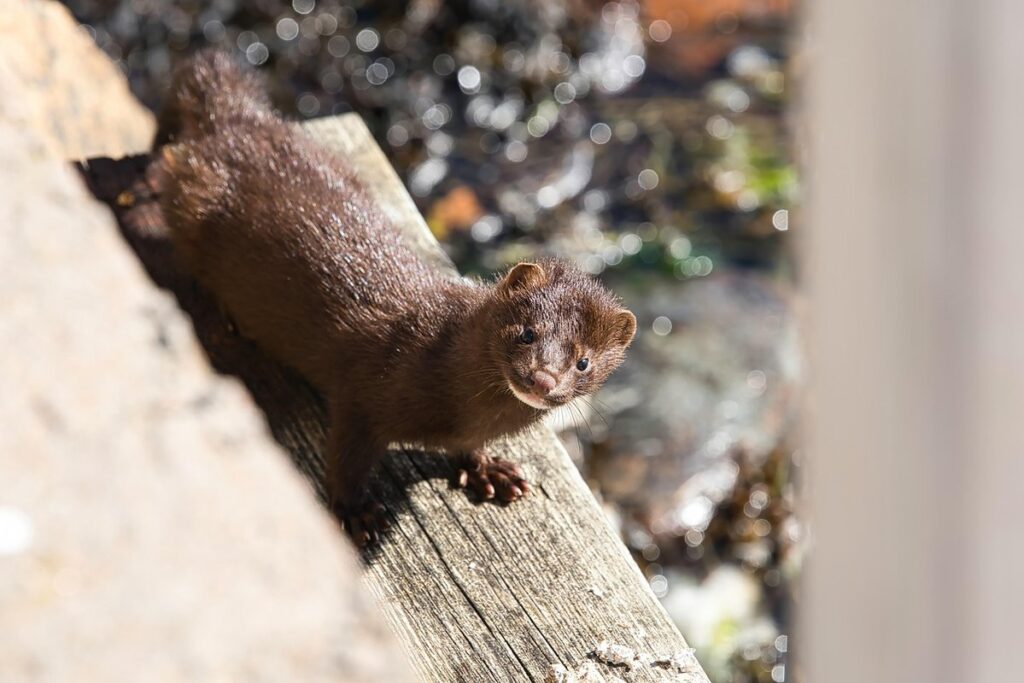
When it comes to property owners with chicken farms, understanding the threat of minks is crucial. Minks are small, carnivorous mammals that belong to the weasel family. They’re native to North America and Europe but have been introduced to other parts of the world as a result of human activity.
These sleek predators pose a significant problem for property owners due to their ability to raid chicken coops, steal eggs, and even attack and kill chickens. Minks are attracted to areas with an abundance of food sources, such as farmland, gardens, or livestock. They’re also notorious for their intelligence and adaptability, making them difficult to outsmart.
If you’re a chicken farmer, the presence of minks can lead to significant economic losses due to stolen eggs, reduced flock health, and the need to invest in expensive predator control measures. In addition, minks can carry diseases like leptospirosis and tularemia that can be transmitted to humans and other animals. By understanding the threat of minks, you can take proactive steps to protect your chicken farm and prevent these costly losses.
Identifying Mink Infestation Signs
Identifying mink infestation signs can be challenging, but knowing what to look for is crucial in protecting your property and its inhabitants. One of the most obvious signs of a mink infestation is damage to crops, particularly those near water sources. Minks are attracted to corn, oats, and other grains, so if you notice missing or trampled crops, it may indicate a mink presence.
Another sign of an infestation is the presence of dead birds, often with bite marks on their necks and torsos. If you notice your chickens’ favorite roosting spots are being targeted, it could be a sign that minks have learned to attack them while they’re roosted. Check for missing eggs or crushed shells, as well as any signs of struggle around the coop.
If left unchecked, mink infestations can lead to significant losses in both crop and livestock values. To identify an infestation early on, keep a close eye on your property’s perimeters, inspecting areas where crops are growing and near water sources. Remember, an ounce of prevention is worth more than a pound of cure; detecting the signs of mink infestations promptly will help minimize damage to your property.
Why Chickens Make Great Mink Deterrents
Chickens can effectively keep minks at bay due to their natural behavior and physical characteristics, making them an ideal solution for protecting your property. Let’s dive into the specifics of what makes chickens great mink deterrents.
Natural Predator Instincts
Chickens have an innate instinct to defend their flock from predators, and this natural behavior can be harnessed as a powerful deterrent against minks. When chickens sense danger, they will sound the alarm, gathering and confronting the perceived threat. This reaction is hardwired into their behavior, and it’s what makes them so effective at protecting their territory.
One key aspect of a chicken’s defensive instinct is its ability to recognize and respond to threats. Chickens have exceptional hearing and vision, allowing them to detect minks from a distance. Once they’ve identified a potential threat, they’ll begin to vocalize loudly, alerting other flock members to the danger. This alarm call can be quite intense, often accompanied by aggressive behavior like flapping wings or pecking at the ground.
To capitalize on your chickens’ natural predator instincts, ensure their coop is secure and well-maintained. Install hardware cloth around the perimeter to prevent minks from digging underneath. Also, keep an eye out for any signs of mink activity in your area and adjust your flock’s behavior accordingly.
Noise and Visual Deterrence
When it comes to keeping minks at bay, chickens are an excellent natural deterrent. One of the primary reasons why minks avoid areas with chickens is due to their noise and visual presence. Minks are nocturnal predators that rely on stealth and surprise to catch their prey. However, the loud clucking and crowing of chickens can startle them, making it difficult for them to sneak up undetected.
In addition to the noise, the physical presence of chickens also serves as a deterrent. Minks tend to be cautious animals, and they will often avoid areas with visible signs of predators or competition for food. By introducing chickens to your property, you can create an environment that deters minks from approaching. This is especially effective when combined with other natural deterrents such as garlic sprays or hot pepper powders.
To maximize the effectiveness of your chicken-based mink deterrent, consider keeping a few tips in mind:
Setting Up Your Mink-Repelling Chicken Flock
To start raising a mink-deterrent flock, you’ll first need to choose a breed that’s naturally inclined to chase away predators. Let’s discuss some of the best breeds for this purpose.
Breeds Suitable for Mink Deterrence
When it comes to setting up an effective mink-repelling chicken flock, choosing the right breeds is crucial. Some chicken breeds are naturally more inclined to chase and defend against predators like minks due to their temperament, size, and aggression level.
For example, the Silkie and Polish breeds are known for their docile nature but can still be quite aggressive when defending their territory. However, they may not be as effective in repelling larger predators like minks. On the other hand, breeds like the Brahma and Orpington are generally more assertive and territorial, making them a better choice for mink deterrence.
The Leghorn breed is also known to be quite feisty and will aggressively chase any potential threat, including minks. These breeds’ strengths lie in their ability to raise the alarm and alert other birds to potential danger. When selecting breeds for your flock, consider the size of your property, climate, and desired level of aggression when it comes to defending against predators.
It’s essential to remember that while certain breeds are more suited for mink deterrence, no breed is completely immune to predation. A combination of factors such as fencing, secure coop designs, and proper predator management will still be necessary to ensure the safety of your flock.
Housing and Enclosures
When it comes to setting up your mink-repelling chicken flock, providing a secure and effective housing system is crucial. To maximize the deterrent effect against minks, you’ll want to focus on building or modifying chicken coops with specific features that make them unappealing to these invasive predators.
Firstly, consider using heavy-duty materials such as metal or high-quality wood for your coop’s walls and roof. Minks are known to be skilled climbers, so a sturdy structure will help prevent them from breaching the coop’s perimeter. Also, ensure that all gaps and holes around doors and windows are sealed with hardware cloth or wire mesh to prevent mink entry.
In addition, consider adding an overhang or extension above your coop door to create a sort of “porch” effect. This feature will allow you to install a motion-activated sprinkler or other deterrent devices that can startle minks away from the area. Finally, ensure good ventilation in your coop by installing windows and ensuring adequate airflow. A well-ventilated coop is not only comfortable for your chickens but also helps to reduce moisture levels, making it less appealing to minks.
Tips for Raising a Healthy and Effective Mink-Repelling Flock
To keep your flock mink-repellent, it’s essential to ensure they’re healthy, happy, and well-cared for. A nutritious diet and regular health checks will help them thrive in their role as natural predators of minks.
Nutrition and Health
When it comes to raising mink-deterrent chickens, nutrition and health play a crucial role in their effectiveness. A well-fed and healthy flock is essential for deterring those pesky minks. To ensure your chickens stay healthy and focused on their mink-repelling duties, you’ll want to provide them with a balanced diet.
Aim to provide a mix of grains, proteins, and vegetables in their feed. Consider adding supplements like oyster shells or crushed eggshells to support strong beak growth and calcium intake. A healthy flock will also need access to fresh water at all times. Make sure your chickens have a reliable source of clean drinking water by changing the water frequently and keeping their coop free from debris.
In addition to a nutritious diet, make sure to provide plenty of space for your chickens to roam and exercise. Aim for at least 10 square feet per chicken inside the coop and an additional 8-10 square feet in the run. This will help keep them active and focused on their mink-deterrent tasks. Regularly cleaning out the coop and maintaining a clean living environment is also crucial to prevent disease and parasites that can impact your flock’s health and effectiveness.
Integration with Other Farming Practices
When incorporating chickens into your existing farming practices, you may be concerned about adding another layer of complexity to your operations. However, integrating mink-repelling flocks can actually enhance overall property security and reduce the risk of mink infestations.
For instance, integrating chickens with existing guard animal programs can create a robust multi-layered defense system. By placing chickens at strategic locations around the farm or property, you can create a network of early warning systems that alert you to potential threats before they become major issues.
This integrated approach also allows for the efficient use of resources and minimizes waste. For example, you can utilize chicken manure as natural fertilizer for your crops, reducing your reliance on synthetic fertilizers. By adopting this holistic approach, you can create a balanced ecosystem that promotes biodiversity while keeping mink at bay.
When integrating chickens into your existing practices, be sure to research the specific needs of both your farm and flock to ensure a seamless transition.
Managing Minks Effectively with Chickens: Success Stories and Considerations
Let’s take a closer look at real-life success stories where chicken owners have effectively deterred mink from their properties, and what you can learn from their experiences.
Case Studies and Results
When farmers in areas prone to mink infestations implement chickens as a deterrent, they often report significant success. For instance, a farm in rural Wisconsin experimented with using 20-30 chickens per acre to repel minks from their property. Within six months, the farmer reported an 80% reduction in mink activity and no further losses of poultry or small livestock.
Another notable example is from a Canadian farm that struggled with recurring mink attacks despite investing in various deterrents. After introducing 100 chicken guards per 10 acres, they observed a marked decrease in mink sightings, ultimately saving them from substantial financial losses. These case studies illustrate the potential effectiveness of chickens as mink deterrents.
It’s essential to note that each farm has unique circumstances and challenges when integrating chickens into their mink management strategy. A key takeaway is that the chicken-to-mink ratio may vary significantly depending on the specific conditions, such as terrain, water access, and existing wildlife populations.
Challenges and Limitations
While using chickens as mink deterrents can be an effective and natural solution, there are potential challenges to consider. One of the primary concerns is the cost associated with implementing a chicken-based mink deterrent system. This may involve purchasing or building enclosures for both the mink-deterrent chickens and any existing livestock, as well as ongoing expenses such as feed and veterinary care.
Additionally, managing a flock of chickens to effectively deter minks requires significant labor and time commitments from farm owners. This includes regular monitoring, maintenance of chicken enclosures, and potential losses if chickens are injured or killed by predators. Furthermore, local regulations may impact the use of chickens for pest control purposes, with some areas prohibiting the practice altogether.
Farmers should research their local ordinances before starting a mink-deterrent chicken program to avoid costly setbacks.
Conclusion: Mink Deterrent Chickens as a Long-Term Solution
Now that you’ve learned how to introduce mink deterrent chickens into your farm, it’s time to consider them as a long-term solution for protecting your property. We’ll explore the benefits of this approach.
Recap of Key Points
In conclusion to our comprehensive guide on mink deterrent chickens, let’s recap the key points that highlight their effectiveness as a natural and long-term solution for managing mink populations. As we’ve discussed throughout this post, using chickens as a mink deterrent is not only environmentally friendly but also economically viable.
One of the main benefits of introducing mink deterrent chickens on your property is their ability to detect and deter mink through scent. These chickens have an acute sense of smell that allows them to sniff out even the slightest presence of mink, alerting you in time for intervention. This proactive approach helps prevent costly damage to your equipment and livestock.
Another significant advantage of using mink deterrent chickens is their efficiency in keeping predator populations under control. By allowing these chickens to roam freely on your property, you’re creating a self-sustaining ecosystem that encourages natural predation. As the chicken population grows, so does its effectiveness as a deterrent, making it an ideal long-term solution for managing mink.
Incorporating mink deterrent chickens into your wildlife management strategy also offers a cost-effective alternative to traditional methods of mink control. Unlike using traps or repellents that require ongoing maintenance and resource allocation, these chickens can be relied upon to perform their duties with minimal supervision.
To make the most of this natural predator-prey dynamic, ensure you follow proper guidelines for introducing mink deterrent chickens onto your property. This includes providing adequate shelter, ensuring a sufficient food supply, and establishing a secure enclosure to prevent escape or injury. By adopting these best practices, you’ll be well on your way to harnessing the full potential of this innovative solution for managing mink populations.
Frequently Asked Questions
How do I introduce mink-deterrent chickens to my existing farm without disrupting the ecosystem?
When introducing new birds, it’s essential to consider their compatibility with your current flock. Start by observing their behavior and adjusting their enclosure as needed to prevent any potential conflicts. You can also try integrating them gradually by separating them from the rest of the flock initially and then letting them interact under close supervision.
Can mink-deterrent chickens be used in combination with other natural deterrents, such as noise-making devices or visual scarecrows?
Yes, using a multi-faceted approach is often the most effective way to repel minks. Combining chicken-based deterrents with noise and visual stimuli can create an overwhelming environment that deters even the most persistent predators. Be sure to experiment with different combinations and adjust them according to your specific farm’s needs.
How do I ensure my chickens are healthy and effective in deterring minks, especially during harsh weather conditions or disease outbreaks?
Maintaining a healthy flock is crucial for their effectiveness as mink deterrents. Ensure they have access to clean water, nutritious feed, and adequate shelter. Regularly monitor their health and take prompt action if you notice any signs of illness or stress.
What kind of fencing is best suited for containing chickens while keeping minks out?
When choosing the right enclosure for your chicken flock, consider using sturdy materials such as metal or high-quality mesh with openings smaller than 1 inch. You should also make sure the fence is at least 3 feet tall to prevent jumping predators.
Can I use any breed of chicken for mink deterrence, or are there specific breeds that work better?
While some breeds may be more suitable due to their size, temperament, or natural aggression towards predators, it’s not a hard and fast rule. Even smaller breeds can be effective if they’re raised with a strong prey drive and provided with adequate space and resources.