
Storing eggs properly can be a bit tricky, but don’t worry, we’ve got you covered. You see, eggs are one of those foods that require a delicate balance between refrigeration and preservation to maintain their freshness and safety. If not stored correctly, eggs can become contaminated with bacteria like Salmonella, which can cause serious health issues.
In this article, we’ll be sharing our expert guidelines on how to store eggs safely and keep them fresh for as long as possible. We’ll cover the best refrigeration methods, including temperature control and storage techniques that will ensure your eggs stay safe and edible. Whether you’re a busy homeowner or a small business owner managing a food establishment, this article is packed with practical tips and advice on how to maintain egg freshness and prevent spoilage. By following our simple guidelines, you’ll be able to keep your eggs fresh for weeks!
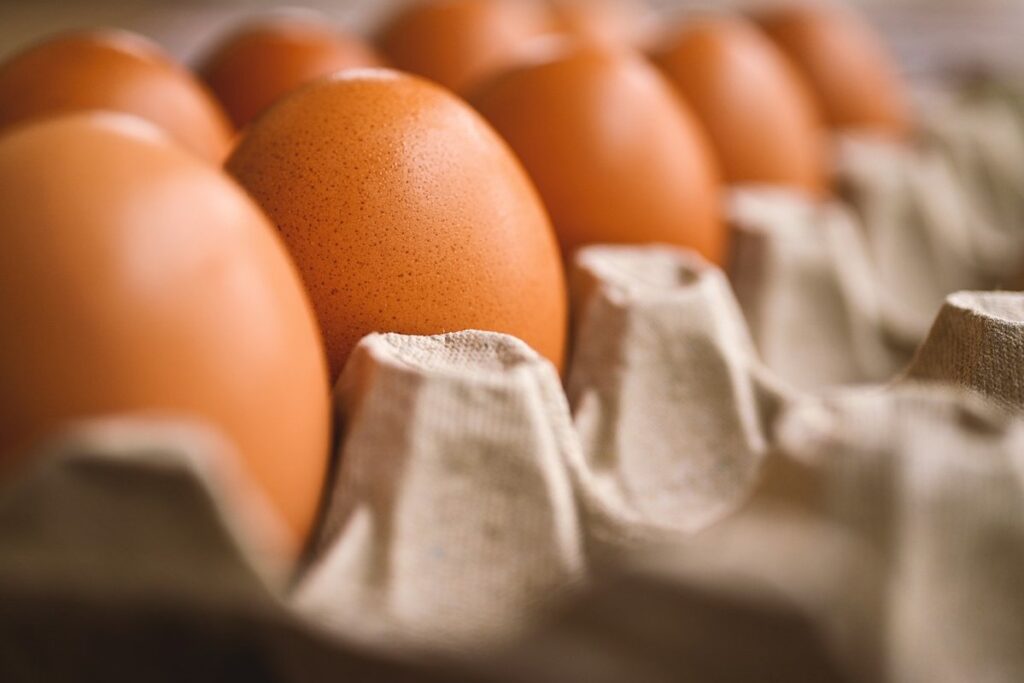
Understanding Egg Shelf Life and Safety
Understanding egg shelf life can be confusing, especially when it comes to expiration dates and storage guidelines that ensure your eggs remain safe to eat. Let’s break down what you need to know about egg safety.
The Role of Handling in Egg Shelf Life
When eggs are handled improperly, it can significantly impact their shelf life. The way eggs are transported and stored is crucial to maintaining their freshness. For instance, if eggs are exposed to extreme temperatures, physical damage, or humidity fluctuations during transportation, it can compromise their quality.
Proper handling of eggs also involves storing them in a cool, dry place with consistent temperature levels between 40°F and 45°F (4°C to 7°C). It’s essential to keep eggs away from direct sunlight and heat sources. Moreover, never stack heavy objects on top of the egg storage container as this can cause physical damage to the eggs.
When storing eggs at home, it’s a good practice to place them in their original carton or a cardboard box to prevent breakage. Make sure the carton is securely closed to maintain humidity levels and protect against dust accumulation. Regularly check the storage area for any signs of moisture or temperature changes that could affect egg freshness.
By following these simple guidelines, you can ensure your eggs remain fresh for an extended period and reduce the risk of contamination. Remember, proper handling and storage are critical factors in maintaining egg shelf life.
Recognizing Spoilage and Contamination
When it comes to storing eggs safely, recognizing spoilage and contamination is crucial to preventing foodborne illnesses. As an egg owner, you need to be aware of the common signs that indicate eggs have gone bad.
Cracks are one of the most obvious signs of spoilage. If you notice even a small crack on the shell, it’s best to err on the side of caution and discard the egg. Bacteria can enter through these cracks and contaminate the egg’s contents. Check your eggs regularly for any visible cracks or weaknesses in the shell.
Another sign of spoilage is an off smell or slimy texture. If an egg smells sour, unpleasantly sweet, or has a strong ammonia odor, it’s likely spoiled. Similarly, if the egg white or yolk appears cloudy, murky, or has an unusual texture, it’s best to discard it.
Regularly inspecting your eggs and checking for these signs of spoilage will help you store them safely and prevent any potential health risks. By being vigilant and proactive, you can enjoy fresh eggs while maintaining a safe storage environment.
Storing Eggs at Home: Best Practices
When storing eggs at home, it’s essential to maintain ideal conditions to ensure their quality and safety. This includes controlling the temperature and humidity levels in your refrigerator.
The ideal storage temperature for eggs is between 38°F (3°C) and 40°F (4°C). Most home refrigerators have a temperature control setting that can help you achieve this range. It’s essential to check your refrigerator’s temperature regularly, especially if it’s an older model or has been serviced recently.
Humidity levels also play a crucial role in egg storage. Eggs should be stored in a sealed container or covered with plastic wrap to maintain a humidity level of 70-80%. Avoid storing eggs near strong-smelling foods like fish or onions, as the odors can penetrate the eggs and affect their taste and quality.
Check on your eggs regularly for any visible signs of spoilage. If you notice any cracks, mold, or an off smell, it’s best to err on the side of caution and discard them. By following these guidelines, you can help extend the shelf life of your eggs and keep them safe to eat at home.
Choosing the Right Refrigeration Method
When it comes to storing eggs, selecting the right refrigeration method is crucial for maintaining their quality and safety. We’ll help you make an informed decision in this important section.
Using the Refrigerator’s Egg Tray or Carton
Using the egg tray or carton provided with most refrigerators is a convenient and effective way to store eggs. These trays are designed specifically for egg storage, ensuring that they remain organized, clean, and protected from other food items in the fridge.
One of the key benefits of using an egg tray or carton is that it allows for easy airflow around each egg, which helps to prevent moisture buildup and keep eggs fresh for a longer period. This is particularly important, as excess moisture can cause eggs to spoil quickly. By providing adequate ventilation, these trays help maintain the optimal storage conditions for eggs.
To get the most out of your refrigerator’s egg tray or carton, simply place it on one of the middle shelves in the fridge. Make sure the eggs are stored in a single layer, with their pointed ends facing upwards to prevent them from touching each other and causing damage. This will help keep your eggs fresh for up to 5 weeks after the “Sell By” date on the carton.
Storing Eggs in a Single Layer on a Shelf
When it comes to storing eggs in the refrigerator, maintaining their freshness and preventing breakage is crucial. One effective method to achieve this is by storing eggs flat on a shelf. This approach prevents eggs from rolling around and getting damaged.
To store eggs flat, start by selecting a shelf that’s not prone to moisture buildup. A dry, well-ventilated area in the refrigerator is ideal. Place a single layer of eggs on the shelf, with their pointed ends facing down. Make sure there are no other items stacked above or below them, as this can cause pressure and increase the risk of breakage.
By storing eggs flat, you’ll be able to monitor their freshness more easily. Since eggs stored in a single layer are less likely to be jostled around, they’ll retain their moisture better, leading to improved quality and longer shelf life. As an added benefit, this method also allows for easy identification of any broken or spoiled eggs.
When storing eggs flat, it’s essential to remember that the “first-in, first-out” rule still applies. This means older eggs should be used before newer ones to ensure optimal freshness and safety.
Freezing Eggs for Future Use
Freezing eggs for future use can be a convenient and stress-free option when it comes to egg storage. Before you start freezing, make sure to follow these steps:
First, separate the egg whites from the yolks if you plan on using them separately later. Then, crack each egg into a bowl or directly into an airtight container or freezer bag. If there’s any visible blood or pink color in the egg yolk, discard it immediately as it may be contaminated.
Next, carefully remove all air pockets from the container or bag by pressing out excess space before sealing. Label the package with the date and contents. Consider dividing the eggs into smaller portions (e.g., 1-2 eggs per container) for easier use in recipes later on.
When labeling, include the number of eggs, their type (whole, whites, yolks), and any relevant storage instructions. For example, if you’re freezing whole eggs, note that they can be stored for up to 12 months. Once frozen, remove them from the freezer and let thaw in the refrigerator or cold water when needed.
Remember to always check your frozen eggs before using them for cooking; if there’s any visible change in texture or smell, discard them immediately.
Maintaining Egg Quality Through Refrigeration
When it comes to storing eggs, proper refrigeration is crucial for maintaining their quality and safety. In this next part, we’ll cover how to keep your eggs fresh through optimal refrigeration techniques.
Setting the Right Refrigerator Temperature
When it comes to storing eggs in the refrigerator, maintaining the right temperature is crucial for preserving their quality. The ideal refrigerator temperature range for storing eggs is between 32°F (0°C) and 40°F (4°C). This narrow window allows eggs to stay fresh for a longer period while preventing bacterial growth.
Why is this specific temperature range so important? If your refrigerator is set too high, bacteria can multiply on the eggshells, contaminating the contents. Conversely, if it’s set too low, moisture can accumulate inside the carton, causing condensation and promoting bacterial growth. To ensure you’re within the ideal range, check your refrigerator’s temperature regularly using a thermometer.
A general rule of thumb is to store eggs in their original packaging or a covered container on one of the middle shelves. This keeps them away from strong-smelling foods that can easily transfer odors to the eggs. By setting the right temperature and storing eggs properly, you’ll be able to enjoy your eggs for several weeks while maintaining their quality and safety.
Humidity Control in the Refrigerator
Maintaining humidity control within the refrigerator is crucial to preserving egg quality. When eggs are exposed to high humidity, it can lead to moisture accumulation inside the egg, causing bacteria growth and reducing shelf life. On the other hand, extremely dry environments can cause egg whites to dehydrate, making them more susceptible to cracking.
To maintain a stable environment, ensure your refrigerator is set between 32°F (0°C) and 40°F (4°C). Also, check that the humidity level in your fridge is between 50% and 70%. You can purchase a hygrometer to monitor this. Store eggs in their original cartons, as these are designed to maintain humidity and prevent moisture exchange.
For optimal storage, place eggs in the refrigerator’s coldest section, usually at the bottom shelf. Avoid overcrowding the shelves, which can lead to temperature fluctuations and reduced air circulation. By controlling humidity levels within a stable temperature range, you’ll be able to enjoy fresher eggs for longer. Regularly check your fridge’s settings and adjust as necessary to maintain an ideal storage environment for your eggs.
Preventing Cross-Contamination in the Fridge
When storing eggs in the fridge, it’s essential to consider cross-contamination with other foods, particularly raw meat, poultry, and seafood. These high-risk foods can easily transfer bacteria like Salmonella to eggs, making them unsafe for consumption. To avoid this issue, keep raw meat, poultry, and seafood in a separate container or wrapped tightly to prevent juices from dripping onto the eggs.
Designate a specific shelf in your fridge for raw meat, poultry, and seafood, and store eggs on a higher or lower shelf, away from these potential contaminants. If you must store them near each other, ensure that any containers holding high-risk foods are covered and sealed securely.
Always wash your hands thoroughly before handling eggs, and make sure to clean any surfaces that come into contact with raw meat, poultry, seafood, or eggs. This simple practice can significantly reduce the risk of cross-contamination. By following these guidelines, you’ll be able to store eggs safely in the fridge and maintain their quality until consumption. Remember to check your eggs regularly for signs of spoilage, such as cracks or an off smell.
Understanding Regional and National Guidelines for Egg Storage
Knowing the specific guidelines for egg storage in your area is crucial, as regional and national regulations can vary significantly regarding refrigeration temperatures and handling. We’ll break down these essential differences below.
Variations Across Different Countries and States
When it comes to storing eggs safely, regional and national guidelines can vary significantly. For instance, some countries have strict temperature control measures for egg storage, while others may recommend more flexible approaches. In the United States, the FDA recommends keeping refrigerated eggs at a consistent 40°F (4°C) or below to prevent bacterial growth.
In contrast, European Union countries often require eggs to be stored at an even lower temperature of around 32°F (0°C). Some Asian countries, like Japan and South Korea, store eggs in the refrigerator at room temperature, between 50-60°F (10-15°C), as they consider this to be a safer approach. This highlights the importance of understanding local guidelines for egg storage.
If you’re unsure about the best way to store eggs in your region, it’s always best to consult with a trusted food safety expert or refer to the guidelines set by your country’s health department. Remember that proper temperature control is key to safe egg storage.
Adhering to Local Health Codes and Regulations
When storing eggs at home or in a commercial setting, it’s crucial to adhere to local health codes and regulations. These guidelines are put in place to ensure the safety and quality of eggs for consumers. Failure to comply can result in serious consequences, including fines and even business closure.
Local health departments often have specific requirements for egg storage facilities, including temperature control, sanitation practices, and pest management. For example, eggs must be stored at a consistent refrigerated temperature between 32°F (0°C) and 40°F (4°C). It’s also essential to maintain proper humidity levels to prevent moisture buildup.
To stay compliant with local regulations, research the specific requirements for your area and ensure you have necessary equipment and facilities in place. This may include investing in a reliable refrigeration system or implementing regular cleaning schedules. By prioritizing adherence to health codes and regulations, you can not only avoid potential issues but also provide consumers with safe and high-quality eggs.
Balancing Personal Preference with Official Guidelines
When it comes to egg storage and refrigeration, you may find yourself torn between following official guidelines and your personal preferences. While it’s essential to adhere to established rules for food safety, there’s no harm in incorporating your own habits to make the process more manageable.
Firstly, let’s consider what the USDA recommends: storing eggs in their original carton or container at a consistent refrigerated temperature of 40°F (4°C) or below. This guideline ensures that eggs are stored safely and remain fresh for an extended period. However, some people may find it inconvenient to store eggs in their original packaging due to space constraints.
To strike a balance between personal preference and official guidelines, consider using a dedicated egg container or crate with individual compartments. This allows you to store eggs at the recommended temperature while keeping them organized and easily accessible.
Tips for Long-Term Egg Storage and Preservation
To ensure your eggs remain safe to eat, follow these crucial tips for long-term storage and preservation, which will extend their shelf life significantly. Proper handling is key.
Using Vacuum Sealing or Dehydrating Methods
When it comes to long-term egg preservation, vacuum sealing and dehydrating are two alternative methods worth exploring. These techniques can help extend the shelf life of eggs beyond what’s possible with traditional refrigeration.
Vacuum sealing involves removing air from a container or bag filled with eggs, creating an environment that inhibits bacterial growth. This method can effectively preserve eggs for up to 12 months when stored at room temperature. However, it requires specialized equipment and proper technique to ensure the eggs are not damaged during the process.
Dehydrating, on the other hand, involves removing moisture from egg whites or yolks using a food dehydrator or by air-drying them. This method can preserve eggs for up to 2 years when stored in an airtight container. Dehydrated eggs are often used as a substitute for dried legumes and require rehydration before use.
Both methods have their advantages, but proper execution is crucial to ensure the quality of the preserved eggs remains intact. If you’re considering these alternatives, research the specific techniques and equipment required to avoid contamination or damage.
Storing Eggs in a Root Cellar or Cold Storage Room
When storing eggs in a root cellar or cold storage room, it’s essential to maintain a consistent temperature between 32°F (0°C) and 40°F (4°C). This range slows down the degradation process of egg quality.
Root cellars are ideal for this purpose due to their natural ability to regulate temperature and humidity levels. They can be designed with shelves or crates to hold eggs in a single layer, ensuring air circulation around each egg.
To optimize storage conditions in a root cellar:
* Store eggs in their original cartons or containers to maintain humidity and prevent moisture from entering the room.
* Ensure the storage area is dark to prevent light exposure, which can cause eggs to degrade faster.
* Avoid placing eggs near windows, doors, or heating vents as these areas tend to have varying temperatures and moisture levels.
In a cold storage room, similar precautions apply. Regularly inspect stored eggs for any signs of spoilage or damage to maintain the quality of your stored eggs.
Creating a Home Egg Preservation System
Creating a home egg preservation system is a great way to extend the shelf life of your eggs and ensure they remain safe to eat. To get started, you’ll need some basic equipment and supplies.
You’ll want to begin by investing in an airtight container or bucket with a lid, such as a food-grade plastic bucket or a glass jar with a tight-fitting lid. This will provide the necessary protection from air, moisture, and other contaminants that can cause eggs to spoil quickly. Next, you’ll need some desiccant packets or silica gel to control humidity levels within the container.
To preserve the eggs themselves, you can use either cold water or a liquid like vitamin E oil to submerge them in. Be sure to label each egg with the date it was preserved and store the container in a cool, dark place like a pantry or cupboard. By following these steps, you’ll be able to create a home egg preservation system that keeps your eggs fresh for months to come.
Some essential tips to keep in mind when creating your home system include: maintaining precise temperature control between 32°F and 40°F (0°C and 4°C), minimizing light exposure, and regularly checking the container’s humidity levels.
Frequently Asked Questions
How do I know if my eggs are already spoiled or contaminated?
When checking for spoilage, look for visible cracks, unusual odors, or slimy textures on the eggshells. If you notice any of these signs, it’s best to err on the side of caution and discard the eggs.
What should I do with eggs that have been left out at room temperature for too long?
If your eggs have been left unrefrigerated for more than 2 hours (1 hour in extreme temperatures), it’s recommended to refrigerate them as soon as possible. If you’re unsure whether they’ve become contaminated, it’s best to discard them.
Can I store eggs in a root cellar or cold storage room instead of the refrigerator?
Yes. Root cellars and cold storage rooms can provide an ideal environment for storing eggs, maintaining a consistent temperature between 40°F (4°C) and 50°F (10°C). Ensure good ventilation and keep the area clean to prevent contamination.
How often should I check on my stored eggs for signs of spoilage?
Regularly inspect your stored eggs every week or two for any visible signs of spoilage, such as cracks or unusual odors. This will help you catch any potential issues before they become major problems.
Can I store different types of eggs (e.g., duck or quail) in the same refrigerator container as chicken eggs?
No. It’s best to store different types of eggs separately to prevent cross-contamination and maintain optimal storage conditions for each type. This will ensure that all your stored eggs remain safe and fresh.