
If you’re a backyard chicken enthusiast or an aspiring breeder, identifying fertile eggs in your flock is crucial for successful breeding. But have you ever wondered how to tell if an egg is fertile? Understanding the signs of fertile eggs and the reproductive cycle of chickens can make all the difference in achieving breeding success. However, with so many factors at play, it’s easy to get confused about what to look for.
In this article, we’ll break down the key signs of fertile eggs in chickens, explain how their reproductive cycle works, and provide you with expert tips on collecting and storing fertile eggs for optimal results. Whether you’re a seasoned breeder or just starting out, our guide will give you a comprehensive understanding of what it takes to raise healthy, fertile chicks from your own egg-laying hens. By the end of this article, you’ll be equipped with the knowledge needed to take your breeding program to the next level.
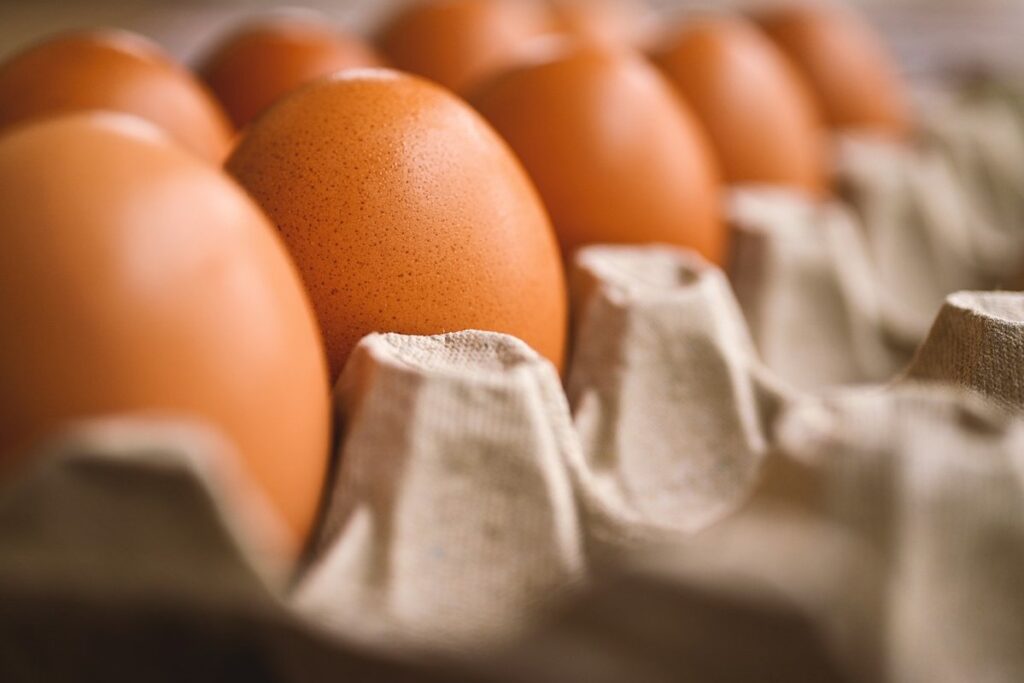
Understanding Fertility and Egg Production
When it comes to fertile egg signs, understanding fertility and egg production is crucial to identifying healthy eggs. Let’s dive into how chickens’ reproductive cycles work.
What Makes an Egg Fertile?
When it comes to egg fertility, several factors come into play. The breed of chicken is one crucial aspect, as certain breeds are naturally more fertile than others. For instance, Leghorns and Rhode Island Reds tend to produce more fertile eggs due to their robust reproductive health. On the other hand, some heritage breeds might struggle with fertility.
Another significant factor influencing egg fertility is the age of the hen. Most chickens reach peak fertility between 1-3 years of age, after which their reproductive capabilities begin to decline. Proper nutrition also plays a vital role in maintaining egg fertility. A well-balanced diet rich in essential nutrients like protein, calcium, and vitamins supports healthy ovum production and reduces the risk of infertility.
Maintaining optimal health is equally important for ensuring fertile eggs. Stress, disease, and parasite infestations can all negatively impact a hen’s reproductive system, resulting in reduced fertility or egg production altogether. Monitor your flock regularly to detect any potential issues early on, and ensure they receive regular vaccinations and preventative care.
Factors That Affect Fertility Rates
When it comes to fertility rates in chickens, several factors come into play. One crucial aspect is breed selection. Certain breeds, such as Leghorns and Rhode Island Reds, are known for their high fertility rates due to their genetic makeup. However, some breeds like Silkies and Polish are naturally less fertile.
Flock management also plays a significant role in influencing fertility rates. For instance, ensuring that your flock has adequate nutrition and water supply can significantly impact egg fertility. A balanced diet rich in vitamins and minerals is essential for maintaining healthy reproductive systems in chickens.
Environmental conditions such as temperature, humidity, and light exposure can also affect fertility rates. Extreme temperatures, especially heat stress, can negatively impact sperm quality and egg production. On the other hand, adequate lighting, particularly during the breeding season, can stimulate hormonal responses that promote fertility.
By considering these factors and making informed decisions about breed selection, flock management, and environmental conditions, you can optimize your chances of producing fertile eggs in your backyard or commercial setting.
Understanding the Reproductive Cycle of Chickens
Chickens’ reproductive cycle is a complex process that involves several key steps to produce fertile eggs. Let’s break it down to understand how fertilization occurs.
The ovary of the hen contains hundreds of yolks, which are released one at a time through a process called ovulation. The yolk then travels through the oviduct, where it picks up albumen (egg whites) and shell membranes before being surrounded by shell. Fertilization typically takes place in the infundibulum, the funnel-shaped part of the oviduct closest to the ovary.
During fertilization, a rooster’s sperm meets the yolk and combines with it to form a zygote. This process usually occurs within 24 hours after ovulation. If the egg is not fertilized during this time, it will be released as an unfertilized egg.
Understanding the reproductive cycle of chickens helps you recognize fertile eggs, which have several distinct characteristics, such as a more compact and darker yolk, or the presence of sperm residue on the shell’s surface.
Visual Cues for Identifying Fertile Eggs
When checking for fertile eggs, it’s essential to look out for visual cues that indicate their potential to hatch. These clues include subtle changes in color and texture.
Color and Texture Variations
When it comes to identifying fertile eggs based on color and texture variations, there are some distinct signs to look out for. One of the most noticeable changes is a shift from the usual white or brown shell color. Some breeds may exhibit a slight pinkish tint or even a reddish hue, especially if they’re a mixed breed.
In addition to changes in color, fertile eggs often have a more textured appearance than their infertile counterparts. Look for small brown spots or patches on the eggshell – these are usually an indication that the egg has been fertilized. In some cases, you might even notice a slight sheen or glossiness on the surface of the egg.
When examining the texture of fertile eggs, pay attention to any irregularities in the pattern of ridges or bumps on the shell. Fertile eggs often have more pronounced and varied patterns compared to infertile ones. By taking note of these subtle differences, you can increase your chances of collecting fertile eggs for hatching.
Keep in mind that some breeds are more prone to displaying these signs than others, so it’s essential to familiarize yourself with the characteristics of your flock. With practice and patience, you’ll become more skilled at identifying fertile eggs based on color and texture variations.
Shape and Size Changes
Fertile eggs often exhibit distinct shape and size differences compared to their infertile counterparts. One of the most noticeable changes is a slight increase in egg weight due to the presence of a developing embryo. Fertile eggs can be around 1-2 grams heavier, making them stand out from lighter, infertile eggs.
Another characteristic change is the curvature of the egg. Fertile eggs tend to have a more pronounced shape, with a slightly more rounded or pointed end depending on the breed and position of the embryo. This difference in curvature can be subtle, but it’s often noticeable when comparing fertile and infertile eggs from the same bird.
Keep in mind that these changes can vary across different breeds and individual birds, so it’s essential to get familiar with your flock’s egg-laying patterns and characteristics. Regularly collecting eggs and monitoring their appearance will help you develop a keen eye for identifying fertile eggs based on shape and size differences.
Other Visual Indicators
When examining an egg for fertility signs, it’s not just about looking at its shape and size. Other visual cues can also indicate whether an egg is fertile or not. One of these indicators is the air sac, which is located at one end of the egg. A larger air sac may suggest that the egg has been fertilized, as it will expand in size during incubation.
Another sign to look for is a change in the texture of the egg white, also known as the albumen. Fertile eggs often have thicker and more gel-like egg whites compared to infertile ones. This is because the sperm penetrates the egg membrane during fertilization, causing it to become more rigid and dense.
Keep an eye out for any visible defects in the shell or membrane of the egg. While not a definitive indicator of fertility, such cracks or imperfections can affect the egg’s ability to hatch successfully.
Behavioral Signs of Fertility
As you’re getting closer to collecting fertile eggs, it’s essential to learn how to spot the behavioral signs that indicate a hen is fertile. Let’s take a look at these subtle cues.
Rooster Presence and Behavior
The presence of a rooster can significantly impact egg fertility. If you’re keeping hens with a rooster, it’s essential to understand the signs that indicate he’s actively mating and contributing to fertile eggs.
When a rooster is present, he’ll often engage in courtship displays to attract hens for breeding purposes. These displays can be quite dramatic and involve strutting, crowing loudly, and spreading his tail feathers to show off his vibrant plumage. You might see the rooster chasing after hens, attempting to mount them, or gently nudging their backsides with his beak.
To confirm if your rooster is successfully mating, observe for several signs:
* The presence of a hard, dark yolk in the center of an egg, which indicates successful fertilization
* Increased egg production and fertility rates when the rooster is present
* Healthy and active hens, as they’re more likely to be breeding if the rooster is present
Keep in mind that not all mating rituals will result in fertile eggs. For instance, some roosters may engage in “dummy” mating where they attempt to mate with hens but don’t actually inseminate them.
Hen Behavior Changes
When it comes to identifying fertile eggs, observing changes in your hens’ behavior can be a valuable indicator. Hens that are laying fertile eggs may exhibit certain behaviors that differ from those not laying fertile eggs. For example, they might show increased nesting habits or start to vocalize more frequently.
One of the key signs is a hen’s tendency to nest more diligently, often preparing their nests with more care and attention than usual. This could be due to the hormonal changes associated with egg production. Additionally, hens laying fertile eggs may become more vocal, making louder noises when they feel others are watching or approaching their nesting area.
Pay attention to these subtle cues: a hen that suddenly becomes extremely particular about her nesting habits or starts making excessive clucking noises might be signaling that she’s producing fertile eggs. To confirm your suspicions, observe and record the behavior of all hens in your flock, taking note of any notable changes over time.
Other Environmental Factors
When it comes to fertility rates in chickens, there are several environmental factors at play beyond just physical characteristics. Stress levels, for instance, can significantly impact a hen’s ability to produce fertile eggs. Chronic stress can cause hormonal imbalances that affect ovulation and fertilization. This is why providing a calm and peaceful environment for your flock is crucial.
Another important factor is feed quality. A diet lacking essential nutrients can impair egg development and fertility. Ensure you’re offering a balanced and nutritious layer feed that meets the nutritional needs of your hens. Consult with a veterinarian or poultry expert to determine the best feed options for your flock.
Additionally, factors like temperature fluctuations, humidity levels, and air quality can also affect fertility rates. Make sure your coop is well-ventilated and maintained at a comfortable temperature range (around 60-70°F).
Collecting Fertile Eggs: Tips and Best Practices
Now that you know how to identify fertile eggs, it’s time to learn how to collect them safely and effectively to increase your chances of incubation success. We’ll walk through essential tips and best practices for collecting fertile eggs.
Egg Storage and Handling
When it comes to collecting fertile eggs, proper storage and handling are crucial to maintain fertility and prevent damage. To ensure you collect viable eggs that can be successfully incubated, handle them gently and store them in a way that preserves their natural environment.
Firstly, wash your hands before handling the eggs to prevent introducing bacteria or oils from your skin, which can compromise the egg’s integrity. Gently pick up each egg by its equator, avoiding contact with the pointed end where bacterial contamination is most likely to occur. Make sure to store the eggs in a carton or container specifically designed for this purpose, with the pointed ends down and the rounded ends up.
Maintain a consistent temperature between 55-60°F (13-15°C) during storage to slow down embryonic development. Avoid direct sunlight, drafts, and extreme temperatures, which can cause moisture accumulation and increase the risk of fungal growth. Consider storing eggs in a humidity-controlled environment or using desiccants to maintain optimal levels.
In terms of handling, minimize movement and jostling, as this can damage the egg’s delicate membranes. If you need to transport eggs, keep them upright and secure to prevent rolling or impact. By following these simple guidelines, you’ll be well on your way to collecting fertile eggs that are ready for incubation.
Breeding Goals and Selection Criteria
When it comes to breeding chickens, determining clear breeding goals is crucial for selecting for desirable traits. These goals should be based on specific criteria such as egg quality, hatchability rates, and chick health.
To determine the right breeding goals for your flock, start by assessing your current stock. Identify which traits you value most, whether it’s high egg production, disease resistance, or feather quality. Consider factors like climate, nutrition, and management practices that will impact your birds’ well-being.
When selecting eggs for incubation, prioritize those with strong, even shells and no visible cracks or damage. A good starting point is to look for eggs from hens known for their exceptional fertility rates – this can range anywhere from 50-90%. Consider working with a reputable breeder or purchasing fertile eggs from a trusted supplier.
For optimal hatchability rates, it’s essential to handle the eggs gently and minimize exposure to temperature fluctuations.
Records Keeping and Monitoring
Keeping accurate records of your fertile egg collection is crucial for several reasons. Firstly, it allows you to track the fertility rate of your hens over time, giving you a clear picture of their reproductive health. This information can help you make informed decisions about breeding and flock management.
To monitor fertility rates effectively, start by recording the number of eggs collected each day, along with any noticeable fertile egg signs such as dark brown spots or yellowish coloration around the air sac. You should also note down the age and breed of the hens laying these eggs, as this can impact fertility rates.
Over time, review your records to identify trends and patterns in fertility rates. This will enable you to adjust breeding strategies accordingly, ensuring that you’re making the most of your flock’s reproductive potential.
Common Myths and Misconceptions About Fertile Eggs
Let’s set the record straight: many myths surround fertile eggs, from their appearance to their viability, and it’s time to debunk some of these common misconceptions.
Separating Fact from Fiction
When it comes to fertile eggs, there are several common myths and misconceptions that can be misleading. One of the most prevalent concerns is about hen health: many people believe that hens producing fertile eggs must be stressed, unhealthy, or even sick. However, this isn’t necessarily true. A healthy hen can produce fertile eggs if she’s being bred to a rooster, has access to a nesting box, and is laying regularly.
Another myth surrounding fertile eggs concerns the eggshell quality: some people assume that fertile eggs will have thinner, more fragile shells or be more prone to cracking. But this isn’t the case either. Fertile eggs have the same structural integrity as non-fertile ones, and their shells are no weaker than those of infertile eggs.
It’s essential to separate fact from fiction when it comes to fertile eggs. By understanding what makes an egg fertile and what doesn’t, you can ensure that your hens are healthy and happy, while also collecting high-quality fertile eggs for breeding or other purposes.
Evidence-Based Information
When it comes to identifying fertile eggs, there are several myths that need to be debunked. One common myth is that fertile eggs must have a visible air pocket at the large end, also known as the “air cell” or “vent”. While an air pocket does indicate that the egg was laid recently and hasn’t been exposed to extreme temperatures, it doesn’t necessarily mean the egg is fertile.
Research has shown that the size of the air pocket can vary greatly between breeds and individuals, making it unreliable for determining fertility. In fact, a study published in the Journal of Applied Poultry Research found that only 40% of eggs with a large air pocket were actually fertile, while 30% of eggs without any visible air pocket were still viable.
To accurately assess fertility, chicken keepers should look for other signs such as a firm and even texture on the eggshell. A strong “candling” test can also provide more reliable results by shining light through the egg to detect the presence of an embryo. It’s essential to understand that no single indicator is foolproof, and multiple factors must be considered when determining fertility.
Conclusion: Nurturing Healthy Flocks Through Egg Fertility
Now that you’ve identified and collected fertile eggs, let’s discuss how to nurture healthy flocks through effective egg fertility management practices. This is crucial for long-term success as a backyard chicken keeper.
Recap of Key Takeaways
To effectively nurture healthy flocks through egg fertility, it’s essential to remember that fertile eggs are not only a vital aspect of breeding and hatching but also an opportunity to strengthen your flock. Key takeaways from our guide include understanding the physical characteristics of fertile eggs, such as texture and shape, and observing behavioral signs in chickens like nesting behavior and egg-laying frequency.
In addition, identifying sex-linked breeds can be a crucial step in collecting and fertilizing eggs, as these breeds will always hatch into males or females. It’s also worth noting that some chicken breeds are naturally more fertile than others, making research on specific breed characteristics important for your flock.
For those just starting out with egg fertility, remember to start small, prioritize record-keeping, and take note of environmental factors like light exposure and nutrition. By integrating these practices into your routine and paying attention to the subtleties of your chickens’ behavior, you’ll be well on your way to fostering a thriving flock. Regular monitoring will allow you to identify potential issues early and make necessary adjustments for maximum fertility.
Future Directions in Breeding and Management
As we conclude our exploration of fertile egg signs in chickens, it’s essential to consider future directions in breeding and management practices that prioritize egg fertility and hatchability rates. One promising approach is the use of precision livestock farming (PLF) techniques, which utilize data analytics and artificial intelligence to optimize breeding programs.
For instance, PLF can help identify genetic markers associated with high-quality eggs, enabling breeders to select for desirable traits. Additionally, advanced reproductive technologies such as embryo transfer and assisted reproduction may become more prevalent in the industry. These innovations hold great potential for improving hatch rates and reducing waste.
To stay ahead of the curve, poultry farmers and breeders can also explore collaborations with experts in genomics, nutrition, and environmental science to develop integrated management strategies that address the complex interplay between genetics, nutrition, and environment. By embracing these cutting-edge approaches, we may be able to significantly boost egg fertility rates and create healthier flocks.
Frequently Asked Questions
What are some common mistakes to avoid when collecting fertile eggs from my flock?
When collecting fertile eggs, it’s essential to avoid any stress or disturbance that may contaminate the eggs with bacteria. Make sure to collect eggs gently and clean them thoroughly before storing them in a cool, dry place. Also, be aware of potential predators like rodents, snakes, or raccoons that may damage your egg collection.
Can I use artificial lighting to stimulate egg fertility?
While proper lighting can encourage hens to lay more eggs, artificial lighting won’t directly increase egg fertility. To improve fertility rates, focus on maintaining a balanced diet, ensuring access to clean water, and reducing stress in your flock. Artificial lighting may be beneficial for overall egg production, but it’s not a substitute for natural reproductive health.
How often should I monitor my roosters’ behavior for signs of fertility?
Regularly observing your rooster’s behavior can give you valuable insights into the fertility of your hens. Check on them daily to see if they’re actively mating and exhibiting normal courtship behaviors. This will help you identify any potential issues with reproductive health or detect changes in fertility patterns.
What are some tips for storing fertile eggs for long periods?
When storing fertile eggs, keep them in a cool place (around 50-55°F) and away from direct sunlight. Make sure the storage container is clean and dry, and consider using a refractometer to check the egg’s moisture levels before storing. This will help you maintain optimal conditions for maintaining fertility during extended storage periods.
Can I use a single rooster with multiple hens, or should I have multiple roosters?
Using multiple roosters can actually reduce fertility rates due to increased competition and stress among males. It’s generally recommended to use one healthy, active rooster per 10-15 hens to minimize stress and promote optimal reproductive behavior in your flock.