
When it comes to setting up a nest box, many of us focus on the design and type of box, but often overlook one crucial aspect: its location. Placing your nest box in the right spot can make all the difference between a successful nesting season and an empty box.
The ideal location for a nest box should consider several factors, including sunlight exposure to regulate temperature and promote healthy growth, proximity to water sources to ensure easy access for birds, and avoidance of predation hotspots where hungry animals may lurk. Additionally, local climate conditions play a significant role in determining the perfect spot for your nest box.
In this article, we’ll explore how to choose the ideal location for your nest box, taking into account these key factors and more. By following our expert advice, you can create a welcoming environment that attracts birds and supports their success.
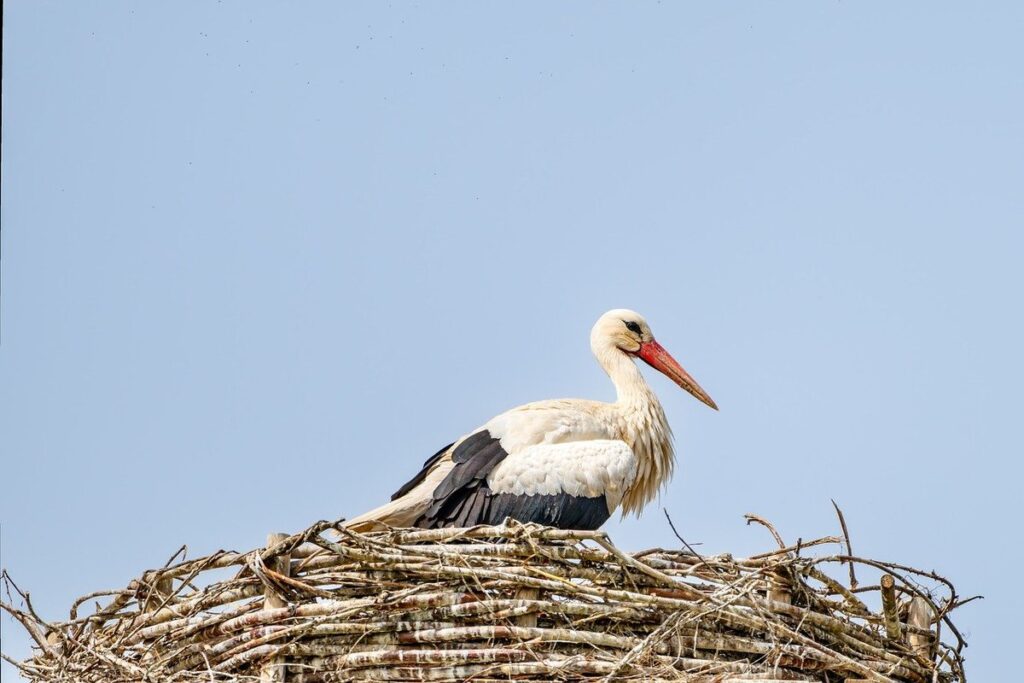
Choosing the Perfect Spot for Your Nest Box
When selecting a spot for your nest box, it’s essential to consider factors such as sunlight, wind direction, and proximity to predators. Let’s dive into the specifics of choosing the perfect location.
Considerations for Sunlight Exposure
When it comes to choosing the perfect spot for your nest box, one crucial factor to consider is sunlight exposure. As a bird enthusiast or conservationist, you want to ensure that the nest box provides optimal conditions for its occupants.
The direction of sunlight is essential, as birds often prefer east- or south-facing sites that receive gentle morning sunlight. Avoid placing the nest box in areas with direct midday sun, which can be too intense and potentially damaging to the birds. North-facing sites are generally better avoided altogether, as they tend to receive minimal sunlight.
Assessing a site’s sunlight potential is relatively straightforward. Observe the area at different times of day, taking note of the duration and intensity of sunlight. Also, consider the surrounding vegetation – trees or shrubs can provide valuable shade during peak sun hours. By choosing a spot with suitable sunlight exposure, you’ll help create a welcoming environment for your feathered friends to thrive in their new home. Remember, it’s not just about attracting birds; it’s also about providing them with a safe and healthy habitat.
Location Relative to Water Sources
When it comes to choosing the perfect spot for your nest box, the proximity to water sources is often overlooked but plays a crucial role in attracting and retaining bird species. Water not only provides drinking water but also serves as a vital resource for bathing and preening.
Having a nearby water source can be particularly beneficial for nesting birds. For instance, studies have shown that bluebirds are more likely to nest near birdbaths or small ponds, whereas woodpeckers tend to prefer nest boxes placed near larger water sources like streams or rivers. When selecting a location with a nearby water source, consider the distance and accessibility.
A general rule of thumb is to place the nest box within 10-15 feet of the water’s edge. This proximity allows birds to easily access water without feeling threatened by predators lurking in the surrounding area. Additionally, incorporate native vegetation around the water feature to create a welcoming environment for birds.
Avoiding Predation Hotspots
When choosing the perfect spot for your nest box, it’s essential to consider areas that may attract predators. Predation hotspots can significantly impact the success of your nesting project. These areas often provide a food source, shelter, or existing bird habitats that can draw unwanted attention from predators.
Food sources like nearby bird feeders, insect-rich plants, or berry bushes can make your nest box an attractive target for predators. Similarly, sheltered areas with dense vegetation or nearby tree cavities can offer them protection and concealment. Even existing bird habitats, such as nesting colonies or bird-friendly gardens, can draw unwanted visitors.
To minimize predation risks, consider the following: place your nest box at least 10-15 feet away from any food sources or sheltered areas; avoid installing nest boxes near existing bird nests or roosting sites; and choose a location with good visibility to allow for easy monitoring. By being mindful of these potential hotspots, you can create a safer environment for your nesting birds and increase the chances of successful breeding.
Considering Local Climate and Weather Conditions
When deciding on a nest box location, it’s essential to consider the local climate and weather conditions that will impact its use and survival. This includes understanding regional temperature fluctuations, precipitation patterns, and other environmental factors.
Temperature Extremes
When considering the location of a nest box, it’s essential to think about the potential impact of temperature extremes on its occupants. In regions with hot summers and cold winters, temperatures can fluctuate significantly, putting birds under stress.
During summer months, heat stress can be a significant issue for birds in nest boxes. To mitigate this, consider using materials that allow for good airflow, such as wooden or plastic nesting boxes with mesh panels. You can also provide shade for the box by placing it near a tree or under a roof overhang. In areas where extreme heat is common, installing a roofed or enclosed nest box can help protect birds from direct sunlight and heat gain.
In winter months, cold stress can be just as problematic. Birds often rely on insulation provided by their own body feathers and the nesting material within the box. To combat this, choose nesting materials like wood shavings or straw that provide good insulation, and consider adding a layer of extra insulation around the nest box.
Wind Exposure and Buffeting
Wind exposure can be a significant concern when it comes to nest box location. Strong winds can cause debris to accumulate around the nest box, which may lead to damage and reduce its effectiveness. In extreme cases, wind can even blow birds out of the nest, leaving them vulnerable to predators or harsh weather conditions.
To mitigate these risks, consider securing your nest boxes using sturdy materials such as wood or metal. Install a roof or canopy above the nest box to shield it from direct wind. You can also anchor the nest box to a nearby tree or structure to prevent it from being blown over.
When choosing a location for your nest box, keep an eye out for areas that are naturally protected from strong winds. These might include valleys, gullies, or other low-lying areas where wind speeds tend to be slower. By taking these precautions, you can help ensure the safety and success of the birds using your nest boxes.
Designing the Nest Box Environment
When it comes to attracting birds to your nest box, creating a welcoming environment is just as important as choosing the right location. In this section, we’ll explore how to design an inviting space for our feathered friends.
Nest Box Orientation and Placement
When it comes to nest box orientation and placement, it’s essential to consider the surrounding environment. The direction of prevailing winds and sun exposure can significantly impact nesting success. For example, if you live in an area with strong westerly or northwesterly winds, place the nest box with its entrance facing east or southeast to minimize wind buffeting.
Similarly, be mindful of sun exposure, especially during peak summer months when temperatures can soar. A south-facing orientation may expose the nest box to intense sunlight and heat stress. Conversely, a north-facing orientation may provide some shade but also risks being too dark for proper nesting.
Wall-mounted, free-standing, or pole-mounted designs each have their advantages. Wall-mounted boxes are often more discreet and take up less space, while free-standing boxes can be placed in areas with poor access to walls. Pole-mounted designs offer flexibility in placement but may require additional support structures. When choosing a design, consider the local environment, available space, and target species’ preferences.
Some species, like bluebirds and swallows, prefer open areas and are often more successful with free-standing or pole-mounted boxes. Others, such as wrens and nuthatches, may thrive in shrubbery-dotted areas where wall-mounted boxes can be effectively placed.
Nest Box Distance from Vegetation
When it comes to designing the nest box environment, one crucial aspect to consider is the distance between the nest box and surrounding vegetation. While placing a nest box near trees or shrubs may seem convenient, it’s essential to maintain a safe buffer zone to prevent damage, predation, or disturbance of nesting birds.
A study by the Cornell Lab of Ornithology found that nest boxes placed too close to vegetation are more likely to be damaged by wind, snow, or debris. In fact, they recommend keeping nest boxes at least 10-15 feet (3-4.5 meters) away from any overhanging branches or dense shrubs.
To determine the optimal distance for your specific location, consider factors like wind direction, sunlight exposure, and local wildlife behavior. For example, if you live in an area with strong winds, you may want to place nest boxes further back from trees to minimize damage. By striking a balance between accessibility and safety, you can create a haven for birds that will thrive without being disturbed or vulnerable to predators.
Understanding Local Regulations and Guidelines
When installing a nest box, it’s essential to understand the local regulations and guidelines that govern their placement, including ordinances and wildlife management policies. Familiarize yourself with these rules before setting up your box.
Zoning Laws and Ordinances
When placing a nest box, it’s essential to consider local zoning laws and ordinances that may impact its location. These regulations can vary significantly from one region to another, so it’s crucial to research the specific rules governing your area.
In some municipalities, there may be restrictions on the size or type of nest boxes allowed, while others might have specific guidelines for their placement near residential areas or public parks. For instance, you might find that certain types of birds are protected and require special permits for nesting structures.
To navigate these regulations, start by contacting your local government’s planning department or conservation agency to inquire about relevant zoning laws and ordinances. You can also search online for resources like the National Association of Home Builders or the U.S. Department of Agriculture’s Natural Resources Conservation Service website, which provide information on local regulations and guidelines for wildlife habitats.
When researching local regulations, consider factors such as proximity to water sources, noise pollution, and human activity that may impact bird behavior. By understanding these zoning laws and ordinances, you can ensure your nest box is both safe for the birds and compliant with local regulations.
Community Engagement and Education
When it comes to attracting birds to your nest box, community engagement and education play a crucial role. Not only do they help raise awareness about the importance of bird conservation, but they also foster a sense of ownership and responsibility among local residents.
To start engaging with your community, consider hosting workshops or guided tours near your nest boxes. This will not only educate people about the benefits of nesting birds but also provide an opportunity for them to observe these incredible creatures up close. You can also partner with local schools to incorporate bird-friendly lessons into their curriculum, teaching children about the importance of conservation and how they can contribute.
Another effective way to engage your community is through social media. Share regular updates on the nest box’s activity, including photos and videos of birds using them. This will create a sense of excitement and connection among your followers, encouraging them to share their own bird-watching experiences and tips.
To further enhance education, consider offering online resources or downloadable guides that provide in-depth information on how to build and install successful nest boxes. You can also establish a local citizen science program, where community members can participate in monitoring the nest box’s activity and reporting their findings. This collaborative approach not only helps you better understand bird behavior but also inspires others to take action in protecting these incredible species.
Integrating Nest Boxes into Existing Ecosystems
When it comes time to integrate nest boxes into your existing ecosystem, consider the natural landscape and plant life that will provide a safe haven for nesting birds. This balance is crucial for successful cohabitation.
Habitat Diversity and Biodiversity
When installing nest boxes, it’s essential to consider the habitat diversity of the area. Installing nest boxes in diverse habitats can have a significant impact on local biodiversity efforts. For instance, placing a nest box in a woodland area can provide habitat for species such as woodpeckers and wrens, while installing one in an urban environment can support species like robins and blue tits.
To maximize the benefits of habitat diversity, consider installing nest boxes in different types of habitats within a small radius. For example, if you have a mix of woodland, grassland, and scrubland on your property, install nest boxes that cater to the needs of various bird species found in each environment. This will not only provide habitat for local bird populations but also create opportunities for species migration and dispersal.
In urban environments, consider installing nest boxes in areas with high tree cover or parks. These locations can support a variety of bird species, from robins to wood pigeons. When selecting a location for your nest box, take note of the surrounding habitat and ensure it aligns with the needs of the target bird species.
Monitoring and Maintenance Strategies
Monitoring and maintenance of nest boxes are crucial to ensure their effectiveness and longevity. When integrating nest boxes into existing ecosystems, it’s essential to establish a monitoring and maintenance strategy that suits the specific environment and species requirements.
Regular inspections should be conducted to check for signs of wear and tear, damage from weather or pests, and proper functioning of entryways and perches. Use a checklist to ensure no critical issues are overlooked during these visits. Consider employing community volunteers or partnering with local organizations to assist with monitoring duties.
For instance, the Cornell Lab’s Nest Box Program recommends inspecting nest boxes every 1-2 weeks during peak breeding seasons. This allows for early detection of potential problems and swift action to address them before they become major issues.
In addition to inspections, maintenance tasks such as cleaning out nests, repairing damaged areas, and replacing worn-out components should be performed at regular intervals. The frequency of these activities will depend on the specific species using the nest box, local climate conditions, and the durability of the nesting material used.
To minimize disruptions to the nesting process, maintain a consistent inspection schedule that avoids peak breeding periods when possible. This can help prevent accidental disturbance or destruction of nests and ensure the overall success of the project.
In areas prone to extreme weather events, such as strong winds or heavy precipitation, consider installing nest boxes on adjustable mounts or using reinforced materials for added durability. Regularly updating your knowledge base with best practices, new research findings, and lessons learned from previous projects will also help you adapt your strategy over time and improve the overall effectiveness of your nesting initiatives.
By dedicating sufficient resources to monitoring and maintenance tasks, you can ensure that your nest boxes continue to provide a safe haven for local bird populations while minimizing potential risks and long-term costs.
Frequently Asked Questions
How can I ensure my nest box remains safe from predators?
When choosing a location, consider the proximity to potential predator habitats. For example, if you live near a forest with foxes or coyotes, place your nest box at least 10-15 meters away from any known dens or hiding spots. Additionally, consider using protective measures such as bungee cords or netting to prevent predators from accessing the box.
What are some common mistakes people make when placing their nest boxes?
Some common errors include placing nest boxes in areas with intense sunlight, which can overheat the box and harm the birds. Another mistake is not considering the wind direction, leading to excessive buffeting that may cause the box to sway or even topple. Make sure to assess your site carefully before installation.
How often should I inspect my nest box for maintenance and repairs?
Regular inspections are crucial to ensure the longevity of your nest box and its occupants’ safety. Check the box at least twice a month during breeding season, looking for signs of wear, damage, or pest infestations. Also, keep an eye out for potential issues with the roof, drainage, or entrance hole.
Can I use a pre-made nest box from a hardware store, or should I build one myself?
Both options have their advantages and disadvantages. Pre-made boxes are convenient but may not be tailored to your specific needs or local bird species preferences. Building your own nest box allows for customization but requires time and effort. Consider the pros and cons before making a decision.
How do I handle conflicts with neighbors or community members regarding my nest box installation?
Communicate openly and honestly about your intentions, explaining how the nest box will benefit local bird populations and ecosystems. Provide educational resources to address any concerns or misconceptions they may have. You can also involve local authorities or wildlife experts to mediate discussions and ensure compliance with regulations.