
If you’re raising quails, chances are you’ve thought about creating a cozy home for them. But did you know that a suitable house for your quail is not just about providing shelter? It’s also about meeting their unique behavioral, spatial, and sensory needs. A happy and healthy quail requires an environment that encourages activity, stimulates exploration, and promotes well-being. In this article, we’ll share expert tips on designing the perfect quail house using suitable materials, maintaining it effectively, and more. We’ll explore what to consider when creating a space for your quails, from ventilation and temperature control to nesting boxes and perches. By the end of this guide, you’ll have all the knowledge needed to build or optimize a happy home for your feathered friends.
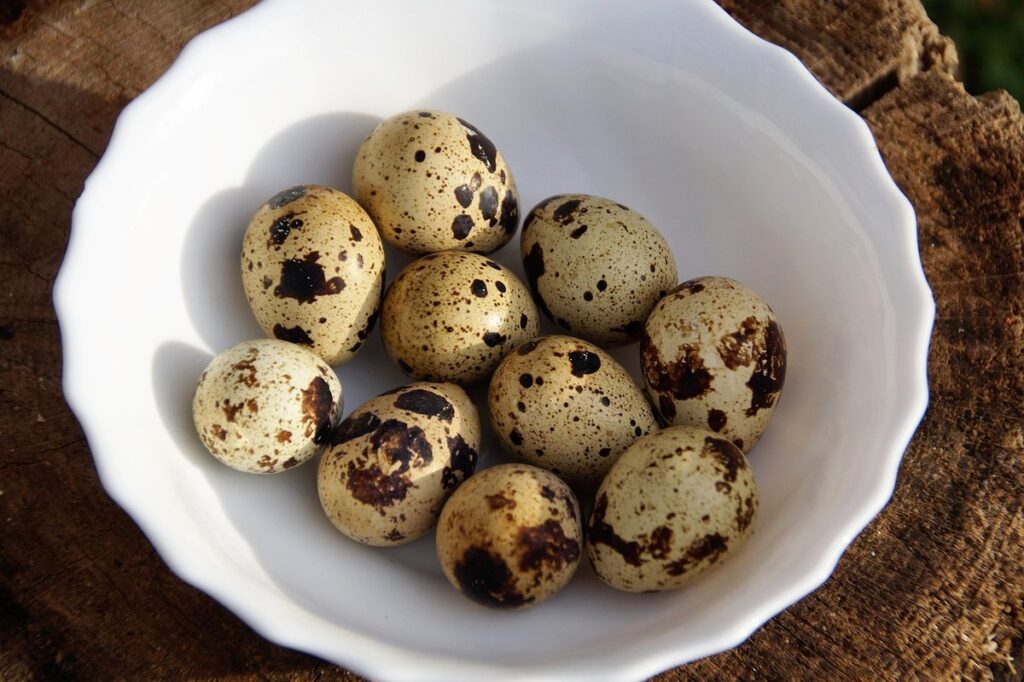
Understanding Quail Behavior and Needs
To create a haven for your quails, it’s essential to understand their natural behaviors and specific needs, which can vary depending on species and individual personalities. Let’s dive into what makes these birds tick!
Recognizing Quail Personality Traits
Quails are known for their endearing personalities, and understanding these traits is crucial when designing their living space. These birds are naturally social creatures, thriving on interaction with others of the same species. When building a house for your quail, consider providing ample opportunities for them to engage with one another through windows or mesh panels that allow visual contact.
However, it’s essential to note that quails can be timid and prone to flight when startled. To minimize stress, incorporate hiding places like plants, bushes, or enclosed sections within the enclosure. This will enable your feathered friends to retreat safely when needed.
Territorial behavior is another key characteristic of quails. They have a strong instinct to mark their territory using droppings or vocalizations. When designing the house, consider providing separate areas for nesting and feeding to help maintain a sense of order and reduce competition among birds. By understanding these unique traits, you’ll be better equipped to create an environment that meets your quail’s specific needs, fostering a happy and healthy life within their new haven.
Meeting Quail Space Requirements
Quail need space to move around comfortably, and providing enough room is crucial for their overall health and well-being. A general rule of thumb is to provide a minimum floor area of about 2-3 square feet per quail. However, this can vary depending on the breed, age, and activity level of your quails.
To give you a better idea, here are some specific space requirements:
* For bantam breeds, a small enclosure with a floor area of at least 1 square foot per bird is sufficient.
* For standard breeds, a larger enclosure with a floor area of about 2-3 square feet per bird is recommended.
In addition to floor space, it’s also essential to provide ample perch space for your quails. A good rule of thumb is to have at least one perch per quail, and make sure the perches are sturdy enough to support their weight.
Ventilation is another critical aspect to consider when building a quail house. Quails need fresh air to breathe, so ensure that your enclosure has adequate ventilation to prevent ammonia buildup from droppings. A good rule of thumb is to provide at least 1-2 square inches of ventilation per bird.
Considering Quail Sensory Needs
Quails perceive their surroundings through sight, sound, and smell, which is essential to consider when designing an ideal house for them. A well-designed house should cater to these sensory requirements to ensure the quails’ overall well-being.
From a visual perspective, quails need a clear view of their surroundings to feel secure and relaxed. Provide windows or mesh panels that allow natural light to enter and offer a glimpse of the outdoors. This can be achieved by installing a large window on one side of the house or using a skylight above. Visual stimulation is also important; consider adding plants or a visual display near the quails’ nesting area.
Reducing noise levels is crucial for quails as they are sensitive to loud sounds. Incorporate sound-dampening materials such as acoustic panels or use a white noise machine to minimize background noise. To incorporate natural ventilation, install mesh windows or vents that allow fresh air to circulate while keeping predators out. This will also help maintain good airflow and prevent ammonia buildup from the quails’ droppings.
When building your quail house, consider these sensory requirements and design it accordingly. By doing so, you’ll create a haven for your feathered friends that meets their unique needs and promotes their health and happiness.
Choosing the Right Location and Materials
When it comes to building a home for your quails, selecting the perfect location and materials is crucial to create a safe and comfortable haven for your feathered friends. Let’s dive into what you need to consider when making these important decisions.
Selecting a Suitable Site for Your Quail House
When it comes to creating a haven for your quails, selecting a suitable site for their house is crucial. Adequate sunlight is essential for your quails’ health and well-being, as they require UV rays to synthesize vitamin D3. Ensure the location receives direct sunlight for at least 4-6 hours a day.
Protecting your quails from harsh weather conditions is also vital. Look for a site that provides natural shelter from strong winds, heavy rainfall, or scorching sun. Consider a spot near trees or shrubs that can provide shade and insulation.
Proximity to food and water sources is another key consideration. Quails require a steady supply of fresh water and nutritious feed. Choose a location close to your existing garden or bird-friendly plants, making it easier to maintain their diet and hydration needs. When assessing the site’s suitability, take note of any potential escape routes or predator risks. A well-planned location will ensure your quails’ happiness and health for years to come.
Picking Durable and Safe Building Materials
When it comes to building a quail house, selecting durable and safe materials is crucial for the health and well-being of your feathered friends. You’ll want to choose materials that are easy to clean, resistant to pests and diseases, and can withstand various weather conditions.
Consider using untreated wood for the frame and walls, as it’s a natural and sustainable option. Cedar wood is an excellent choice due to its resistance to rot and insects. However, ensure you use a waterproof sealant to protect it from moisture damage. Metal and plastic materials are also viable options, offering ease of cleaning and durability.
When selecting roofing materials, opt for those that allow for proper ventilation and water runoff, such as corrugated metal or asphalt shingles. Avoid using softwoods like pine, as they can harbor pests and diseases. Regularly inspect your quail house to ensure the materials are in good condition and make necessary repairs promptly. By choosing the right building materials, you’ll create a safe and healthy environment for your quails to thrive in.
Designing an Efficient and Comfortable Layout
When it comes to creating a haven for your quails, designing an efficient and comfortable layout is crucial. This involves carefully planning nesting areas, perches, and feeding stations.
Optimizing Quail Movement and Access
When designing your quail’s house, it’s essential to prioritize their ease of movement and access. A well-planned layout will ensure your feathered friends can navigate freely, reducing stress and promoting overall health.
To facilitate easy movement, consider incorporating ramps and steps that connect different levels of the house. This allows quails to move between nesting areas, feeding stations, and perching spots without straining their tiny legs. For example, you could install a gentle slope leading up to the roosting bar or a series of shallow steps connecting the ground floor to the upper level.
Corridors and pathways should be at least 2-3 times the length of your quails’ bodies, allowing them to turn comfortably without feeling cramped. Providing multiple access points is also crucial – aim for at least two entrances/exits to prevent congestion. This will enable your quails to enter and exit freely, reducing competition and stress.
When planning corridors and pathways, remember that wider spaces are better than narrower ones. A minimum width of 12 inches (30 cm) is recommended to ensure quails can move comfortably without feeling confined. By incorporating these features into your design, you’ll create a haven where your quails feel safe and free to roam.
Incorporating Essential Facilities and Features
When designing a quail house, it’s essential to incorporate features that cater to their specific needs. Quails require adequate space for nesting, perching, and feeding, as well as areas for cleaning and maintenance.
Start by providing at least one nesting box per 2-3 quails, positioned in a quiet and secure area of the coop. This will allow them to lay eggs safely and comfortably. Install multiple perches made of natural materials like wood or bamboo, spaced about 12 inches apart, allowing your quails to exercise and roost.
Food and water stations should be easily accessible and located near each other to prevent contamination. Consider using a self-filling feeder that holds enough food for several days, reducing the need for frequent refills. A cleaning area with a removable tray or easy-to-clean surfaces is also crucial for maintaining hygiene and health.
Remember to position these features in an efficient layout to minimize walking distances and stress on your quails. Consider grouping related elements together, such as nesting boxes near perches, to create a harmonious environment that meets all their needs.
Building and Maintaining Your Quail House
Now that you’ve built your quail house, it’s time to focus on its upkeep and maintenance to ensure a happy and healthy home for your feathered friends. This section covers essential tasks to keep their habitat clean and thriving.
Construction Tips for a Durable Structure
When building a quail house, it’s essential to focus on constructing a durable structure that will withstand various weather conditions and last for years to come. Start by ensuring proper framing, which involves using sturdy materials such as 2×4 lumber or even better, 2x6s. This will provide the necessary support for the roof, walls, and floor of your quail house.
When it comes to roofing, consider using corrugated metal sheets or asphalt shingles that are specifically designed to withstand rain and sunlight. Ensure a watertight seal by applying a layer of weatherproofing membrane on the roof’s edges and around any vents.
Don’t forget to follow local building codes and regulations, which may require specific features such as ventilation, escape windows, or electrical outlets. Consult with your local authorities before commencing construction.
Regular Maintenance and Upkeep
Regular maintenance and upkeep are crucial to ensuring your quail house remains safe, clean, and comfortable for its inhabitants. Over time, materials can deteriorate, and the structure may become compromised if not properly maintained.
Create a schedule for routine tasks such as cleaning the coop and run daily, disinfecting surfaces weekly, and checking for damage or wear on the roof, walls, and floors every 2-3 months. Replace any worn-out or damaged components promptly to prevent further issues.
To minimize upkeep efforts, consider using durable materials like metal or plastic for the coop’s exterior, and easy-to-clean materials like wire mesh or hardware cloth for the run. Regularly inspecting your quail house will also help identify potential problems before they become major issues.
Aim to dedicate 15-30 minutes per week to maintenance tasks. This might include cleaning food and water dishes, sweeping out droppings, and inspecting nesting boxes. By staying on top of routine care, you’ll enjoy a healthy and thriving quail population, free from stress and disease.
Integrating Your Quail House with the Surrounding Environment
When designing your quail house, consider how it will interact with its surroundings to create a harmonious and thriving ecosystem for your feathered friends. This includes blending architecture with nature seamlessly.
Creating a Natural Habitat Extension
Creating a natural habitat extension for your quail house is a great way to provide them with exercise and exploration opportunities. By incorporating outdoor enclosures, aviaries, or garden areas into their living space, you can give your feathered friends the freedom to roam and engage with their surroundings.
Outdoor enclosures are an excellent option as they allow quails to move around freely while still keeping them safe from predators. You can design a simple enclosure using chicken wire or netting that is securely attached to the quail house. Make sure to provide adequate ventilation, shade, and shelter for your birds.
In addition to outdoor enclosures, you can also create aviaries or garden areas adjacent to their living space. These types of habitats provide quails with an opportunity to exercise, scratch, and forage for food. By incorporating plants like millet, oats, or clover into the garden area, you can give your quails a natural source of nutrition.
The benefits of providing this expanded space are numerous – improved mental and physical health, reduced stress levels, and increased egg production in females.
Enhancing Local Biodiversity through Your Quail House Design
When designing your quail house, consider its potential to become a biodiversity hotspot. This might seem counterintuitive at first – after all, you’re building a home for your feathered friends, not a wildlife sanctuary! However, with thoughtful design, your quail house can attract an assortment of local wildlife.
To start, incorporate native plants and trees surrounding the house. These will provide food, shelter, and habitat diversity for various species. For instance, planting shrubs like lavender or rosemary near the entrance can draw pollinators like bees and butterflies. Native grasses and wildflowers can also attract beneficial insects that help control pests.
Think about incorporating shallow water sources, such as birdbaths or small ponds, which will entice birds, amphibians, and even small mammals like hedgehogs. These features will not only enhance biodiversity but also provide a fascinating sight for you to observe.
Conclusion: Creating a Home for Happy and Healthy Quails
Now that we’ve covered the essentials of building a quail house, let’s summarize the key takeaways and provide you with a final checklist to ensure your feathered friends live in a happy and healthy environment.
Recap of Essential Considerations
As you’ve reached the end of this comprehensive guide to building an ideal house for your quails, it’s essential to recap the key considerations that will ensure a happy and healthy home for your feathered friends. Understanding quail behavior is crucial; they require ample space to move around, socialize, and engage in natural behaviors like foraging and dust bathing.
When choosing materials, prioritize durability and consider using weather-resistant options like wood or metal. A well-designed layout is also vital, incorporating features such as nesting boxes, perches, and easy access for cleaning and maintenance. Don’t forget to build with longevity in mind; a sturdy structure will withstand the elements and ensure your quails’ safety.
Regular maintenance is equally important – clean out waste regularly, replace bedding, and inspect the house for any damage or signs of wear. Finally, consider the surrounding environment; integrate your quail house into the existing landscape, providing shade, shelter, and a connection to nature. By following these guidelines, you’ll be well on your way to creating a haven that meets your quails’ needs and brings joy to your life.
Final Thoughts on Creating a Haven for Quails
As you’ve read through this comprehensive guide on creating a haven for quails, remember that every detail counts in making their living space truly exceptional. It’s not just about providing them with food and water; it’s about creating an environment that promotes their physical and mental well-being.
Consider the importance of natural light – not only does it regulate their circadian rhythms but also stimulates their appetite and overall activity levels. Ensure your quail house has strategically placed windows or use UV-emitting light bulbs to replicate a sunny day. Ventilation is equally crucial; proper airflow prevents ammonia buildup from droppings, which can be toxic to your feathered friends.
Don’t forget about visual stimulation – quails are naturally curious birds that thrive on exploration. Incorporate perches, climbing structures, and even plants to create a stimulating environment. Remember, every household has unique circumstances; take the principles outlined in this guide and adapt them to suit your specific needs. By doing so, you’ll create a haven for happy and healthy quails that will flourish under your care.
Frequently Asked Questions
Can I build a quail house with materials I already have at home?
Yes, repurposing existing materials can be an eco-friendly way to create your quail’s living space. Just ensure that you choose materials that are safe for your birds and suitable for the climate in which they’ll reside. Consider using reclaimed wood, old pallets, or even repurposed plastic containers.
How often should I clean the nesting boxes and perches?
Nesting boxes and perches should be cleaned regularly to maintain a healthy environment. A good rule of thumb is to clean them once every 1-2 weeks, depending on the size of your quail flock and their individual needs. Remove soiled bedding, wash with mild soap, and disinfect before replacing it with fresh material.
What’s the ideal ratio for nesting boxes per quail?
A general rule of thumb is to provide one nesting box for every 3-4 female quails. This ensures each bird has a dedicated space for laying eggs without feeling crowded or stressed. Consider adding additional nesting boxes if you plan on breeding multiple females simultaneously.
Can I use electric heating or cooling systems in my quail house?
Yes, but only under specific circumstances and with careful planning. Electric heating or cooling systems can be effective in maintaining optimal temperatures (around 70-80°F) for your quails, especially during extreme weather conditions. However, ensure proper ventilation to prevent moisture buildup and ammonia fumes.
How do I integrate my quail house with the surrounding garden ecosystem?
A harmonious integration of your quail house with the local environment can enhance biodiversity and create a thriving ecosystem. Consider adding native plants that attract beneficial insects or providing a shallow water source for drinking and bathing. This will encourage natural behaviors in your quails while promoting overall environmental balance.