
Hatching chicken eggs without an incubator can be a daunting task, but with the right guidance, you can successfully raise healthy chicks. Many backyard chicken keepers and small-scale farmers want to breed their own chickens, but aren’t ready or able to invest in expensive equipment like incubators. This is where natural hatching techniques come into play.
In this article, we’ll walk you through the process of choosing the right breeds for natural hatching, how to properly care for eggs before and after incubation, and common issues that can arise along the way. We’ll also cover troubleshooting tips to help you overcome any obstacles and achieve success in raising your own chicks without relying on expensive equipment like an incubator.
Choosing the Right Breeds for Backyard Hatchery
When it comes to hatching chicken eggs without an incubator, choosing breeds that are well-suited for this method is crucial to success. Some breeds are naturally more resilient and better suited for natural hatching than others.
Considerations for Selection
When selecting breeds for backyard hatching without an incubator, there are several key factors to consider. First and foremost, you’ll want to focus on breeds that produce larger eggs, as these will have a better chance of successfully hatching outside of an incubator. Breeds like Orpingtons, Plymouth Rocks, and Wyandottes are great options in this regard.
Another crucial consideration is fertility rates. Some breeds, such as Leghorns and Cornish, have notoriously low fertility rates, making them less suitable for backyard hatching. On the other hand, breeds like Marans and Australorps tend to have higher fertility rates, increasing your chances of success.
Hardiness is also a vital factor in choosing breeds for backyard hatching. Breeds that are more adaptable to changing temperatures and humidity levels will be better equipped to handle the unique conditions outside an incubator. Look for breeds that have a reputation for being robust and resilient, such as Barred Rocks or Rhode Island Reds.
Researching Fertile Eggs
When it comes to hatching chicken eggs without an incubator, having fertile eggs is crucial for success. Obtaining fertile eggs from reputable sources is essential to ensure healthy chicks hatch. You can obtain fertile eggs from various suppliers, including local breeders and national hatcheries.
To find reliable suppliers, research the American Poultry Association (APA) or the United States Poultry and Egg Association (USPOULTRY) for a list of certified breeders and hatcheries in your area. These organizations ensure that their members adhere to strict breeding standards and practices. You can also ask local chicken enthusiasts or farmers for recommendations on reputable egg suppliers.
Additionally, consider purchasing eggs from national hatcheries like Meyer Hatchery or Metter Hatchery, which specialize in shipping fertile eggs across the country. When ordering fertile eggs, be sure to specify your breed preference, sex (if applicable), and order date to ensure timely delivery. Remember to handle eggs gently and store them in a cool, dry place until you’re ready to hatch.
Understanding Egg Quality
When it comes to hatching chicken eggs without an incubator, selecting high-quality eggs is crucial for successful hatching. One of the most critical factors to consider is egg quality. You want to choose eggs that are clean, dry, and free of visible cracks or damage.
Before collecting eggs from your backyard flock, make sure to observe their overall health and well-being. Healthy hens will produce healthy eggs. If you notice any unusual behavior or stress signs in your hens, it may be a sign that they’re not laying the best quality eggs.
When examining the eggs themselves, look for any visible cracks or damage on the shell. A clean eggshell is essential for preventing bacterial contamination and promoting proper embryonic development. The eggs should also be free of dirt, dust, and other debris.
If you’re unable to determine the age of the eggs (which can sometimes be challenging), it’s best to err on the side of caution and choose eggs with a more transparent or waxy appearance, which often indicates newer eggs. This is especially important if you’re planning to hatch multiple eggs at once, as older eggs may not have enough time to develop properly.
Creating a Hatcher Environment
Now that you’ve learned how to maintain temperature and humidity, let’s focus on creating an optimal hatching environment for your precious eggs. This includes setting up a safe space for the chicks to emerge.
Establishing a Safe and Clean Space
Creating a hatcher environment that is safe and clean for your eggs to incubate is crucial for successful hatching. A warm, draft-free area with adequate ventilation will promote healthy incubation and help prevent temperature fluctuations that can be detrimental to developing embryos.
To establish such an environment, you’ll need to identify a quiet spot in your home or backyard that is away from direct sunlight and any drafts. Consider investing in a thermostat to maintain a consistent temperature between 99°F and 100°F (37°C – 38°C), as slight variations can impact incubation success. Proper ventilation is equally important, allowing for air circulation while preventing cold spots.
A simple DIY solution involves creating a hatcher box using a plastic storage container or a wooden crate with a clear lid. Add some moisture-retentive materials like damp towels or a wet sponge to maintain humidity levels around 50-60%. This will help regulate temperature and prevent drying out of the eggs during incubation.
Maintaining Temperature and Humidity Levels
Maintaining optimal temperature and humidity levels is crucial for successful hatching without an incubator. The ideal temperature range during hatching is around 99-100°F (37.2-37.8°C), with a slight drop to 98-99°F (36.7-37.2°C) just before hatching. This precise temperature control helps the chick’s metabolism, energy production, and development.
To achieve this delicate balance, you can use a water bath or a candle warmer under a towel wrapped around your eggs. Monitor the temperature closely using a thermometer to avoid overheating or underheating. For example, if you’re using a water bath, make sure it’s not too hot, as this can lead to moisture loss and increased risk of infection.
Maintaining humidity levels between 50-60% is also vital during hatching. You can achieve this by covering your eggs with a damp cloth or towel. Mist the cloth periodically to maintain an optimal level of moisture. Keep in mind that over-humidification can lead to mold growth, so ensure good air circulation around the eggs.
Regular temperature and humidity checks are essential to prevent any potential issues during hatching. You should check the temperature at least twice a day and adjust as necessary. With careful attention to these parameters, you’ll be well on your way to successfully hatching chicken eggs without an incubator.
Providing Adequate Ventilation and Lighting
Proper ventilation and lighting are crucial components of creating a suitable hatcher environment. Without adequate airflow, eggs can become trapped with their own moisture, leading to respiratory problems such as stuck air sacs or even death.
To prevent this, ensure that the area has sufficient cross-ventilation by positioning the eggs on a raised surface or platform, allowing air to circulate underneath. This will also help maintain a consistent temperature throughout the incubation period.
Lighting is also essential for successful hatching. A gentle warmth from a heat lamp or a sunny windowsill can help regulate the egg’s internal temperature and promote healthy development. However, direct sunlight should be avoided as it can cause overheating, which can be detrimental to the embryo.
Aim for a lighting schedule that provides 14 hours of low-intensity light per day, with a gradual increase in intensity towards the end of incubation. By providing adequate ventilation and gentle lighting, you’ll significantly reduce the risk of respiratory issues and ensure a healthy start for your chicks.
Methods for Hatching Without an Incubator
You’re eager to start hatching eggs without breaking the bank on a fancy incubator? This section will walk you through creative methods for achieving this goal.
Broody Hen Method
One of the most natural and fascinating methods for hatching eggs without an incubator is using a broody hen. A broody hen is one that has decided to sit on her eggs, keeping them warm and safe until they hatch. To encourage a broody hen to do the job for you, start by preparing her environment. Make sure she has a quiet, draft-free spot with enough space to accommodate all the eggs safely.
Next, collect eggs from your flock or order them from a reputable supplier. It’s essential to handle the eggs gently and store them in an egg carton to prevent damage. Once the hen is ready, introduce her to the eggs and let nature take its course. Monitor the hen’s behavior closely, ensuring she’s devoted to sitting on the eggs and not leaving them unattended.
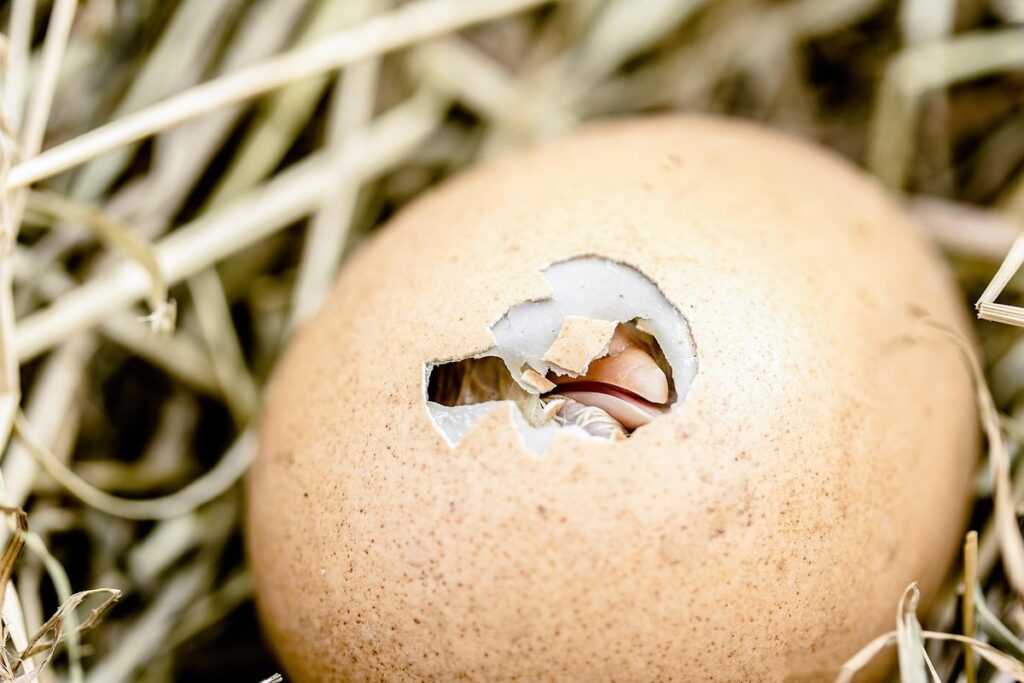
The key to success lies in choosing a reliable broody hen and maintaining proper temperature control within the area where she’ll be incubating the eggs. Most chickens will start pip-pipping (breaking through the shell) between 19-21 days of age, and you can expect chicks to emerge around day 21-22.
Using a Hot Water Bottle or Heating Pad
When using a hot water bottle or heating pad to keep eggs warm without an incubator, it’s essential to create a cozy and stable environment. Start by wrapping the hot water bottle or heating pad in several layers of towels to prevent direct contact with the eggs. This will help regulate the temperature and ensure that the eggs don’t overheat.
Place the wrapped hot water bottle or heating pad near the eggs, but not directly touching them. The key is to maintain a consistent warmth around the eggs without causing any damage. Aim for an ambient temperature of 99°F (37°C) to 100°F (38°C). Monitor the temperature using a thermometer to ensure it remains within this range.
Keep in mind that the hot water bottle or heating pad should not be too hot, as this can cause the eggs to overheat and potentially damage them. It’s also crucial to provide a stable environment, avoiding any drafts or extreme temperatures that could affect the incubation process.
Other Alternative Methods (e.g., using a thermos or candle warmer)
While using an incubator is often the most reliable method for hatching chicken eggs, there are alternative methods that can be used as a last resort or in emergency situations. One such option is using a thermos to maintain a consistent temperature. Fill a large thermos with hot water and wrap it around the egg, ensuring the temperature remains between 99°F and 100°F. This method is not as precise as an incubator but can be effective for small batches of eggs.
Another alternative is using a candle warmer to provide gentle heat. Place the egg in a bowl or container and set the warmer on low, allowing it to warm the surrounding air without direct contact with the egg. Be cautious when using this method, as overheating can still occur if not monitored closely.
While these methods can be used, they require close monitoring to prevent temperature fluctuations, which can be detrimental to the developing chick. If you’re considering alternative hatching methods, it’s essential to research and understand the potential drawbacks before attempting to hatch your eggs without an incubator.
Caring for Chickens After Hatching
Now that your chicks have hatched, it’s essential to provide them with a safe and healthy environment to grow into strong pullets. This section covers the critical care requirements for newly hatched chickens.
Initial Care and Handling
Caring for newly hatched chicks requires attention to their immediate needs. As soon as they emerge from their shells, they need food, water, and a safe place to grow. The first step is to provide an adequate heat source, such as a brooder lamp or a hot plate, to maintain a temperature between 90°F and 100°F (32°C to 38°C). This helps them regulate their body temperature.
Next, ensure they have access to clean water and food, ideally in the form of starter feed. A chick’s digestive system is sensitive, so introduce foods gradually to prevent shock. Provide a shallow dish for water to avoid overwhelming them with depth. Place food and water at opposite ends of the brooder or enclosure to encourage movement and exercise.
Maintain proper hygiene by changing bedding material frequently and keeping the area clean. Monitor their health closely for signs of distress, such as labored breathing or lethargy. Keep in mind that chicks are prone to respiratory issues, so a humid environment can be beneficial. Ensure proper ventilation while maintaining humidity levels between 50% and 60%.
Monitoring Health and Wellness
Monitoring Health and Wellness is crucial when raising young chickens. Since they won’t have an incubator’s controlled environment, it’s essential to keep a close eye on their health. Look for signs of illness or distress, such as labored breathing, lethargy, or changes in droppings.
Keep a clean and well-ventilated brooder to prevent disease. This means regularly disinfecting surfaces with bleach solutions and removing soiled bedding promptly. A clean environment will also help maintain good air circulation.
Watch for pests like mites and lice that can cause discomfort and health issues. Use medicated powders or sprays as necessary, but follow the product’s instructions carefully to avoid harming your chicks. Also, keep an eye out for bacterial infections in their eyes or beak, which can lead to blindness or other complications.
Be prepared to intervene quickly if you notice any unusual behavior. Keep a vet’s phone number handy and be ready to take action at a moment’s notice. Remember, it’s always better to err on the side of caution when caring for young chickens.
Integrating Hatchlings into the Flock
When introducing hatchlings to adult chickens, it’s essential to do so gradually to ensure a smooth transition and minimize stress for both the young and old birds. Start by keeping the hatchlings in a separate enclosure, allowing them to get accustomed to the sights, sounds, and smells of the flock without feeling overwhelmed.
Once the hatchlings have settled into their new surroundings, it’s time to introduce them to the adult chickens. Begin by placing the two groups in adjacent areas, allowing them to become familiar with each other through a fence or divider. This will enable the older birds to investigate the young ones without immediate face-to-face interaction.
As you observe the behavior of both groups, gradually remove the divider and supervise their interactions closely. If necessary, reintroduce the divider to prevent any potential conflicts or stressors. By taking it slow and allowing the chickens to become comfortable with each other’s presence, you’ll minimize the risk of territorial disputes or bullying.
Troubleshooting Common Issues
As you work through the hatching process, unexpected problems can arise – that’s why we’re here to help you troubleshoot common issues and get back on track. From temperature fluctuations to stuck chicks.
Identifying Causes of Failure
When attempting to hatch chicken eggs without an incubator, it’s essential to understand that failures can occur due to various reasons. One of the most common causes of failed hatches is temperature fluctuations. The ideal temperature for hatching eggs is between 99°F and 100°F (37°C-38°C), with a slight drop in temperature during lockdown. If the environment is too hot or cold, it can lead to developmental delays or even death.
Poor egg quality is another significant factor contributing to failed hatches. This can be due to various reasons such as incorrect breeding stock, inadequate nutrition, or improper handling. A good rule of thumb is to select eggs from healthy chickens and store them in a cool, dry place before incubation. Ensure that the eggs are free from cracks, soft spots, and any other visible damage.
Inadequate ventilation can also hinder successful hatching. Air circulation helps maintain a stable temperature and prevents moisture buildup. To ensure proper ventilation, provide enough space between eggs (about 1-2 inches) and use a fan to circulate air gently. Regularly checking the temperature and humidity levels will help identify potential issues before they become critical.
Solutions for Common Problems
When issues arise during the hatching process without an incubator, it’s essential to address them promptly to ensure successful hatching. Low fertility rates can be a significant problem. To combat this, make sure you’re using fertile eggs from a reputable breeder or supplier. Inspect the eggs regularly for cracks or damage that could compromise their viability.
Uneven temperature is another common issue that can impact hatching. If your space isn’t climate-controlled, consider using a thermometer to monitor the temperature and taking steps to maintain a consistent range of 99-100°F (37-38°C) during the first 18 days of incubation. This can be achieved by placing the eggs in a warm spot or using a heat source like a heating pad set on low.
Unexpected humidity fluctuations can also affect hatching. Keep your space at a relative humidity level of 50-60% to simulate an incubator’s conditions. You can achieve this by using a humidifier or placing the eggs in a covered container with damp towels. Regularly checking and adjusting these factors will help you troubleshoot common problems and increase your chances of successful hatching.
Frequently Asked Questions
What are the chances of successful hatching without an incubator?
While natural hatching techniques can be successful, the success rate is generally lower compared to using an incubator. With proper care and attention, you can expect around 20-50% fertility rates for eggs left outside of an incubator.
How long does it take for chicks to pip after being placed in a makeshift hatcher?
The time between placing the egg in a makeshift hatcher and the chick pipping (breaking through the shell) can range from 24 to 72 hours, depending on various factors such as breed, temperature, and humidity. Keep an eye on the eggs during this period and be prepared for any potential issues.
Can I use multiple breeds simultaneously or is it best to focus on one?
While some backyard chicken keepers have successfully hatched multiple breeds at once, it’s recommended to start with a single breed to ensure you understand their specific needs and challenges. As you gain more experience, you can experiment with different breeds.
How often should I check on the eggs during the incubation period?
Regular monitoring is crucial for successful hatching without an incubator. Check on the eggs every 12-24 hours, looking out for signs of pipping, movement, or any potential issues such as mold growth or egg breakage.
What’s a good way to ensure consistent temperature and humidity levels in my makeshift hatcher?
To maintain stable temperature and humidity levels, consider using a thermometer and hygrometer to monitor conditions. You can also create a mini-greenhouse effect by placing the eggs in a covered container or using a heating mat specifically designed for incubation purposes.