
Have you ever wondered if your backyard chickens go through their own version of “that time of the month”? It’s a question that has sparked curiosity among chicken keepers and animal enthusiasts alike. While it might seem like a strange topic, understanding the reproductive cycle of chickens is crucial for maintaining healthy flocks and debunking common myths about their behavior. Unfortunately, misinformation on this subject can lead to unnecessary stress and even health issues for your feathered friends. In this article, we’ll explore the fascinating world of chicken physiology, separating fact from fiction, and providing you with accurate knowledge on how to care for your flock.
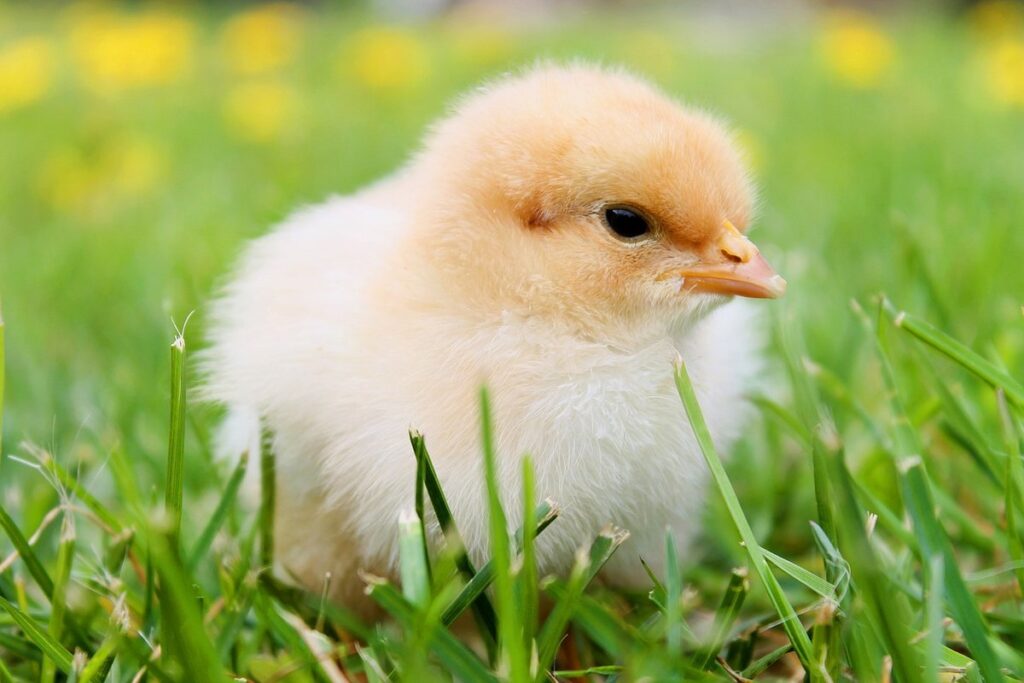
Understanding Menstruation in Chickens
Let’s dive into what’s actually happening when your hen lays eggs, and explore how her reproductive system works to make that happen. We’ll look at what causes chickens to shed their oviducts, which might seem period-like.
What is Ovarian Cycle?
Chickens have a unique reproductive system that allows them to lay eggs, but it’s not directly comparable to human menstruation. The ovarian cycle in chickens is the process by which their ovaries produce and release yolks, which are then fertilized by sperm from the rooster to form an egg.
Unlike humans, who have a single ovary and oviduct, hens have two ovaries that work together to produce eggs. Each month, the hen’s ovaries will stimulate the growth of follicles, which contain yolk and albumen (the liquid portion of the egg). If the rooster is present, sperm will fertilize the yolk, and the resulting egg will be laid about 24-26 hours later.
It’s essential to note that chickens do not experience a monthly “period” like humans do. Instead, they lay eggs regularly, with some breeds producing an average of 280-300 eggs per year. To encourage healthy egg-laying in your backyard flock, provide them with a balanced diet, plenty of water, and adequate space to roam.
Chicken Menstrual Cycle vs Human Menstruation
When it comes to understanding the menstrual cycle of chickens, it’s essential to note that their reproductive system is quite different from humans. Unlike humans, who experience a monthly menstrual cycle, chicken ovulation occurs more frequently.
In fact, hens (female chickens) can lay eggs almost daily if given optimal conditions. This means they’re constantly producing eggs and shedding the eggshell membranes. However, this process isn’t equivalent to menstruation in humans. The absence of a uterus in chickens is a key factor here – their reproductive system doesn’t include a uterine lining that sheds during each menstrual cycle.
Chickens also don’t experience the hormonal fluctuations associated with human menstruation. Instead, egg production is regulated by hormones like estrogen and progesterone, which are produced in response to daylight hours rather than a monthly cycle. This unique reproductive biology means chickens don’t “get periods” in the same way humans do. Understanding these differences can help you better care for your flock’s health needs.
Do Chickens Experience Menstrual-Like Symptoms?
Let’s dive into the fascinating topic of whether chickens experience menstrual-like symptoms, and what that might mean for their reproductive cycles. Can hens really exhibit similar bodily changes to humans during estrus?
Observations on Chicken Health
Many chicken keepers and owners have shared anecdotal evidence of observing symptoms similar to PMS in their birds. They claim that some hens exhibit mood swings, become more aggressive, or experience changes in appetite around the same time every month. While these claims are intriguing, it’s essential to examine their validity.
Some possible explanations for observed behavior changes include the natural fluctuations in hormone levels that occur during a hen’s reproductive cycle. For instance, egg production can stimulate the release of estrogen and progesterone hormones, which may contribute to behavioral changes. Additionally, certain nutritional deficiencies or health issues could also influence a hen’s mood and energy levels.
It’s worth noting that not all hens will exhibit these symptoms, and individual personalities play a significant role in determining behavior. If you’re concerned about your hen’s well-being, pay attention to any noticeable changes in behavior or appetite around the same time every month. You can also consult with a veterinarian or poultry expert to rule out any underlying health issues that may be contributing to these changes. By understanding your hen’s unique needs and personality traits, you can provide her with the best care possible.
Studying Flock Dynamics
When observing individual chickens that exhibit symptoms similar to menstruation, it’s essential to consider the dynamics at play within their flock. Flock dynamics can significantly impact a chicken’s physical and emotional well-being, potentially influencing perceived “period-like” symptoms.
Research has shown that stress is a major contributor to behavioral changes in chickens. Factors such as overcrowding, inadequate living conditions, or sudden changes in their environment can lead to increased stress levels. In turn, this stress can cause weight loss, changes in appetite, and even feather pecking behavior among flock members.
Social hierarchy within the flock also plays a crucial role. Dominant birds often engage in aggressive behaviors towards subordinate chickens, which can further exacerbate stress levels. Nutrition is another critical factor; deficiencies in essential vitamins or minerals can lead to mood swings, decreased egg production, and changes in overall health.
To identify potential issues related to flock dynamics, pay close attention to your chicken’s behavior, living conditions, and nutrition. Ensure that you’re providing a safe, comfortable environment with adequate space for exercise and socialization. Regularly monitor your flock’s stress levels by observing their behavior and adjusting their care as needed to promote overall well-being.
Debunking Common Misconceptions about Chicken Menstruation
When it comes to chickens and their reproductive cycles, there are many misconceptions floating around that can be both confusing and misleading. Let’s tackle some of these common myths head-on!
Separating Fact from Fiction
When it comes to chicken menstruation, it’s not uncommon for misconceptions to circulate online. Some claim that certain breeds are more prone to “periods” due to their genetics or physiology, while others suggest that supplements can alleviate symptoms.
However, the scientific evidence suggests otherwise. Research has shown that hens do not have menstrual cycles like humans do, and their reproductive system is designed for continuous egg production rather than cyclical ovulation. This means that claims about breeds being more prone to “periods” are unfounded and lack empirical support.
Furthermore, supplements such as vitamins or minerals cannot alleviate symptoms of a non-existent condition. In fact, many supplements can be detrimental to chicken health if given in excess or without proper veterinary guidance.
To separate fact from fiction, it’s essential to rely on credible sources and scientific evidence when discussing chicken menstruation. If you’re looking for ways to support your flock’s reproductive health, consult with a veterinarian or poultry expert who can provide personalized advice based on the latest research and best practices.
Understanding the Role of Nutrition in Flock Health
When it comes to maintaining optimal health and reproductive balance in chickens, nutrition plays a vital role. A well-planned diet can make all the difference in preventing issues related to egg production, fertility, and overall flock well-being. In fact, studies have shown that nutrient deficiencies can lead to reproductive problems in hens, such as reduced egg laying, irregular cycles, and even complete cessation of ovulation.
So, what nutrients do chickens need to stay healthy? For starters, a balanced diet rich in protein, calcium, phosphorus, and vitamins A, D, and E is essential. Protein-rich foods like mealworms, sunflower seeds, and soybeans can help support egg production, while calcium and phosphorus are crucial for strong bone health. You can also supplement your flock’s diet with probiotics to promote gut health and boost the immune system.
When it comes to feeding practices, make sure to provide fresh water at all times and offer a mix of commercial feed, fruits, and vegetables daily. Limit treats high in sugar and fat, as they can cause digestive issues. By paying attention to your flock’s nutritional needs, you’ll be well on your way to maintaining optimal health and fertility – no “periods” necessary!
Reproductive Anatomy and Physiology: What’s Different?
To understand whether chickens have periods, it’s essential to explore their unique reproductive anatomy and physiology. Let’s dive into what makes a chicken’s reproductive system different from ours.
Exploring Chicken Ovaries and Uterus Alternatives
When it comes to laying eggs, chickens have a unique reproductive system that’s different from mammals. Unlike humans and other animals with uteri, chickens don’t have a separate organ dedicated to carrying developing embryos. Instead, their ovaries and oviducts work together to produce eggs.
The ovary is responsible for releasing yolks, which are the nutrient-rich centers of the egg. These yolks are then picked up by tiny tubes called oviducts, where they’re surrounded by a protective layer of membranes and shell material. The oviducts are like a long tube that stretches from the ovary to the vent (the cloaca), which is the external opening where eggs emerge.
One key difference between chicken reproduction and mammalian reproduction is the absence of a uterine system. In mammals, the uterus serves as a protective environment for the developing embryo until it’s ready to be born. But in chickens, the ovary and oviducts take on this role, providing a specialized environment for egg development.
It’s worth noting that chicken ovaries are highly efficient at producing yolks, with some breeds laying up to 300 eggs per year. This is because their reproductive system is designed for high-volume production, rather than supporting the growth of multiple embryos like in mammals.
So, what does this mean for you as a backyard chicken keeper? By understanding how your chickens’ ovaries and oviducts work together to produce eggs, you can better appreciate their unique biology and take steps to promote healthy egg-laying. For example, providing a balanced diet rich in calcium and other essential nutrients will help support your hens’ reproductive health.
When managing your flock, consider the following:
* Ensure adequate space and ventilation for your birds to prevent heat stress and promote egg production.
* Provide fresh water and nutritious feed to support overall health and fertility.
* Consider supplementing with probiotics or vitamins specifically formulated for laying hens to enhance reproductive performance.
Conclusion and Practical Takeaways for Chicken Keepers
Now that we’ve explored whether chickens have periods, let’s break down what it all means for chicken keepers and their flocks.
What Does This Mean for Chicken Owners?
As we conclude our exploration of whether chickens have periods, it’s essential to reflect on what this means for chicken owners. Maintaining a healthy flock is crucial, and understanding the reproductive cycle of hens can help you provide optimal care.
Firstly, nutrition plays a significant role in your chickens’ overall health. Ensure they have access to a balanced diet rich in calcium, protein, and fiber. A well-nourished hen is less likely to experience stress-related issues. Allocate about 1-2% of their body weight in feed per day, divided into two portions for optimal digestion.
Flock management is another critical aspect to consider. Monitor your chickens’ behavior closely, especially during the molting season when hens may exhibit changes in appetite or energy levels. Provide a stress-free environment by maintaining adequate space (around 2-4 square feet per bird) and keeping their coop clean.
Regular health checks are vital to detect any underlying issues early on. Keep an eye out for changes in droppings, feather condition, and overall behavior. A healthy hen should produce around 100-120 eggs per year; if you notice a decline, consult with a veterinarian.
To minimize stress on your flock, maintain a balanced environment by controlling the number of birds, adjusting feed quantities according to age and production level, and providing sufficient shelter from extreme temperatures.
By implementing these practical tips and staying informed about chicken behavior, you’ll be better equipped to care for your flock. By acknowledging that chickens do not have periods in the human sense, we can focus on understanding their unique reproductive cycle and provide tailored support for optimal health.
Myth-Busting: Separating Human Menstruation from Chickens
One of the most common misconceptions about chickens is that they experience periods just like humans, but let’s dive into what really happens with their reproductive cycles.
The Importance of Clarity in Animal Communication
When it comes to understanding animal behavior and physiology, clarity is crucial. In the context of chickens and their reproductive cycles, accurate information can make all the difference in ensuring these fascinating creatures receive proper care.
Misinformation about animal communication can have far-reaching consequences. For instance, a misunderstanding about a chicken’s behavior might lead to incorrect assumptions about its health or well-being. This, in turn, could result in inappropriate treatments or interventions that may do more harm than good. To avoid such scenarios, it is essential for chicken keepers, veterinarians, and scientists to communicate effectively.
A clear understanding of animal communication is particularly important when dealing with topics like reproductive cycles. Chickens, as a common example, often raise questions about their physiological processes. When discussing chickens, accurate information can help clarify any myths or misconceptions surrounding their reproductive behavior. Clear communication among experts also fosters a more comprehensive understanding of animal physiology and behavior.
To promote clear communication in the context of chicken care, consider the following:
* Establish open channels for information exchange between veterinarians, scientists, and chicken keepers.
* Engage in evidence-based discussions to ensure that any claims or assertions about chicken behavior are backed by credible research.
* Be aware of the potential consequences of misinformation on animal health and well-being.
By prioritizing clarity in our understanding of animal communication, we can better address common misconceptions surrounding reproductive cycles in chickens. This, in turn, contributes to more informed decision-making and a greater appreciation for these fascinating creatures.
Scientific Studies and Ongoing Research
Let’s dive into some fascinating scientific studies that have investigated whether chickens experience periods, shedding new light on their reproductive cycles. Recent research has made some surprising discoveries!
Investigating Menstrual-Like Phenomena in Chickens
In recent years, several studies have investigated menstrual-like phenomena in chickens, providing new insights into the reproductive biology of these birds. One notable study published in the Journal of Experimental Zoology found that hens’ reproductive tracts undergo monthly cycles, similar to those experienced by humans during menstruation. The researchers observed that the ovaries and oviducts of laying hens showed significant fluctuations in size and activity throughout the menstrual cycle, with increased secretion of hormones such as estrogen and progesterone.
This study highlights the complex interplay between hormonal regulation and reproductive physiology in chickens. While not exactly equivalent to human menstruation, these cycles are an essential aspect of a hen’s reproductive health and fertility. Moreover, understanding these cycles can have practical applications for poultry farmers and breeders, who may benefit from optimizing their breeding programs to better suit the natural reproductive patterns of their birds.
A key finding of this study is that hens’ menstrual-like cycles are influenced by photoperiod, or the duration and timing of daylight exposure. This suggests that controlling light conditions can be a useful tool for manipulating reproductive cycles in chickens. For example, farmers may use artificial lighting to simulate longer days during breeding seasons, promoting egg production and fertility.
By investigating these phenomena, researchers aim to shed light on the intricate mechanisms governing chicken reproduction. While more research is needed to fully understand the parallels between human and avian menstrual cycles, this study demonstrates the value of interdisciplinary approaches in exploring complex biological systems.
Frequently Asked Questions
Can I use this knowledge to improve my flock’s overall health?
Yes, understanding the reproductive cycle of chickens can help you identify potential health issues related to nutrition or stress, allowing you to make informed decisions about your flock’s care. By recognizing menstrual-like symptoms in chickens, you can take proactive steps to ensure their well-being.
How often should I expect egg production changes due to ovulation?
Egg production may fluctuate as hens adjust to new reproductive cycles. You can expect some variability, but generally, healthy hens will continue laying eggs regularly. Keep an eye on your flock’s overall health and adjust feeding schedules or nutrition accordingly.
Do roosters play a significant role in the menstrual-like process in chickens?
Roosters do not directly influence the ovarian cycle or menstrual-like symptoms in hens. Their primary function is to fertilize eggs, which helps ensure genetic diversity but does not affect the reproductive cycles of females.
Can I use this knowledge to differentiate between normal and abnormal behavior in my flock?
By understanding the reproductive physiology of chickens, you can better recognize when a hen may be experiencing menstrual-like symptoms or health issues. This allows for more effective monitoring and addressing potential problems within your flock.
How can I maintain accurate records of my flock’s egg production and reproductive cycles?
Keeping detailed records of egg production, hatch rates, and any observed changes in behavior will help you track the effectiveness of your care strategies and identify areas that may need improvement. Regularly reviewing these records will also enable you to make data-driven decisions about nutrition and health management for your chickens.