
Are you tired of dealing with painful and distressing chicken pecking wounds in your backyard flock or commercial farm? These injuries can be a significant concern for any poultry owner, causing stress, discomfort, and even loss of productivity. But what causes these pecking wounds, and more importantly, how can we prevent them? Identifying the root cause is crucial to developing effective strategies for managing chicken behavior, nutrition, and social dynamics. In this article, we’ll delve into the world of chicken pecking wounds, exploring ways to identify, prevent, and treat these injuries. We’ll also share expert insights on managing stress, ensuring optimal nutrition, and promoting a harmonious flock environment – all key factors in reducing the occurrence of pecking wounds and creating a healthier, happier flock.
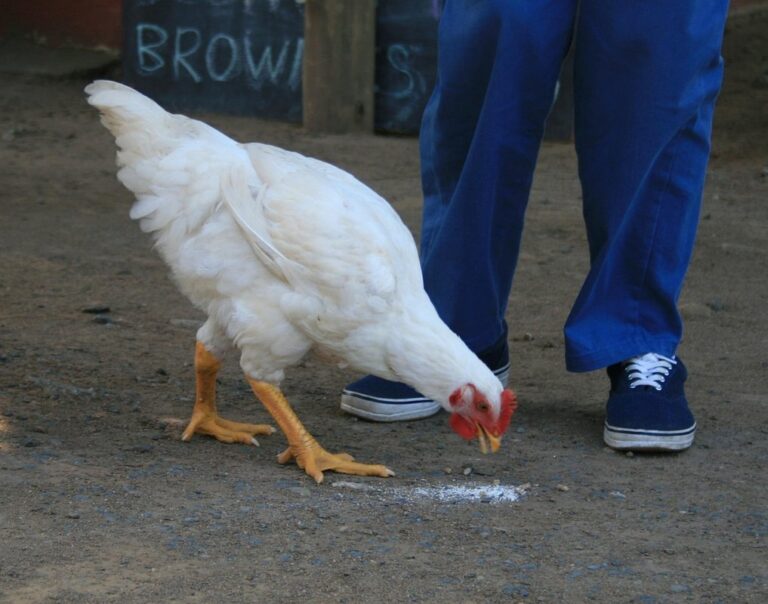
What are Chicken Pecking Wounds?
Let’s take a closer look at what chicken pecking wounds actually are, and how they can impact your flock’s health and wellbeing. We’ll start by defining this common issue.
Definition and Prevalence of Chicken Pecking
Chicken pecking wounds are a type of injury that occurs when chickens aggressively attack and peck at each other’s skin, often resulting in serious lacerations. This behavior is common in both backyard flocks and commercial poultry farms, with studies suggesting that up to 90% of chicken operations experience some level of pecking disorder.
The prevalence of chicken pecking wounds can be attributed to a combination of factors, including stress, boredom, and nutritional deficiencies. When chickens are confined to small spaces or subjected to harsh environmental conditions, they may exhibit abnormal behavior such as aggression and feather pecking. Additionally, dietary imbalances, particularly an overabundance of protein, can contribute to the development of pecking disorders.
In backyard flocks, chicken pecking wounds can be particularly devastating, not only for the affected birds but also for their owners who may struggle to provide adequate care. The psychological impact on both humans and animals should not be underestimated.
Common Signs and Symptoms
If you notice that one of your chickens is constantly pecking at another bird’s eyes, face, or feet, it may be a sign of chicken pecking wounds. This behavior can be distressing to observe, especially if you’re not sure what causes it.
Some common signs and symptoms include:
* Pecking at the eyes, which can cause permanent blindness
* Targeting the face, including the eyes, nostrils, and mouth
* Attacking the feet, which can lead to painful injuries and infections
It’s essential to recognize these behaviors early on, as they can escalate quickly. Chickens may peck at each other due to various reasons, such as stress, boredom, or a lack of adequate nutrition.
If you notice any of these signs, it’s crucial to intervene immediately. Separate the birds involved in the pecking and ensure their living environment is safe and free from stressors. You can also try providing enrichment activities, like foraging toys or scratching posts, to keep your chickens engaged and stimulated.
Causes of Chicken Pecking Wounds
Chicken pecking wounds can be caused by a variety of factors, including stress, overcrowding, and poor nutrition. Understanding these underlying causes is crucial for prevention.
Stress-Induced Behavior
Stress can be a major contributor to aggressive behavior in chickens, leading to pecking wounds. One of the primary reasons for stress is changes in environment. When chickens are moved from one location to another, they may experience a sense of uncertainty and discomfort, causing them to become more aggressive towards each other. For instance, if you’ve recently relocated your chicken coop or introduced new birds into the flock, you may notice an increase in pecking behavior.
Overcrowding is also a significant stressor for chickens. When there’s not enough space for all birds to roam and exercise freely, they may become territorial and competitive, leading to aggressive behavior. A good rule of thumb is to provide at least 5-10 square feet of space per bird in the coop and an additional 2-4 square feet of outdoor run per bird.
Lack of enrichment can also contribute to stress-induced aggression in chickens. Enrichment activities, such as foraging toys or scratch grains, help stimulate mental and physical activity, reducing boredom and stress. To alleviate pecking behavior caused by stress, make sure to provide your flock with adequate space, nutrition, and stimulation to prevent overcrowding and boredom.
Nutritional Factors
Nutritional deficiencies can significantly contribute to chicken pecking behaviors. When chickens are fed diets lacking essential nutrients, they may engage in aggressive pecking as a means of obtaining necessary vitamins and minerals. A common nutritional factor linked to pecking is protein deficiency. If a flock’s diet contains insufficient protein levels, they may develop a condition known as “protein hunger,” leading them to seek out alternative sources of protein through feather pecking.
Calcium imbalance can also play a role in chicken pecking behaviors. When calcium levels are too low, chickens may exhibit abnormal beak growth and develop osteoporosis, causing them to become irritable and aggressive. Conversely, excessive intake of calcium can lead to hypercalcemia, which can cause lethargy and depression.
Maintaining a balanced diet that meets the nutritional needs of your flock is crucial in preventing pecking behaviors. This includes providing adequate amounts of protein, calcium, and other essential nutrients through a well-formulated feed or by supplementing with fresh fruits, vegetables, and grains. Regular monitoring of your chickens’ health and behavior will help you identify potential nutritional issues before they lead to aggression and pecking wounds.
Prevention Strategies
Let’s dive into some practical prevention strategies that can help you identify and address potential triggers before they lead to pecking wounds in your flock. We’ll explore ways to reduce stress and encourage a harmonious coop environment.
Environmental Enrichment
Providing a stimulating environment is crucial to reducing stress and boredom-related pecking behaviors. One way to achieve this is by incorporating scratching posts into the coop. These provide a necessary outlet for chickens to exercise their natural scratching instinct, helping to wear down toenails and release pent-up energy.
In addition to scratching posts, consider adding perches for your flock to roost on. This not only offers them a place to rest but also allows for essential stretching exercises to maintain flexibility in their legs and feet. Foraging areas are another vital component of an enriched environment. These can be created by scattering treats or scratch grains throughout the run, encouraging natural foraging behavior.
Consider incorporating various textures and surfaces into your coop design, such as sand or wood shavings, to provide mental stimulation through exploration. Rotate toys and activities regularly to keep chickens engaged and interested in their surroundings, preventing boredom that may lead to destructive pecking behaviors.
Social Structure and Dynamics
A stable social hierarchy is crucial for maintaining harmony among flock members, which in turn can prevent pecking behavior. Chickens are naturally inclined to establish a pecking order due to their instinctual nature and dominance-driven behavior.
When introducing new birds to the existing flock, it’s essential to do so gradually to minimize stress and competition. A common mistake is bringing in too many new birds at once, which can lead to increased aggression and pecking. Instead, introduce birds one by one, allowing each bird to become familiar with its new surroundings before adding more members.
Separating aggressive individuals is also vital. If you notice a particular chicken exhibiting dominant behavior or targeting others, isolate it from the flock temporarily. Provide individual attention, enrichment activities, and a quiet space for the bird to reduce stress and reevaluate its behavior.
By acknowledging the importance of social structure and implementing these strategies, you can create a harmonious environment where your flock feels safe and secure.
Treatment Options
If you’re looking for ways to heal and prevent chicken pecking wounds, it’s essential to understand your treatment options. We’ll explore the available remedies in this next section.
First Aid for Pecking Wounds
When treating pecking wounds on your chickens, it’s essential to prioritize their safety and well-being. The first step is to clean and disinfect the affected area thoroughly. Start by removing any debris or dead tissue using a sterile saline solution or a diluted bleach solution (1 part bleach to 10 parts water). Gently pat the area dry with a clean towel.
Next, apply a topical treatment to promote healing and prevent infection. You can use a pet-safe antibiotic ointment or a wound spray specifically designed for animals. Apply a thin layer of the product directly to the affected area, making sure not to cover any surrounding skin.
Managing pain is also crucial when treating pecking wounds. You can use a non-steroidal anti-inflammatory (NSAID) like meloxicam or a topical analgesic gel specifically designed for animals. Follow the manufacturer’s instructions carefully and consult with your veterinarian if you’re unsure about the dosage or duration of treatment.
Monitor your chicken’s behavior and wound progress closely, making adjustments to their care as needed. By following these steps, you can help your chickens recover from pecking wounds and prevent further injury.
Addressing Underlying Causes
Addressing the underlying causes of pecking behavior is crucial to preventing future occurrences. When chickens engage in pecking, it’s often a symptom of a larger issue rather than the problem itself. Stress and nutritional deficiencies are common culprits behind pecking behavior.
A lack of adequate protein or essential vitamins and minerals can lead to stress, anxiety, and irritability among hens. For instance, a deficiency in vitamin B12 has been linked to pecking behavior in some flocks. To address this, ensure your flock is receiving a balanced diet rich in protein sources such as mealworms, sunflower seeds, or hard-boiled eggs.
Another key factor contributing to stress and pecking is poor living conditions. Overcrowding, inadequate space for foraging, and lack of enrichment activities can all contribute to a stressful environment. Regularly assess your flock’s needs and make adjustments as necessary. For example, provide enough nesting boxes per hen (at least one per 4-5 hens), ensure adequate scratching posts are available, and rotate their living areas regularly to prevent boredom.
In addition to these measures, introducing activities that promote stress reduction can be beneficial. Try providing dust baths or offering ice packs on hot days to help chickens cool down. By addressing the underlying causes of pecking behavior through changes in management practices, you can create a more harmonious and stress-free environment for your flock.
Managing Aggressive Chickens
If you’re dealing with a flock that’s prone to aggressive pecking, it’s essential to understand why they’re behaving this way and how to address the issue. We’ll cover strategies for calming your feathered friends down.
Identifying Aggressive Birds
Identifying aggressive birds is crucial to preventing pecking wounds in your flock. To start, observe their behavior around feeders and water sources. Aggressive birds often bully others away from these areas, creating a hierarchy within the group. Watch for dominant birds that consistently chase or intimidate their companions.
Also, pay attention to body language. Birds with an aggressive temperament tend to display assertive postures such as raised hackles, spread wings, or direct stares. They may also exhibit aggressive vocalizations like loud squawking or hissing. On the other hand, submissive birds often cower, lower their heads, or avoid confrontations.
The condition of a bird’s feathers can also indicate its temperament. Birds with damaged or missing feathers near the beak or face are more likely to engage in pecking behavior. Conversely, birds with worn or matted feathers may be stressed or anxious, contributing to aggression. By recognizing these warning signs, you can take proactive steps to address aggressive behavior and create a safer, more harmonious flock environment.
Separating Aggressive Individuals
When it comes to managing aggressive chickens, separating them from the rest of the flock is often a necessary step. This can help prevent further pecking wounds and create a safer environment for all birds. One effective strategy is using visual barriers to keep aggressive individuals isolated. You can achieve this by placing dividers or nets between their enclosure and the main coop.
Another option is separating aggressive chickens into individual enclosures or runs. This will not only protect other birds from potential attacks but also provide the aggressor with a safe space where they can’t harm others. Consider designating specific areas for each bird, taking note of their behavior and adjusting as needed.
It’s essential to identify the root cause of aggression before separating aggressive individuals. Once you understand what triggers their behavior, you can take steps to address it. With patience and careful observation, you can create a harmonious flock where all birds feel safe and comfortable.
By implementing these strategies, you’ll be able to reduce pecking wounds and promote a healthier environment within your chicken coop.
Long-Term Solutions and Flock Health
Now that we’ve explored prevention and treatment, it’s time to think ahead to maintaining a healthy flock for years to come by implementing long-term solutions.
Maintaining a Healthy Flock
Maintaining a healthy flock is crucial to preventing pecking wounds. One of the most effective ways to do this is by monitoring your chickens’ behavior and body language. Observe their interactions with each other, particularly during feeding times or when they’re competing for resources. Look out for signs of stress, such as aggression, panting, or feathers fluffed up.
Proper nutrition plays a significant role in maintaining a healthy flock. Ensure that your chickens have access to high-quality feed and fresh water at all times. A balanced diet will help keep them energized and satisfied, reducing the likelihood of pecking wounds caused by hunger or malnutrition.
Adequate housing is also essential for a harmonious flock. Make sure your coop has enough space for each chicken to move around comfortably, with perches and roosts at varying heights to reduce competition. Keep in mind that overcrowding can lead to stress, aggression, and pecking wounds.
By implementing these long-term strategies, you’ll be taking proactive steps towards preventing pecking wounds and maintaining a happy, healthy flock.
The Role of EEAT in Preventing Pecking Wounds
Preventing pecking wounds requires a holistic approach that incorporates the principles of EEAT: Expertise, Experience, Authoritativeness, and Trustworthiness. When it comes to managing flock health, veterinarians and poultry experts play a crucial role in identifying potential risk factors for pecking wounds.
For instance, experienced farmers have developed long-term management practices that prioritize providing adequate space, reducing stress, and promoting social hierarchy within the flock. By doing so, they create an environment where birds are less likely to engage in aggressive behavior. Credible sources such as research studies from universities like the University of California, Davis, support these findings.
Moreover, transparency is key when addressing pecking wounds. Farmers should be accountable for their management practices and willing to adapt when issues arise. This includes providing accurate information about feed quality, health status, and environmental conditions that may contribute to stress or aggression within the flock. By prioritizing EEAT principles, farmers can create a safe and healthy environment where pecking wounds are significantly reduced. Regular monitoring and adaptation of management practices will also help mitigate this issue.
Frequently Asked Questions
Can I use the strategies outlined in this article for a small backyard flock, or are they tailored more towards commercial farms?
Yes! The concepts discussed can be applied to any size of poultry operation, from small backyard flocks to large-scale commercial farms. The key is understanding the underlying causes and addressing them through a combination of behavioral, nutritional, and environmental modifications.
What’s the role of nutrition in preventing chicken pecking wounds, and are there specific supplements or feed types that can help?
Nutritional factors play a significant role in maintaining flock health and reducing the likelihood of pecking disorders. Providing a balanced diet rich in essential amino acids, vitamins, and minerals is crucial. While some studies suggest the use of certain supplements, such as vitamin E and omega-3 fatty acids, it’s also important to maintain a well-rounded feed that meets your chickens’ nutritional needs.
How can I identify an aggressive bird within my flock without causing further stress or injury?
Identifying aggressive birds requires careful observation. Look for signs like frequent pecking at other birds, increased aggression towards humans, and changes in behavior or appetite. It’s essential to monitor the flock closely, especially during feeding times or when introducing new birds.
What if I’ve already implemented some of these strategies, but I’m still experiencing a high incidence of pecking wounds? Are there any advanced techniques or measures I can take?
If initial efforts haven’t yielded the desired results, consider implementing more targeted solutions. For example, you might introduce environmental enrichment items to stimulate foraging behavior and reduce stress. Alternatively, consult with an avian veterinarian or poultry expert to discuss customizing a management plan tailored to your specific operation.
Can I use any of these prevention strategies in conjunction with existing vaccinations or health protocols?
Yes! Many of the prevention strategies outlined can be used in conjunction with standard vaccination and health protocols. In fact, maintaining optimal flock health through a combination of behavioral, nutritional, and environmental measures is often more effective than relying solely on medical interventions.
How long does it typically take to see noticeable improvements in reducing pecking wounds after implementing new management strategies?
The timeline for observing improvement can vary depending on the severity of the issue and the effectiveness of your new strategies. In general, you may start to notice small changes within a few weeks, but significant reductions in pecking incidents often occur within 1-3 months as the flock adapts to their new environment.
What are some common mistakes people make when trying to prevent or treat chicken pecking wounds?
Some common pitfalls include failing to address underlying causes, introducing new birds too quickly, and neglecting environmental enrichment. It’s also essential to recognize that prevention is often more effective than treatment – focusing on creating a harmonious flock environment from the outset can save time, resources, and animal welfare concerns in the long run.
Can I use any of these prevention strategies if my chickens are free-ranging or have access to the outdoors?
Many prevention strategies can be applied regardless of your chickens’ living arrangements. However, it’s essential to consider factors like predator presence, foraging opportunities, and outdoor stressors when developing your management plan.
How often should I monitor my flock’s behavior and adjust my strategies as needed?
Regular monitoring is crucial in ensuring the effectiveness of your prevention strategies. Schedule regular observations to assess changes in behavior, note any signs of stress or aggression, and make adjustments accordingly.