
Are you looking for ways to give your backyard flock an extra boost? Oyster shells have become increasingly popular among chicken keepers as a supplement to their hens’ diets, and for good reason. Not only do oyster shells provide essential nutrients like calcium, but they can also help support strong eggshell production and overall health in layers. However, feeding oyster shells correctly requires some knowledge and consideration to reap the benefits while avoiding potential risks. In this article, we’ll take a closer look at how to feed oyster shells to chickens, including tips on preparation, nutrition benefits, and what to watch out for. Whether you’re raising broilers or layers, we’ll cover everything you need to know to create a successful feeding program that gives your flock the nutrients they need to thrive.
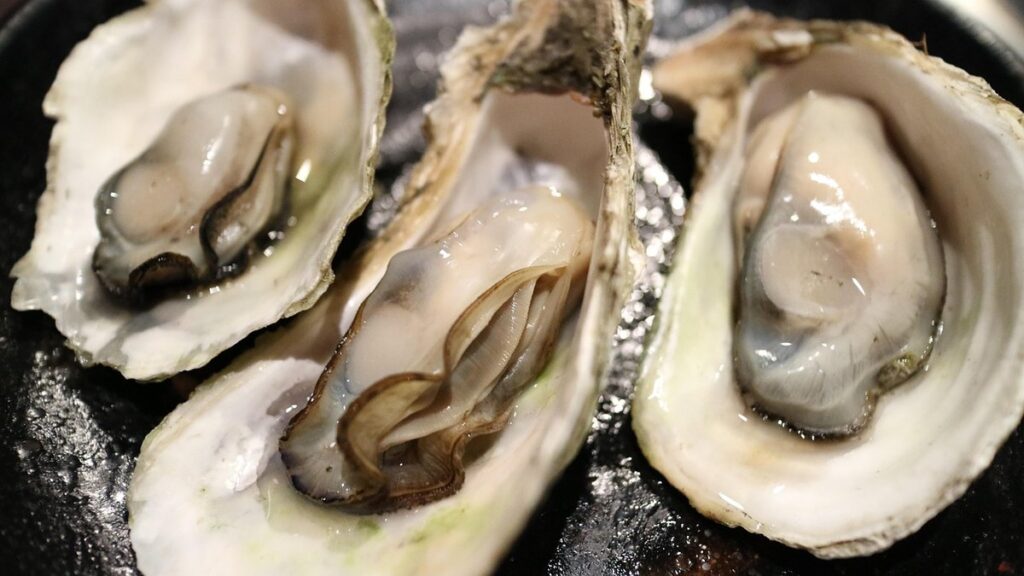
Benefits and Uses of Oyster Shells in Chicken Feed
Oyster shells can provide essential calcium for your hens, but how do you incorporate them into their diet effectively. Let’s explore the benefits and practical uses of oyster shells in chicken feed.
What are Oyster Shells?
Oyster shells are a type of calcium supplement commonly used in chicken feed. They’re made from the shells of oysters, which are harvested and processed into a fine powder or crushed form. This natural product is an excellent source of calcium carbonate (CaCO3), containing up to 95% pure calcium.
Calcium is an essential nutrient for chickens, playing a vital role in maintaining strong bone health and eggshell production. When chickens consume oyster shells, the calcium is easily absorbed into their systems, helping to support optimal growth and development. In fact, research suggests that chickens fed with oyster shells exhibit improved bone density and reduced stress on their skeletal system.
For chicken keepers, choosing a high-quality oyster shell supplement is crucial. Look for products that are 100% pure calcium carbonate and free from additives or fillers. You can also purchase crushed oyster shells in bulk and mix them into your flock’s feed to provide a cost-effective source of calcium.
Nutritional Value of Oyster Shells for Chickens
Oyster shells are an excellent source of essential nutrients for chickens, particularly those that support strong bone health and egg production. One of the most significant benefits of oyster shells is their high calcium content. Calcium is a crucial mineral for chickens as it helps build and maintain strong bones and eggshells. In fact, a study by the University of Florida found that laying hens that received oyster shell supplementation had significantly higher bone density compared to those without supplementation.
In addition to calcium, oyster shells are also rich in magnesium, which is essential for muscle function and nerve health in chickens. Magnesium deficiency can lead to weakness, tremors, and even paralysis in chickens, making it a vital nutrient to provide through their diet. Oyster shells contain approximately 20-25% protein content, which is relatively high compared to other calcium sources.
When incorporating oyster shells into your chicken’s feed, aim for about 1/4 cup of crushed or whole shells per pound of layer feed. This will ensure they receive the necessary nutrients without over-supplementing their diet.
Preparing Oyster Shells for Chicken Feed
Before you start feeding oyster shells to your flock, it’s essential to prepare them correctly by crushing and sorting through any debris. This simple process will ensure a safe and nutritious supplement for your chickens.
Cleaning and Grinding Oyster Shells
Properly cleaning and grinding oyster shells is crucial to prevent any potential health risks or digestive issues for your chickens. If you’ve collected fresh oyster shells from the beach or purchased them online, it’s essential to clean them thoroughly before using them as a calcium supplement.
First, rinse the oyster shells in cold water to remove any dirt or debris. Next, soak them in a solution of 1 part white vinegar to 10 parts water for about an hour. This will help loosen and dissolve any impurities that may be present. After soaking, scrub the shells with a soft-bristled brush to remove any remaining debris.
Once cleaned, dry the oyster shells thoroughly before grinding them into a fine powder using a grain mill or coffee grinder. Be cautious not to over-grind the shells, as this can create a fine dust that may be inhaled by your chickens. Aim for a coarse grind that will allow them to easily access the calcium they need.
Remember to always use clean and dry equipment when grinding oyster shells to prevent contamination. This simple process ensures that your chickens receive a safe and healthy source of calcium, promoting strong eggshell production and overall health.
Mixing Oyster Shells with Other Foods
When mixing oyster shells with other foods for chicken feed, it’s essential to strike the right balance. A general rule of thumb is to add 2-3% oyster shell powder to their regular layer mash or pellets. This means if you’re feeding 100 pounds of feed per day, you’d add 2-3 pounds of oyster shell powder.
For chicks and pullets (young hens), start with a smaller ratio, around 1-2% oyster shell powder, as they require less calcium during growth stages. As they mature into layers, you can gradually increase the ratio to 2-3%. If your flock is prone to health issues like egg binding or weak legs, consider adding more oyster shells, up to 5% of their total diet.
Remember to also provide a balanced and complete feed as the main staple, and supplement with oyster shells only if necessary. It’s also crucial to mix the oyster shell powder thoroughly into the feed to prevent any lumps or uneven distribution.
Adding Oyster Shells to a Chicken’s Diet
Now that we’ve discussed why oyster shells are beneficial for chickens, let’s dive into how to safely and effectively add them to your flock’s diet.
How to Offer Oyster Shells Free Choice
Providing oyster shells free-choice is an excellent way to ensure all chickens have access to this essential calcium supplement. To set up an oyster shell feeder or provide free-choice, you’ll need a dedicated feeding station with easy access for the birds. Start by placing the feeder in a quiet area where the chickens can easily reach it without feeling threatened.
For free-choice oyster shells, place them in a shallow dish or tray near their roosting bar. Make sure to position it at a height that’s comfortable for all the hens to access. You can also consider using a feeding trough specifically designed for oyster shells, which will keep the supplement clean and dry.
When providing free-choice oyster shells, make sure to offer enough space for each hen to access them comfortably. A general rule of thumb is about 1-2 pounds of oyster shells per 10 birds, depending on their age and breed. Keep an eye on your flock’s intake to ensure they’re not overconsumption, which can lead to digestive issues. By following these steps, you’ll be providing a convenient way for all your chickens to enjoy this essential calcium supplement.
Monitoring Chickens’ Calcium Intake
Monitoring calcium levels in chicken feed is crucial to prevent mineral deficiencies and maintain overall flock health. You can do this by regularly checking the calcium content of their feed and adjusting the amount of oyster shells accordingly.
You’ll want to determine how many oyster shells to provide based on factors such as age, breed, and nutritional requirements. Generally speaking, chickens that are about to lay eggs require more calcium than those that aren’t. For every 100 pounds of layer feed, add 1/2 cup to 3/4 cup of crushed oyster shells.
To give you a better idea, consider this: laying hens need around 6-8% calcium in their diet during peak production months. If your flock’s current feed contains less than that amount, supplement with the recommended amount of oyster shells. Monitor their consumption to ensure they’re getting enough without over-supplementing.
Keep track of feeding amounts and note any changes in eggshell quality or overall health.
Potential Risks and Considerations
While feeding oyster shells to your chickens can have numerous benefits, there are also some potential risks and considerations you should be aware of when doing so. These include common mistakes to avoid.
Overfeeding Oyster Shells: A Risk of Hypercalcemia
Overfeeding oyster shells can have serious consequences for your chickens’ health. One of the most significant risks is hypercalcemia, a condition characterized by elevated calcium levels in the blood. This can lead to a range of symptoms, including lethargy, loss of appetite, and difficulties walking or standing.
As calcium builds up in the bloodstream, it can cause damage to vital organs such as the kidneys, liver, and heart. In severe cases, hypercalcemia can be fatal. Chickens that are already prone to metabolic bone disease (MBD) are particularly susceptible to developing hypercalcemia from excessive oyster shell consumption.
To avoid this risk, it’s essential to monitor your chickens’ intake of oyster shells carefully. A general rule of thumb is to provide 1-2% of their total diet as oyster shells. This means that for a flock of 10 birds, you would offer approximately 1/4 cup of crushed oyster shells per day.
Keep in mind that individual chickens have different needs, and some may require more or less calcium than others. Be sure to consult with your veterinarian or poultry expert to determine the best feeding strategy for your flock.
Alternatives to Oyster Shells for Calcium Supplementation
If you’re concerned about the potential risks associated with feeding oyster shells to your flock, there are alternative sources of calcium that can be just as effective. For instance, crushed eggshells can provide a similar boost to calcium levels without the risk of over-supplementation. Simply dry and crush the eggshells into small pieces, then mix them into your chicken’s feed or offer them as a treat.
Another option is to use crushed limestone or dolomitic limestone, which are both high in calcium carbonate and can be added to your chicken’s diet in moderation. However, it’s essential to note that these alternatives should not be used in excess, as they can also lead to an imbalance of minerals in the birds’ bodies.
You may also consider using dark leafy greens such as kale or collard greens, which are rich in calcium and can be easily incorporated into your chicken’s diet. These alternatives can provide a natural source of calcium without the potential risks associated with oyster shells.
Health Benefits for Specific Chicken Populations
When it comes to providing oyster shells specifically, different chicken populations have unique requirements that can impact their health and well-being. Let’s explore these individual needs in more detail.
Layers and Egg Production
As hens reach the end of their laying cycle, typically around 4-5 years of age, eggshell production starts to decline. This is a natural process, but it can be accelerated by nutritional deficiencies, particularly calcium and phosphorus imbalances. Oyster shells are an excellent supplement for supporting strong eggshell production during this time.
Calcium from oyster shells is easily absorbed by hens, helping to maintain the integrity of their eggshells. In fact, research has shown that hens fed oyster shell supplements have a 15-20% increase in calcium intake compared to those not receiving supplementation. As a result, eggs laid by these hens have thicker, stronger shells.
To implement this supplement effectively, crush or grind the oyster shells into small pieces and mix with their regular feed. A general rule of thumb is to provide about 2-3 tablespoons per layer hen per week. Monitor your flock’s egg production and adjust the amount accordingly, ensuring they receive a consistent flow of calcium-rich nutrients.
Broilers and Grower Chickens
When it comes to young chickens, particularly broilers and growers, oyster shells can be a game-changer for their health and development. These birds require a steady supply of calcium to support rapid growth rates and the formation of strong bones.
The addition of oyster shells to their diet helps bridge this nutritional gap, ensuring they get all the necessary calcium and other essential minerals. Regular consumption of crushed or ground oyster shells can lead to improved bone density, reduced risk of leg problems, and even faster growth rates.
In fact, studies have shown that chickens fed with oyster shells exhibit a significant increase in weight gain compared to those without access to these supplements. This is especially crucial for broilers, which are bred specifically for their rapid growth rate and can benefit from an extra boost of calcium during this critical period.
By incorporating oyster shells into your young chicken’s diet, you’ll be giving them the best possible start in life, setting them up for optimal health and productivity as they mature.
Tips for Successful Oyster Shell Feeding Programs
To make the most out of oyster shell feeding, it’s essential to follow some key guidelines that will ensure your chickens receive the calcium boost they need. Let’s dive into some valuable tips for a successful program.
Managing Pests and Mold in Stored Oyster Shells
When storing oyster shells for your chickens’ feeding program, it’s essential to implement effective management strategies to prevent pest infestations and mold growth. To keep the shells clean and free from contaminants, store them in a dry, well-ventilated area away from direct sunlight.
To maintain hygiene, regularly inspect the stored oyster shells for signs of pests such as rodents, insects, or mites. If you notice any infestation, immediately transfer the affected shells to a separate container or discard them altogether.
For long-term storage, consider sealing the containers with airtight lids or ziplock bags. This will prevent moisture from entering and causing mold growth. Check the stored oyster shells every few weeks for signs of mold, fungus, or algae. Remove any affected shells promptly to maintain the quality of the remaining oyster shells.
Remember that clean and dry storage conditions are critical in maintaining the nutritional value of oyster shells. Always prioritize proper handling and storage techniques to ensure your chickens receive the best possible nutrition from their feed supplement.
Monitoring Flock Health with Oyster Shell Consumption
Monitoring flock health through oyster shell consumption is an essential aspect of a successful feeding program. By tracking how much oyster shells each chicken consumes, you can gain valuable insights into their calcium intake and overall health. For instance, if a particular bird is consistently eating more oyster shells than others, it may indicate that they’re experiencing a higher demand for calcium due to factors like molting or egg production.
To monitor oyster shell consumption effectively, consider the following strategies:
* Provide multiple feeding stations: This will encourage birds to move around and eat at different locations, making it easier to track individual consumption.
* Use a standardized measurement method: Weigh out equal portions of oyster shells for each bird or feeding station to ensure consistency and accuracy in tracking consumption.
* Take regular readings: Record the amount of oyster shells consumed over time to identify patterns and trends within your flock.
By keeping a close eye on oyster shell intake, you’ll be better equipped to identify potential health issues early on and make informed decisions about your flock’s nutrition. Remember that every flock is unique, so it’s crucial to regularly assess their individual needs and adjust your feeding program accordingly.
Frequently Asked Questions
Can I mix oyster shells with other supplements or treats to enhance their calcium content?
You can, but it’s essential to balance the amounts carefully to avoid overfeeding your chickens. Aim for a general guideline of 2-4% of an oyster shell mixture in their total diet. Monitor your flock’s consumption and adjust accordingly. Mixing oyster shells with other supplements or treats requires attention to ensure you’re not overwhelming their digestive system.
How do I know if my chickens are getting enough calcium from oyster shells?
Keep a close eye on your flock’s eggshell production, as it’s an excellent indicator of their overall calcium intake. Strong, clean eggs indicate adequate calcium levels. Monitor the condition and color of beaks, nails, and feathers for signs of calcium deficiency. Regularly inspect your chickens’ overall health and adjust oyster shell feeding amounts accordingly.
Can I use crushed oyster shells as a direct replacement for grit in my flock’s feed?
No, while both are calcium-rich sources, they serve different purposes. Crushed oyster shells should be offered separately from other foods to ensure optimal digestion. Grit, on the other hand, helps with grinding food particles and aids digestion but doesn’t provide significant amounts of calcium.
How do I store oyster shells long-term without compromising their quality or risking pests?
Store oyster shells in a clean, dry environment away from direct sunlight and moisture. Use breathable containers to prevent mold buildup. Seal the containers tightly once you’ve added the desired amount to your flock’s feed. Regularly inspect stored oyster shells for signs of spoilage or pest infestation.
Can I mix ground oyster shell into my chickens’ mash or pellet feed?
Yes, but only use a small percentage (about 2-3%) as it can cause digestive issues in large quantities. Oyster shells are most effective when offered free-choice to allow each chicken to consume the optimal amount based on their individual needs. Mixing too much oyster shell into their feed can lead to an imbalance of calcium and other nutrients.