
If you’re raising chickens for eggs or meat, you’ve likely heard about the benefits of pasture-raised poultry. But have you considered taking your flock to the next level with chicken grazing? This approach isn’t just a trend – it’s a game-changer for chicken health and nutrition. By allowing your birds to forage freely in a safe outdoor environment, you can boost their immunity, improve their feed efficiency, and even enhance the flavor of your eggs or meat.
In this article, we’ll delve into the world of chicken grazing, exploring its benefits, challenges, and best practices. Whether you’re a small-scale farmer looking to scale up your operation or simply want to give your flock a healthier, happier life, we’ll cover everything you need to know about making chicken grazing work for you – from the improved health and nutrition benefits to tips on how to integrate it into your business model.
Understanding the Basics of Chicken Grazing
Let’s start from scratch and explore what chicken grazing is all about, including its benefits for your flock. We’ll break down the basics to ensure you have a solid foundation.
What is Chicken Grazing?
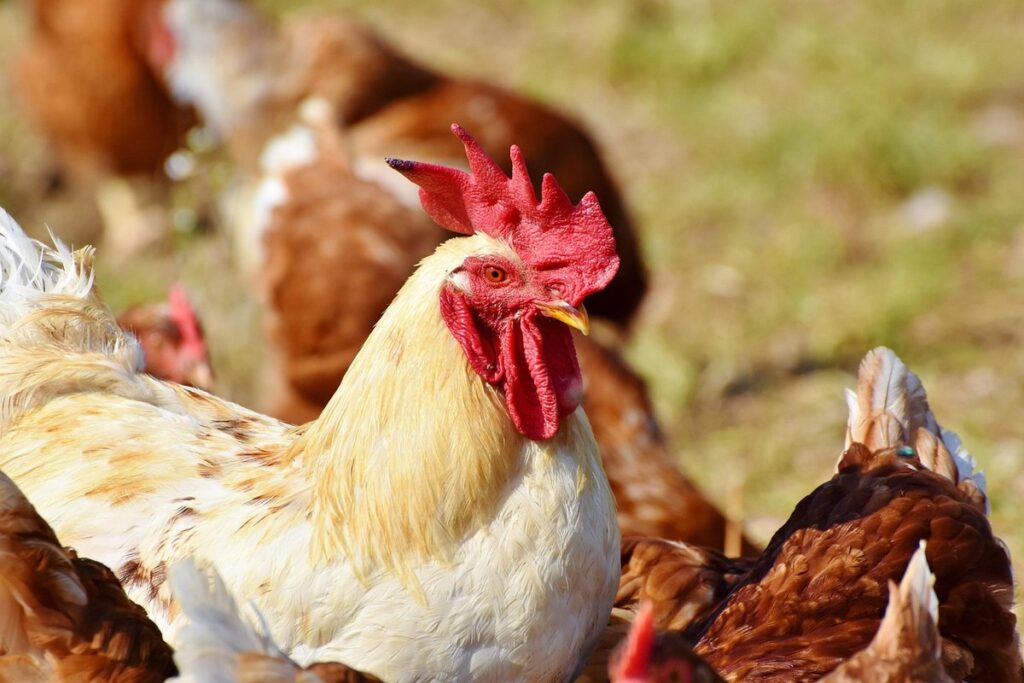
Chicken grazing is an innovative approach to raising chickens that’s gaining popularity among backyard farmers and commercial producers alike. In traditional chicken farming methods, birds are confined to small enclosures with limited space to roam and forage. In contrast, chicken grazing involves allowing chickens to freely range on pastureland, where they can peck at grasses, insects, and other inedible plants.
This method is often referred to as “free-range” or “pasture-raised,” but it’s more than just a label – it’s a fundamentally different way of raising chickens. By giving birds access to the outdoors, you’re providing them with essential nutrients, exercise, and mental stimulation that traditional confinement can’t match.
As chickens forage on pasture, they scratch up bugs, worms, and other invertebrates, which are rich in protein and micronutrients. This process also helps aerate the soil, reducing the need for synthetic fertilizers and promoting a healthier ecosystem. By adopting chicken grazing practices, you’re not only improving the welfare of your birds but also creating a more sustainable and eco-friendly farming operation.
History of Chicken Grazing
Chicken grazing has its roots in traditional farming practices that date back to ancient times. In many cultures, chickens were allowed to forage for food and exercise freely, leading to healthier and more robust birds. However, the concept of chicken grazing as we know it today gained momentum in the 1990s with the work of pioneers like Joel Salatin.
Salatin’s polyculture approach, which involves integrating multiple species on a single farm, paved the way for modern chicken grazing practices. His focus on rotational grazing and diverse forages helped to improve soil health, reduce pests and diseases, and increase yields. Other notable figures in the field include Gail Borden, who wrote extensively on the benefits of free-range chicken production, and Mark Shepard, a permaculture expert who has developed innovative systems for integrating chickens into forest ecosystems.
As we continue to learn from these pioneers, it’s essential to understand that chicken grazing is not just about letting chickens roam; it’s about creating holistic systems that promote biodiversity, improve animal welfare, and enhance farm productivity.
Advantages of Raising Chickens on Pasture
Raising chickens on pasture offers numerous benefits for both your flock and the environment, from improved egg quality to reduced health risks. Let’s dive into the advantages of this approach.
Improved Health and Well-being
Raising chickens on pasture isn’t just about providing them with a nutritious diet; it also significantly impacts their physical and mental well-being. When chickens are allowed to forage freely outdoors, they engage in natural behaviors that reduce stress and promote overall health.
Unlike confined poultry operations, where birds can become anxious or depressed from lack of stimulation, pasture-raised chickens get to exercise and roam freely. This physical activity helps burn off excess energy, reducing the likelihood of obesity-related problems and related health issues like heart disease.
In fact, studies have shown that pasture-raised chicken populations tend to have longer lifespans compared to those raised in factory farms. With access to diverse food sources, fresh air, and sunshine, chickens are less susceptible to common diseases like respiratory infections and parasites.
By implementing a chicken grazing system on your farm or backyard, you can provide your flock with an optimal environment for growth and well-being. This not only ensures healthier birds but also contributes to a more sustainable and eco-friendly food production practice.
Enhanced Nutrient Profile of Eggs
When you raise chickens on pasture, they have access to a diverse range of plants and insects that significantly enhance their nutrient profile. This translates into better nutrition for those who consume their eggs. Compared to conventionally produced eggs, pasture-raised eggs contain higher levels of omega-3 fatty acids, vitamins A and E, and other essential nutrients.
These healthier fat profiles contribute to improved brain function and may even help alleviate symptoms of anxiety and depression. The elevated vitamin content is particularly significant for eye health and immune system function. In fact, studies have shown that pasture-raised eggs contain up to 20% more omega-3s and 10 times more conjugated linoleic acid (CLA) than conventionally raised eggs.
If you’re considering raising your own chickens on pasture or purchasing pastured eggs from a local farmer, keep in mind that the nutritional benefits can vary depending on factors such as feed quality, access to sunlight, and overall living conditions. By choosing pasture-raised options and maintaining optimal grazing practices, you can unlock the full potential of these nutritious food sources for yourself and your family.
Setting Up a Chicken Grazing System
When setting up a chicken grazing system, you’ll want to consider the size and shape of your pasture, as well as the type of fencing needed to keep your birds contained.
Choosing the Right Breed for Pasture-Raised Chickens
When it comes to setting up a chicken grazing system, choosing the right breed of chicken is crucial for their health and well-being. Not all breeds are created equal when it comes to foraging and thriving on pasture. Some breeds are naturally more inclined to roaming and searching for food, while others may require more careful management.
Breeds like Leghorns, Wyandottes, and Brahma chickens are excellent choices for pasture-raised farming due to their hardiness and high foraging ability. These birds are built for endurance and can easily cover long distances in search of food and water. They also tend to be quieter and less aggressive than some other breeds, making them a great fit for smaller farms or homesteads.
When selecting a breed for your pasture-raised flock, look for characteristics like strong legs, robust bodies, and a calm temperament. Some popular breeds that excel in these areas include Australorps, Marans, and Plymouth Rock chickens. By choosing the right breed for your operation, you can ensure that your chickens will thrive on pasture and provide you with healthy, delicious eggs.
Fencing and Enclosures for Free-Range Systems
When setting up a chicken grazing system, one of the most critical components is designing and constructing secure fencing and enclosures. This not only ensures the chickens’ safety but also allows them to roam freely while minimizing the risk of escape or predation.
A good starting point is to assess your property’s topography and identify any potential hazards such as waterways, slopes, or nearby wildlife habitats. You’ll want to create a perimeter fence that is sturdy enough to withstand wind, weather, and any attempts by predators to breach it.
When choosing materials for your fencing, opt for durable options like wooden posts, high-tensile wire, or electrified netting. Consider installing a double-gated entrance to prevent chickens from escaping and also make it easier for you to access the enclosure. The enclosure itself should be designed with adequate space for the flock to move around comfortably, taking into account factors like sunlight exposure and wind protection.
For smaller areas, you can use chicken runs or portable fencing systems that provide a safe zone for the chickens to graze within. These can be easily set up or relocated as needed.
Managing a Pasture-Based Chicken Farm
When managing a pasture-based chicken farm, it’s essential to balance your flock’s needs with the health of the land and the ecosystem. This section will walk you through practical strategies for achieving that delicate balance.
Rotational Grazing Practices
Rotational grazing is a game-changer for pasture-based chicken farming systems. By moving your chickens to fresh pasture regularly, you can maintain soil health, reduce erosion, and promote biodiversity – all of which are essential for raising healthy, happy birds.
When your chickens graze in the same spot continuously, they can compact the soil with their feet, leading to erosion and nutrient depletion. But by rotating them to a new area every 1-3 days, you allow the soil to recover and rebuild its structure. This process also reduces the need for fertilizers and pesticides, as the grazing chickens act as nature’s own fertilizer applicators.
Rotational grazing is all about mimicking natural grazing patterns. For example, consider mimicking a grassland ecosystem by moving your chickens through 3-5 distinct pasture zones throughout the day or week. This will allow each zone to recover and regrow between grazings, promoting a lush, diverse landscape that supports a wide range of flora and fauna. By adopting rotational grazing practices, you’ll be creating a thriving ecosystem that benefits both your birds and the environment.
Monitoring and Recording Keeping for Optimal Results
Monitoring weather patterns is crucial to maintaining optimal results from your pasture-based chicken farm. Extreme temperatures can be detrimental to your flock’s health and productivity, so it’s essential to keep a close eye on forecasted temperature fluctuations. A sudden heatwave or cold snap can quickly become life-threatening for your chickens if not managed properly.
To stay ahead of the weather, consider investing in a reliable weather monitoring system that can alert you to impending extreme weather conditions. This will enable you to take proactive measures to protect your flock, such as providing additional shade or adjusting feeding schedules.
Another critical factor to monitor is parasite loads. Regularly checking for internal and external parasites like lice, mites, and worms is essential to maintaining the health of your chickens. Perform regular fecal egg counts and maintain a clean and hygienic coop to minimize the risk of infestation.
By keeping a close eye on these key factors, you can make informed decisions about managing your chicken grazing system, ensuring that your flock remains healthy and productive throughout the year. Regular monitoring will also help you identify potential issues before they become major problems.
Common Challenges and Solutions in Chicken Grazing
As you start implementing chicken grazing on your farm, you’ll likely encounter some common obstacles that can be frustrating to overcome. Let’s explore how to address these challenges and find solutions together.
Predators and Pests Management
Predators and pests can be significant challenges when it comes to chicken grazing. Foxes and coyotes are common predators that may see your flock as a potential meal, while mites and ticks can be pesky internal parasites. To prevent these issues, consider the following steps.
When introducing your flock to a new grazing area, thoroughly inspect the land for any signs of predators or pests. Check for burrows, tracks, or other evidence that might indicate their presence. Consider using physical barriers such as fencing or netting to protect your chickens from aerial predators like hawks and owls.
Regularly monitoring your flock’s health is also crucial in identifying potential pest issues early on. Keep an eye out for signs of mite or tick infestations, such as excessive scratching or lethargy. Use diatomaceous earth or other approved treatments to control internal parasites, and make sure to keep the coop clean and free from debris.
Some chicken owners have found success in implementing companion animals like dogs or donkeys to help guard against predators. Consider working with a professional to develop an integrated pest management plan tailored to your specific situation. By being proactive and taking these steps, you can minimize the risks associated with predators and pests in your chicken grazing operation.
Disease Prevention and Control Measures
In a pasture-raised chicken system, disease transmission is a significant concern. To minimize this risk, it’s essential to implement effective vaccination strategies, sanitation practices, and quarantine procedures. Regular vaccinations can protect against common diseases such as Newcastle disease, avian influenza, and Marek’s disease. However, it’s crucial to follow the recommended vaccination schedule and consult with a veterinarian to determine the best approach for your flock.
Sanitation is also vital in preventing disease transmission. This includes regular cleaning of coops, feeders, and waterers, as well as maintaining a clean and dry pasture area. Remove any dead birds or debris promptly, and implement proper waste management practices to prevent contamination. Quarantine procedures should be in place for new birds entering the flock, including a minimum 30-day isolation period to monitor for signs of disease.
Proper biosecurity measures can also help prevent disease transmission. This includes controlling human traffic, wearing protective clothing when handling birds, and implementing strict cleaning and disinfection protocols.
Scaling Up and Marketing Pasture-Raised Chicken Products
As you consider expanding your pasture-raised chicken operation, it’s essential to develop a solid marketing strategy that showcases the unique benefits of your products. We’ll walk through key considerations for scaling up and successfully promoting your regenerative poultry offerings.
Market Trends and Consumer Demand
As you scale up and market your pasture-raised chicken products, it’s essential to understand the current market trends that will drive consumer demand. The demand for sustainable and humane food products has been steadily increasing over the past few years, with consumers willing to pay a premium for high-quality, humanely raised poultry.
According to a recent survey, 72% of consumers consider animal welfare when making purchasing decisions, while 64% prioritize environmental sustainability (Source: National Restaurant Association). This shift in consumer behavior creates an opportunity for farmers who adopt regenerative and pasture-based chicken farming practices.
When it comes to pricing, pasture-raised chicken products can command a higher price point due to the natural and humane conditions. On average, consumers are willing to pay around $5-7 per pound more for pasture-raised chicken compared to conventionally raised poultry (Source: USDA). By focusing on high-quality production methods and emphasizing animal welfare and environmental sustainability, farmers can capitalize on this growing demand and create new revenue streams.
To effectively market your products, emphasize the benefits of regenerative farming practices, such as improved soil health, biodiversity, and ecosystem services. Highlighting these unique selling points will not only attract environmentally conscious consumers but also contribute to a more sustainable food system.
Labeling and Certification Programs for Pasture-Raised Chickens
Labeling and certification programs play a crucial role in differentiating high-quality pasture-raised chicken products from conventional ones. When consumers choose to buy pasture-raised chicken, they’re often looking for transparency about how the birds were raised. That’s where labeling and certification come in.
Programs like “Pasture-Raised” and “Certified Humane” provide a third-party verification that ensures the chickens have been raised according to specific standards. For instance, Certified Humane requires that animals be provided with access to pasture, shade, and shelter, as well as adequate ventilation and clean living conditions.
To take advantage of these programs, producers can explore certification options like American Pastured Poultry Association (APPA) or Animal Welfare Approved (AWA). These organizations provide a framework for producers to follow, ensuring consistency and quality across different farms. By adopting labeling and certification programs, producers can build trust with consumers and differentiate their products in the market.
Incorporating these labels into marketing strategies can also help producers reach a wider audience and drive sales.
Frequently Asked Questions
How do I ensure my chickens are safely accessing the pasture without escaping or getting injured?
When introducing your flock to a free-range system, it’s essential to create a safe transition. Start by gradually increasing their time on pasture and monitor their behavior closely. Install fencing that is at least 3 feet high and make sure any gaps or openings are securely closed. Consider using electric netting or temporary fencing for easy mobility.
Can I mix breeds of chickens when implementing a chicken grazing system, or should I stick to one breed?
While it’s possible to raise multiple breeds together, it’s crucial to consider their compatibility and needs. Choose breeds that have similar temperaments and requirements, such as foraging ability and hardiness. Researching the specific needs of your chosen breeds will help ensure a harmonious flock.
What are some common predators I should be aware of when implementing a free-range system, and how can I protect my flock?
Predators like foxes, coyotes, and hawks are common threats to chicken flocks. To minimize risk, invest in secure fencing that extends at least 3 feet below ground level to prevent digging. Consider using guard animals or installing protective netting over pens. Regularly monitoring your flock’s behavior and inspecting the property for signs of predator activity will also help.
How can I maintain record-keeping for my pasture-raised chicken farm, especially when it comes to rotation grazing practices?
Accurate record-keeping is vital for optimizing results in a rotational grazing system. Use a calendar or spreadsheet to track your flock’s movements, noting dates, times, and observations of their health and behavior. Monitor soil quality and plant growth, adjusting your rotation schedule as needed. Regularly reviewing these records will help you refine your strategy.
Can I still implement a chicken grazing system if my property has limited space or is densely populated with other livestock?
While larger spaces are ideal for free-range systems, it’s not impossible to make chicken grazing work on smaller properties. Consider using mobile fencing or temporary enclosures to create “pasture pockets” within your existing infrastructure. Research breeds that are more efficient in resource use and adopt strategies like intensive rotational grazing to maximize space utilization.