
Are you tired of breaking the bank on expensive chicken feed? Do you want to give your flock the freedom to roam and forage like they were meant to? Backyard chicken foraging is not only cost-effective, but it’s also a great way to boost egg production and improve overall health. By allowing your chickens to forage outdoors, you can reduce their reliance on processed feed and create a more natural living environment.
In this article, we’ll show you how to create a foraging-friendly environment in your backyard and introduce your chickens to the great outdoors with ease. We’ll cover expert tips on selecting the perfect spot, providing adequate shelter and nutrition, and safely introducing your flock to outdoor areas. By implementing these simple strategies, you can reduce feed costs, increase egg production, and enjoy a more stress-free chicken-keeping experience.
Introduction to Chicken Foraging
Let’s start with the basics of chicken foraging, where we’ll cover what it is, why your flock needs it, and how to safely introduce foraging into their daily routine.
What is Chicken Foraging?
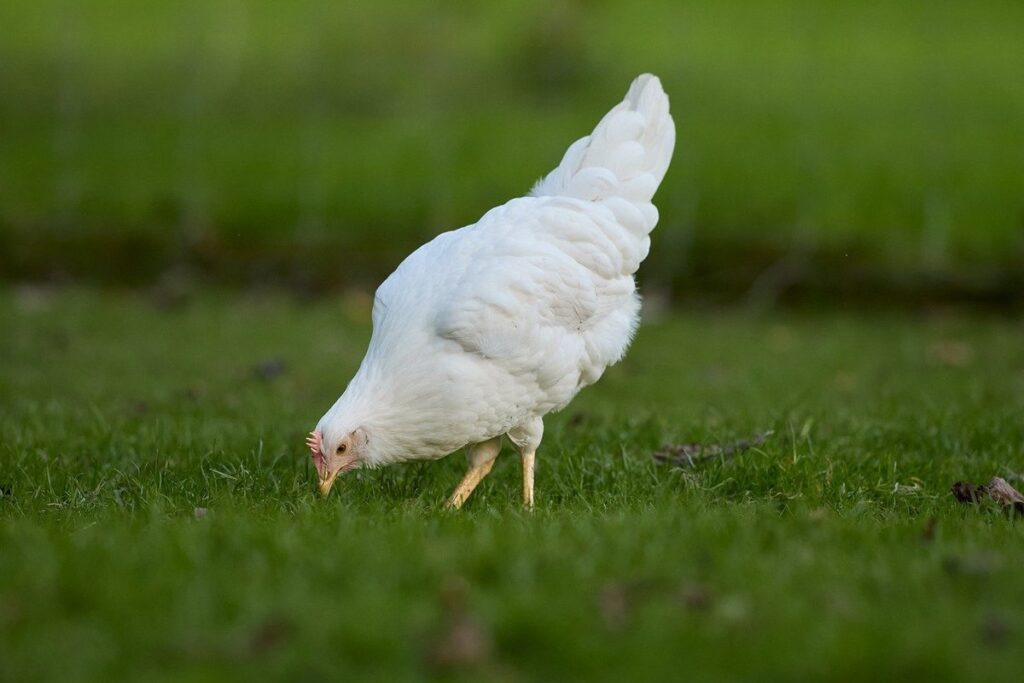
Chicken foraging is an essential aspect of raising healthy chickens. It’s a natural behavior where chickens are encouraged to search for and gather food on their own, mimicking their wild ancestors’ foraging habits. By allowing your flock to forage, you’re not only providing them with mental stimulation but also giving them the opportunity to exercise and engage in instinctual behaviors.
Foraging helps chickens develop strong legs and feet, improves their pecking skills, and even aids in digestion. It’s also a great way to reduce feed costs and encourage your flock to eat nutritious foods that are rich in vitamins and minerals. When chickens forage, they’re more likely to scratch up soil, plants, and insects, which makes them healthier and happier.
To start chicken foraging, begin by creating a safe and inviting area with plenty of space to roam. Include a mix of plants, fruits, and vegetables that are safe for your flock to eat. Supervise your chickens during their first few foraging sessions to ensure they understand what’s allowed and what’s not. With time and practice, your chickens will become expert foragers, and you’ll be rewarded with happy and healthy birds.
Importance of Foraging for Chickens’ Health
Foraging is not just about providing chickens with a varied diet; it’s also essential for their overall health and well-being. When allowed to forage freely, chickens engage in natural behaviors that benefit their physical and mental health.
Chickens that forage regularly tend to have stronger immune systems due to the diverse range of microorganisms they encounter through direct contact with soil, plants, and other environmental factors. This exposure helps build a robust gut microbiome, which plays a crucial role in disease prevention and overall health. A study by the University of Kentucky found that chickens raised on pasture had significantly lower rates of mortality compared to those confined to conventional housing.
Foraging also provides mental stimulation for chickens, reducing stress and boredom. Chickens are intelligent creatures that require physical activity and exploration to stay happy and healthy. When given the opportunity to forage, they engage in natural behaviors like pecking, scratching, and digging, which not only exercise their muscles but also satisfy their instinctual needs.
Regular foraging activities can help reduce the risk of health issues such as obesity, which is a significant problem in many commercial chicken operations. By providing chickens with regular access to foraging areas, you can promote a healthier lifestyle for your flock while enjoying the benefits of fresh, nutritious eggs and a more sustainable and enjoyable farming experience.
Benefits of Backyard Chicken Foraging
Letting your chickens roam free in your backyard not only keeps them entertained, but also provides a convenient and natural way to supplement their diet.
Reduced Feed Costs
Allowing your backyard chickens to forage can be a game-changer when it comes to reducing their reliance on commercial feed. By giving them access to the outdoors and allowing them to scratch and peck at grass, insects, and other edible treats, you’re providing them with essential nutrients that would otherwise come from a bag of expensive feed.
One of the most significant benefits of foraging is the reduction in nutrient requirements. Chickens that forage naturally tend to require less protein and calcium in their diet, which can save you up to 30% on commercial feed costs. According to a study published by the University of California, Davis, chickens fed a combination of commercial feed and fresh vegetables had higher egg production rates and better overall health compared to those fed only commercial feed.
To get started with foraging, make sure your flock has access to a secure outdoor area where they can roam freely. Provide them with a mix of grasses, weeds, and insects, and watch as they do the rest. With time, you’ll find that your chickens are healthier, happier, and producing more eggs than ever before – all while saving you money on feed costs!
Increased Egg Production
When you introduce foraging to your backyard chicken flock, one of the most significant benefits is an increase in egg production. Foraging allows hens to engage their natural instinct to search for food, which not only enhances their mental and physical well-being but also leads to a more efficient use of nutrients.
As chickens forage, they expend energy searching for food, which can lead to increased muscle tone and overall health. This heightened activity level enables them to produce eggs that are richer in omega-3 fatty acids and other essential vitamins and minerals. In fact, studies have shown that hens fed a diet supplemented with wild plants and insects lay larger, more nutritious eggs than those on conventional feed alone.
To encourage foraging and reap the benefits of increased egg production, provide your flock with access to diverse forage options. Include herbs like parsley and cilantro, leafy greens such as kale and spinach, and weeds like dandelion and plantain in their daily menu.
Better Flock Management
Foraging is more than just providing your chickens with a tasty meal; it’s also an effective way to manage their behavior and promote a healthy flock dynamic. By giving them the freedom to forage, you’re encouraging natural pecking order establishment, which can reduce stress and aggression within the group.
In traditional backyard chicken keeping, flock members are often confined to small spaces with limited opportunities for exploration. This can lead to boredom, anxiety, and dominance struggles among chickens. However, when provided with a foraging area, hens will naturally sort themselves out according to their individual personalities and roles within the flock.
By allowing your flock to forage, you’re also reducing competition for food and resources, as each bird has access to its own foraging territory. This helps prevent stress caused by dominance struggles over limited feeders or water sources. As a result, your chickens will be more relaxed, energetic, and productive, which is especially important if you plan on collecting eggs from your flock regularly.
By incorporating foraging into your backyard chicken keeping routine, you’ll not only be providing your hens with a nutritious diet but also creating a harmonious and stress-free living environment.
Creating a Foraging Environment
Creating a foraging environment is crucial for your chickens’ health and happiness, and it’s simpler than you might think. Let’s explore how to set up a safe and successful forage zone for your flock.
Choosing the Right Location
When selecting a location for your chickens to forage, it’s essential to consider accessibility and predator safety. Ideally, choose an area that is easily accessible from the coop, reducing stress on your birds during feeding time. A fenced garden or orchard is an excellent option, allowing your chickens to roam freely while keeping them secure.
When evaluating potential locations, also think about the terrain and vegetation. Steep slopes or areas with dense undergrowth can be hazardous for chickens, making it difficult for them to move around safely. Avoid areas with standing water, as this can attract pests and create health risks for your birds.
To ensure predator safety, consider factors like proximity to sheltered areas, visibility from the coop, and the presence of any potential escape routes. A foraging area that’s at least 3-4 feet away from any walls or fences will also help prevent predators from jumping in. By carefully selecting a suitable location, you can create a safe and enjoyable foraging experience for your chickens.
Providing Sufficient Foraging Time
When it comes to creating an ideal foraging environment, one crucial aspect is providing chickens with sufficient time to forage each day. This may seem straightforward, but many backyard chicken keepers underestimate the importance of balancing foraging time with other essential activities like feeding, watering, and exercise.
Aim to dedicate at least 1-2 hours a day for your flock to roam freely in their designated foraging area. This will not only meet their physical needs but also satisfy their natural instinct to search, peck, and discover food. However, this time can be adjusted based on factors like age, breed, and weather conditions.
Consider dividing the day into two or three foraging sessions, allowing chickens to rest and recover in between. For example, you could let them out in the morning after breakfast, then again mid-afternoon after a short break. This will help prevent over-exertion and ensure they have enough energy reserves.
Ensuring Access to Clean Water and Shelter
When creating a foraging environment for your chickens, it’s easy to focus on providing ample space and nutritious food. However, two essential aspects often get overlooked: access to clean water and shelter. A chicken’s health and happiness depend heavily on these basic needs being met.
When it comes to water, ensure that it’s always available and fresh. Consider installing a automatic watering system or at least changing the water frequently throughout the day. You can also add a few rocks or a birdbath to make drinking more accessible for your chickens. A general rule of thumb is to provide 1 gallon of water per bird per day.
In terms of shelter, chickens need protection from extreme weather conditions and predators. Consider providing a coop with adequate ventilation, insulation, and roofing. The coop should also have windows for natural light and an easy-to-clean design. You can also supplement this with temporary shelters like hoop houses or windbreaks to provide your flock with extra comfort during harsh weather.
By incorporating these basic needs into their environment, you’ll be creating a happy and healthy foraging experience for your chickens.
Tips for Introducing Chickens to Foraging
When introducing chickens to foraging, it’s essential to do so gradually and safely to prevent overwhelming them. A well-planned transition can make a big difference in their health and happiness.
Gradual Introduction to Outdoor Areas
When introducing chickens to outdoor areas for foraging, it’s essential to do so gradually. Chickens can be sensitive to new environments, and sudden exposure to the great outdoors can be overwhelming. A gradual introduction process helps them adjust to the sights, sounds, and smells of the outdoors, making the transition smoother and less stressful.
Begin by allowing your chickens access to a secure, fenced area adjacent to their coop or run for a few hours each day. This will give them time to become accustomed to the new surroundings without feeling overwhelmed. As they grow more comfortable, you can gradually increase the duration of their outdoor time. Start with short sessions and observe your birds’ behavior, adjusting the length and frequency accordingly.
Remember, every flock is different, so be patient and attentive to your chickens’ needs. With a gradual introduction process, you’ll help them develop confidence and enjoy the benefits of foraging in a safe and stress-free environment.
Supervising and Monitoring Behavior
When introducing chickens to foraging sessions, it’s essential to keep a close eye on their behavior, especially when venturing into new areas or trying out new activities. This is crucial for several reasons: not only can it help you identify potential hazards, but it also allows you to intervene promptly if your flock shows signs of stress or anxiety.
As your chickens explore their surroundings, watch for body language cues such as fluffed feathers, panting, or rapid movement. These behaviors may indicate they’re feeling overwhelmed or threatened by a new environment, insect, or other factor. To mitigate this risk, consider introducing them to new areas gradually and in small increments, allowing them time to acclimate to each change.
When monitoring their behavior, also be on the lookout for signs of overeating or food waste, which can quickly lead to health issues if left unchecked. Be prepared to adjust feeding schedules accordingly, ensuring your flock has access to a balanced diet even as they forage.
Handling Aggression and Fear
When introducing chickens to foraging, you may encounter some that exhibit aggression or fear. This can be due to various reasons such as unfamiliarity with the environment, competition for food or resources, or even past traumatic experiences.
To address these behaviors, it’s essential to establish a calm and safe atmosphere from the start. When introducing new birds to the foraging area, do so gradually, allowing them to become accustomed to their surroundings at their own pace. You can also consider separating aggressive birds from others to prevent stress on other flock members.
Identifying the root cause of fear or aggression is crucial in developing an effective solution. For example, if you notice a bird consistently avoids certain plants or areas, try gently coaxing them towards these zones with treats. Provide separate areas for feeding and resting to minimize competition.
Monitoring your birds’ behavior and body language can also help you intervene early. Watch for signs of stress like hissing, feather plucking, or aggressive posturing. By addressing these issues promptly, you can create a more harmonious and productive foraging environment.
Common Challenges and Solutions
As you begin implementing chicken foraging into your flock’s routine, you may encounter a few bumps along the way – let’s explore some common challenges and their practical solutions.
Predator Deterrence
When it comes to foraging chickens, predator deterrence is a crucial aspect of their overall well-being. As chickens search for tasty treats outdoors, they may attract unwanted visitors like foxes, raccoons, and hawks. These predators can be a significant threat to your flock’s safety, so it’s essential to take steps to deter them.
To start, consider the layout of your property. Foxes and raccoons are skilled at navigating fences and can easily jump over or dig under them if they’re not high enough. Make sure your fencing is sturdy and at least 6 feet tall to keep these predators out. You should also cover any areas where food may be accessible, such as compost piles or bird feeders.
To further protect your flock, consider using physical barriers like netting or chicken wire around the foraging area. This will prevent hawks from swooping down and grabbing a chicken from above. Additionally, keep an eye on your chickens when they’re foraging outdoors, especially during peak predator hours (usually early morning and evening). By taking these precautions, you can ensure that your foraging chickens stay safe and healthy while enjoying their time outside.
Maintaining Cleanliness and Hygiene
Maintaining cleanliness and hygiene is crucial when it comes to creating a successful foraging area for your chickens. A clean environment not only promotes their health but also prevents the spread of diseases. When chickens forage, they can pick up dirt, debris, and parasites that can cause harm if not properly managed.
To keep your foraging area clean, start by regularly removing any waste or debris. You can do this by raking the ground or using a shovel to scoop out any unwanted materials. It’s also essential to provide adequate ventilation in the area to prevent moisture buildup and bacterial growth. Consider incorporating a slight slope into the design of your foraging area to ensure water doesn’t collect.
In addition, make sure to rotate your chickens’ foraging spots regularly to prevent overgrazing and contamination. This simple step can significantly reduce the risk of disease transmission among your flock.
Advanced Foraging Strategies
When you’ve mastered the basics of chicken foraging, it’s time to take your flock’s diet to the next level with advanced techniques that guarantee a nutrient-rich harvest every time.
Introducing Obstacles and Challenges
Introducing obstacles or challenges to stimulate chickens’ natural foraging behaviors and problem-solving skills is an essential aspect of advanced foraging strategies. By incorporating these elements into their environment, you can provide mental stimulation and encourage exploration, leading to a healthier and happier flock.
You can start by introducing simple obstacles such as tunnels, bridges, or raised platforms that require your chickens to navigate through or around them. For example, you could create a tunnel system using PVC pipes or wooden planks that lead to different areas of the coop or run. This will not only challenge their physical agility but also encourage problem-solving skills.
Another way to stimulate foraging behavior is by hiding treats or food sources in complex locations. You can bury seeds or grains under layers of soil, hay, or straw, forcing your chickens to dig and search for them. Alternatively, you could use puzzle toys filled with treats that require pecking, scratching, or beak manipulation to release the contents.
By introducing obstacles and challenges, you’ll provide your chickens with a sense of purpose and satisfaction, while also promoting physical exercise and mental stimulation.
Encouraging Exploration and Variety
Encouraging exploration and variety is crucial to maintain the health and well-being of your chickens. A diet that lacks diversity can lead to nutrient deficiencies, boredom, and even behavioral problems. To combat this, it’s essential to create a foraging environment that stimulates their natural curiosity.
Rotate your chicken’s access to different areas of your property or yard to introduce new sights, smells, and textures. For instance, move their coop to a new location or set up temporary feeding stations in various spots. This will keep them engaged and interested in exploring their surroundings. Consider adding hidden treats or puzzle toys filled with their favorite snacks to challenge and reward their foraging skills.
Make sure to provide an assortment of fruits, vegetables, and grains in their feeders to keep things interesting. You can also plant a variety of herbs, flowers, and leafy greens that are safe for chickens to eat. This will not only add visual appeal but also provide essential nutrients. By incorporating these strategies into your chicken’s daily routine, you’ll be able to maintain a diverse diet and keep them happy and healthy.
Monitoring and Adjusting the Foraging Environment
Monitoring the foraging environment is crucial to ensure that your flock’s needs are met. As your chickens forage, their requirements will evolve, and it’s essential to adjust the environment accordingly. Observe your birds’ behavior, noting what they’re drawn to and what they avoid. This will help you identify areas where enrichment or modifications are necessary.
For instance, if you notice that your flock is consistently flocking around a particular spot, yet not accessing others, reassess the foraging opportunities available in each area. Perhaps, certain sections have overgrown vegetation, making it difficult for them to browse effectively.
Regularly inspect and maintain the fencing, ensuring that it’s secure and doesn’t allow escape routes or predators entry points. Also, consider rotating your flock to different areas every few weeks to prevent overgrazing and keep the environment fresh. This simple adjustment can significantly enhance their overall foraging experience.
Frequently Asked Questions
How do I ensure my chickens are getting enough nutrition from foraging?
Ensure your flock is getting a balanced diet by providing a mix of plants, insects, and grains. Consider consulting with a veterinarian or poultry expert to determine the optimal nutrient levels for your flock’s specific needs.
Can I let my chickens forage freely without any supervision?
No, it’s essential to supervise your flock during their first few foraging sessions to ensure they’re not getting into trouble or eating toxic plants. Gradual introduction and close monitoring will help prevent accidents and ensure a safe foraging experience.
How do I handle aggressive behavior when introducing my chickens to foraging?
Aggression is often a result of stress or unfamiliarity with the new environment. To address this, provide multiple entry points, reduce crowding, and offer hiding places like bushes or trees to help your flock feel secure.
Can I let my chickens forage during extreme weather conditions?
No, it’s crucial to protect your flock from harsh weather conditions like intense heat, cold, or rain. Provide sheltered areas or adjust their foraging schedule accordingly to ensure their safety and comfort.
What if I have a small backyard – can I still create a foraging-friendly environment?
Yes, even with limited space, you can create a functional foraging area by using vertical gardening techniques, incorporating containers, or selecting plants that are compact and produce high yields. Be creative and adapt to your flock’s needs.