
When it comes to cooking with fresh eggs from your backyard chickens, you may be wondering whether washing them is necessary. The debate about unwashed vs washed chicken eggs has been ongoing for years, and opinions are often divided among farmers, cooks, and health experts. Some swear by the importance of giving their eggs a good rinse before storage, while others argue that this can actually increase the risk of contamination. In reality, washing your eggs can be counterintuitive – learn why it’s often better to leave them unwashed, especially if you’re collecting from your own backyard flock. This article will delve into the risks and benefits associated with unwashed eggs, as well as provide essential tips on safe handling practices at home to minimize any potential dangers.
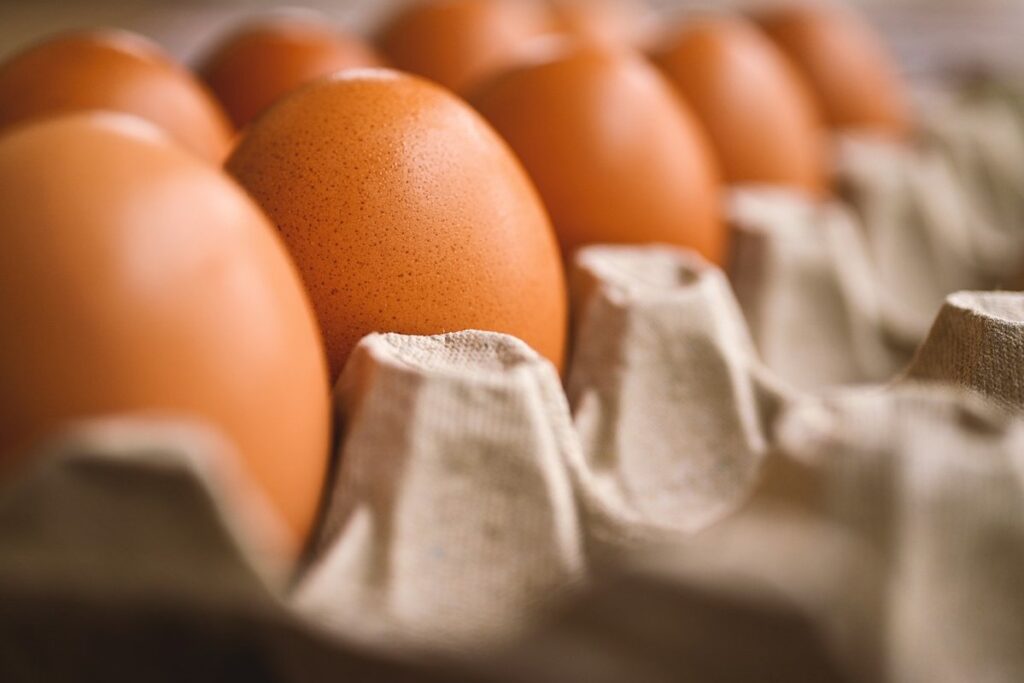
The Importance of Egg Cleaning
So, you’ve heard that washing your eggs can remove bacteria and make them safer to eat – but is it really necessary? Let’s take a closer look at the importance of egg cleaning.
Understanding the Risks of Unwashed Eggs
When you don’t wash your chicken eggs, they can potentially harbor bacteria, viruses, and other pathogens that can cause foodborne illnesses. This is because the eggshell provides a breeding ground for microorganisms to thrive.
Eggshells are porous, allowing moisture and debris from the hen’s environment to seep in. If the hen has come into contact with contaminated feces or other external sources of bacteria during egg-laying, these pathogens can easily adhere to the eggshell. Salmonella is one of the most common culprits, but unwashed eggs may also harbor E. coli, Campylobacter, and other types of bacteria.
To put this risk into perspective, consider that according to the Centers for Disease Control and Prevention (CDC), over 1 million people in the United States are infected with Salmonella each year, resulting in around 19,000 hospitalizations and 380 deaths. Washing your eggs can significantly reduce the risk of cross-contamination, but it’s essential to do so properly – we’ll explore the best practices for washing chicken eggs later on.
Common Myths About Washing Chicken Eggs
Washing chicken eggs is often touted as a way to remove dirt and bacteria more effectively than simply wiping them clean with a cloth or letting them air dry. However, this common myth has been debunked by experts in the field.
In reality, washing chicken eggs can actually do more harm than good. When you wash an egg in cold water, it can force bacteria like Salmonella into the pores of the shell, making it easier for them to penetrate the egg and increase the risk of contamination. In fact, research has shown that washing eggs can increase the risk of Salmonella by up to 100 times.
Moreover, washing eggs can also strip away the natural protective coating on the shell, leaving it vulnerable to dirt and bacteria. This is because the cuticle, or “bloom,” on an eggshell acts as a barrier against moisture and bacteria. When you wash an egg, this layer is removed, making it more susceptible to contamination.
So what’s the best way to keep your eggs clean? Simply wipe them down with a clean cloth after collecting them from the coop. This will remove any loose dirt or debris without compromising the integrity of the shell.
The Dangers of Washing Chicken Eggs Incorrectly
Washing chicken eggs incorrectly can actually increase your risk of salmonella and other bacterial contamination, posing serious health risks. Learn what common mistakes to avoid when washing your eggs at home.
Risks Associated with Tap Water and Soap
Washing chicken eggs can seem like a harmless practice, but using tap water and soap can actually do more harm than good. When you wash your eggs with tap water, you’re not just removing dirt and debris – you’re also spreading bacteria and other pathogens around the surface of the egg. This can lead to cross-contamination, potentially infecting nearby surfaces, utensils, and even yourself.
The issue is that tap water often contains chlorine or other disinfectants that don’t get completely rinsed off. When these residues come into contact with bacteria on the egg’s surface, they can actually help those microorganisms multiply and spread more easily. To make matters worse, using soap or detergent to wash your eggs can leave behind residues that can be toxic if ingested.
If you do decide to wash your eggs, it’s essential to use filtered water, change the rinse water frequently, and avoid using harsh chemicals or soap. However, we’d recommend considering alternative methods for cleaning your eggs, such as gently dusting them with a clean cloth or letting them air dry. This can help minimize risks associated with washing chicken eggs altogether.
How Washing Can Damage Eggshells
When you wash chicken eggs, you may inadvertently strip away the natural protective coating on the eggshell. This thin layer of protection is called the cuticle, also known as the “bloom.” It’s a waxy substance that helps to prevent moisture from entering the egg and causing cracks or contamination.
Without this protective barrier, the eggshell becomes more susceptible to damage. Water can seep in, making it easier for bacteria to grow inside the egg. This is especially concerning if you’re planning to store your eggs for an extended period. A single crack can compromise the entire contents of the egg, and washing the egg may have contributed to that vulnerability.
The rate at which this cuticle is removed varies depending on factors like temperature and water pressure. But generally, washing chicken eggs under running tap water can strip away this protective layer within seconds. To minimize damage, consider wiping the eggs clean with a dry cloth or letting them air-dry after collection. This way, you can keep your eggs safe without compromising their natural defense mechanisms.
The Benefits of Not Washing Chicken Eggs
Let’s dive into the benefits of not washing your chicken eggs, a practice that may surprise you with its effectiveness in keeping your family healthy. This approach can be a game-changer for backyard chicken enthusiasts.
Allowing Natural Protective Measures
When you wash chicken eggs, you’re likely thinking that you’re removing dirt and bacteria from their surface. However, this is where the problem lies – washing can actually do more harm than good. The natural protective coating on an egg, also known as the “cuticle” or “bloom,” plays a crucial role in preventing bacteria and other pathogens from penetrating the egg.
This waxy layer acts as a barrier, making it difficult for microorganisms to gain entry into the egg. When you wash eggs, you’re stripping away this protective coating, leaving them more vulnerable to contamination. In fact, studies have shown that washed eggs are up to 23 times more likely to be contaminated with Salmonella than unwashed ones.
So, how can you keep your eggs clean without compromising their natural defenses? Simply wipe them gently with a dry cloth or paper towel after collection, and store them in a cool, dry place. This will help maintain the integrity of the cuticle while keeping them clean and free from debris. By allowing nature to do its job, you’ll be able to enjoy your fresh eggs with peace of mind.
Why Some Farmers and Producers Choose Not to Wash
Some farmers and producers choose not to wash their chicken eggs due to concerns about water quality. For instance, if the water used for washing is not clean or contains high levels of bacteria, it can contaminate the eggshells and potentially harm consumers. Furthermore, using tap water may introduce chemicals like chlorine or fluoride that can seep into the egg whites and yolks.
Another reason some farmers opt out of washing their eggs is to avoid leaving behind soap residues. While most commercial washes are considered safe for human consumption, residue buildup can still occur and affect the quality and appearance of the eggs. In fact, a study found that using certain types of soap can increase the risk of bacterial contamination by up to 40%.
Additionally, some farmers worry about damaging the eggshells during the washing process. Gentle handling is essential when washing eggs to avoid chipping or cracking them, which can compromise their safety and shelf life.
By choosing not to wash their eggs, these producers aim to maintain a cleaner and healthier product for consumers while also promoting more sustainable farming practices.
What You Can Do at Home
If you’ve decided not to wash your chicken eggs, here are some practical ways to keep them clean and ready for consumption while minimizing the risk of contamination.
Safe Handling and Storage Practices
When handling unwashed chicken eggs at home, it’s essential to follow proper safe handling and storage practices to minimize the risk of contamination. Always wash your hands thoroughly with soap and water before and after handling the eggs. This is especially crucial if you’re not planning to cook or consume the eggs immediately.
To store unwashed eggs, keep them in their original carton or packaging to prevent damage and exposure to air. If you don’t have a carton, store the eggs in a single layer on the middle or bottom shelf of your refrigerator to prevent moisture from accumulating under them. Make sure the storage area is well-ventilated and maintained at a consistent temperature below 40°F (4°C).
When storing unwashed eggs, it’s also vital to keep them away from strong-smelling foods like onions and fish, as these can permeate the egg through tiny pores in the shell. Lastly, consume or discard unwashed eggs within one to two weeks of purchase for optimal safety and quality.
Regularly check your eggs for any visible signs of spoilage before consuming them. By following these simple storage tips and guidelines, you’ll be able to keep your unwashed chicken eggs fresh and safe to eat.
Cleaning the Eggs When Necessary
If you do decide to collect eggs from your backyard flock and bring them into your kitchen, there may be instances where a little extra cleaning is necessary. This can be especially true if the egg has accumulated dirt or debris on its surface.
In such cases, it’s perfectly fine to gently clean the egg with cold water. To do this effectively, start by rinsing the egg under running water to dislodge any loose particles. Next, use a soft cloth or paper towel to wipe down the egg, paying particular attention to any areas where dirt may be stuck.
When cleaning your eggs, avoid using hot water as it can cause the egg’s pores to open up and potentially introduce bacteria into the egg. Additionally, steer clear of soap or other detergents, which can also contaminate the egg. Instead, stick to cold water and gentle wiping motions to remove any visible dirt or debris.
By taking these simple steps, you can restore your unwashed eggs back to their pristine state and enjoy them in all their unadulterated goodness.
The Role of Regulations in Egg Washing
Regulations surrounding egg washing vary by country and region, but understanding these guidelines can impact your decision on whether to wash eggs at home. Let’s dive into the specifics of what regulations have to say about this topic.
FDA Guidelines and Industry Standards
When it comes to washing chicken eggs, regulations play a crucial role in ensuring food safety and quality. The FDA guidelines state that washed eggs must be refrigerated at 40°F (4°C) or below to prevent bacterial growth. Commercial producers are required to follow specific protocols, including grading and packing procedures, to ensure that their eggs meet the desired standards.
For home consumers, there’s no strict requirement to wash eggs before use. In fact, washing eggs can remove the natural protective coating on the eggshell, making them more susceptible to contamination. However, if you do choose to wash your eggs, make sure to use clean water and dry them thoroughly with a clean towel to prevent bacterial growth.
It’s also worth noting that the FDA has specific guidelines for labeling washed eggs, which must indicate that they have been washed. When purchasing eggs from commercial producers, look for this label to ensure you’re getting washed eggs that meet the required standards.
Variations Across Countries and Regions
Egg-washing practices can vary significantly across different countries and regions, often influenced by cultural, economic, and regulatory factors. In some parts of Europe, such as the UK and Germany, eggs are washed before sale to remove dirt and bacteria from the eggshells. However, in many other European countries, including France and Italy, eggs are left unwashed to preserve their natural cuticle.
In contrast, in countries like Japan and South Korea, eggs are often coated with a thin layer of oil or wax to prevent moisture loss and contamination. This practice is not only unique but also serves as an effective method for extending shelf life. On the other hand, some regions, particularly in Africa and parts of Asia, have limited access to proper egg-washing facilities due to economic constraints.
Interestingly, even within the same country, regional variations can occur. For instance, a study found that eggs from rural areas in the United States often had higher bacterial loads than those from urban areas, suggesting differences in washing practices may exist between regions. This highlights the importance of understanding local egg-washing customs and adopting suitable practices to ensure food safety.
Conclusion
Now that we’ve weighed the pros and cons of washing your chicken eggs, let’s summarize our findings and take away some practical advice.
Recap of Key Takeaways
So, let’s recap the key takeaways from our exploration of washing chicken eggs. By now, you should have a solid understanding of the potential risks and benefits associated with this practice.
Washing chicken eggs can be tempting, especially when they arrive at your doorstep or local store covered in dirt and grime. However, it’s essential to consider the impact of washing on the integrity of the eggshell and its contents. In our previous discussion, we examined the concept of a natural protective coating called the “cuticle” that helps prevent bacterial contamination.
We also looked at various studies and research findings that indicate washing eggs can actually increase the risk of Salmonella contamination, particularly when water is used to clean them. According to data from the Centers for Disease Control and Prevention (CDC), approximately 1 in 20,000 eggs produced in the US will be contaminated with Salmonella.
On the other hand, we also explored some of the potential benefits of washing chicken eggs, including improved appearance and reduced risk of certain diseases like avian influenza. However, it’s crucial to weigh these advantages against the risks associated with improper washing techniques and equipment.
To put this knowledge into practice, consider the following: before deciding whether or not to wash your chicken eggs, take a moment to inspect them carefully for any visible signs of damage or contamination. If they appear clean and unblemished, it’s likely safe to leave them unwashed.
Frequently Asked Questions
What’s the best way to store unwashed eggs at home?
Storing unwashed eggs requires attention to detail, but it’s not complicated. Keep them in a clean, dry place away from direct sunlight and moisture. You can store them in a carton or a container with ventilation holes. Make sure they are not stacked too tightly to prevent breakage.
How do I know if my eggs are contaminated?
Even unwashed eggs have some natural protective measures against contamination. However, if you notice any visible signs of mold, slime, or unusual odors, discard the egg immediately. It’s also essential to check for cracks and clean them gently with a dry cloth before storing.
Can I use tap water to wash my eggs, or should I opt for filtered water?
No, it’s best to avoid using tap water to wash your eggs. Tap water may contain chlorine, fluoride, or other additives that can damage the eggshell or even contaminate the eggs further. If you need to clean your eggs, use filtered or distilled water instead.
How often should I clean my chicken coop and feeding area to minimize bacterial risks?
Cleaning your coop regularly is essential for preventing bacterial buildup. Aim to clean the coop at least once a week during peak egg-laying seasons. Disinfect all surfaces with a pet-safe cleaner, paying extra attention to areas around nesting boxes.
What if I need to wash my eggs due to an emergency or unexpected situation?
If you must wash your eggs due to an emergency, make sure to use cold filtered water and a clean cloth. Avoid using soap or harsh chemicals that can damage the eggshell. Pat dry the eggs gently with a clean towel after washing. Then, store them as described in our storage tips above.