
Are you tired of throwing away eggs that have gone bad? You’re not alone! Egg storage safety is a common concern for many households, but with a few simple tips and tricks, you can keep your eggs fresh for longer. Temperature control and humidity management are crucial when it comes to storing eggs. If you don’t store them properly, bacteria can multiply quickly, causing the eggs to spoil before their time. In this article, we’ll dive into expert advice on how to store eggs safely, including temperature control, humidity management, and safe handling practices. By the end of this post, you’ll know exactly how to keep your eggs fresh for longer and reduce food waste in your home.
Understanding the Risks of Poor Egg Storage
Proper egg storage is crucial to prevent bacterial contamination and foodborne illness, so let’s explore the risks associated with poor storage habits.
Temperature Control and Its Importance
Temperature control plays a critical role in maintaining egg safety. When eggs are stored at an improper temperature, it can lead to bacterial growth and contamination. A refrigerator with a consistent temperature between 40°F (4°C) and 45°F (7°C) is ideal for storing eggs. It’s essential to check the temperature regularly to ensure it remains within this range.
If the temperature exceeds these limits, the risk of salmonella and other bacteria multiplying increases significantly. According to the USDA, egg storage at room temperature can lead to a 50% increase in bacterial growth after just two hours. Conversely, proper refrigeration can prevent the spread of bacteria.
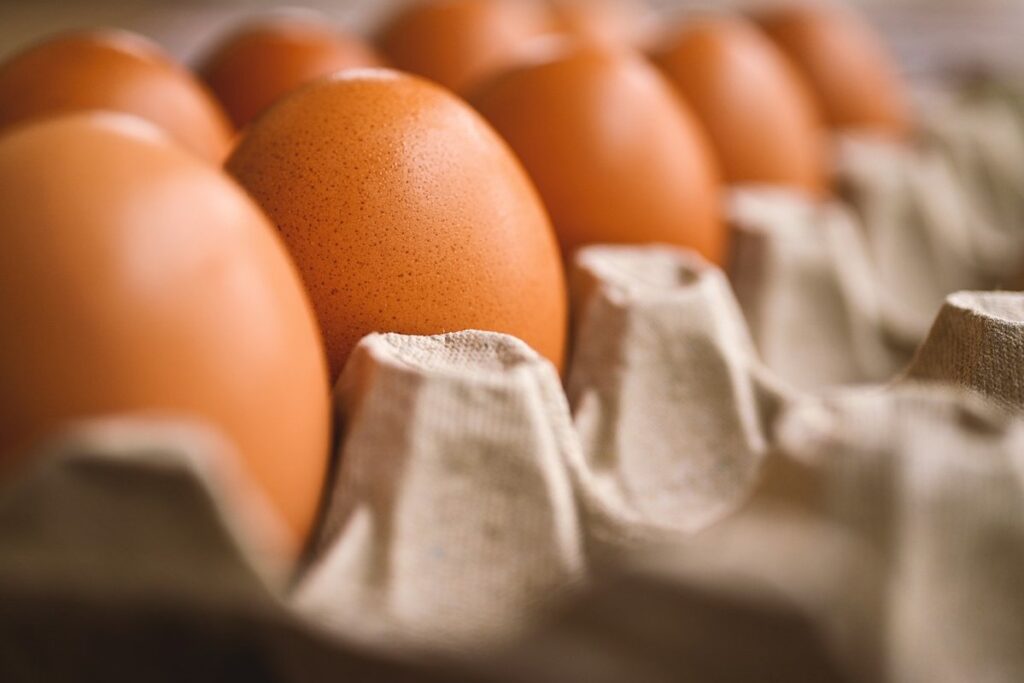
To minimize risks, store eggs in their original carton or container on the middle or upper shelf of the refrigerator, away from strong-smelling foods. This helps maintain egg freshness and prevents cross-contamination with other foods. By controlling temperature and following these storage guidelines, you can significantly reduce the risk of foodborne illnesses associated with poor egg storage.
Humidity Levels and Their Impact
Maintaining optimal humidity levels in the fridge is crucial for preserving egg quality and safety. When eggs are exposed to high humidity, the risk of bacterial contamination increases significantly. Moisture encourages the growth of bacteria like Salmonella, which can penetrate the eggshell through tiny cracks or pores.
On the other hand, low humidity can cause eggs to dry out, leading to a decrease in their nutritional value and texture. The ideal relative humidity (RH) for storing eggs is between 50-60%. To maintain this level, you can place a bowl of water in the fridge or use a humidifier specifically designed for refrigerators.
It’s essential to check your fridge’s temperature and humidity levels regularly. A general rule of thumb is to store eggs in the coldest part of the refrigerator, usually the bottom shelf. Avoid overcrowding the egg container, as this can lead to moisture accumulation and subsequent bacterial growth. By controlling humidity levels, you can significantly reduce the risk of contamination and ensure your eggs remain safe and fresh for a longer period.
Common Mistakes to Avoid
When storing eggs, it’s easy to fall into common mistakes that can compromise their safety and quality. One of the most significant errors is overcrowding the storage container. When eggs are packed too tightly, they can crack easily, causing contamination and spoilage. To avoid this, make sure to leave about an inch of space between each egg.
Another critical mistake is leaving eggs at room temperature for extended periods. Bacteria like Salmonella thrive in temperatures between 40°F and 140°F (4°C and 60°C), which is the perfect zone for egg storage. If you’re not planning to use the eggs within a week, it’s best to store them in the refrigerator as soon as possible.
Additionally, avoid storing eggs near strong-smelling foods or chemicals, as they can absorb odors easily. Also, never wash eggs before storing them, as this can create an entry point for bacteria. By being mindful of these common mistakes and taking simple precautions, you can ensure your eggs remain safe and fresh for a longer period.
Best Practices for Storing Eggs
Proper storage is crucial to maintaining the quality and safety of eggs, so let’s dive into our top tips for storing them correctly at home.
Refrigeration Methods: Cracked vs. Whole
When it comes to storing eggs safely, one of the most debated topics is whether to refrigerate them with their shells intact or crack them and store them in a sealed container. Both methods have their advantages and disadvantages, and understanding these differences can help you make an informed decision.
Refrigerating whole eggs is a common practice in many parts of the world. This method helps prevent bacterial contamination from entering through the shell’s tiny pores. However, it also limits oxygen circulation, which can cause the egg to become overly humid and potentially develop off-flavors or odors. In addition, refrigerated whole eggs are more prone to breaking if not handled carefully.
On the other hand, cracking eggs and storing them in a sealed container allows for better gas exchange and moisture control. This method is also known as “French storage.” By separating the egg from its shell, you can prevent bacterial contamination while still maintaining optimal humidity levels. However, it requires more handling care to avoid cross-contamination and waste.
In practice, both methods can be effective if done correctly. If you choose to refrigerate whole eggs, make sure to store them pointed-end down in a sealed container or zip-top bag to minimize moisture accumulation. If cracking is your preferred method, use clean utensils to crack the egg into a tightly sealed container and keep it refrigerated at 40°F (4°C) or below.
Using Egg Cartons and Storage Containers
Using egg cartons and storage containers can be an effective way to store eggs safely. These types of packaging provide a protective barrier against physical damage, contamination, and moisture transfer. However, it’s essential to choose the right materials and follow proper handling techniques to avoid compromising the safety and quality of the eggs.
Consider using shallow containers or bins with tight-fitting lids to prevent eggs from rolling around and breaking. You can also line them with paper towels or packing paper for added cushioning. Some storage containers come with egg-specific designs, such as separate compartments or egg trays, which can help maintain the integrity of the eggs.
When selecting storage containers, look for materials that are easy to clean, resistant to moisture, and non-reactive. Avoid using containers made from metal, aluminum, or copper, as they may impart flavors or odors to the eggs. Instead, opt for containers made from plastic, wood, or ceramic. By choosing the right packaging and handling techniques, you can store eggs safely and maintain their quality until consumption.
Labeling and Rotation: Keeping Track of Your Eggs
Labeling and rotation are two crucial steps to ensure that you use your stored eggs before they expire. When it comes to labeling, make sure to record the date of purchase on each carton. This simple step will help you track how long your eggs have been stored at home. A common practice is to label the oldest eggs first, so when you’re ready to use them, you’ll know exactly which ones are approaching their expiration date.
To effectively rotate your stock, follow these steps: whenever you bring new eggs into storage, place them behind the existing stock in your refrigerator or storage area. This way, the newer eggs will be at the front and center of your storage space, making it easier to grab what’s most fresh when you’re cooking. For example, if you purchased a dozen eggs last week and already had four stored from two weeks ago, place the new carton behind the older ones in your fridge.
Remember, labeling and rotation are simple yet essential practices that can help prevent foodborne illness by ensuring that you consume your eggs before they spoil.
Egg Storage in Different Scenarios
When it comes to storing eggs, different situations require unique approaches. From camping trips to office refrigerators, we’ll explore storage strategies for various scenarios that ensure egg safety.
Storing Eggs at Room Temperature vs. Refrigeration
Storing eggs at room temperature may seem like a convenient option, but it poses significant risks to food safety. One of the primary concerns is bacterial growth. When eggs are stored at room temperature, the risk of Salmonella and E. coli contamination increases exponentially. These bacteria can multiply rapidly between 40°F and 140°F (4°C and 60°C), which is the typical range for a room temperature environment.
In fact, studies have shown that eggs left at room temperature for just two hours can harbor up to 10 times more bacteria than those stored in the refrigerator. This can lead to serious foodborne illnesses, especially among vulnerable populations like the elderly, young children, and people with weakened immune systems.
To minimize risks, it’s essential to store eggs in a cool, dry place – but not necessarily at room temperature. Many experts recommend storing them in a covered container or a carton on the middle or top shelf of the refrigerator. This helps maintain a consistent refrigerator temperature between 39°F and 41°F (4°C and 5°C), significantly reducing the risk of bacterial growth.
Traveling with Eggs: How to Keep Them Safe
When traveling with eggs, it’s essential to prioritize their safety and quality. Eggs are perishable items that require proper handling and storage to prevent spoilage. If you’re planning a road trip, camping, or flying with eggs, here are some tips to keep them safe.
Firstly, pack your eggs in a cooler or insulated container filled with ice packs to maintain a consistent refrigerated temperature. This will slow down the degradation process and prevent bacterial growth. You can also use a thermally insulated bag or a lunch box with a cold gel pack to keep your eggs cool for several hours.
When transporting eggs by air, it’s crucial to follow airline regulations and pack them in a leak-proof container. Some airlines may require you to declare the presence of eggs in your luggage. Always check with your airline beforehand to avoid any issues during boarding or at baggage claim. Remember to handle your eggs gently, as excessive jostling can cause damage and compromise their safety.
Handling and Cleaning Eggs
When it comes to safely storing eggs, proper handling and cleaning are crucial steps that can make all the difference in preventing contamination. Let’s explore how to clean and handle your eggs correctly.
Washed vs. Unwashed Eggs: What’s Best?
When it comes to storing eggs safely, one of the most debated topics is whether to wash them before putting them away. On one hand, washing eggs can remove dirt and bacteria from the surface, making them appear cleaner. However, this process can also damage the egg’s natural protective coating, known as the cuticle or “bloom,” which helps prevent bacteria from entering the egg.
On the other hand, not washing eggs can leave behind dirt and debris that can contaminate the egg’s interior when it’s cracked open. Research suggests that unwashed eggs can pose a higher risk of contamination, especially if they’re stored at room temperature or in humid environments.
So what’s best? In most cases, it’s recommended to gently rinse your eggs under cold running water just before refrigeration. This helps remove any dirt or debris without compromising the egg’s natural defenses. If you choose not to wash your eggs, make sure to store them in a clean and dry environment with minimal temperature fluctuations.
Ultimately, proper storage is key to maintaining egg safety, regardless of whether they’re washed or unwashed. Keep your eggs refrigerated at a consistent 40°F (4°C) and always check for cracks before storing.
Sanitizing Equipment and Surfaces
When handling eggs, it’s essential to prioritize proper sanitation to prevent contamination and maintain egg safety. This includes sanitizing equipment and surfaces that come into contact with the eggs.
Dirty equipment and surfaces can transfer bacteria like Salmonella to the eggs, which can lead to foodborne illnesses in consumers. To minimize this risk, ensure all equipment and surfaces are thoroughly cleaned and sanitized before handling eggs. For example, wash hands frequently with soap and warm water for at least 20 seconds. Use a sanitizing solution or bleach diluted according to manufacturer’s instructions to clean and disinfect equipment like egg washers, grinders, and cracking machines.
Regularly clean and sanitize the following surfaces: countertops, tables, and floors in areas where eggs are handled. Pay particular attention to any cracks or crevices where bacteria can accumulate. Use a gentle detergent and warm water for cleaning, followed by rinsing with clean water to remove any soap residue. For high-touch areas like doorknobs, faucets, and light switches, use a sanitizing wipe to prevent the spread of germs.
Always follow proper cleaning procedures and sanitize equipment regularly to maintain egg safety.
Shelf Life and Spoilage Prevention
To keep your eggs fresh for as long as possible, it’s essential to understand how to prevent spoilage and extend their shelf life. In this crucial section, we’ll explore the best practices for maintaining egg freshness.
Identifying Spoiled Eggs
When it comes to identifying spoiled eggs, there are several common signs to look out for. One of the most obvious indicators is a crack in the shell. If you notice a visible crack, it’s best to err on the side of caution and discard the egg immediately. Even if the crack is small, bacteria can still seep through and contaminate the contents.
Another sign of spoilage is an unusual odor. Fresh eggs should have no smell or only a slight, sweet aroma. If you notice a strong, pungent smell from your eggs, it’s likely they’ve gone bad. Some people describe the smell as sulfurous or rotten.
You can also check for sliminess on the egg white or yolk. Spoiled eggs often develop a sticky or tacky texture. To inspect for this, gently crack an egg into a bowl and examine its contents.
If you’re unsure whether an egg is still good, it’s better to discard it rather than risk foodborne illness. Remember, when in doubt, throw it out! Regularly checking your eggs for signs of spoilage can help prevent waste and keep your family safe from potential health hazards.
Strategies for Extending Egg Shelf Life
When it comes to keeping your eggs fresh for an extended period, there are several strategies you can employ. One of the most effective methods is to store them in the coldest part of the fridge. This typically means placing them towards the bottom of the refrigerator where the temperature remains consistent at around 40°F (4°C).
Another key strategy involves maintaining proper egg storage conditions. Eggs should be stored in their original carton or container, which helps protect them from light and other external contaminants. Always store eggs pointy end down to prevent moisture accumulation on the large end of the egg.
It’s also essential to check your fridge’s humidity levels. Eggs can absorb odors easily, so storing them in an area with minimal humidity will help keep them fresh for longer. Regularly clean your fridge and storage containers to minimize contamination risks.
Frequently Asked Questions
We know you might have some questions about storing eggs safely, so we’ve answered some of the most common ones below to put your mind at ease.
What’s the Best Way to Store Eggs in a Small Fridge?
Storing eggs in a small fridge can be challenging due to limited space and specific storage requirements. However, it’s essential to store them safely to prevent bacterial contamination and ensure food safety. When storing eggs in a compact refrigerator or one with limited space, follow these guidelines:
* Place the eggs in their original carton: This will help maintain humidity levels and keep the eggs away from other strong-smelling foods that can penetrate the packaging.
* Store eggs on a middle shelf: Avoid placing them near the back of the fridge where temperatures may fluctuate. A middle shelf provides consistent temperature and is less likely to freeze or develop warm spots.
* Keep them away from light sources: Light exposure can cause eggs to deteriorate faster, so store them in an area with minimal direct sunlight.
* Monitor egg storage conditions: Regularly check on your stored eggs to ensure the carton isn’t leaking, and the eggs are not developing off odors.
Can I Store Eggs at Room Temperature for Short Periods?
While it may be tempting to store eggs at room temperature for short periods, it’s essential to understand that this practice can pose some risks. The USDA recommends storing eggs in the refrigerator at a temperature of 40°F (4°C) or below to prevent bacterial growth and contamination.
Storing eggs at room temperature (around 70-72°F or 21-22°C) for short periods may not seem like a significant issue, but it can still lead to moisture accumulation inside the egg. This increased humidity can foster an ideal environment for Salmonella bacteria to multiply, particularly if the eggs are not handled properly.
To store eggs safely at room temperature, make sure they’re kept in their original carton and placed in a dry area away from direct sunlight. If you plan to store eggs at room temperature for only 7-10 days, it’s crucial to handle them carefully, wash your hands thoroughly before and after handling the eggs, and ensure the eggs are not cracked or broken.
Even with these precautions, storing eggs at room temperature is not recommended for extended periods or in warmer climates. If you’re unsure about the storage conditions or the freshness of the eggs, it’s always best to err on the side of caution and store them in the refrigerator.
Frequently Asked Questions
How often should I check the temperature of my refrigerator to ensure it’s within the safe range for storing eggs?
You should regularly check your refrigerator’s temperature (at least once a week) to ensure it remains between 40°F (4°C) and 45°F (7°C), which is ideal for storing eggs safely. This will help prevent bacterial growth and contamination.
Can I store eggs at room temperature if I only have a few left over and they’re not near their expiration date?
While it’s generally recommended to store eggs in the refrigerator, you can temporarily store them at room temperature (under 70°F or 21°C) for short periods. However, make sure to monitor their freshness closely and refrigerate them as soon as possible.
What’s the best way to label and track my stored eggs?
Use a marker to write the date you purchased the eggs on the carton or container. This will help you keep track of which eggs are oldest and need to be used first, reducing food waste and ensuring you use your eggs before they spoil.
How do I handle and clean eggs safely to prevent contamination?
Always wash your hands thoroughly with soap and warm water before handling eggs. Gently wipe the eggshells with a damp cloth if needed, but avoid washing or soaking them in water, as this can cause bacterial growth.
Can I store eggs in their original carton or should I use a specialized storage container?
You can store eggs in their original cartons, but consider using a breathable storage container like a mesh bag or paper bag to maintain humidity and prevent moisture buildup.