
When you become a backyard chicken keeper or start a small farm, it’s not just about providing food and water for your flock – it’s also about being prepared to care for their health. A poultry first aid kit is essential for any serious bird breeder or owner, but many of us aren’t sure where to start. What are the most common injuries and illnesses in chickens, and how can we treat them? In this article, we’ll show you how to create a comprehensive first aid kit with all the essentials, from wound care and respiratory problems to parasite control. We’ll also share expert tips on record keeping and communication with veterinarians to ensure your flock receives the best possible care. By the end of this guide, you’ll be equipped to handle any emergency that comes your way.
Understanding the Importance of a Poultry First Aid Kit
A well-stocked poultry first aid kit is essential for any backyard flock owner to quickly and effectively respond to emergencies, so let’s dive into what you need to include.
What is a Poultry First Aid Kit?
A poultry first aid kit is a comprehensive collection of supplies and equipment designed to help you respond quickly and effectively to injuries or illnesses affecting your flock. Its primary purpose is to provide immediate care for injured birds, preventing further harm and promoting recovery.
For backyard chicken keepers, a poultry first aid kit can be a lifesaver in emergency situations. Imagine coming home from work to find that one of your chickens has suffered an injury, such as a broken wing or severe bleeding. Without access to essential supplies like bandages, antiseptic wipes, and antibiotics, the situation could quickly become dire.
Commercial poultry farmers also understand the importance of having a well-stocked first aid kit on hand. Regular veterinary visits can help prevent illnesses, but accidents can still happen. A comprehensive first aid kit enables farmers to respond promptly and humanely to emergencies, minimizing stress for both birds and personnel.
Common Injuries and Illnesses in Poultry
When working with poultry, it’s essential to be aware of the common injuries and illnesses that can occur. Wounds are a frequent issue, often caused by accidents during handling, poor lighting, or inadequate enclosures. These wounds can lead to infections if not treated promptly and properly.
Respiratory problems are another concern in poultry, particularly in young birds. Conditions like pneumonia and respiratory syncytial virus (RSV) can be life-threatening if left untreated. Keep an eye out for symptoms such as labored breathing, wheezing, or coughing.
Parasites like mites, lice, and ticks can also infest your flock, causing discomfort and stress. These external parasites can lead to anaemia, weight loss, and even death if not addressed quickly. Regular checks and treatments are crucial in maintaining a healthy and parasite-free flock.
In addition to these conditions, keep an eye out for signs of illness such as lethargy, loss of appetite, or changes in droppings. Early detection is key to preventing the spread of disease within your flock.
Essential Items for a Poultry First Aid Kit
When it comes to treating injured poultry, having essential items on hand is crucial. This section outlines must-have supplies to stock your poultry first aid kit.
Basic First Aid Supplies
When it comes to setting up a poultry first aid kit, having basic first aid supplies on hand is crucial. These essential items will help you provide immediate care and treatment for minor injuries and cuts that may occur while handling birds.
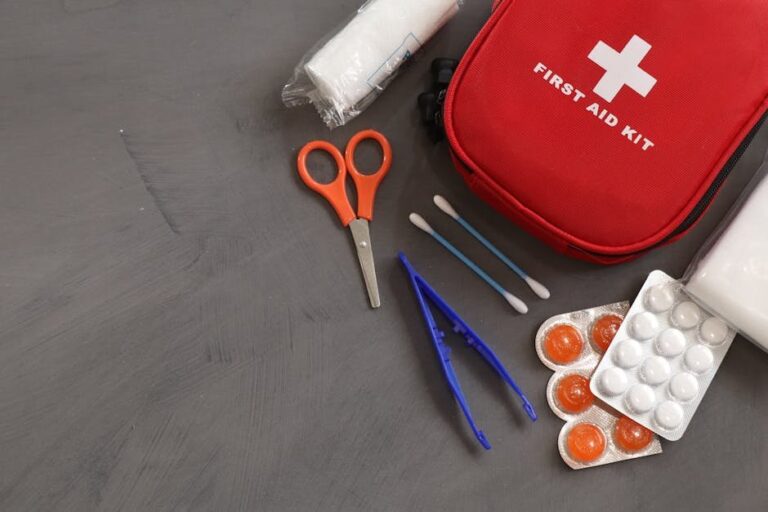
Start by stocking bandages of various sizes to cover wounds of different dimensions. You’ll also want antiseptic wipes to clean and disinfect the affected area, preventing infection. Tweezers come in handy for removing debris or small splinters from your bird’s skin. Don’t forget a good pair of scissors for trimming loose feathers or cutting bandages.
Other basic first aid supplies you should consider include gauze pads, medical tape, and antibiotic ointment. These will help you manage more complex wounds and keep your birds safe until you can seek professional veterinary care. Remember to check the expiration dates on any medications or supplies before storing them in your poultry first aid kit.
Medications and Treatments
When it comes to treating poultry emergencies, having the right medications and treatments on hand is crucial. Here are some essential items you should consider including in your poultry first aid kit:
Antibiotics are a must-have for treating bacterial infections such as respiratory issues or septicemia. Some common antibiotics used in poultry include Amoxicillin and Tetracycline. It’s essential to choose the right antibiotic for the specific type of bacteria causing the infection.
Wound cleaners, like povidone-iodine solution, help prevent infection and promote healing. Apply a small amount directly to the wound, making sure to follow proper safety precautions.
Anti-parasitic agents, such as ivermectin or albendazole, are necessary for treating internal parasites like worms or protozoa. Use these medications only under veterinary guidance to avoid harming your birds.
Remember to always handle medications carefully and store them properly to maintain their potency. Keep the medication instructions and dosages readily available in case of an emergency. If you’re unsure about the correct treatment, don’t hesitate to consult with a veterinarian for guidance.
Emergency Equipment
When it comes to emergency situations involving your poultry flock, having the right equipment on hand can be the difference between a minor issue and a life-threatening one. Your poultry first aid kit should include essential items like a thermometer, stethoscope, and splints.
A thermometer is crucial for monitoring your birds’ body temperature, which is especially important when dealing with respiratory issues or shock. You’ll want to have a digital thermometer specifically designed for poultry, as these are more accurate and faster than traditional glass thermometers.
A stethoscope allows you to listen to the internal sounds of your birds, helping you diagnose issues like heart problems or air sac infections. Look for a veterinary-grade stethoscope that’s sensitive enough to pick up on the subtle sounds made by poultry.
Splints can be used to stabilize injured legs or wings, allowing your birds to move around safely while they heal. Consider investing in a set of splints specifically designed for poultry, as these will provide the necessary support and protection for their delicate limbs.
It’s also a good idea to have some basic first aid supplies on hand, such as bandages, antiseptic wipes, and tweezers, to help you treat minor injuries and prevent infections.
First Aid Procedures for Common Injuries
When dealing with injured poultry, it’s crucial to know how to provide immediate care for common wounds and conditions that require attention. This section will guide you through essential first aid procedures.
Wound Care and Cleaning
When dealing with wounds on poultry, it’s essential to clean and dress them properly to prevent infection and promote healing. To start, make sure you have a pair of clean, sterile gloves on hand to avoid transferring bacteria to the wound.
Gently wash the affected area with mild soap and lukewarm water. For minor cuts or scratches, use a saline solution or an antibacterial soap specifically designed for poultry use. Avoid using harsh chemicals or iodine-based solutions as they can further irritate the skin.
Rinse the area thoroughly and pat it dry with a clean towel. Apply a thin layer of antibiotic ointment to help prevent infection and promote healing. Cover the wound with a non-stick dressing or bandage, ensuring it’s secure but not too tight.
Remember, prevention is key when it comes to wound care on poultry. Regularly inspect your birds for any signs of injury or stress, and address potential issues promptly. This will reduce the risk of infection and promote overall health and well-being in your flock.
Broken Bones and Fractures
When it comes to poultry injuries, broken bones or fractures can be painful and distressing for both the bird and its owner. Identifying a fracture early on is crucial in ensuring proper treatment and preventing further damage.
Look out for signs such as swelling, discoloration, or visible deformity around the affected area. Poultry may also exhibit unusual behavior like limping or avoiding certain activities due to pain. If you suspect a fracture, it’s essential to remain calm and handle the bird gently to avoid causing more harm.
To stabilize the affected area, use a clean cloth or bandage to support the joint above and below the break. Apply gentle pressure to keep the bone in place without constricting circulation. Do not attempt to set the bone yourself, as this can lead to further injury. Instead, seek advice from an experienced poultry breeder or veterinarian for proper treatment.
A well-stocked first aid kit should include items like splints and bandages specifically designed for poultry use. Knowing how to identify and treat fractures will help you provide the best possible care for your birds in emergency situations.
Emergency Procedures for Illnesses and Diseases
In case of illness or disease, knowing how to respond quickly and effectively is crucial. This section covers essential emergency procedures for common poultry health issues you may encounter.
Respiratory Problems
Respiratory problems can be a significant concern for poultry owners. Avian influenza and pneumonia are two common respiratory issues that can affect birds of all ages.
Symptoms of avian influenza may include lethargy, lack of appetite, labored breathing, and greenish or yellowish droppings. Pneumonia, on the other hand, can present with coughing, wheezing, and difficulty breathing. If you suspect your bird is suffering from either of these conditions, it’s essential to seek veterinary attention immediately.
Diagnosing respiratory problems in poultry typically involves a physical examination, collection of fecal samples for bacterial culture, and possibly radiography or other imaging tests. Treatment options may include antibiotics, anti-inflammatory medications, and supportive care such as providing oxygen or fluids. To prevent the spread of disease, it’s crucial to maintain strict biosecurity measures on your farm.
Prevention is always better than cure. Regular cleaning and disinfection of coops, feeders, and waterers can help reduce the risk of respiratory infections.
Parasitic Infestations
Parasitic infestations can be a significant concern for poultry farmers. Some common parasites that affect poultry include lice, mites, and internal parasites like worms and coccidiosis. It’s essential to recognize the symptoms of these parasites to provide prompt treatment.
Lice and mites can cause discomfort, stress, and even anemia in chickens. Symptoms include excessive preening, lethargy, and visible pests on the bird’s feathers or skin. Treatment options typically involve using specific medications, such as malathion or permethrin, to kill the external parasites.
Internal parasites like worms and coccidiosis can cause weight loss, diarrhea, and even death if left untreated. Symptoms include wet droppings, lethargy, and a decrease in egg production. Treatment options often involve using anthelmintic medications to eliminate internal parasites.
Regular health checks, proper sanitation, and good husbandry practices are crucial in preventing parasitic infestations. It’s also essential to monitor your flock regularly for any signs of illness or stress, as early detection is key to effective treatment.
Additional Considerations for Poultry First Aid Kits
When putting together a poultry first aid kit, there are several additional considerations to keep in mind to ensure it’s comprehensive and effective for your birds’ specific needs. Let’s explore some of these key factors further.
Record Keeping and Tracking
Keeping accurate records of injuries and illnesses is crucial when it comes to poultry first aid. This not only helps you track the health and well-being of your birds but also provides valuable insights for future reference. A well-documented record-keeping system can help you identify patterns, monitor progress, and make informed decisions about the health management of your flock.
Each time an injury or illness is reported, it’s essential to document the following details: diagnosis, treatment provided, and outcome. This information should be recorded in a dedicated logbook or spreadsheet, making it easy to refer back to at a later stage. For example, if you notice a bird showing signs of respiratory distress, documenting the symptoms, treatment administered (such as antibiotics or bronchodilators), and outcome (improvement or deterioration) will help you identify potential causes and develop strategies for prevention.
By tracking this information over time, you’ll be able to refine your first aid procedures and make data-driven decisions about flock health management.
Regular Kit Maintenance and Updates
Regular kit maintenance is crucial to ensure that your poultry first aid kit remains effective and relevant. It’s easy for a first aid kit to become outdated, with supplies expiring or becoming obsolete as new information and techniques emerge.
To maintain your kit, set aside time each month to inspect its contents. Check expiration dates on medications and supplies, and replace anything that has passed its shelf life. Update your kit with the latest guidelines and recommendations from reputable poultry health organizations.
Consider updating your kit annually or whenever you acquire new birds or change your flock’s management practices. This will help ensure that your kit is equipped to handle common injuries and illnesses specific to your situation. Don’t forget to also check for any missing supplies, such as gloves, bandages, or tweezers, and replenish them as needed.
Remember, a well-maintained first aid kit can be the difference between life and death in an emergency situation. Take the time to regularly inspect and update your kit to provide the best possible care for your birds.
Best Practices for Using a Poultry First Aid Kit
To get the most out of your poultry first aid kit, it’s essential to understand proper usage and handling procedures for emergency situations involving your flock. We’ll walk you through best practices next.
Training and Education
Using a poultry first aid kit effectively requires more than just having the right tools on hand. It also demands a certain level of knowledge and expertise to administer care properly. This is where training and education come into play.
In reality, even with a comprehensive first aid kit, improper use can lead to further injury or even death. For instance, incorrect administration of antibiotics can create antibiotic-resistant bacteria, posing a greater threat to the flock’s health in the long run.
To avoid such consequences, it’s essential to invest time and effort into learning how to use a poultry first aid kit effectively. This includes understanding the causes of common injuries and illnesses, as well as knowing the proper procedures for treating them. Consider enrolling in online courses or attending workshops on poultry first aid and emergency care to boost your knowledge.
Some key areas to focus on during training include:
• Recognizing signs of distress and taking prompt action
• Administering basic life support techniques, such as CPR and mouth-to-beak resuscitation
• Identifying and treating common injuries, like wounds, fractures, and feather pecking
• Knowing when to seek professional help or evacuate the flock
By prioritizing training and education, you’ll be better equipped to respond to emergencies and provide quality care for your birds.
Communication with Veterinarians and Authorities
When an emergency arises with your poultry flock, it’s essential to communicate effectively with veterinarians, extension agents, or local authorities. This may seem like a daunting task, but being prepared and knowing what to say can make all the difference. Start by keeping a list of emergency contact numbers, including your veterinarian, local animal control, and relevant government agencies.
In case of an emergency, call your veterinarian first, as they will be able to provide guidance on how to stabilize your birds until you can get them seen in person. Be prepared to answer questions about the condition of your flock, including any symptoms or injuries you’ve observed. Keep a record of all calls and notes from conversations with veterinarians and authorities.
Remember, prompt communication is key in emergency situations. Don’t hesitate to ask for help when you need it – your veterinarian or local authorities can provide valuable guidance on how to handle the situation and prevent further harm to your flock.
Frequently Asked Questions
How often should I restock my poultry first aid kit?
Restocking your kit regularly is crucial to ensure you’re prepared for any emergency that may arise. We recommend checking the expiration dates of medications, treatments, and supplies every 6-12 months and replacing them as needed. Additionally, review the contents of your kit after each use to replenish or update items.
What if I don’t have a veterinarian on speed dial?
While having a trusted veterinarian is ideal, it’s not always possible. In such cases, consider consulting with local animal health experts, poultry associations, or online forums for guidance on treating common injuries and illnesses. Always follow best practices and consult with a veterinarian as soon as possible.
How can I prevent parasite infestations in my flock?
Prevention is key when it comes to parasites. Regularly clean coops, run areas, and provide adequate ventilation to reduce the risk of infestation. Implement a regular deworming schedule, use protective measures for birds, and ensure proper sanitation practices are followed.
Can I use human first aid supplies on my chickens?
While some human first aid supplies may be suitable for chickens, it’s essential to exercise caution. Never use antibacterial ointments containing neomycin or bacitracin on your flock, as these can cause severe reactions. Instead, opt for poultry-specific products and follow the manufacturer’s instructions.
How do I store my poultry first aid kit in an emergency situation?
In a crisis, it’s crucial to have your first aid kit easily accessible. Store it in a designated area within reach, such as a nearby shed or utility room. Ensure that all necessary equipment is readily available and consider labeling the kit with essential contact information for veterinary care.