
When it comes to maintaining a healthy and thriving flock, one often overlooked aspect is chicken run drainage. A well-designed drainage system can be the difference between a happy, disease-free coop and a miserable, waterlogged nightmare. Water-borne diseases like cholera and salmonella are a constant threat to your birds’ health, while poor drainage can also lead to reduced egg production and a shortened lifespan for your entire operation. In this article, we’ll delve into the world of chicken run drainage, exploring how to prevent water-logging, reduce the risk of disease transmission, and ensure the longevity of your system. We’ll cover everything from design considerations to maintenance tips, providing you with a comprehensive guide to creating a safe and healthy environment for your chickens.
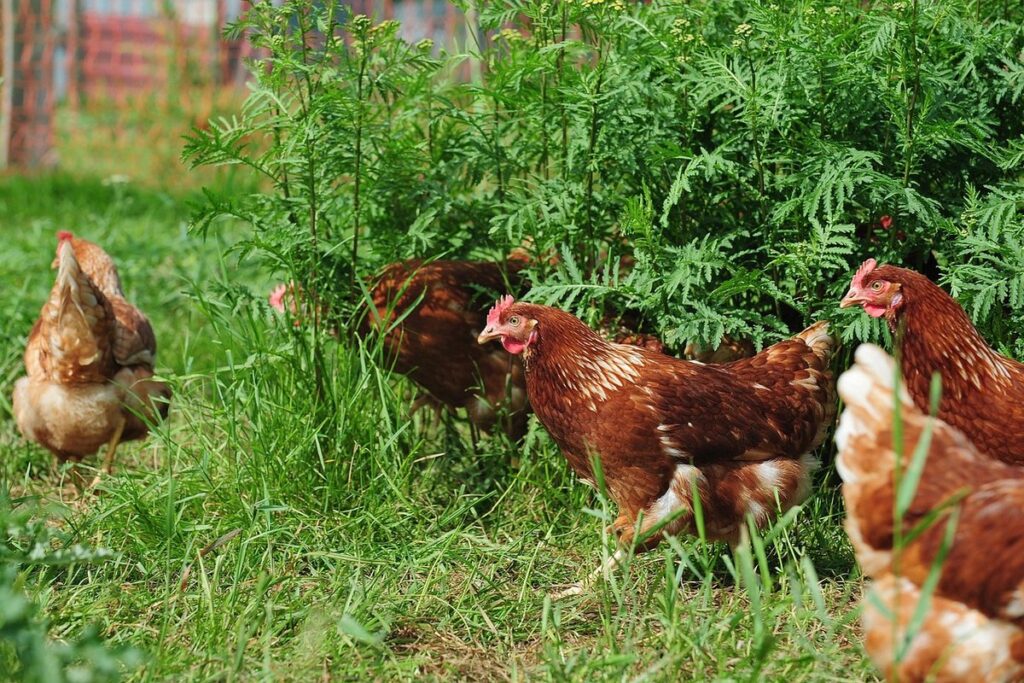
Understanding the Importance of Proper Drainage
Effective drainage is crucial for keeping your flock healthy, so let’s explore why proper drainage can make all the difference in your chicken run. It’s a vital aspect of their living space you shouldn’t overlook.
The Risks of Poor Drainage in Chicken Runs
Inadequate drainage in chicken runs can have severe consequences for both the health of your flock and the integrity of the run itself. One of the most significant risks is the spread of water-borne diseases, such as coccidiosis and histomoniasis, which thrive in damp environments. These diseases can decimate a flock, causing costly losses in terms of egg production and even mortality.
Poor drainage can also lead to reduced egg production, as birds may avoid laying eggs in areas with standing water or where their feet are constantly wet. This not only affects the quantity but also the quality of eggs produced. Furthermore, stagnant water can seep into the run’s structural materials, causing damage over time and compromising the integrity of the enclosure.
Regular cleaning and maintenance of your chicken run’s drainage system can help mitigate these risks. Ensure that the run slopes away from any standing water collection areas and that gutters and downspouts are functioning correctly to direct water flow. By investing in proper drainage solutions and adhering to regular cleaning schedules, you can protect both your flock’s health and the longevity of your chicken run infrastructure.
Benefits of Effective Drainage Systems for Chicken Health
Proper drainage is not just essential for maintaining a clean and healthy environment in your chicken run; it also has a significant impact on the well-being of your chickens. When it comes to chicken health, effective drainage systems play a crucial role in preventing diseases and parasites that thrive in damp conditions.
A well-designed drainage system can help reduce the risk of respiratory problems, such as pneumonia and bronchitis, which are common among chickens living in wet environments. By keeping the run dry, you can also minimize the presence of mites and lice, which can cause significant discomfort and stress to your birds. In fact, a study by the University of Kentucky found that proper ventilation and drainage can reduce mortality rates by up to 30%.
To maximize the benefits of effective drainage systems for chicken health, make sure to:
* Regularly inspect and maintain your drainage system to ensure it’s working efficiently
* Use a combination of gravel or sand and adequate slope to direct water away from the run
* Keep the run clean and free of debris, which can clog drains and create breeding grounds for pests
Assessing Your Chicken Run’s Drainage Needs
When designing a chicken run, drainage is crucial. In this section, we’ll walk you through how to assess your coop and yard’s unique drainage needs for optimal water management.
Evaluating the Slope and Elevation of Your Run
When evaluating the slope and elevation of your chicken run, it’s essential to consider where water will flow and accumulate. A well-designed drainage system relies on a subtle incline that directs water away from the coop and towards a collection point.
To identify potential areas of water accumulation, start by visualizing the run as a topographic map. Look for low-lying spots or areas with high concentrations of vegetation, which can indicate where water may collect. Consider how heavy rainfall or snowmelt might affect these areas and whether they will become puddled or flooded.
A general rule of thumb is to aim for a 1-2% slope in your chicken run. This gentle incline allows water to flow freely while preventing erosion. If you have a larger run, consider installing a series of shallow trenches that capture runoff and direct it towards a collection point. This can be especially effective in areas with high rainfall or poor drainage.
By carefully evaluating the slope and elevation of your chicken run, you’ll be better equipped to design an efficient drainage system that keeps your flock safe and dry.
Calculating Water Flow Rates and Requirements
When it comes to calculating water flow rates for your chicken run, several factors come into play. The first and most obvious factor is the size of your chicken run. A larger enclosure will require more water to keep the area clean and hygienic.
The climate you live in also plays a significant role in determining your required water flow rate. In hot and dry climates, for instance, you’ll need to ensure that there’s enough water to maintain moisture levels and prevent dust from becoming airborne.
Another crucial factor is the number of birds occupying your chicken run. More birds mean more waste, which will require a higher water flow rate to wash away. A general rule of thumb is to allocate at least 1-2 gallons per minute (GPM) for every 10 birds.
To give you a better idea, let’s consider an example: assume you have a chicken run measuring 20 feet by 30 feet with 20 birds occupying it. Based on the above calculations, you’d need approximately 4 GPM to maintain a healthy and clean environment. Keep in mind that this is just a starting point, and you may need to adjust your water flow rates based on your specific circumstances.
To ensure accurate calculations, consider consulting with a professional or using online resources that provide more detailed guidance. Remember, it’s always better to err on the side of caution when it comes to providing enough water for your chicken run’s drainage needs.
Choosing the Right Drainage System
When designing a chicken run drainage system, one of the most crucial decisions you’ll make is selecting the right type to suit your coop’s specific needs. This section will walk you through the key factors to consider.
Overview of Different Types of Drainage Systems
When it comes to designing an effective drainage system for your chicken run, there are several types of systems you can choose from. One popular option is the French drain system. A French drain consists of a trench filled with gravel and a perforated pipe that directs water away from the area. This type of system is ideal for areas with heavy rainfall or where water tends to accumulate.
Another alternative is to use swales, which are shallow ditches that allow water to soak into the ground. Swales can be an attractive option as they also help to recharge groundwater and reduce stormwater runoff. They work best in areas with moderate rainfall and a suitable soil type.
Gravel-based systems are another popular choice for chicken run drainage. These systems involve spreading a layer of gravel around the coop or run, allowing water to drain quickly through the gravel and into an underlying pipe or soakaway. Gravel-based systems are often more cost-effective than other options and can be easily installed by DIY enthusiasts.
Factors Influencing Drainage System Selection
When selecting a drainage system for your chicken run, several key factors come into play. One of the most significant considerations is cost. A budget-friendly option may seem appealing at first, but it can lead to long-term expenses and headaches if it requires frequent repairs or replacements.
Maintenance requirements are another crucial aspect to think about. Some drainage systems require regular cleaning or inspections, which can be time-consuming and labor-intensive. Others might need specialized equipment or expertise to maintain, adding to your overall costs.
You’ll also want to consider compatibility with existing infrastructure. If you’re building a new chicken run, this might not be an issue. However, if you’re retrofitting an existing area, you’ll need to ensure the drainage system integrates seamlessly with your existing setup.
When evaluating options, think about the lifespan of each system and its potential for scalability. Will it grow with your flock or require frequent upgrades? By weighing these factors carefully, you can choose a drainage system that meets your needs and provides years of reliable service.
Designing an Effective Drainage Plan
Now that you’ve assessed your chicken run’s waterlogging issues, it’s time to dive into designing a drainage plan that will keep your girls happy and healthy. We’ll walk through key considerations for effective drainage.
Creating a Site-Specific Drainage Design
When designing a site-specific drainage plan for your chicken run, it’s essential to consider its unique characteristics and drainage needs. Every chicken run is different, with varying levels of slope, soil type, and vegetation. To create an effective drainage design, start by conducting a site assessment.
Observe how water flows across the run during rainfall events or when watering your flock. Identify areas where water tends to collect or flow towards. Note the slope and elevation changes within the area. Consider factors like soil porosity, topography, and nearby water sources that may impact drainage.
Using this information, you can tailor your drainage design to address specific site challenges. For example, if water tends to pool in a particular spot, install a French drain or swale to redirect it away from the run. If the soil is poorly draining, incorporate organic amendments like compost or perlite to improve its structure.
By understanding and addressing your chicken run’s unique drainage needs, you can create a safe and healthy environment for your flock while minimizing water-related issues.
Integrating Drainage Systems with Existing Structures
When designing an effective drainage plan for your chicken run, it’s essential to consider how new or existing drainage systems will integrate with other structures within the area. This includes coops, nesting boxes, and feeding areas, which are critical components of a healthy and thriving flock.
To begin, assess the layout of your chicken run and identify potential water flow paths from these structures. For instance, nesting boxes often require a slight incline to facilitate easy egg collection, but this can also direct water towards other areas, creating puddles or flooding. Consider installing a grated floor in these areas to allow for efficient drainage.
When integrating with existing structures, think about incorporating sloping surfaces and drains into the design of coops and feeding areas as well. This will help prevent water accumulation and ensure that rainwater can flow freely through the system. Additionally, consider using materials like concrete or rubber for floors and walls in these areas to promote easy cleaning and maintenance. By carefully designing your drainage plan around existing structures, you’ll create a more efficient and effective system that prioritizes both your flock’s health and your own convenience.
Installation and Maintenance Considerations
Before you start building, it’s essential to consider the drainage system’s installation process and maintenance requirements to ensure a smooth and efficient setup. We’ll walk through these crucial considerations below.
Best Practices for Installing Drainage Systems
When installing drainage systems for your chicken run, it’s essential to follow best practices to ensure effective water management and prevent potential issues. Proper alignment is crucial to direct rainwater away from the coop and minimize erosion. Ensure that the drain pipes are installed at a slight slope (about 1-2%) to facilitate smooth water flow.
When grading the area, consider the topography of your land and the surrounding environment. Avoid creating low-lying areas where water may collect, as this can lead to puddles and attract pests. Instead, create gentle slopes that direct rainwater towards the drainage system.
Connecting to existing water management infrastructure is also vital. Ensure that your chicken run’s drainage system ties into a larger network of gutters, downspouts, or French drains. This will help prevent water accumulation around the coop and reduce the risk of structural damage. Consider consulting with a professional if you’re unsure about integrating your chicken run’s drainage system with existing infrastructure.
Regular Maintenance Tasks for Optimal Performance
Regular maintenance tasks are crucial to ensure the optimal performance and longevity of your chicken run’s drainage system. Over time, debris such as feathers, dirt, and food waste can clog drains and impair their functionality. To prevent this, it’s essential to establish a regular cleaning schedule.
Begin by inspecting your drainage system for any blockages or damage. Check for signs of wear on pipes, fittings, and grates. Next, remove any debris that has accumulated in the drain channels using a brush or plumber’s snake. For more severe clogs, consider using a high-pressure water jet to clear the blockage.
It’s also vital to clean the drainage system after heavy rainfall or during seasonal changes when vegetation growth increases. Use a non-toxic cleaner and scrubber to remove any algae or mineral deposits that may have formed on pipes and grates.
Troubleshooting Common Drainage Issues
If you’re experiencing issues with water pooling in your chicken run, don’t worry – we’ve got some solutions to help you identify and fix common drainage problems. Let’s troubleshoot together!
Identifying and Addressing Drainage-Related Problems
Identifying and addressing drainage-related problems is crucial to maintaining a healthy and safe chicken run. One common issue that may arise is clogging of the drainage system. This can be caused by debris such as dirt, twigs, or even manure accumulating in the pipes and blocking water flow.
Erosion is another problem that can occur when the drainage system is inadequate. When water accumulates in certain areas of the chicken run, it can cause soil erosion, leading to muddy patches and potentially harming your chickens’ health.
Inadequate water flow can also be a concern, particularly during heavy rainfall or when the chickens are producing more waste than usual. If the drainage system cannot handle excess water, it may lead to standing puddles that can harbor disease-causing bacteria.
To address these issues, regularly inspect and clean the drainage system, ensuring any blockages are cleared promptly. Installing a French drain or other effective drainage solutions can also help mitigate erosion and ensure adequate water flow.
Strategies for Preventing Future Issues
To ensure that your chicken run’s drainage system remains efficient and effective over time, it’s essential to implement strategies for preventing future issues. Regular inspections are a crucial part of this process.
Begin by checking the drainage system at least once a month, looking for signs of wear or damage such as cracks in pipes, loose connections, or clogs. Take note of any changes in water flow or unusual odors that may indicate a problem. Make adjustments and repairs as needed to prevent these issues from escalating.
Upgrades should also be considered periodically, especially if you notice a significant increase in water usage or if the current system is no longer meeting your needs. Consider upgrading to more efficient drainage systems or adding features like automatic valves or smart sensors to monitor and control water flow.
By staying proactive and addressing potential problems early on, you can prevent costly repairs down the line and ensure that your chicken run’s drainage system continues to function optimally for years to come.
Frequently Asked Questions
How Do I Measure the Slope of My Chicken Run?
Measuring the slope of your chicken run is crucial for ensuring proper drainage. Use a level or consult with a professional to determine the exact angle of your run’s surface. A general rule of thumb is to aim for a 1-2% incline, which allows water to flow freely without creating erosion issues.
Can I Use Gravity-Fed Drainage Systems for Large Runs?
While gravity-fed drainage systems are effective for small runs, they might not be suitable for larger operations due to the increased water volume. Consider using sumps or pumps in conjunction with a gravity-fed system to manage high water flow rates and prevent flooding.
How Often Should I Inspect My Chicken Run’s Drainage System?
Regular inspections are vital for maintaining your chicken run’s drainage system. Check your system at least once a month, especially during heavy rainfall or irrigation periods, to identify any blockages, erosion, or other issues that could compromise the health of your flock.
What If My Existing Structures Interfere with Drainage Installation?
Existing structures can indeed create challenges when installing a new drainage system. Consider consulting an expert to design a custom solution that integrates with your existing coop and run layout. This might involve reconfiguring some areas or using specialized piping to navigate around obstacles.
How Can I Prevent Ice Formation in My Chicken Run’s Drainage System?
Ice formation can be detrimental to your chicken run’s drainage system, especially during winter months. Use a combination of proper slope design, heat tape, and insulation to prevent ice buildup and ensure smooth water flow throughout the year.