
Are you tired of having to take care of your hens 24/7 because they’ve gone broody? Broodiness can be frustrating, especially if you’re not aware of its causes and symptoms. But don’t worry, with a little knowledge and expert advice, you can identify the signs and manage broodiness in your flock. As a responsible chicken keeper, it’s essential to understand how nutrition, environment, and other factors contribute to broodiness. In this comprehensive guide, we’ll explore the ins and outs of hen broody, including its causes, symptoms, and solutions. You’ll learn how to prevent broodiness in the first place, as well as expert tips on managing it if your hens do go off the deep end. From identifying when a hen is about to go broody to providing the right environment for them to lay eggs comfortably, we’ve got you covered.
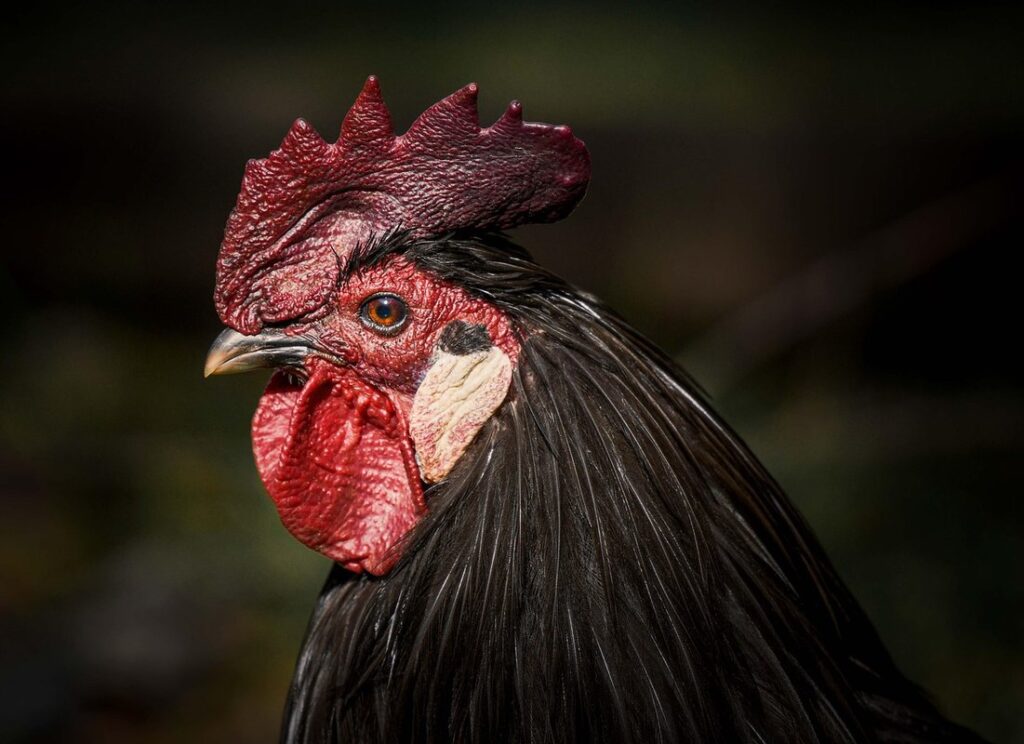
What is a Broody Hen?
So, you’ve heard of a broody hen before, but maybe you’re not entirely sure what it means for a chicken to be in a state of intense motherly devotion. We’ll break down the basics and define exactly what makes a hen go broody.
Definition and Explanation of Broodiness
Broodiness is a natural behavior exhibited by hens where they become intensely focused on incubating eggs and raising their chicks. This phenomenon can be triggered by various factors, including the hen’s instinct to reproduce, stress, boredom, or even physical discomfort. A broody hen will typically stop laying eggs and instead spend most of her time sitting on a nest, keeping the eggs warm, and occasionally leaving to eat, drink, and relieve herself.
As a result, hens can become quite aggressive when disturbed from their nesting spot, and may even attack anyone who tries to intervene. This behavior can be challenging for backyard chicken keepers, as it disrupts the regular egg-laying cycle and can lead to a decrease in overall egg production. If you’re experiencing this issue with your flock, know that there are ways to manage broodiness and encourage your hens to return to their normal laying routine.
Signs and Symptoms of Broodiness in Hens
A broody hen can be a challenging situation to deal with, especially if you’re new to chicken keeping. So, how do you know when your hen has gone broody? Look out for the following common signs and symptoms.
Excessive nesting is one of the first signs that a hen may go broody. You’ll notice her spending more time on the nest, often even when there are no eggs present. She may also start to build a cozy little nest using bedding material or even rearranging the existing nest to make it more comfortable.
Feather pecking and aggression can also be indicative of broodiness. A broody hen may become overly protective of her “babies” (even if they’re just eggs) and become aggressive towards other hens in the flock. She may even start to peck at their feathers, which can lead to stress and injury.
If you notice any of these behaviors in your hen, it’s essential to monitor her closely and take steps to manage broodiness before it takes over the entire flock.
Causes of Broodiness in Hens
Understanding why hens go broody can be puzzling, but it often comes down to a combination of instinct and hormonal responses triggered by various factors. Let’s explore some common causes together!
Hormonal Changes and Their Role in Broodiness
When hens go broody, it’s not just a matter of instinct kicking in – there are underlying hormonal changes at play. The hormones responsible for broodiness are primarily estrogen and progesterone. As these hormone levels fluctuate, they trigger the hen to exhibit broody behavior, such as intense nesting and motherly instincts.
The most significant contributor to hormonal fluctuations is light exposure. Hens exposed to natural daylight or artificial lighting with a photoperiod of 14 hours of light and 10 hours of darkness will experience a peak in estrogen levels, which can trigger broodiness. Conversely, reduced light periods can decrease estrogen levels, potentially preventing broody behavior.
Nutrition also plays a significant role, as adequate protein intake is crucial for hormone regulation. A diet lacking essential amino acids can disrupt hormonal balance, increasing the likelihood of broodiness. Additionally, age is another factor to consider – younger hens are more prone to experiencing hormonal fluctuations and going broody due to their higher estrogen levels.
Understanding these underlying factors can help you identify potential triggers and implement strategies to mitigate broodiness in your flock. By managing light exposure, providing a balanced diet, and monitoring the health of your hens, you may be able to reduce the occurrence of broodiness and promote overall well-being.
Environmental Triggers for Broodiness
Hens can become broody due to environmental triggers that might seem insignificant at first, but have a significant impact on their behavior. One of the primary causes is stress. When hens feel threatened, scared, or experience changes in their environment, they may become stressed, leading them to go broody as a coping mechanism.
Lack of stimulation is another crucial factor contributing to broodiness. Hens are intelligent and social birds that require mental and physical stimulation to stay engaged. If your flock lacks adequate space, toys, or activities, they might resort to broodiness due to boredom.
Temperature fluctuations can also trigger broodiness in hens. A sudden change in temperature or exposure to cold drafts can make them feel uncomfortable, leading to broody behavior. For instance, a hen may refuse to leave the nesting box if it’s too hot inside or too chilly outside.
To prevent environmental triggers from causing broodiness, ensure your flock has adequate space, toys, and activities to keep them engaged. Provide a stable temperature range in their coop, and avoid sudden changes. Regularly inspect your flock for signs of stress and address any issues promptly.
Managing a Broody Hen
When a hen goes broody, it can be frustrating for backyard chicken keepers. In this section, we’ll cover practical tips on managing a broody hen to minimize disruption and ensure her health.
Separating the Broody Hen from the Flock
Separating a broody hen from the rest of the flock is crucial to prevent stress on both the bird and the other hens. A broody hen can become aggressive when disturbed, which may lead to injuries for you or the other birds. Additionally, if she continues to sit on eggs that won’t hatch, she may develop health issues due to malnutrition and dehydration.
To safely separate a broody hen from the flock, start by observing her behavior. Watch how she reacts to your presence and whether she becomes aggressive when approached. Once you’ve determined she’s likely to be broody, carefully move her to a separate enclosure or coop where she can’t see or interact with the other hens.
When moving her, make sure to support her wings and body to prevent injury. Provide her with food, water, and shelter in her new location. It’s essential to check on her regularly to ensure she’s not developing any health issues due to prolonged broodiness. With patience and care, you can help your broody hen recover from this state and return to her normal behavior.
Providing Alternative Nests for Hens
Providing alternative nesting sites for hens is crucial to prevent broodiness and promote a healthy flock dynamics. If you don’t provide alternative nests, your hens may become fixated on the existing one, leading to prolonged periods of broodiness.
A good coop design should include multiple nesting boxes or areas, allowing each hen to have her own space without feeling crowded or territorial. The ideal number of nesting boxes is one per three hens, but you can also consider adding more if your flock size allows it.
When managing the coops, ensure that nesting boxes are easily accessible and well-ventilated. You can achieve this by placing them near a window or installing a ventilation system. A clean and dry environment will encourage hens to use the nesting boxes for laying eggs instead of incubating them.
It’s also essential to consider the location of the nesting boxes in relation to the rest of the coop. Place them in an area where your hens feel secure and protected, such as near a feeding or watering station.
Caring for Chicks Under a Broody Hen
When you’re dealing with a broody hen and her precious chicks, it’s essential to provide them with proper care to ensure their health and well-being. In this section, we’ll cover the specific needs of your chicks under a mother hen.
The Benefits and Risks of Rearing Chicks under a Broody Hen
Rearing chicks under a broody hen can be a fascinating experience for backyard chicken keepers. On one hand, allowing a motherly hen to care for her own babies can be incredibly rewarding. Broody hens provide the perfect environment for chicks to grow and develop, mimicking the natural behavior of wild birds. Chick survival rates often increase when they’re raised under their mother’s watchful eye. A broody hen will teach her chicks essential skills like foraging, social interaction, and predator avoidance.
However, there are also risks associated with rearing chicks under a broody hen. For instance, the hen may become overprotective or even aggressive if she perceives a threat to her babies. This can lead to stress on both the hen and other birds in the flock. Furthermore, a broody hen’s focus solely on chick-rearing can sometimes compromise her own health, leading to malnutrition or exhaustion.
If you do decide to let your broody hen raise chicks, it’s essential to monitor their situation closely and intervene if necessary. Make sure the broody hen has access to adequate food, water, and a safe, clean environment for herself and her babies. With proper care and attention, rearing chicks under a broody hen can be a wonderful experience for both you and your feathered friends.
Tips for Assisting the Broody Hen with Chick Care
When assisting a broody hen with chick care, it’s essential to provide her with the right environment and attention to ensure the chicks’ health and well-being. Start by ensuring she has access to fresh water, nutritious food, and a clean nesting box.
Monitoring the health of the chicks is crucial. Check on them daily for signs of illness or stress, such as labored breathing, lethargy, or loss of appetite. Keep an eye out for any unusual droppings, as this can indicate an underlying issue. If you notice any concerns, isolate the affected chick from the rest of the brood to prevent the spread of disease.
To maintain a healthy balance, avoid overcrowding the nesting box or surrounding area. A general rule of thumb is to provide at least 2-3 square feet per chick. This allows for easy movement and reduces stress on the hen and chicks alike. By providing a comfortable environment and keeping a close eye on their health, you can help your broody hen successfully raise healthy chicks. Regularly clean the nesting box and surrounding area to prevent disease and parasites from taking hold.
Preventing Broodiness in Hens
Preventing broodiness in hens requires a multi-faceted approach that addresses their instinctual urge to nest, including management and environmental adjustments. We’ll explore some effective ways to discourage this behavior.
Nutritional Strategies to Avoid Broodiness
Proper nutrition plays a significant role in preventing broodiness in hens. A balanced diet rich in essential vitamins and minerals can help regulate hormonal imbalances that often trigger this behavior. For instance, calcium deficiency has been linked to increased broodiness. Ensure your hens have access to a high-quality layer feed or supplement their diets with crushed oyster shells or dark leafy greens like kale.
Vitamins A, B6, and B12 are also crucial in maintaining hormonal balance. Consider adding vitamin-rich foods such as sunflower seeds or sweet potatoes to their diet. Additionally, omega-3 fatty acids found in flaxseeds or chia seeds can help reduce stress levels in your hens, which may contribute to broodiness.
Maintaining a consistent feeding schedule and providing adequate light exposure are also vital components of nutritional management. This approach not only ensures optimal nutrient intake but also helps regulate your hens’ internal clocks, further reducing the likelihood of broodiness.
Environmental Modifications to Reduce Stress
When it comes to preventing broodiness in hens, making changes to their environment can be a game-changer. Hens are intelligent and social creatures that thrive on mental and physical stimulation. By providing adequate light, space, and enrichment activities, you can significantly reduce stress levels and minimize the likelihood of broodiness.
Adequate lighting is essential for maintaining a healthy and active flock. Ensure your hen house has sufficient natural light or invest in artificial lighting to supplement it. Aim for at least 14 hours of light per day during the spring and summer months when hens are naturally more inclined to go broody. This will help regulate their circadian rhythms and reduce the likelihood of nesting behavior.
Provide plenty of space for your hens to move around, stretch, and engage in natural behaviors like pecking and scratching. A minimum of 2-3 square feet per hen is recommended, but ideally, you should aim for more if possible. This will not only reduce stress but also keep your girls active and engaged.
In terms of enrichment activities, think outside the box (or coop!). Offer a variety of toys, puzzles, and interactive games to keep their minds stimulated. You can also rotate toys regularly to prevent boredom and monotony. By making these simple adjustments, you’ll be well on your way to creating a stress-free environment that minimizes the risk of broodiness.
Conclusion: Living with Broody Hens
Now that you’ve learned how to manage broodiness, it’s time to think about integrating your hens back into your flock and maintaining a harmonious coop. We’ll explore practical tips for living with broody hens.
Summary of Key Points for Managing Broody Hens
Managing broody hens effectively is crucial for maintaining a healthy and thriving flock. To recap, we’ve discussed various aspects of hen broodiness, including its causes, symptoms, and solutions. Understanding these factors can help you identify the signs of broodiness and take necessary steps to manage it.
One key takeaway from this article is that every breed of chicken has a unique predisposition to broodiness. Some breeds, like Orpingtons and Brahma, are more prone to going broody than others. Knowing your flock’s breed characteristics can help you anticipate when they may become broody. Additionally, factors such as genetics, environment, and nutrition play significant roles in triggering broodiness.
To manage broody hens successfully, it’s essential to recognize the early signs of broodiness, including decreased egg production, changes in behavior, and physical symptoms like feather pecking and aggressive behavior. Once you’ve identified a broody hen, there are several steps you can take to encourage her to return to normal behavior.
Firstly, remove any eggs from under the hen’s wings to prevent further incubation. You can then try moving the hen to a separate enclosure or coop, as isolation often helps break the broodiness cycle. Providing plenty of fresh water, food, and exercise is also vital in encouraging her to return to normal behavior.
In some cases, medication may be necessary to treat underlying medical issues that could be contributing to broodiness. Consult with a veterinarian if you suspect any health problems in your flock.
By being aware of the causes and symptoms of hen broodiness and taking proactive steps to manage it, you can promote overall flock health and well-being.
Frequently Asked Questions
How Long Does a Hen Typically Remain Broody?
Broodiness can last anywhere from a few days to several weeks, depending on the hen’s individual characteristics and environmental factors. On average, hens will remain broody for about 2-4 weeks before returning to normal behavior.
Can I Leave My Broody Hen Unattended During the Day?
Yes, it’s generally safe to leave your broody hen unattended during the day, as long as you’ve provided a suitable environment and alternative nesting options. However, make sure to check on her regularly to ensure she’s not experiencing any health issues or showing signs of extreme stress.
How Can I Prevent My Hens from Going Broody in the First Place?
Preventing broodiness involves creating an optimal environment for your hens, including providing ample space, stimulating activities, and a balanced diet. Regularly rotating your flock can also help prevent boredom and reduce the likelihood of broodiness.
What If I Have Multiple Broody Hens at Once? How Can I Manage Them?
Having multiple broody hens can be challenging! To manage this situation, prioritize their health and well-being by providing separate nesting areas and ensuring they have access to adequate food and water. Consider separating them from the rest of the flock for a few days to prevent any conflicts or stress.
Can a Broody Hen Re-Lay After Hatching Chicks?
No, a broody hen will typically stop laying eggs until she has successfully raised her chicks under her care. However, after the chicks have grown and left the nest, the hen may return to normal egg-laying behavior. This can be influenced by factors such as nutrition, environment, and overall health.