
If you’re fascinated by the natural world and want to learn more about raising geese, then understanding the process of geese hatching eggs is essential knowledge. Geese are wonderful birds known for their distinctive honking calls and impressive migratory feats, but have you ever wondered how they reproduce? Hatching eggs is a remarkable process that involves intricate biological mechanisms and social behaviors. Whether you’re an experienced goose breeder or just starting out, this article will provide you with everything you need to know about geese hatching eggs. From the basic biology of incubation to artificial incubation methods and natural broody behavior, we’ll cover it all. By the end of this article, you’ll be well-equipped to help your geese successfully hatch their eggs.
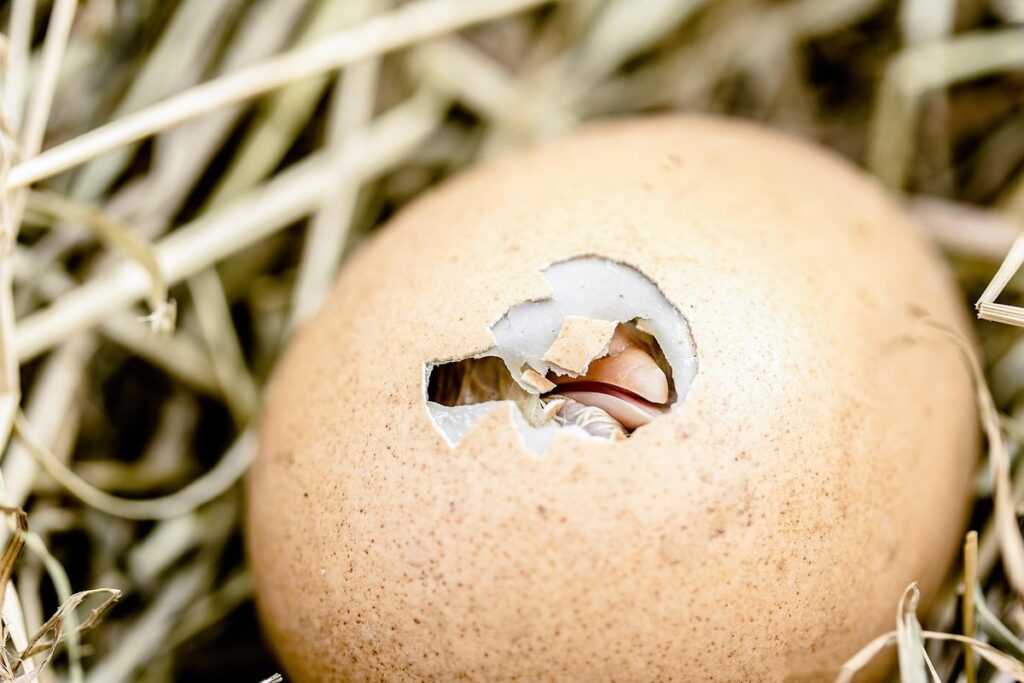
Understanding Goose Reproduction
When it comes to raising goslings, understanding how geese reproduce is crucial for a successful breeding season. Let’s dive into the fascinating world of goose reproduction and explore the key factors involved.
Biological Basics of Goose Hatching
Goose reproduction is a fascinating process that involves several intricate steps. Let’s start with ovulation, which is the release of an egg from the oviduct into the cloaca, a shared reproductive and excretory chamber in birds. This usually occurs every 24-48 hours during breeding season, depending on factors like age, nutrition, and health.
Fertilization takes place shortly after ovulation when sperm from the male’s semen meets the released egg in the oviduct. The fertilized egg then begins its journey to the uterus, where it will implant and begin developing into an embryo. Meanwhile, the hen’s body starts producing yolk sacs that nourish the growing embryo.
Egg formation is a gradual process that takes about 24-26 hours after fertilization. During this time, the uterine lining thickens, and the egg white and shell membranes form around the developing embryo. Once formed, the goose egg is remarkably resilient and can withstand rough handling due to its unique structure and composition.
It’s essential for breeders to understand these biological processes to provide optimal care for their geese during breeding season. By recognizing the signs of ovulation, fertilization, and egg formation, you’ll be better equipped to intervene when necessary and increase your chances of successful hatching.
Factors Influencing Egg Hatchability
When it comes to hatching goose eggs, several external factors can significantly impact hatchability. As an enthusiastic goose breeder, you’ll want to ensure that your geese are receiving optimal care, nutrition, and environmental conditions to increase the chances of successful hatching.
The age of the parent geese is one critical factor influencing egg hatchability. Geese between 2-3 years old typically produce eggs with higher hatch rates compared to younger or older birds. This is because they have reached their prime reproductive age and are more likely to lay healthier, fertile eggs.
Proper nutrition is also essential for healthy egg production. Make sure your geese have access to a balanced diet rich in protein, vitamins, and minerals. A nutrient-deficient diet can lead to weak or deformed embryos, ultimately affecting hatchability.
Environmental conditions such as temperature, humidity, and light exposure can also impact egg development. Ensure that your breeding facility provides a stable environment with adequate ventilation, clean water, and a safe roosting area for the geese.
Preparing for Incubation: Choosing the Right Eggs
When it comes to hatching geese, selecting the right eggs is crucial. In this next step, we’ll walk you through the process of choosing high-quality eggs for successful incubation.
Selecting Healthy Fertile Eggs
When selecting healthy, fertile eggs suitable for hatching, there are several key factors to consider. First and foremost, you want to choose eggs from reputable breeders who prioritize egg quality and fertility. Look for breeders who have a proven track record of successful hatch rates and ask about their breeding program.
As you handle the eggs, check for any visible cracks or damage on the shell. A cracked egg is not suitable for hatching as bacteria can enter through the crack, leading to infection and potentially harming the embryo inside. Next, inspect the egg’s weight – a healthy fertile egg should be relatively heavy due to its high water content.
To test for fertility, gently roll the egg between your hands or tap it lightly on a flat surface. If you notice any movement or a slight bounce, this can indicate that an embryo is present and developing inside the egg. This method may not guarantee 100% accuracy, but it can give you a good idea of the egg’s viability.
When purchasing eggs from a breeder, ask about their hatching egg selection process to ensure they’re using healthy breeding stock and prioritizing fertility in their eggs.
Evaluating Egg Quality and Viability
When evaluating egg quality and viability, there are several techniques you can use to ensure that you’re choosing healthy eggs for hatching. One of the most common methods is candling, which involves shining a bright light through the egg to inspect its contents.
To candle an egg effectively, make sure it’s darkened first by placing it in a quiet, dimly lit area for 24 hours. Then, hold the egg up to a bright light source, such as a desk lamp or a specialized candling light, and observe any signs of embryonic development inside. A healthy embryo will appear as a small, pulsing mass with a clear, transparent appearance.
In addition to candling, weighing eggs can also be an effective way to assess quality. Healthy geese embryos develop rapidly and produce significant weight gains over the course of incubation. By comparing your eggs’ weights to standard charts or averages for your breed, you can identify any potential issues early on.
When inspecting eggs by hand, gently turn them over and feel for any signs of cracking or weakness in the shell. Avoid jarring or banging the eggs against surfaces, as this can cause internal damage that may be undetectable through candling or weighing alone.
Artificial Incubation Methods
Artificial incubation methods offer a reliable alternative for hatching goose eggs, allowing you to control temperature and humidity levels closely. This section will explore popular techniques in more detail.
Using an Incubator: Choosing the Right Type
When it comes to artificial incubation, choosing the right type of incubator is crucial for successful hatching. There are several types of incubators available on the market, each with its unique features and characteristics.
One key consideration is temperature control. Some incubators offer precise digital temperature control, while others rely on manual temperature adjustments. For example, the Brinsea Mini II Eco incubator boasts advanced temperature control, allowing for precise temperature regulation to within 0.1°C. On the other hand, some cheaper options may require more frequent temperature checks and adjustments.
Humidity management is also a critical factor in artificial incubation. Some incubators come equipped with built-in humidity sensors and automatic water pans, making it easier to maintain optimal humidity levels. For instance, the HovaBator Genesis incubator features a digital hygrometer and automatic egg turning system to ensure proper humidity control.
When selecting an incubator for geese hatching eggs, consider factors such as ease of use, temperature and humidity management, and noise level. It’s essential to choose an incubator that meets your specific needs and provides the right environment for your geese eggs to hatch successfully.
Setting Up and Maintaining the Incubator
Setting up an artificial incubator for geese hatching eggs requires careful preparation and maintenance to ensure successful hatching rates. First, choose a reliable incubator that can maintain a consistent temperature between 99°F and 100°F (37°C to 38°C) and humidity levels between 50% and 60%. It’s essential to calibrate the incubator before use to avoid any discrepancies.
To prepare the eggs for artificial incubation, gently wash them in warm water and dry with a soft cloth. Place the eggs in the incubator with the large end up, leaving about an inch of space between each egg. Monitor the temperature and humidity levels regularly, making adjustments as needed to maintain optimal conditions. Keep the incubator clean and free of drafts by placing it away from windows and doors.
Cleanliness is crucial when maintaining an artificial incubator. Wash your hands thoroughly before handling eggs or equipment, and disinfect all surfaces with a mild detergent solution. Regularly check for signs of mold, yeast, or bacterial growth on the eggs or incubator and take corrective action if necessary.
Natural Incubation Methods: Broody Geese
Some geese breeds are naturally inclined to sit on eggs, a process known as broodiness. If you’re lucky enough to have a broody goose, you can learn how to manage this natural incubation method effectively.
Recognizing a Broody Goose
Identifying a broody goose is crucial for successful natural incubation. A broody goose will exhibit distinct behavior that indicates it’s ready to sit on eggs. Look for signs such as constant pacing back and forth, clucking loudly, and strutting around the enclosure. These geese may also become more aggressive when approached or disturbed.
If you suspect a goose is going broody, observe its behavior closely over several days. A true broody will begin to prepare a nesting site, often selecting a secluded area with grasses and leaves. They’ll collect material to line their nest, such as soft grasses, feathers, or moss.
A broody goose’s abdomen will swell slightly due to egg yolk storage, but don’t mistake this for an actual egg. You can also check the vent area for moisture and a slight swelling, which indicates the presence of eggs inside.
When you notice these behaviors, provide your broody goose with a safe nesting site and some supportive perches. This will encourage her to settle in and incubate the eggs successfully.
Caring for a Broody Goose
When caring for a broody goose, it’s essential to provide a suitable environment and nutritious food to support her natural incubation process. A healthy diet is crucial for the mother geese as she needs energy to keep herself warm and maintain egg development.
A balanced diet rich in grains, fruits, and vegetables should be provided to ensure the brooding goose receives all necessary nutrients. In addition, fresh water must always be available, and it’s recommended to have a mineral block or a source of calcium nearby to prevent any potential deficiencies.
The environment also plays a significant role in successful incubation. Ensure the nesting area is quiet, dark, and at an optimal temperature between 90°F to 100°F (32°C to 38°C). Avoid placing her near drafts or air conditioning vents as this can cause stress and negatively impact the eggs. Regularly check on the brooding goose and provide a clean, dry space for her to rest and care for the eggs.
Monitor the mother geese closely for any signs of stress or illness, and take prompt action if you notice anything unusual. By providing a supportive environment and nutritious food, you’ll be well on your way to helping your broody goose successfully hatch her eggs.
Monitoring and Maintaining Egg Temperature
Now that you have a successful incubation period underway, it’s time to focus on maintaining the perfect temperature for your geese eggs to hatch smoothly. Proper temperature monitoring is crucial here.
The Importance of Temperature Control
Maintaining optimal egg temperature is crucial for successful goose hatching. The embryo inside the egg develops best when exposed to a consistent temperature between 99°F and 100°F (37°C to 38°C) during the incubation period. This narrow temperature range allows for proper development of the gosling’s organs, tissues, and overall growth.
A slight deviation from this optimal temperature can have severe consequences. For instance, if the eggs are too cold, the embryo may not develop properly, leading to failed hatchings or weak goslings. Conversely, temperatures that are too high can cause the egg to cook internally, resulting in dead embryos or even explosions of the egg.
To ensure accurate temperature control, invest in a reliable incubator specifically designed for geese eggs. These units usually have built-in thermostats and humidity controls, making it easier to maintain a consistent temperature throughout the 28-day incubation period. Regularly check the thermometer and adjust the settings as needed to guarantee optimal conditions for your goslings’ development.
Common Issues with Temperature Regulation
Monitoring temperature is crucial when it comes to hatching geese eggs. However, even with proper incubation equipment and techniques, issues can still arise. One common problem is temperature fluctuations, which can be caused by faulty thermostats or inconsistent ventilation.
Another issue that may come up is maintaining the optimal temperature gradient across the incubator. This means ensuring that the air around the eggs is at a consistent temperature, with the hottest spot being 5-7°F (3-4°C) above the recommended setting. If this isn’t done correctly, some eggs might develop unevenly or even experience embryonic mortality.
Another common problem is over- or under-chilling of eggs. This can be due to improper ventilation or a malfunctioning temperature control system. Over-chilling can cause eggs to absorb too much moisture and become waterlogged, while under-chilling can slow down development or result in poor hatch rates.
To overcome these issues, make sure to:
• Check your incubator’s thermostat and adjust it as needed.
• Maintain proper ventilation levels throughout the hatching process.
• Monitor temperature fluctuations using a thermometer or data logger.
• Follow established guidelines for optimal temperature gradients.
Successful Hatching: Tips and Best Practices
Now that you’ve successfully incubated your geese eggs, it’s time to focus on hatching – here are our top tips for a successful hatching process. We’ll walk you through everything you need to know.
Recognizing Signs of Imminent Hatching
As an attentive goose breeder, it’s essential to recognize the signs of imminent hatching to ensure you’re prepared for this critical stage. The hatching process typically begins with subtle indicators that can be easily missed if you’re not paying close attention.
About 24-48 hours before hatching, you may notice a slight pause in the egg turning and pip (small hole made by the chick’s beak). This is because the chick has stopped pecking at the shell to conserve energy. Around this time, you might also observe the egg starting to feel softer or more fragile.
Another crucial sign is the “candle test.” Hold a candle flame about 12 inches away from the air cell (the area between the inner and outer membranes of the egg) while observing the egg’s interior through a light source. If you notice a faint glow or see the blood vessels and veins in the chick’s eyes, it indicates that hatching is imminent.
Keep in mind that these signs can vary depending on factors like breed, temperature, and incubation conditions. Stay vigilant, and with experience, you’ll become more adept at recognizing these subtle cues, allowing you to provide optimal care during this critical phase.
Post-Hatching Care and Raising Goslings
Once you’ve successfully hatched your geese eggs, it’s essential to provide proper care for the newly emerged goslings. Their first few weeks of life are crucial, and neglecting their basic needs can lead to health issues down the line.
First and foremost, ensure that the goslings have access to clean, fresh water at all times. A shallow dish or a birdbath with gentle water flow is perfect for this purpose. You’ll also need to provide a starter feed specifically designed for waterfowl goslings. Follow the manufacturer’s instructions on feeding amounts and gradually transition them to regular goose pellets as they grow.
When it comes to housing, it’s crucial to maintain a warm and draft-free environment. The ideal temperature for gosling enclosures is around 90-95°F (32-35°C) for the first week, which can be achieved using heat lamps or a well-insulated brooder. As they grow older, you can gradually lower the temperature by 5°F (3°C) every few days to acclimate them to outdoor conditions.
Make sure to provide adequate ventilation in their enclosure to prevent ammonia buildup from droppings. Also, ensure there’s enough space for all goslings to move around comfortably, as overcrowding can lead to stress and health problems.
Frequently Asked Questions
What are the ideal temperature and humidity levels for artificial incubation?
Temperature control is crucial during artificial incubation. For goose eggs, the ideal temperature range is between 99°F (37°C) and 100°F (38°C), with a slight drop in temperature at the end of incubation to stimulate hatching. Humidity should be maintained around 50-60%. You can use an analog or digital thermometer to monitor these levels.
How do I know if my geese are fertile?
Determining fertility can be challenging without laboratory testing. However, experienced breeders look for signs like a healthy reproductive tract, adequate nutrition, and optimal breeding season timing. Fertility is also influenced by factors such as age, genetics, and environmental conditions. If you’re concerned about your geese’s fertility, consult with a veterinarian or experienced breeder.
What are some common mistakes to avoid when using an incubator?
Common issues with temperature regulation can lead to poor hatch rates. Be sure to: 1) calibrate the thermometer regularly; 2) maintain precise temperature control (±0.5°F); and 3) ensure adequate ventilation to prevent CO2 buildup. Also, monitor the humidity level closely, as excessive dryness or moisture can harm eggs.
Can I use an incubator for other bird species?
Yes, many types of birds, like ducks, turkeys, and quails, can be successfully hatched using artificial incubation methods. However, you’ll need to adjust temperature and humidity settings according to the specific species’ requirements. Consult with a veterinarian or experienced breeder to determine the ideal conditions for your target species.
How do I handle a failed hatch?
A failed hatch doesn’t necessarily mean all eggs are infertile. Common issues like poor incubation, incorrect temperature/humidity levels, or bacterial contamination can affect egg viability. Carefully inspect the incubator and handling procedures to identify potential causes. Consult with an experienced breeder or veterinarian for guidance on post-hatch analysis and potential solutions.