
As a goose breeder or enthusiast, you’re probably eager to know when those precious eggs will crack open and reveal adorable goslings. But how long does it take for goose eggs to hatch? The incubation period is a crucial aspect of successful hatching, and understanding the typical timeframe can make all the difference. Factors like temperature, humidity, and breed variation can influence the hatching time, so it’s essential to create an optimal environment for your eggs. In this article, we’ll delve into the world of goose egg incubation, exploring the average duration of gestation and signs that indicate approaching hatch. We’ll also share tips on how to optimize your setup for successful hatching, ensuring a healthy start for your goslings.
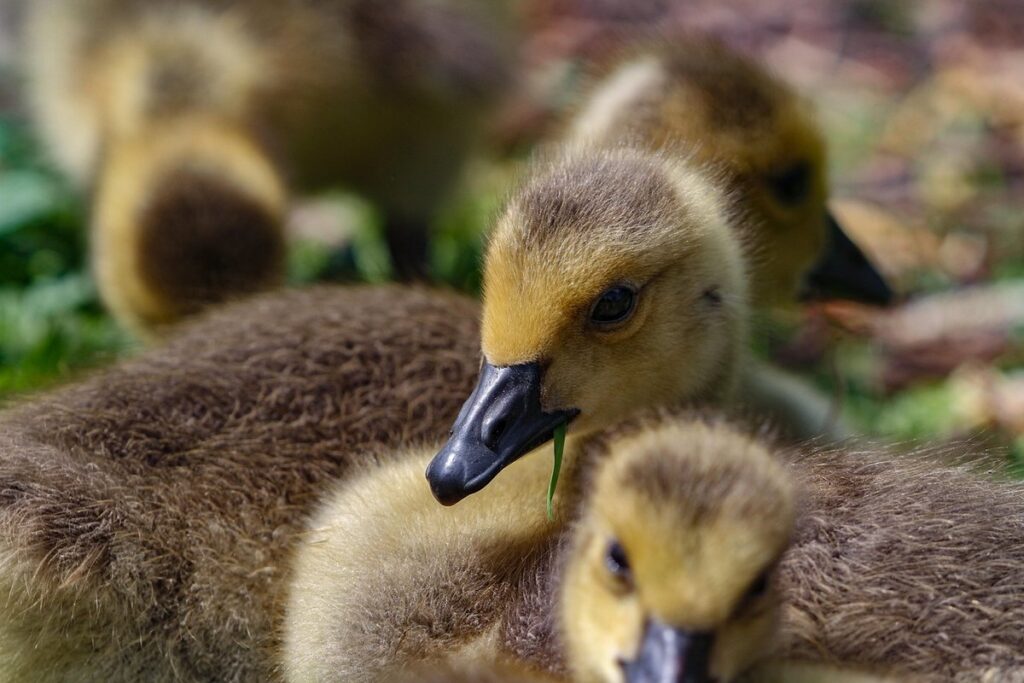
Understanding Goose Egg Incubation Basics
To successfully hatch goose eggs, you need to understand the basics of incubation, including temperature control and turning techniques that support healthy development. This involves following a precise process to mimic natural hatching conditions.
Why Gooses Don’t Start Incubating Immediately
Geese don’t start incubating eggs immediately after laying because of their unique breeding habits and instinctual behavior. This might seem counterintuitive, but it’s actually a crucial aspect of successful goose reproduction.
In the wild, geese typically mate once a year and may not breed again for several months. During this time, they focus on building their pair bond, establishing their territory, and preparing for the next breeding season. As a result, female geese often don’t lay all their eggs at once. Instead, they may space out their laying over several days or even weeks.
This behavior is known as “extended incubation,” where females will start incubating eggs only after the clutch is complete. By doing so, they ensure that all eggs have a good chance of hatching successfully. This instinctual behavior also helps geese to conserve energy and resources during breeding season. As a goose breeder, it’s essential to understand and respect this natural behavior to give your birds the best possible start in life.
Factors Affecting Incubation Periods in Geese
The incubation period of goose eggs can be influenced by various external factors, which is why it’s essential to understand these variables when determining how long for goose eggs to hatch. Environmental conditions play a significant role in the incubation process. For instance, temperature fluctuations can affect embryonic development. Ideal temperatures range from 37°C to 38°C (98°F to 100°F), and maintaining consistent warmth is crucial.
Nutrition also impacts the health of the mother goose, which in turn affects the embryo’s growth. A well-nourished mother will typically produce healthier eggs with a higher chance of successful hatching. Ensure she has access to a balanced diet rich in proteins, vitamins, and minerals. Health issues in the mother goose can also prolong or even prevent incubation. Regular health checks and vaccinations can help identify potential problems.
Maintaining proper hygiene and cleanliness in the nesting area is vital for healthy embryo development. Any bacteria or pathogens present during this critical period can lead to infections, affecting hatching time or even causing stillbirths.
Typical Incubation Period for Goose Eggs
If you’re incubating goose eggs, understanding the typical incubation period is crucial to knowing when to expect hatching. In this section, we’ll discuss what you can typically expect.
Average Hatching Time: 28-30 Days
The average hatching time for goose eggs is typically between 28-30 days. This range may vary depending on several factors, such as breed, temperature, and incubation conditions. For most standard breeds, you can expect the egg to pip (break through the shell) around day 27 or 28.
Keep in mind that the hatching process usually begins with a slight pause after pipping, where the gosling will rest and reposition itself before making its final break for freedom. This is completely normal and doesn’t necessarily indicate any issues.
If you’re incubating goose eggs, it’s essential to maintain a consistent temperature between 99-100°F (37-38°C) during this period. Even slight deviations can impact the hatching time. Monitor your thermometer closely and make adjustments as needed to ensure optimal conditions.
By understanding what to expect during this critical phase, you’ll be better equipped to provide care and support for your goslings as they emerge from their eggs. Remember to stay vigilant and keep a close eye on temperature fluctuations, humidity levels, and any signs of distress in the incubator.
Factors Influencing Egg Hatching Time in Geese
The length of time it takes for goose eggs to hatch can be significantly influenced by several factors. For instance, the breed of the goslings has a substantial impact on the incubation period. Different breeds have varying growth rates and egg sizes, which directly affects how long they take to develop inside the egg.
For example, Embden geese typically have longer incubation periods compared to other breeds like Toulouse or African geese. Their larger size and slower development mean that their eggs require more time to hatch, often taking around 28-30 days.
Another crucial factor is the size of the egg itself. Larger eggs generally take longer to hatch due to the increased complexity and growth rate required for the developing gosling. Eggs weighing over 150 grams can be expected to hatch within 29-31 days, whereas smaller eggs might hatch in as little as 26-28 days.
Health also plays a significant role in determining how long it takes for goose eggs to hatch. Any health issues or genetic defects in the parent geese can affect the development and growth of the embryo inside the egg, potentially leading to longer incubation periods or even unsuccessful hatching. Regular health checks and proper nutrition can help minimize these risks and ensure a healthy start for your goslings.
Factors Affecting Incubation Periods
Let’s dive into the factors that can influence incubation periods, from breed and temperature to humidity and more. Each of these elements plays a role in how long it takes for your goose eggs to hatch.
Temperature Effects on Goose Eggs
When it comes to incubating goose eggs, temperature plays a crucial role in determining the length of time they take to hatch. The ideal temperature range for incubating goose eggs is between 99°F (37°C) and 100°F (38°C). This narrow temperature window is critical because even slight deviations can affect embryonic development.
For example, if the temperature drops below 98°F (36°C), the embryo may not develop properly, leading to poor hatch rates or stillbirths. On the other hand, temperatures above 101°F (39°C) can cause the embryo to develop too quickly, resulting in weak or deformed goslings.
To maintain a consistent temperature, it’s essential to use an incubator specifically designed for goose eggs. Some owners prefer using broody hens to incubate their eggs, but this method can be unpredictable and may not provide the optimal temperature conditions needed for successful hatching. By keeping your incubator at the correct temperature range, you’ll increase the chances of healthy goslings hatching successfully.
Humidity Levels and Their Impact on Hatching
When it comes to successfully hatching goose eggs, maintaining optimal humidity levels is crucial. The ideal range for humidity during incubation is between 50-60%. This may seem like a small window, but getting it just right can make all the difference.
Why is humidity so important? When the air is too dry, embryos may not receive enough moisture to develop properly. On the other hand, excessive humidity can lead to mold growth and bacterial contamination. To avoid these issues, ensure your incubator’s relative humidity (RH) gauge is calibrated correctly.
In practice, maintaining consistent humidity levels requires regular checks and adjustments. Aim for a slight decrease in RH as the eggs near hatching time – typically around 20-24 days into incubation. You can achieve this by slightly opening the ventilation ports or increasing the air exchange rate within your incubator. By paying attention to humidity levels and making necessary adjustments, you’ll be well on your way to successfully hatching your goose eggs.
Signs of Approaching Hatch in Goose Eggs
As you count down the final days before your goose eggs hatch, look for these telltale signs that incubation is coming to an end. A noticeable increase in egg turning and pip marks are common precursors.
Visual Cues Indicating Hatching Time
As you wait for your goose eggs to hatch, it’s essential to pay attention to visual cues that indicate the approach of hatching time. One of the most noticeable signs is a change in egg color. About 24-48 hours before hatching, the egg will begin to lighten in color, and you may see a slight darkening around the air cell. This is due to the chick’s beak piercing the shell from the inside out.
Another visual sign is changes in egg behavior. You might notice that the egg becomes more active, with gentle rocking motions or even spinning within the nest. This is caused by the chick’s movements as it prepares for emergence. Keep an eye on your goose eggs and observe their behavior closely, as this can be a subtle yet significant indication of hatching time.
If you’re still unsure about hatching time, look for any visible cracks in the eggshell. These are usually small and may not be immediately noticeable, but they indicate that the chick is making its way out. Remember to handle your eggs gently during this critical period to avoid causing unnecessary stress or injury to the developing gosling.
Pre-Hatch Behaviors in Geese
As you approach the hatching day of your goose eggs, it’s essential to observe and recognize pre-hatch behaviors exhibited by geese. These signs indicate that your goslings are getting ready to emerge from their shells.
Increased activity is a common sign of approaching hatch in geese. You may notice your geese moving around more frequently, restlessly pacing back and forth in the nesting box or enclosure. They may also be making frequent visits to the nesting site, preparing it for the new arrivals.
In addition to increased activity, geese will often vocalize loudly as hatching nears. This loud calling can be an unmistakable sign that your goslings are getting ready to hatch. Pay close attention to these vocalizations, as they can serve as a warning that you’re just days away from the big event.
Keep in mind that every gander and goose is different, but observing these pre-hatch behaviors will give you valuable insight into when to expect hatching to occur. By paying close attention to your geese’s behavior, you’ll be better equipped to care for the new arrivals once they emerge.
Troubleshooting Common Issues with Goose Egg Incubation
If you’re experiencing issues with your goose egg incubation, don’t worry – we’ve got you covered. This section addresses common problems and offers solutions to help ensure a successful hatch.
Factors Leading to Delayed Hatching
When it comes to incubating goose eggs, delayed hatching can be frustrating and disappointing. But don’t worry, it’s not uncommon and often due to factors that are easy to rectify. One of the primary reasons for delayed hatching is inadequate temperature control. Goose eggs require a consistent temperature between 99-100°F (37-38°C) to develop properly. If the incubator temperature drops or rises significantly, it can cause the embryo’s development to slow down or even stop.
Humidity levels are also crucial for goose egg incubation. A relative humidity of 50-60% is ideal, but if it gets too low, the egg may dry out and delay hatching. Inadequate ventilation in the incubator can also lead to a buildup of carbon dioxide, causing stress to the embryo and delaying hatching.
To avoid these issues, make sure your incubator is well-maintained and regularly checked for temperature fluctuations. Monitor humidity levels closely, and ensure proper ventilation is maintained throughout the incubation period. Regularly cleaning and disinfecting the incubator can also help prevent bacterial growth that may delay hatching.
Recognizing Potential Health Concerns in Goose Eggs
When it comes to incubating goose eggs, it’s essential to be aware of potential health concerns that can impact the hatching process. Bacterial and fungal infections are two common issues that can arise during incubation, affecting both the eggs and the newly hatched goslings.
Some signs of bacterial or fungal infections include:
• Discoloration on the eggshell
• Cracks in the shell
• Odors emanating from the egg
• Molds or fungus growth on the egg
If you notice any of these symptoms, it’s crucial to take immediate action. Discard any infected eggs to prevent further contamination and stress on your flock. Regularly clean and disinfect your incubation equipment and environment to minimize the risk of infection.
To maintain a healthy incubation environment, ensure proper ventilation, temperature control, and humidity levels. Monitor your eggs daily for any signs of distress or unusual behavior. By being vigilant and proactive in addressing potential health concerns, you can increase the chances of successful hatching and raise healthy, thriving goslings.
Tips and Best Practices for Incubating Goose Eggs
To ensure successful hatching, here are some essential tips and best practices for incubating goose eggs, tailored to your specific needs. Follow these guidelines closely for optimal results.
Setting Up an Optimal Incubator Environment
When setting up an optimal incubator environment for goose eggs, temperature control and ventilation are crucial factors to consider. A consistent temperature between 99°F and 100°F (37°C to 38°C) is ideal for goose embryos, with a slight drop in temperature at the beginning of incubation to mimic natural conditions.
Maintain proper ventilation by ensuring adequate airflow within the incubator. A general rule of thumb is to provide about 1 square inch of ventilation per egg. You can achieve this by placing eggs on shelves or racks with enough space between them for air to circulate freely.
Keep in mind that goose eggs require slightly higher humidity levels than chicken eggs, typically ranging from 50% to 60%. To maintain the correct level, you can mist the incubator lightly with water daily. Monitor temperature and humidity levels closely using a thermometer and hygrometer to ensure optimal conditions for your eggs.
Monitoring Egg Development and Hatching Progress
Monitoring the development and hatching progress of goose eggs is crucial to ensure successful incubation. One way to do this is by using an egg candler, which shines a light through the eggshell to observe the embryo’s growth without having to crack open the egg. This process typically starts around day 7-10 of incubation.
You’ll notice the embryo’s heart rate increasing, and blood vessels becoming more visible as it grows. Another way to monitor progress is by checking for air sac development. The air sac should be around 40% developed by day 14-15 of incubation. If you’re unable to use an egg candler or prefer a more manual approach, observing the eggs’ temperature and weight can also provide valuable insights.
For example, goose embryos typically grow at a rate of about 1 gram per day during the first week of incubation. This information can be used to anticipate hatching time based on individual egg weights and temperatures. Regularly monitoring these factors will help you identify any potential issues before they become major problems.
Frequently Asked Questions
Can I still incubate goose eggs if they have been stored for a few weeks?
You can, but it’s essential to monitor the eggs closely for any signs of spoilage or reduced viability. Check for cracks, unusual odors, and soft spots on the surface. It’s also crucial to maintain optimal temperature (99-100°F) and humidity levels during storage.
How do I recognize potential health concerns in goose eggs?
Look out for unusual patterns on the eggshell, such as cracks, stains, or mold. Check the egg’s weight, shape, and firmness; any deviations might indicate a problem. Also, monitor the incubator environment: extreme temperatures, humidity fluctuations, or bacterial contamination can impact embryo development.
What if my goose eggs take longer than 30 days to hatch?
This is not uncommon, as factors like breed, temperature, and humidity can influence hatching time. Keep the incubator at a consistent temperature (99-100°F), maintain proper humidity levels, and ensure that the eggs are clean and free from contamination.
How do I know when to intervene if I notice signs of delayed hatching?
Monitor your goose eggs closely for extended hatching times or unusual behavior. If you suspect an issue, check the incubator environment, inspect the eggs for cracks or damage, and consider seeking advice from a poultry expert. Intervene only if necessary, as human interaction can disrupt natural processes.
Can I use artificial incubation to breed geese?
Yes, artificial incubation is a viable option for breeding geese. However, it’s crucial to understand that optimal hatching rates are achieved when natural mating and incubation periods occur. Consult with experienced goose breeders or experts in poultry reproduction to ensure successful results.