
Are you expecting a new addition to your family soon? If so, you’re probably wondering when that precious little guinea fowl chick will emerge from its egg. But how long does it take for a guinea egg to hatch, and what factors influence this process?
The incubation period for guinea eggs is crucial to ensure the chick develops properly. Temperature requirements play a significant role in this process, with most breeders aiming for a consistent temperature between 99°F and 100°F (37°C – 38°C). However, temperature fluctuations can significantly affect the length of time it takes for an egg to hatch. In this article, we’ll explore the average incubation period for guinea eggs, common problems encountered during hatching, and provide valuable insights to help you become a successful breeder or ensure your new addition has the best possible start in life.
Understanding Guinea Fowl Eggs and Incubation
When it comes to raising guinea fowl, understanding how their eggs incubate is crucial for successful hatching. In this next part of our guide, we’ll delve into the specifics of guinea egg incubation and what to expect.
Characteristics of Guinea Fowl Eggs
Guinea fowl eggs are known for their distinctive characteristics, which set them apart from other bird eggs. One of the most noticeable features is their size – guinea fowl eggs are typically smaller than chicken eggs, with an average weight of 45-55 grams and a length of around 5-6 centimeters.
Their shape is also unique, being more elongated and pointed at one end compared to chicken eggs. When it comes to color, guinea fowl eggs often have a mottled or speckled appearance, with shades ranging from brown to tan to gray. The shell texture of guinea fowl eggs is relatively hard and smooth, but may have small ridges or imperfections.
New breeders may find it helpful to learn how to properly handle guinea fowl eggs to avoid damage during collection and storage. This can be achieved by gently scooping up the egg with both hands to support its length, rather than grasping it from one end. Additionally, guinea fowl eggs benefit from being stored in a cool, dry place to preserve their quality until incubation begins.
In some cases, guinea fowl breeders may notice that certain eggs have smaller or larger dimensions due to factors such as age, nutrition, and genetics. Regular monitoring of egg production can help identify these variations and ensure optimal hatching rates.
Factors Affecting Incubation Periods
When it comes to incubating guinea eggs, several factors can affect the length of time it takes for them to hatch. One key factor is egg size. Larger eggs tend to take longer to incubate, typically 28-30 days, while smaller eggs may hatch as early as 26-27 days.
Another important consideration is the breed of guinea fowl. Different breeds have varying incubation periods due to their unique physiology and reproductive characteristics. For example, some African breeds may have a slightly shorter incubation period than European breeds.
Temperature also plays a crucial role in incubation. A consistent temperature between 99-100°F (37.2-37.8°C) is ideal for guinea egg incubation. However, if the temperature fluctuates or drops too low, it can slow down or even stop development. Make sure to maintain a stable environment and monitor the temperature closely to ensure optimal conditions.
It’s worth noting that these factors can interact with each other in complex ways. For example, a larger breed may require slightly longer incubation periods than a smaller breed, but if it’s also laid larger eggs, its overall incubation period might be similar.
Guinea Fowl Egg Incubation Basics
When it comes to incubating guinea fowl eggs, there are some basic principles that you need to follow to ensure a healthy hatch. The most crucial aspect is maintaining the right temperature. Guinea fowl eggs require a consistent temperature between 99°F (37°C) and 100°F (38°C) during the first 24-28 days of incubation. It’s essential to maintain this temperature within ±0.5°F (±0.3°C). You can use an egg turner or manually rotate the eggs every few hours to prevent them from developing unevenly.
Another critical aspect is turning the eggs regularly. Guinea fowl eggs need to be turned at least 4-6 times a day during the first 28 days of incubation. This helps to ensure that the embryo develops evenly and prevents it from getting stuck to the shell membrane. If you’re using an automatic egg turner, make sure it’s set correctly, as incorrect settings can lead to poor hatch rates.
By following these basic principles, you’ll be well on your way to successfully incubating guinea fowl eggs.
The Normal Incubation Period for Guinea Eggs
So you’re wondering how long it takes a guinea egg to hatch, and specifically what’s considered a normal incubation period. Let’s dive into the typical timeframe you can expect.
Average Incubation Periods for Different Breeds
The incubation period for guinea eggs can vary slightly depending on the breed. While most breeds fall within the standard 28-day window, some may take longer to hatch.
For example, the Abeniki breed is known to have a slightly shorter incubation period of around 26-27 days, making them one of the earliest hatching breeds. On the other hand, some large breeds like the Jersey Giant or the White African can take up to 30 days to hatch due to their larger size and potentially longer gestation periods.
It’s essential for breeders to be aware of these differences when incubating guinea eggs. If you’re expecting a specific breed with a shorter or longer incubation period, it’s crucial to monitor your eggs more closely around the expected hatch date. Keep in mind that these variations are relatively minor and should not significantly impact the overall hatching success.
To give you a better idea of what to expect, here’s a breakdown of some common guinea breeds and their average incubation periods:
* Abeniki: 26-27 days
* Jersey Giant: 29-30 days
* White African: 28-30 days
* Silver Appleyard: 27-28 days
Keep in mind that individual results may vary, and it’s always a good idea to research specific breed characteristics before incubating guinea eggs.
Factors that Can Affect the Incubation Period
The incubation period of guinea eggs can be influenced by various environmental factors, which is why it’s essential to provide a suitable environment for these eggs to hatch successfully. Temperature fluctuations are one such factor that can significantly impact the length of incubation.
A temperature range between 99°F (37°C) and 100°F (38°C) is ideal for guinea eggs. However, if the temperature drops or rises even slightly, it can lead to delayed hatching or even embryo death. For instance, a sudden drop in temperature by just 1-2 degrees Fahrenheit (0.5-1°C) can cause the embryo’s growth to slow down or even stop.
Humidity levels also play a crucial role in the incubation period of guinea eggs. A relative humidity level between 50-60% is recommended, but maintaining an ideal humidity range can be challenging due to various factors like air conditioning or heating vents. To combat this issue, you can use a humidifier or mist the eggshells gently with water to maintain the optimal moisture levels.
Keep in mind that even slight variations in temperature and humidity can have a significant impact on the incubation period of guinea eggs. It’s crucial to monitor these factors closely and take corrective measures to ensure a successful hatch.
Signs That Hatching is Approaching
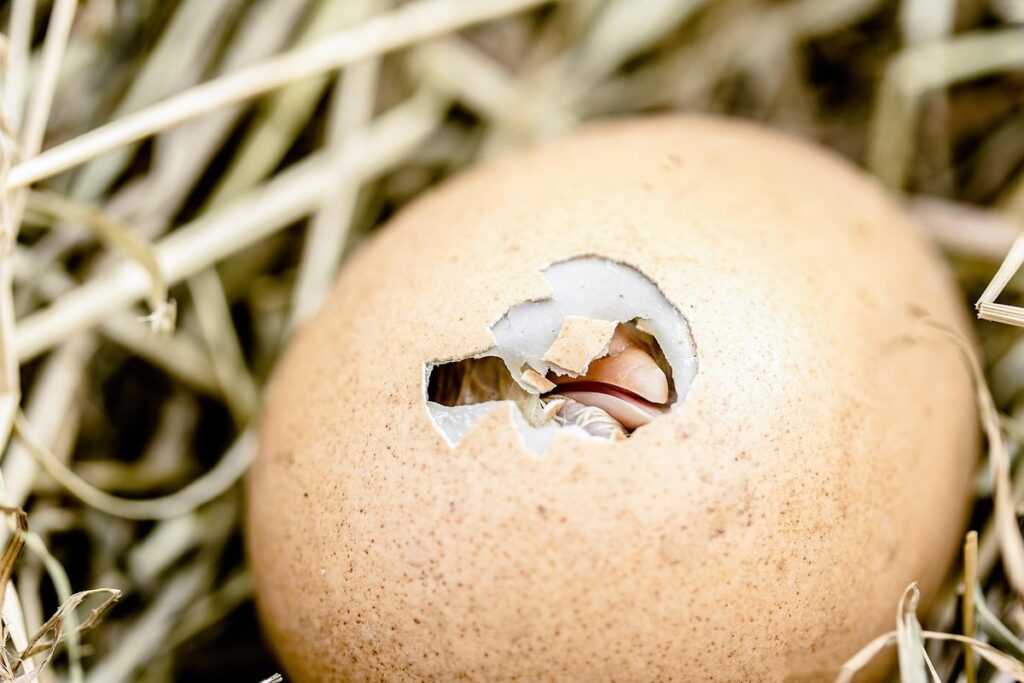
As you count down the days until hatching, it’s essential to recognize the telltale signs that indicate your guinea egg is getting close. One of the first signs is pipping, which occurs when the chick starts pecking through the shell with its beak. This initial pecking will create a small hole, often referred to as a “pip.” Be on the lookout for a slight bulge or an indentation on the surface of the egg.
Pip zits are another indication that hatching is near. These tiny blisters usually appear around 24-48 hours before pipping begins and are caused by the chick’s beak pushing against the shell from inside. Observe your guinea egg closely, as these signs can be subtle but critical indicators of what’s to come.
Keep in mind that guinea eggs typically hatch within a short time frame after pipping starts. With regular checks and attention to these signs, you’ll be better equipped to provide care and support during this final stage of incubation.
Factors Influencing Incubation Success
Several external and internal factors can significantly impact the success of incubating a guinea egg, making it essential to understand their influence. Let’s explore these crucial elements together.
Temperature Requirements During Incubation
When it comes to incubating guinea eggs, temperature is a crucial factor that can make all the difference between success and failure. The optimal temperature for incubation is around 99-100°F (37.2-37.8°C), with a slight drop to 98-99°F (36.7-37.2°C) during the first week of incubation. This range may vary slightly depending on the breeder or hatchery, but it’s essential to stick as closely to these norms as possible.
Guinea eggs are sensitive to temperature fluctuations, and deviations from the optimal range can lead to reduced fertility, embryonic death, or even entire batches being lost. For example, if the incubator temperature rises above 101°F (38.3°C), the embryo may develop too quickly, leading to respiratory issues or other problems. On the other hand, if it drops below 96°F (35.6°C), the development may slow down, causing prolonged incubation times.
To achieve optimal results, ensure your incubator is calibrated correctly and maintain a consistent temperature throughout the incubation period. Regular checks on the temperature gauge are essential to avoid any potential issues.
Humidity Levels and Their Impact on Incubation
Maintaining optimal humidity levels is crucial during incubation, as it significantly impacts embryo development and hatching success. Guinea eggs require a consistent relative humidity (RH) range between 50% to 60%, but the ideal level may vary depending on the incubator’s temperature.
As guinea eggs absorb moisture from the air, the humidity level will fluctuate accordingly. If the RH drops below 40%, embryo dehydration can occur, leading to poor hatch rates or stuck eggs. Conversely, if the RH exceeds 70%, fungal growth and mold development are more likely, compromising egg quality.
It’s essential to monitor the incubator’s humidity levels regularly and make adjustments as needed. Many breeders use a humidistat to maintain a consistent RH level. To achieve optimal results, ensure proper ventilation in the incubation area, keep the eggs away from drafts, and maintain a clean environment to prevent contamination. By controlling humidity levels within the recommended range, you can significantly improve guinea egg hatching success rates.
Turning Guinea Eggs During Incubation
Turning guinea eggs regularly during incubation is crucial for even growth and preventing embryonic abnormalities. This process helps distribute the yolk evenly throughout the egg, ensuring that the chick develops correctly.
If you’re not turning your guinea eggs frequently enough, the embryo may become unevenly developed or stuck to one side of the eggshell, leading to hatchability issues. To avoid this, turn the eggs at least 3-4 times a day, making sure each egg is turned end-over-end to prevent the yolk from settling on one specific spot.
You can also invest in an automatic egg-turning device that will rotate your guinea eggs for you, providing consistent and precise turning. However, it’s essential to maintain some manual control over the process to ensure the eggs are being turned correctly and not developing any issues.
Remember, even growth is key during incubation. By regularly turning your guinea eggs, you’ll give them a better chance of hatching healthy chicks.
Common Problems Encountered During Incubation
As you await the hatching of your guinea egg, it’s not uncommon to encounter a few setbacks along the way. We’ll explore some common issues that can slow down or even stop the incubation process entirely.
Causes of Delayed Hatching or Failure to Hatch
Delayed hatching or failure to hatch can be a frustrating and disappointing experience for guinea fowl breeders. There are several common causes of these issues that can be attributed to improper egg handling and storage, leading to bacterial contamination.
When eggs are not stored at the correct temperature (around 55-60°F) or humidity level, bacteria such as Salmonella and E. coli can multiply rapidly, increasing the risk of infection and delayed hatching. Improper egg handling during collection, transportation, or incubation can also lead to cracking, which allows bacteria to enter the egg.
Another significant factor contributing to delayed hatching or failure is poor incubator maintenance. Regular cleaning and disinfection of the incubator are crucial to prevent bacterial buildup. Additionally, maintaining a consistent temperature, humidity level, and turning schedule within the incubator ensures optimal conditions for embryonic development.
To minimize the risk of delayed hatching or failure, guinea fowl breeders must handle eggs carefully and store them in a clean environment at the correct temperature and humidity levels. Regular incubator maintenance is also essential to ensure a healthy hatch rate.
How to Troubleshoot and Prevent These Issues
When you’re waiting for your guinea egg to hatch, it’s essential to be vigilant and address potential issues early on. One of the most common problems encountered during incubation is temperature fluctuations. This can cause the embryo to develop unevenly or even lead to death.
To identify this issue, check the thermometer regularly to ensure the temperature remains between 99.5°F (37.7°C) and 100.5°F (38°C). If you notice a sudden drop in temperature, take corrective action by adjusting the incubator’s settings or using hot water bottles to maintain a stable temperature.
Another common issue is humidity levels that are too low or too high. Guinea eggs need a humid environment to develop properly. Check the hygrometer regularly and adjust the incubator as needed to keep the humidity between 50-60%.
It’s also crucial to check for any signs of embryo development, such as movement or pulsation. If you notice no activity after day 28, it may be a sign that something is wrong.
To prevent these issues, make sure to follow the manufacturer’s guidelines for your incubator and maintain a clean environment free from drafts and temperature fluctuations. Regularly monitoring your equipment and keeping a close eye on your guinea egg’s progress can help you catch potential problems before they become serious issues.
Caring for New Guinea Fowl Chicks
Congratulations on welcoming your new batch of guinea chicks! Now that they’ve hatched, it’s essential to provide them with proper care and attention.
First Steps After Hatching
Immediately after hatching, your new Guinea Fowl chick will be vulnerable and requires careful attention to thrive. The first few hours are crucial in establishing a strong foundation for its growth and development. To create a safe environment, place the incubator or brooder in a quiet, draft-free area with minimal distractions.
Guinea Fowl chicks need warmth to stay comfortable, so ensure the temperature is around 90-95°F (32-35°C) during the first week of life. You can use a heat lamp or ceramic heat emitter specifically designed for poultry. Monitor the temperature closely and adjust as needed to prevent overheating or chilling.
Provide your chick with a shallow dish filled with fresh water and a starter feed that’s formulated for young birds, usually around 18-20% protein content. Place the food and water near but not directly under the heat source to prevent moisture from accumulating. This will help maintain a clean environment and prevent bacterial growth.
Tips for Raising Healthy, Thriving Guinea Fowl
Raising healthy and thriving guinea fowl requires attention to detail from day one. As new chicks hatch, it’s essential to establish a strong foundation for their growth and development. Vaccination is crucial in protecting them against diseases such as Marek’s disease and Newcastle disease. Consult with a veterinarian or poultry expert to determine the best vaccination schedule for your flock.
In addition to vaccinations, parasite control measures are vital in maintaining optimal health. Guinea fowl are susceptible to internal parasites like worms and external parasites like mites and lice. Regular cleaning of coops and runs, as well as monitoring for signs of infestation, can help prevent these issues. Use diatomaceous earth or other natural pest control methods to keep your flock parasite-free.
Another key aspect of raising healthy guinea fowl is providing a balanced diet and adequate nutrition. Feed them a high-quality commercial starter feed or a homemade mix specifically formulated for young birds. Ensure access to fresh water at all times, and provide supplements like calcium and probiotics as needed. By following these guidelines and staying proactive in monitoring your flock’s health, you’ll set your guinea fowl on the path to thriving and happy lives.
Final Thoughts and Best Practices
Now that you’ve learned how long it takes for a guinea egg to hatch, let’s discuss some final tips and best practices for incubating these unique eggs successfully.
Recap of Key Takeaways
To successfully hatch guinea eggs, it’s crucial to remember the key takeaways from our discussion. Proper incubation practices are essential for ensuring that your guinea eggs develop and hatch healthy chicks.
Firstly, we’ve established that guinea eggs typically take around 28-30 days to hatch at a consistent temperature of 99.5°F (37.7°C) with humidity levels between 50-60%. However, this can vary depending on the specific breed and environmental conditions. It’s vital to maintain precise temperature control to prevent developmental issues.
Another crucial aspect is turning the eggs regularly to ensure even development. Guinea eggs require around 10-15 turns per day to distribute yolk and white evenly. Failure to do so may result in weak or misshapen chicks.
Additionally, we’ve discussed the importance of candling guinea eggs halfway through incubation to detect any potential issues with embryo development. This step can help you intervene early on if there’s a problem, increasing the chances of successful hatching. By adhering to these guidelines and practices, you’ll be well on your way to successfully raising healthy guinea chicks from their eggs.
Conclusion and Recommendations for Future Guinea Fowl Keepers
As we conclude this journey into the world of guinea eggs and hatching, it’s essential to remember that the path to successful hatching requires more than just time. Prospective guinea fowl keepers should focus on improving their knowledge and skills to achieve better hatching rates.
One crucial area of improvement is maintaining a stable and healthy environment for your guineas. This includes providing adequate ventilation, ensuring access to clean water and food, and minimizing stress through proper handling and housing. For instance, you can create a spacious coop with ample room for your birds to move around, reducing the risk of overcrowding and disease.
Another key aspect is selecting high-quality eggs for incubation. Look for eggs that are fresh, clean, and show no signs of damage or cracking. This will significantly increase the chances of successful hatching. Additionally, it’s vital to store the eggs in a controlled environment with consistent temperatures between 50-60°F (10-15°C) until they’re transferred to an incubator.
By focusing on these areas, you’ll be well-equipped to tackle the challenges of guinea fowl keeping and increase your chances of successful hatching. Remember, it’s not just about the time it takes for a guinea egg to hatch – it’s about creating a nurturing environment that fosters healthy growth and development.
Frequently Asked Questions
Can I use a homemade incubator or do I need to purchase one?
Yes, you can create your own homemade incubator using materials like Styrofoam boxes, heat lamps, and temperature controllers. However, it’s essential to ensure precise temperature control (99°F – 100°F) and maintain optimal humidity levels (50-60%) for successful hatching.
What happens if the guinea fowl eggs experience a sudden power outage during incubation?
In case of an unexpected power outage, immediately turn on your backup generator or transfer the eggs to a manually maintained temperature-controlled environment. It’s crucial not to let the temperature drop below 95°F (35°C) for more than 2-3 hours.
Can I still hatch guinea fowl eggs if they’ve been stored in the refrigerator for several days?
Yes, refrigerated guinea fowl eggs can still be incubated successfully. However, it’s recommended to allow them to come back to room temperature before starting the incubation process to minimize stress on the embryo.
What are some signs that I’m doing something wrong with the incubation environment?
Common issues include inconsistent temperatures, inadequate humidity, or poor egg turning techniques. Monitor your eggs closely for any unusual behaviors (e.g., pipping before the due date) and address these potential problems promptly.
How can I ensure my guinea fowl eggs receive adequate ventilation during incubation?
Maintain proper airflow by keeping a small gap between the eggs and the incubator walls, using a ventilation fan to circulate air, or incorporating egg-turning trays with built-in ventilation. Proper ventilation is crucial for maintaining optimal humidity levels (50-60%) and preventing bacterial growth.