
If you’re looking to add some charm to your backyard flock, you might want to consider the Welsh Harlequin chicken breed. This lovely bird has been a favorite among poultry enthusiasts for its unique appearance and friendly demeanor. But what makes the Welsh Harlequin so special? In this comprehensive guide, we’ll dive into the characteristics that make this breed stand out, including their temperament and care requirements.
You’ll learn about the origins of the Welsh Harlequin, how to identify them, and what to expect when raising these birds. From their distinctive plumage to their lively personalities, we’ll cover everything you need to know to decide if the Welsh Harlequin is right for your farm or backyard coop. Whether you’re an experienced chicken keeper or just starting out, this guide will provide you with a wealth of information to help you make informed decisions about your feathered friends.
Origins and History of the Breed
The origins of the delightful Duck Welsh Harlequin chicken are shrouded in mystery, but one thing is certain: their unique history has contributed to their charming personality. Let’s dive into how this breed came to be.
Early Beginnings: The Development of the Breed in Wales
In the rolling hills of Wales, the origins of the Duck Welsh Harlequin breed began to take shape. This charming chicken breed has its roots in the 19th century, when farmers and breeders in Wales sought to create a hardy and prolific egg-layer.
The ancestors of the Duck Welsh Harlequin can be traced back to the Old English Game Fowl and the Cochin Bantam, both of which were prized for their exceptional egg-laying abilities. Early breeding practices involved crossing these breeds with other local chickens, resulting in a robust and agile bird that thrived in Wales’ rugged landscape.
Notable milestones in the breed’s development include its recognition as a distinct breed by the Poultry Club of Great Britain in 1921. The Duck Welsh Harlequin was initially bred for its rich brown eggs, but today it’s cherished for its striking appearance, gentle nature, and impressive egg-laying capabilities – up to 300 large, dark-brown eggs per year.
As you consider bringing a Duck Welsh Harlequin into your flock, keep in mind the breed’s origins in Wales’ rugged terrain. Their hardiness and adaptability make them an excellent choice for small-scale farmers or backyard chicken enthusiasts.
Key Characteristics of Welsh Harlequin Chickens
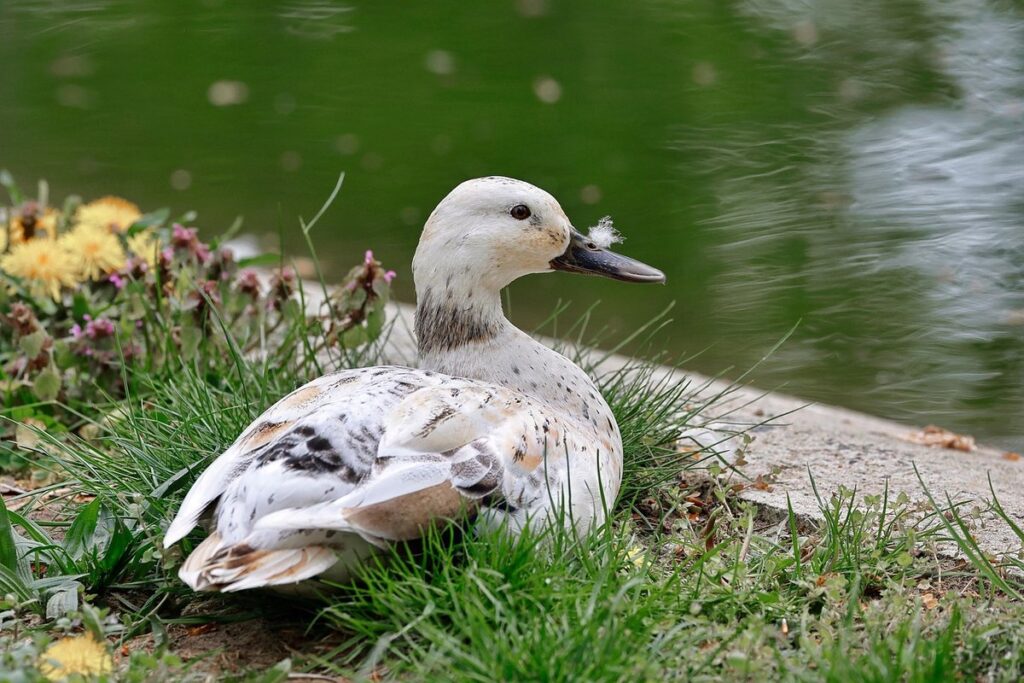
When it comes to identifying the duck Welsh Harlequin breed, several key characteristics set them apart from other varieties. In terms of physical appearance, Welsh Harlequins are recognized by their unique feather pattern and coloration. They have a predominantly white coat with patches of red or orange, giving them a distinctive ‘harlequin’ look. Their plumage is also known for being relatively long and flowing.
In addition to their striking appearance, Welsh Harlequins are also prized for their friendly and docile nature. This makes them an excellent choice for backyard flocks and families with children. They are social birds that thrive on interaction and can become quite tame if handled regularly.
One of the most notable traits of Welsh Harlequins is their remarkable adaptability to different living conditions. Whether raised in a small backyard or a larger farm, these birds have proven themselves to be resilient and easy-going. This flexibility makes them an attractive option for poultry enthusiasts who may not have extensive experience with duck breeds. By understanding the key characteristics that define Welsh Harlequins, you can better determine whether this breed is right for your needs.
Physical Characteristics and Types
When it comes to identifying a true Duck Welsh Harlequin, their unique physical characteristics are a great place to start. Let’s take a closer look at their distinctive traits and types.
Size and Weight: What to Expect
When it comes to physical characteristics, size and weight are essential factors to consider when raising Welsh Harlequin ducks. On average, a healthy adult Welsh Harlequin duck weighs between 2-3 pounds (0.9-1.4 kg) and measures around 12-14 inches (30-35 cm) in length. However, it’s not uncommon for some individuals to reach weights of up to 4 pounds (1.8 kg) or more.
As with any breed, size and weight can vary significantly within the Welsh Harlequin population. Factors such as diet, genetics, and overall health play a crucial role in determining an individual duck’s size and weight. In general, Welsh Harlequins are considered to be a smaller to medium-sized breed, making them well-suited for backyard flocks or small farms.
When it comes to health, being overweight can lead to serious issues such as obesity, joint problems, and decreased mobility. On the other hand, ducks that are underweight may struggle to build strong immune systems or sustain energy levels. By monitoring your Welsh Harlequin’s weight and adjusting their diet accordingly, you can help ensure they stay healthy and thrive in their environment.
Some breeders also report seeing variations in size and weight due to specific bloodlines or genetic traits. This highlights the importance of researching reputable breeders and understanding the potential physical characteristics of a duck before making a purchase.
Plumage and Feathers: The Iconic Appearance
One of the most striking features of the Welsh Harlequin breed is their distinctive plumage. This iconic appearance is a result of their unique feather structure and pattern. The Welsh Harlequin has a double coat, consisting of a soft undercoat and a longer, coarser outer layer. This combination creates a water-resistant barrier that protects them from the elements.
Their feathers are also uniquely shaped, with a rounded tip and a distinctive “V” shape at the quill end. This shape allows for maximum loft and insulation, making the Welsh Harlequin well-suited to cold climates. The plumage pattern itself is characterized by a mix of black and gold tips on white feathers, creating a stunning marbled effect.
To maintain the health and appearance of your Welsh Harlequin’s plumage, regular grooming is essential. This includes daily brushing to prevent matting and tangling, as well as regular dust bathing to keep their skin healthy. By following these simple steps, you can help bring out the full beauty of your Welsh Harlequin’s iconic appearance.
Temperament and Personality
Duck Welsh Harlequin chickens are known for their friendly, outgoing nature, but what exactly makes them tick? Let’s dive into their unique temperament and personality.
Social Nature and Interaction with Humans
Duck Welsh Harlequins are renowned for their enchanting personalities and exceptional social nature. They thrive on human interaction and can quickly form close bonds with family members. If you’re considering bringing these delightful birds into your home, it’s essential to understand how they interact with humans.
These chickens are highly curious and enjoy being around people. However, be prepared for them to get underfoot at times as they try to follow you everywhere. They love attention, so make sure to set aside dedicated time each day for socializing and bonding. Simple activities such as offering treats, scratching behind the ears, or just spending quiet moments together can go a long way in building trust.
Adapting to different living situations is also relatively easy for Duck Welsh Harlequins. They can tolerate apartment living if provided with adequate space and outdoor access. In larger farms or backyards, they’ll explore their surroundings, investigate new sights and sounds, and take great pleasure in foraging for food.
Friendliness and Trainability: Can Welsh Harlequins Be Trained?
Welsh Harlequins are known for their intelligence and trainability, making them a joy to work with. With patience and consistency, these birds can learn a wide range of behaviors, from simple tasks like coming when called or following a routine, to more complex activities such as agility training.
One of the key factors that contribute to Welsh Harlequins’ trainability is their strong desire for human interaction. They thrive on attention and will often form close bonds with their owners. In fact, many breeders recommend socializing Welsh Harlequin chicks from an early age to encourage this friendly temperament. To take advantage of this trait, we recommend starting training sessions when your duck Welsh Harlequins are around 4-6 weeks old.
Some tips for successful training include:
* Keeping sessions short and fun
* Using positive reinforcement techniques like treats and praise
* Being consistent in your approach to avoid confusing the bird
* Gradually increasing the difficulty level of tasks as they become more confident
Health and Nutrition
When it comes to keeping your Welsh Harlequins happy and healthy, a balanced diet is essential. Proper nutrition will help them thrive and live a long, active life as part of your flock.
Common Health Issues in the Breed
When it comes to the health of your duck Welsh Harlequin chickens, there are several common issues you should be aware of. One of the most significant concerns is obesity, which can lead to a range of problems including reduced egg production, fertility issues, and an increased risk of diseases like diabetes and heart disease.
Another issue affecting the breed is reproductive problems in both males and females. Hens may experience difficulties laying eggs or may lay soft-shelled or double yolks, while roosters may struggle with fertility. This can be due to a combination of genetic predisposition and poor management practices such as inadequate nutrition or overbreeding.
In addition to these issues, duck Welsh Harlequins are also prone to conditions like Marek’s disease and chicken cholera. These diseases can have devastating effects on your flock if left untreated, so it’s essential you take steps to prevent them through good hygiene, vaccination programs, and biosecurity measures.
Regular health checks and monitoring of your chickens’ behavior can help identify potential problems early on.
Dietary Needs: A Guide to Feeding Your Welsh Harlequins
When it comes to feeding your duck Welsh Harlequins, understanding their dietary needs is crucial for their overall health and well-being. These birds are considered dual-purpose, meaning they’re raised for both eggs and meat, which requires a balanced diet that meets their nutritional requirements.
A good quality layer feed should be the main staple of their diet, providing around 16-18% protein. However, as duck Welsh Harlequins grow older, you may need to switch to a starter or grower feed with higher protein content (around 20%). It’s essential to avoid overfeeding, as this can lead to obesity and related health issues.
In addition to their regular feed, you can supplement their diet with fresh fruits and vegetables. Leafy greens like kale and spinach are excellent sources of vitamins A and E, while carrots provide a rich source of vitamin A. Avoid giving them avocado or rhubarb, as these can be toxic to birds.
A general rule of thumb is to provide 1/4 to 1/2 cup of fresh vegetables per bird daily, in addition to their regular feed. Always ensure access to clean water and a balanced mineral supplement to prevent deficiencies.
Breeding and Raising Welsh Harlequin Chickens
If you’re planning to start a flock, understanding how to breed and raise healthy Welsh Harlequin chicks is essential for their well-being. This section will cover the basics of breeding and raising these charming birds.
Tips for First-Time Breeders: A Beginner’s Guide
Starting your duck Welsh Harlequin breeding journey can be both thrilling and intimidating. As a new breeder, it’s essential to create a suitable environment for your chicks from the very beginning. This involves setting up a brooder with adequate space, ventilation, and heat, as ducks require around 90-100°F (32-38°C) during their first few weeks of life.
Health checks are also crucial in these early stages. Check for any visible signs of illness or injury daily, and have a plan in place for emergency situations. Vaccinations may not be necessary for Welsh Harlequins, but you should still keep an eye out for diseases specific to ducks.
In terms of nutrition, ducklings require a starter feed with around 20% protein until they’re about six weeks old. From then on, gradually introduce pellets with lower protein levels. Also, make sure your water is clean and readily available at all times. A healthy start will set the stage for a successful breeding program, so prioritize these foundational elements to ensure your duck Welsh Harlequins thrive from day one.
Raising and Training Your Youngsters: Essential Tips for Success
When it comes to raising and training your young Welsh Harlequin ducklings, it’s essential to get it right from the start. Socialization is key during this critical period, as it helps them become confident and friendly adults. Start by introducing your ducklings to a variety of environments, people, and other animals from an early age. This will help them develop good manners and reduce the likelihood of aggression or fear-based behaviors.
A safe and comfortable living space is also crucial for their well-being. Welsh Harlequins are prolific layers and require adequate housing with proper ventilation to keep them healthy. Consider building a coop with easy access for cleaning and maintenance, as well as ample space for your ducks to move around.
Another important consideration is broodiness, which can be challenging for some breeders. If you notice your female duckling showing signs of broodiness, such as sitting on eggs or becoming overly aggressive, separate her immediately. Provide a safe haven for her and remove any potential nesting materials to discourage the behavior. With patience and proper care, your Welsh Harlequin ducklings will grow into happy, healthy adults that bring joy to your farm or backyard flock.
Showing and Exhibiting
If you’re planning to show off your beautiful duck Welsh Harlequin, you’ll want to know how to prepare them for the ring, and what judges are looking for. Let’s dive into the details of showing and exhibiting!
Show Rules and Regulations: A Guide to the Process
When showing and exhibiting your Welsh Harlequins in competitive events, it’s essential to familiarize yourself with the show rules and regulations. This will ensure that you’re presenting your birds according to industry standards and maximizing their chances of winning.
First and foremost, make sure you have all the necessary documentation, such as registration papers and vaccination records, readily available for inspection by judges or event organizers. You’ll also need to provide proof of ownership and breed authenticity.
Presentation standards are critical in showcasing your Welsh Harlequins’ unique characteristics. Ensure that your birds are clean, well-groomed, and free from any health issues. Pay particular attention to their plumage, as it’s a key aspect of the breed’s appeal.
Judging criteria typically focus on the bird’s conformation, movement, and overall appearance. Be prepared to have your Welsh Harlequin evaluated based on its ability to meet these standards. Familiarize yourself with the specific judging criteria for each event to maximize your chances of success.
To prepare your birds for competition, get them accustomed to being handled and examined by strangers. Practice presenting their documentation and highlighting their unique features. This will help you feel confident and prepared when exhibiting your Welsh Harlequins in competitive events.
Tips for Winning Shows: Essential Advice from Experienced Breeders
When it comes to showing your Welsh Harlequin chickens, preparation is key. Experienced breeders emphasize that a well-prepared bird not only wins shows but also becomes an ambassador for the breed. To begin with, ensure your duck’s health and wellness are top-notch. Regular vaccinations, deworming, and parasite control are essential. Also, give them a clean bill of health from a reputable veterinarian before taking them to a show.
Develop a training plan that includes socialization, handling, and exposure to new environments. Start training early, ideally from day-old chicks. This helps your duck become confident and calm in the presence of strangers, noise, and other animals. Practice handling exercises like picking up, carrying, and weighing to get them accustomed to being held.
A clean and well-groomed appearance is crucial for impressing judges. Keep your duck’s beak, nails, and feathers clean and tidy. Make sure they are at their peak weight, but not too heavy or scrawny. Dress them according to breed standards and practice walking them around the show ring without getting anxious.
Be mindful of breed-specific guidelines when preparing your Welsh Harlequin for shows. Consult with other breeders, join a breeder’s association, and study breed standards to gain insight into what judges look for in a winning bird.
Conclusion: Why the Duck Welsh Harlequin is a Beloved Breed
The Duck Welsh Harlequin has stolen the hearts of many backyard chicken enthusiasts, and it’s easy to see why. Not only are they charming in appearance with their striking white and colored feathers, but they’re also friendly, outgoing birds that thrive on human interaction. Their gentle nature makes them an excellent choice for families or first-time chicken owners who want a low-maintenance breed that will still provide plenty of entertainment. As you’ve learned throughout this guide, the Duck Welsh Harlequin’s unique characteristics and traits make it a popular choice among poultry enthusiasts, and with proper care and attention, they can become beloved members of your backyard flock.
Whether you’re looking to add some color and personality to your chicken coop or simply want a breed that will bring joy to your daily routine, the Duck Welsh Harlequin is definitely worth considering. With their adaptable nature, impressive egg-laying abilities, and affectionate personalities, it’s no wonder this breed has become so beloved among duck enthusiasts.
Frequently Asked Questions
Can I raise Welsh Harlequins with other chicken breeds?
Yes, Welsh Harlequins are known to be friendly and social birds that can thrive in mixed flocks. However, introducing them to existing chickens requires patience and careful observation to ensure a smooth transition.
How do I prevent common health issues in the breed?
Regular veterinary check-ups, proper nutrition, and a clean living environment are crucial for maintaining your Welsh Harlequins’ overall health. Be aware of potential issues like egg-bound hens or respiratory problems, and take preventive measures accordingly.
What’s the ideal diet for my growing pullets?
A balanced diet rich in protein, calcium, and vitamins is essential for healthy growth. Provide high-quality starter feed from day-old to 16 weeks old, then transition to layer feed as they mature. Supplement with fresh fruits and vegetables to ensure optimal nutrition.
Can I keep Welsh Harlequins as backyard pets if I have small children?
While Welsh Harlequins are generally friendly and gentle, it’s essential to supervise interactions between children and chickens to prevent accidents or stress on the birds. Teach your kids how to handle the chickens gently and respectfully.
How do I prepare my Welsh Harlequin flock for showing?
To compete successfully in shows, ensure your birds have a calm temperament and are well-groomed. Acclimatize them to loud noises, crowds, and handling by experienced breeders before the show event. Brush their feathers regularly, and trim nails as needed to maintain an impeccable appearance.