
When it comes to raising backyard chickens, one of the most exciting experiences is watching your eggs hatch into fluffy little chicks. However, for many chicken enthusiasts, achieving high hatch rates can be a source of frustration and disappointment. If you’re tired of losing eggs or struggling with low fertility rates, you’re not alone. Fortunately, there are proven strategies to improve hatch rates that go beyond just luck.
In this article, we’ll delve into the world of hatch rate improvement chickens, covering essential topics like breeding, nutrition, and incubation best practices. We’ll explore how optimizing these areas can significantly boost your chances of successful hatching. By the end of this guide, you’ll have actionable tips to enhance your chicken hatching success and enjoy more joyful moments with your feathered friends.
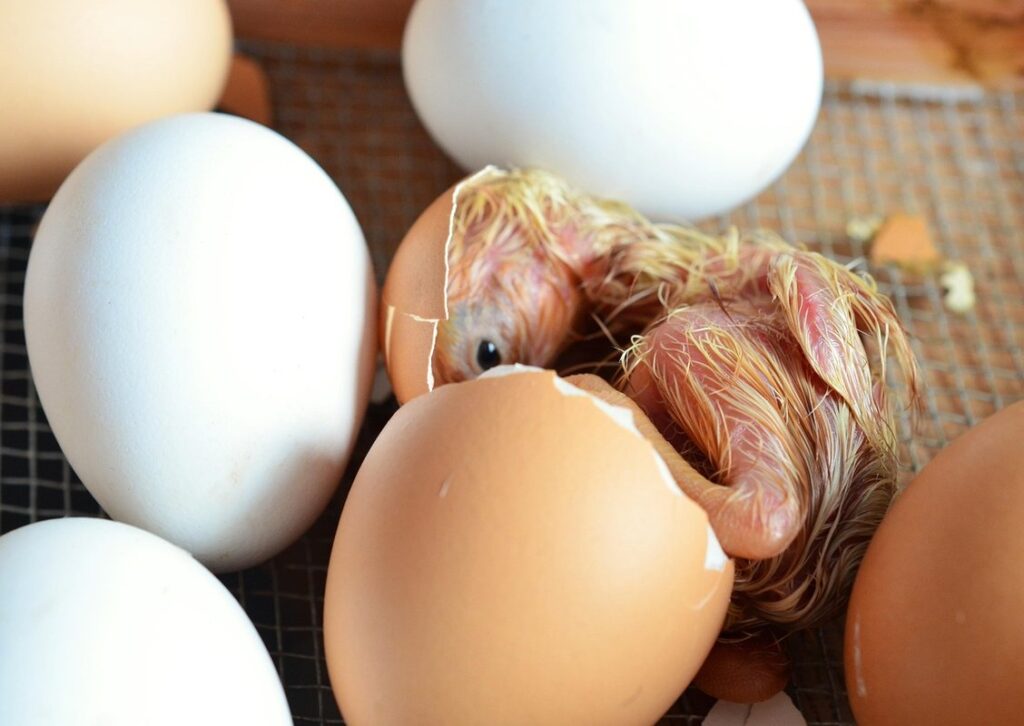
Understanding Hatch Rate Basics
Let’s start by breaking down the basics of hatch rate, including what it is and why it matters for your flock’s overall health and productivity. You’ll learn what affects hatch rates too.
Definition of Hatch Rate
Hatch rate is a crucial metric in chicken breeding that refers to the percentage of fertile eggs that successfully hatch into live chicks. It’s a key indicator of a breeder’s success and efficiency in producing healthy, viable offspring. A high hatch rate ensures a strong and consistent supply of chicks, which is essential for meeting demand and maintaining a competitive edge in the market.
In simpler terms, if you have 100 fertile eggs and 80 of them hatch into live chicks, your hatch rate would be 80%. Conversely, if only 40 chicks emerge from those same 100 eggs, your hatch rate would be a disappointing 40%. It’s easy to see why high hatch rates are so important – they directly impact the breeder’s bottom line and overall productivity. By understanding and optimizing your hatch rate, you can identify areas for improvement in your breeding program and make data-driven decisions to increase efficiency and profitability.
Factors Affecting Hatch Rate
When it comes to improving hatch rates in chickens, understanding the factors that affect them is crucial. Several key elements come into play, and identifying these will help you pinpoint areas for improvement.
Egg quality plays a significant role in determining hatch rates. Fresh, clean eggs with intact shells are essential for successful incubation. Factors like egg storage, handling, and cleanliness can impact fertility and embryo development. Choose high-quality breeding stock to minimize the risk of suboptimal eggs.
Incubation temperature is another critical factor. Most chicken breeds require temperatures between 99°F (37°C) and 100°F (38°C) for optimal development. Maintaining a consistent temperature within this range is vital, as deviations can lead to failed hatchings or weak chicks.
Humidity levels also impact incubation success. Breeds like Leghorns tend to thrive in slightly higher humidity environments, while others may require more controlled conditions. Paying attention to breed-specific requirements will help you optimize incubation settings.
Breed characteristics often dictate specific needs for temperature, humidity, and other factors. Research the unique requirements of your flock to create an optimal environment for hatching success.
Common Causes of Low Hatch Rates
When it comes to improving hatch rates in chickens, understanding the common causes of low hatch rates is crucial. Poor egg handling is one of the most significant contributors to low hatch rates. Eggs that are handled roughly, exposed to extreme temperatures, or left on their sides can suffer from physical damage, reducing the chances of successful hatching.
Inadequate incubator maintenance is another critical factor. Failure to monitor and control temperature fluctuations, humidity levels, and air circulation can lead to stressed embryos, ultimately resulting in low hatch rates. Regular cleaning and maintenance of the incubator, as well as proper calibration of temperature and humidity settings, are essential for optimal hatching conditions.
Genetic issues can also play a significant role in low hatch rates. Breed selection, egg size, and embryo quality can all impact the likelihood of successful hatching. Farmers should be aware of these factors when choosing breeds and selecting eggs for incubation. By understanding and addressing these common causes of low hatch rates, farmers can take proactive steps to improve their hatch rates and reduce economic losses.
Breeding Program Optimization
To truly boost hatch rates, you need a solid breeding program that’s tailored to your flock’s unique needs and genetics. Let’s dive into optimizing your breeding program for maximum success.
Selecting Egg-Laying Hens for Improved Hatch Rates
When it comes to improving hatch rates in chickens, selecting the right egg-laying hens is crucial. Not all breeds are created equal when it comes to fertility and hatchability. To increase your chances of successful hatch rates, look for breeds specifically bred for high fertility and hatchability.
Characteristics such as high feed efficiency, good body condition score, and robust immune systems are essential in achieving optimal reproductive performance. Consider breeds like Leghorns, Rhode Island Reds, or Barred Plymouth Rocks, which have been selectively bred for their high fertility rates.
When selecting hens, also pay attention to individual bird characteristics. Look for birds with a well-rounded body shape, strong legs and feet, and clean vent areas. These physical traits are indicative of overall health and reproductive fitness. It’s also essential to maintain accurate records on each hen’s performance, including egg production, fertility rates, and hatch success.
By choosing the right breed and selecting hens with desirable traits, you’ll be taking a significant step towards improving your hatch rates.
Genetic Selection Techniques
Genetic selection techniques play a crucial role in improving hatch rates by allowing breeders to identify and select for desirable traits. Linebreeding is one such technique that involves mating birds to individuals within the same family line, which helps preserve beneficial genetic characteristics. By concentrating on specific lines, breeders can reduce the risk of introducing unwanted traits from external sources.
Inbreeding, while often misunderstood, can also be an effective tool when done carefully. It involves crossing two birds that are closely related, typically by 50% or more, to produce offspring with a higher concentration of desirable genes. This technique has been used successfully in chicken breeding programs, particularly for traits like fertility and hatchability.
To implement linebreeding or inbreeding effectively, breeders must carefully plan their selection criteria, focusing on specific characteristics that will contribute to improved hatch rates. They should also keep detailed records of their breeding program, monitoring the performance of individual birds and adjusting their selection strategies as needed.
Artificial Insemination vs. Natural Breeding
When it comes to breeding chickens, two common methods are artificial insemination (AI) and natural breeding. Both have their advantages and disadvantages when it comes to hatch rates.
Artificial Insemination (AI) involves manually depositing semen into the hen’s oviduct using a specialized instrument. This method can help increase hatch rates by reducing the risk of contamination, improving sperm quality, and allowing for more precise timing. According to a study published in the Journal of Applied Poultry Research, AI resulted in significantly higher hatch rates compared to natural breeding (78% vs 63%). However, AI requires special equipment and expertise, making it less accessible to small-scale breeders.
Natural breeding, on the other hand, allows hens and roosters to mate freely. While this method can be more intuitive and cost-effective, it’s also more prone to errors, such as contamination or poor timing. Factors like stress levels, nutrition, and environment play a significant role in natural breeding success. To optimize hatch rates with natural breeding, ensure your birds are in top condition, provide adequate space and resources, and monitor their behavior for signs of stress.
In terms of practical advice, consider the following:
* If you’re new to breeding, start with AI as it’s more predictable and less prone to errors.
* For small-scale breeders, natural breeding can be a cost-effective option, but prioritize your birds’ health and well-being above all else.
* Regardless of method, maintain accurate records of breeding times, egg collection, and hatch rates to identify areas for improvement.
By weighing the pros and cons of each method, you’ll be better equipped to make informed decisions about which approach works best for your flock.
Environment and Incubation Best Practices
To achieve optimal hatch rates, understanding the environment and incubation conditions is crucial. Proper temperature control, humidity levels, and sanitation are essential for successful hatching.
Optimal Temperature and Humidity Settings
Maintaining optimal temperature and humidity levels is crucial for successful incubation. The ideal temperature range for chicken embryos is between 99°F (37°C) and 100°F (38°C), with a slight drop to 98°F (36°C) during the last three days of incubation. Humidity levels should be around 50-60% for the first 18 days, increasing to 70-80% during the last three days.
During different stages of development, embryos require specific temperature and humidity settings. For example, during day one to three, the ideal temperature is 100°F (38°C) with a humidity level of 50%. From day four to seven, the temperature drops slightly to 99°F (37°C), while the humidity increases to 55-60%.
To ensure precise control over temperature and humidity, it’s essential to use an accurate thermometer and hygrometer. Regularly checking these levels can help you identify any deviations from the ideal range, allowing for prompt adjustments.
In practice, this means setting your incubator according to the specific requirements of each stage. By doing so, you’ll be able to provide the perfect environment for your eggs to develop and increase hatch rates.
Egg Handling and Storage Guidelines
When handling eggs for hatching, it’s essential to take precautions to prevent damage and maintain optimal conditions. First and foremost, always wash your hands before touching the eggs to avoid transferring bacteria and oils from your skin.
Crack eggs gently on the large end to minimize the risk of damage to the air sac or embryo. If you notice any visible cracks or imperfections in the eggshell, it’s best to discard them as they may not be suitable for hatching.
For storage, keep eggs in a cool, dry place away from direct sunlight and drafts. The ideal temperature range is between 50°F and 60°F (10°C and 15°C), with moderate humidity levels around 50-60%.
It’s also crucial to store eggs pointed end down to prevent the embryo’s head from becoming stuck to the shell. Make sure to label each egg clearly, noting the date it was laid and any relevant details about its condition or storage.
Regularly inspect your stored eggs for signs of aging, such as a pinkish-brown color around the air sac or an off smell. Remove any suspect eggs immediately to maintain optimal hatching conditions.
Incubator Maintenance and Cleaning Schedule
Maintaining a clean and well-maintained incubator is crucial for consistent hatch rates. A schedule for regular maintenance and cleaning can help prevent contamination, equipment failure, and other issues that may affect hatching success.
To create an effective maintenance schedule, start by designating specific tasks for each day or week. For example, daily checks might include verifying temperature settings, monitoring humidity levels, and ensuring proper air circulation. Weekly tasks could involve thorough cleaning of the incubator’s exterior and interior, including all surfaces that come into contact with eggs.
Some essential items to include in your maintenance schedule are:
* Regular calibration of thermometers and hygrometers
* Cleaning the egg turner and any other moving parts
* Checking for blockages or kinks in air and water supply lines
* Performing a deep clean of the incubator’s interior every 4-6 weeks
By sticking to this routine, you can minimize the risk of contamination and ensure that your incubator is running at optimal levels. Remember to also keep accurate records of maintenance tasks performed, as this will help you identify any areas where improvements are needed.
Nutrition and Health Considerations
When it comes to improving hatch rates, nutrition plays a crucial role. Let’s take a closer look at some key nutritional considerations that can impact your flock’s fertility.
Balanced Diet for Optimal Fertility and Hatchability
A balanced diet is crucial for hens to produce healthy eggs that support optimal fertility and hatchability. Hens require a range of essential nutrients to maintain reproductive health, including vitamins A, D3, E, and B12, as well as minerals like calcium, phosphorus, and zinc.
Protein content is also vital for egg production and development. Adequate protein intake supports the growth and maintenance of reproductive organs, ensuring that eggs are properly formed and contain adequate nutrients. The National Research Council recommends a minimum of 15% crude protein in layer diets to support optimal fertility and hatchability.
To boost fertility and hatch rates, provide hens with nutrient-rich feed options like oyster shells or dark leafy greens. These supplements can help fill nutritional gaps and promote overall health. Additionally, consider incorporating probiotics into your flock’s diet, as these beneficial bacteria can enhance gut health and support immune function – a critical factor in maintaining reproductive health.
A well-balanced diet sets the stage for successful reproduction and healthy chick development. By ensuring hens receive all necessary nutrients, you’ll be taking a crucial step towards improving hatch rates.
Stress Reduction Strategies for Hens
Reducing stress in hens is crucial to improving hatch rates. When hens are under stress, their bodies produce corticosterone, a hormone that can disrupt the reproductive cycle and negatively impact fertility. One effective way to reduce stress is by providing proper lighting. Aim for 14-16 hours of light per day, as this simulates natural daylight and helps regulate the hens’ circadian rhythms.
Ventilation is also essential for maintaining a healthy environment. Ensure good airflow by installing vents or fans that allow for adequate circulation of air. This will help prevent ammonia buildup from droppings and reduce respiratory problems.
Another critical aspect of stress reduction is parasite control. Regularly clean and disinfect the coop, and use medicated feed to prevent internal parasites like worms. External parasites such as mites and lice can also be controlled with powders or sprays specifically designed for poultry.
By implementing these stress-reducing strategies, you can create a more favorable environment for your hens to thrive, which in turn will lead to improved hatch rates.
Common Health Issues Affecting Hatch Rates
Chickens are susceptible to various health issues that can negatively impact hatch rates. Respiratory diseases such as Infectious Bronchitis and Avian Influenza can lead to reduced fertility and viability of eggs, resulting in lower hatch rates. Fowl pox, a viral disease causing lesions on the skin and eyes, can also compromise reproductive health.
Parasitic infestations like mites and lice can weaken chickens, making them more prone to infections that affect fertility. Internal parasites such as worms can cause anemia, leading to decreased egg production and compromised reproductive health.
It is essential for breeders to maintain a clean and hygienic environment, providing adequate ventilation and proper waste management. Regular health checks and vaccinations can also help prevent the spread of diseases. Additionally, maintaining a balanced nutrition plan that ensures chickens receive all necessary vitamins and minerals can help boost their immune systems.
Keep in mind that prevention is key; addressing health issues promptly can greatly reduce their impact on hatch rates.
Monitoring and Record Keeping
Accurate monitoring and record-keeping are crucial steps towards identifying areas for improvement, so let’s dive into the details of tracking your flock’s health and performance.
Tracking Hatch Rate Metrics
Tracking hatch rate metrics is crucial to understanding where improvements can be made. At its core, fertility refers to the percentage of eggs that are fertile and have a viable embryo. However, not all fertile eggs will successfully hatch due to factors like embryonic mortality and chick viability.
To accurately track these metrics, you’ll need to separate your eggs into categories: fertile but unfertilized (if using artificial insemination), fertile and developing normally, and those with developmental issues or that don’t make it past a certain point. Chick viability refers specifically to the percentage of chicks that emerge healthy from the egg.
For instance, if you’re aiming for an overall hatch rate of 80%, you might track fertility at around 90% but then experience high embryonic mortality, resulting in a lower than desired chick viability. By regularly monitoring these metrics, you can identify specific areas to target and make adjustments accordingly.
Record Keeping for Data Analysis and Improvement
Accurate record keeping is essential for identifying trends and areas of improvement in hatch rates. By tracking specific data points, you can analyze what’s working and what needs adjustment. This includes monitoring temperature fluctuations during incubation, recording egg quality, and noting the breed or age of hens laying eggs.
A well-organized system allows you to quickly spot patterns that may be affecting your hatch rate. For instance, if a particular batch of chicks has a lower survival rate than usual, reviewing past records can help pinpoint whether it’s due to incubation temperature changes or another factor entirely.
Effective record keeping also enables you to monitor the effectiveness of new strategies and adjust as needed. For example, say you’ve introduced a new feeding program for your breeding hens with the goal of increasing egg quality. By tracking data on egg production, fertility rates, and hatch rate, you can determine whether this change has had a positive impact.
By regularly reviewing and analyzing records, you’ll be better equipped to make informed decisions that drive improvements in hatch rates over time.
Integrating Technology for Enhanced Monitoring
In today’s modern poultry farming, integrating technology can significantly enhance monitoring capabilities, ultimately leading to improved hatch rates. Automated egg handling systems are one such technological advancement that can make a substantial difference. These systems can accurately track the number of eggs laid, as well as their storage conditions, ensuring optimal incubation potential.
Data analysis software is another crucial tool for enhanced monitoring. This technology enables farmers to monitor and analyze vital parameters like temperature, humidity, and turning cycles in real-time. With this data, they can identify areas where improvements are needed and make informed decisions about adjustments to the hatchery environment.
Implementing these technological solutions not only streamlines operations but also provides valuable insights into what contributes to better hatch rates. For instance, analyzing data on egg storage conditions can reveal correlations between factors like temperature fluctuations and hatching success. By leveraging this knowledge, farmers can refine their incubation protocols, leading to improved hatch rates over time.
Conclusion: Implementing Hatch Rate Improvements
Now that you’ve learned how to identify and address common hatch rate issues, it’s time to implement these strategies on your own farm. Let’s walk through the process of making improvements a reality.
Putting It All Together: A Comprehensive Approach
Implementing hatch rate improvements requires a comprehensive approach that incorporates the various strategies discussed throughout this article. To put it all together, start by reviewing the key takeaways from each section and identifying areas where you can improve.
Begin by focusing on breed selection and genetics, as these play a significant role in determining hatch rates. Consider working with a reputable breeder or geneticist to develop a breeding program that prioritizes hatch rate improvement. This may involve selecting breeds with high fertility rates or developing new lines that are specifically bred for improved hatch rates.
In addition to genetics, also examine your management practices and make adjustments as needed. This includes factors such as temperature control, humidity levels, and handling techniques. Implementing a consistent incubation protocol is essential, and regular cleaning and maintenance of the incubator can help prevent contamination and ensure optimal conditions for embryonic development.
Another crucial aspect is monitoring and record-keeping. Regularly track hatch rates, fertility rates, and other metrics to identify areas where you can improve. This will allow you to make data-driven decisions and implement targeted interventions. Don’t be afraid to experiment with new techniques or try different approaches – it’s often the small changes that have the greatest impact.
Finally, don’t underestimate the importance of stress management in your flock. High-stress birds are more likely to experience reduced fertility rates, so take steps to minimize their stress levels through proper nutrition, environment, and handling practices. By combining these strategies and consistently monitoring and adjusting as needed, you’ll be well on your way to achieving improved hatch rates.
Frequently Asked Questions
What are some common mistakes to avoid when trying to improve hatch rates?
Common mistakes include ignoring nutrition, neglecting incubator maintenance, and failing to track hatch rate metrics. To improve hatch rates, ensure you’re providing a balanced diet for optimal fertility and hatchability, regularly clean and maintain your incubators, and monitor your hatch rates to identify areas for improvement.
How can I determine if my breeding program is optimized for high hatch rates?
To determine if your breeding program is optimized, track your hatch rate metrics over time and analyze them using data from your record keeping. Look for trends in fertility, mortality, and chick quality. Consider integrating technology for enhanced monitoring to help you identify areas for improvement.
What role does egg handling play in achieving high hatch rates?
Egg handling is crucial for achieving high hatch rates. Ensure eggs are handled gently and stored properly to prevent damage and reduce the risk of contamination. Follow guidelines for optimal temperature and humidity settings during incubation, and regularly clean and maintain your incubators to ensure a healthy environment.
Can I use artificial insemination (AI) or natural breeding methods, or do they have different effects on hatch rates?
Both AI and natural breeding can be effective for improving hatch rates. AI allows you to select specific breeds and genetics, while natural breeding can help preserve genetic diversity. Consider factors like egg quality, fertility, and chick viability when choosing between these methods.
What’s the best way to ensure optimal temperature and humidity settings during incubation?
Optimal temperature and humidity settings can be achieved by investing in a high-quality incubator and regularly monitoring its performance. Ensure your incubator is calibrated correctly and make adjustments as necessary to maintain a consistent environment for hatching.