
As a backyard breeder or large-scale poultry farm operator, you know that disease outbreaks can be devastating to your flock. But did you know that simple biosecurity measures can go a long way in preventing these costly and heartbreaking events? That’s where chicken hatchery biosecurity comes in – the key to safeguarding your birds from diseases and pests, ensuring their health and well-being. In this article, we’ll delve into essential biosecurity measures that every chicken hatchery should implement, from basic sanitation practices to more advanced solutions for protecting against avian influenza and other poultry diseases. By following these expert tips, you can minimize the risk of disease outbreaks and keep your birds thriving – let’s get started on building a stronger, healthier flock!
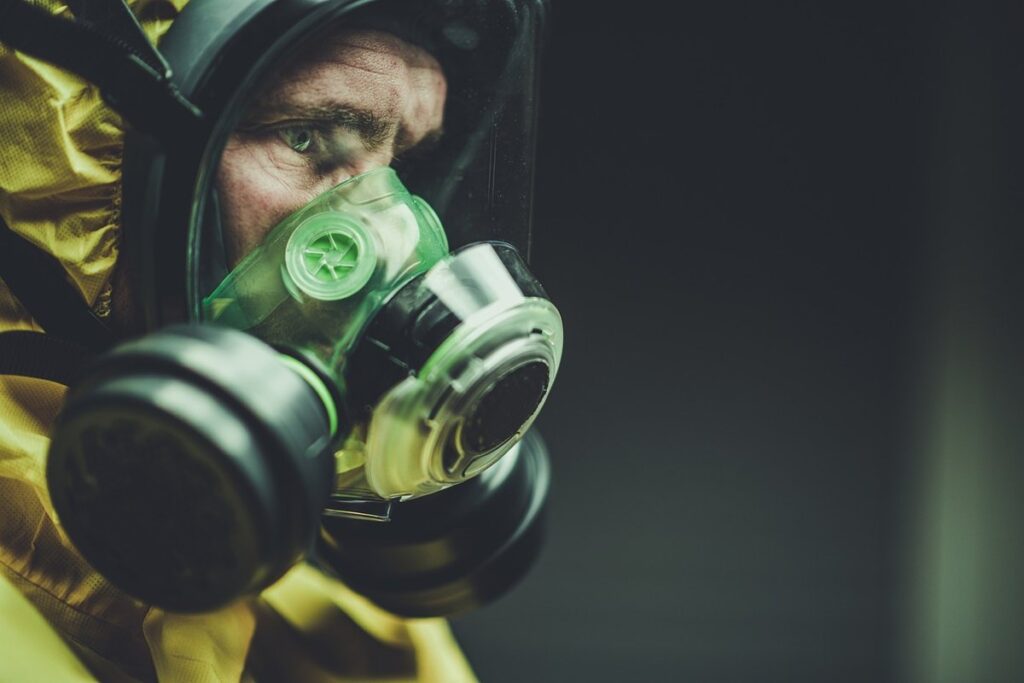
Understanding the Importance of Biosecurity in Chicken Hatcheries
When it comes to protecting your flock and ensuring a healthy environment, understanding the importance of biosecurity is crucial. This crucial aspect cannot be overstated, as it directly impacts the health and productivity of your chickens.
The Risks of Poor Biosecurity
Poor biosecurity practices can have devastating consequences on chicken health and production. One common breach is the introduction of infectious diseases such as avian influenza, Newcastle disease, and Salmonella. These pathogens can be brought into the hatchery through contaminated equipment, personnel, or vehicles.
For instance, a study found that 70% of farms surveyed had previously experienced an outbreak of a contagious disease, resulting in significant losses (1). Another example is the 2014-2015 avian influenza outbreak in the US, which led to over $3 billion in losses and the culling of nearly 50 million birds.
To avoid such breaches, it’s essential to establish robust cleaning and disinfection protocols. This includes regular sanitizing of equipment and facilities, as well as proper waste disposal practices. Additionally, employees should be trained on biosecurity measures, including personal hygiene practices and vehicle sanitation procedures. It’s also crucial to maintain accurate records of bird health, vaccinations, and treatments to identify potential issues early on. By prioritizing biosecurity, hatcheries can minimize the risk of disease outbreaks and ensure a healthy flock.
Best Practices for Effective Biosecurity Planning
Establishing a robust biosecurity plan is crucial to preventing disease outbreaks and ensuring the health of chickens in your hatchery. To get started, conduct a thorough risk assessment to identify potential vulnerabilities. This may involve assessing external factors such as neighboring farms or animal transportation routes, as well as internal factors like staffing levels and sanitation procedures.
Once you have identified areas of risk, set clear protocols for managing biosecurity. This should include procedures for cleaning and disinfecting equipment, handling and disposing of waste, and restricting access to high-risk areas. Don’t forget to develop a plan for responding to disease outbreaks – this will help minimize the impact on your flock.
Finally, train your staff on the new protocols to ensure they are implemented correctly. This should include providing regular reminders, conducting drills, and offering incentives for compliance. By following these essential steps, you can establish a solid foundation for effective biosecurity planning in your chicken hatchery.
Personal Protective Equipment (PPE) and Sanitation Procedures
To maintain a safe working environment, it’s essential to have proper PPE and sanitation procedures in place at your chicken hatchery. This section covers key protocols for protecting yourself and your birds from disease.
Proper Use of PPE in the Hatchery Environment
When working with live chickens and their eggs, it’s essential to wear the right Personal Protective Equipment (PPE) to prevent the risk of disease transmission. This includes gloves, masks, eye protection, and closed-toe shoes.
Gloves should be made from a material that can withstand repeated washing and sanitizing, such as nitrile or latex. When handling eggs, it’s crucial to wear clean gloves on top of your regular handwear to prevent cross-contamination. Make sure to change your gloves frequently, especially after handling dirty equipment or when taking breaks.
Proper use of PPE also involves maintaining and storing it correctly. Store PPE in a designated area that is easily accessible but out of reach from children and animals. Clean and disinfect reusable items like masks and gloves regularly. Discard disposable items according to the manufacturer’s instructions and replace them as needed.
Cleaning and Disinfection Protocols for High-Risk Areas
When it comes to maintaining a high level of biosecurity within your chicken hatchery, effective cleaning and disinfection protocols are crucial for preventing disease outbreaks and protecting the health of your birds. This is particularly important in high-risk areas such as incubators, hatcheries, and brooder houses.
To effectively clean and disinfect these critical areas, you’ll need specialized equipment, chemicals, and processes. For instance, you may require a pressure washer or steam cleaner to remove dirt and debris from surfaces, followed by the use of a broad-spectrum disinfectant such as bleach or quaternary ammonium compounds (quats) to kill pathogens.
It’s essential to follow a step-by-step process for cleaning and disinfection. This typically begins with removing all birds, feed, and equipment from the area, then scrubbing down surfaces with a mild detergent before applying the disinfectant. Allow the solution to sit for an extended period, usually 10-15 minutes, before rinsing thoroughly with clean water.
When selecting disinfectants, consider factors such as their effectiveness against target pathogens, safety for use in areas where birds will be reintroduced, and compatibility with equipment and surfaces. Always follow the manufacturer’s instructions and take necessary precautions to avoid exposure to chemicals during application and cleanup.
Visitor Management and Screening Procedures
Effective visitor management is crucial for preventing biosecurity breaches, so let’s dive into the essential procedures to keep your hatchery safe from external risks. This includes screening visitors and vendors, limiting access, and enforcing hygiene protocols.
Pre-Entry Screening Measures for Visitors
As a chicken hatchery owner, it’s essential to implement robust pre-entry screening measures for visitors to prevent the introduction of disease-causing pathogens into your facility. This involves conducting thorough health questionnaires for all visitors, including employees, contractors, and suppliers.
These questionnaires should cover crucial aspects such as recent travel history, contact with poultry or other animals, and any underlying medical conditions. For example, if a visitor has recently traveled to an area affected by avian influenza, you may need to restrict their access to certain areas of the facility or require them to undergo additional testing.
Temperature checks are also an essential part of pre-entry screening. This can be done using a non-contact thermometer, and anyone with a fever should be denied entry until they have recovered. Additionally, some hatcheries may require visitors to provide proof of vaccination against diseases such as influenza or salmonella before granting access to the facility.
Designated Access Routes and Entry Points
In a chicken hatchery, controlling access to high-risk areas is crucial for maintaining biosecurity. Designated Access Routes and Entry Points play a vital role in preventing unauthorized personnel from entering sensitive areas. To achieve this, it’s essential to designate specific entry points and routes for authorized individuals.
For instance, consider designating separate entrances for visitors, employees, and contractors. This will enable you to track who enters the facility and when. You can also install turnstiles or gates at these entry points to monitor movement in real-time. Implementing a sign-in and sign-out process is equally important. Employees and visitors should be required to present identification and receive a security badge before entering restricted areas.
It’s also crucial to limit access to high-risk areas, such as breeding pens, incubation rooms, and biosecurity facilities. These zones often house sensitive equipment or valuable assets that require protection. Limiting access will reduce the risk of contamination or unauthorized tampering.
Vaccination Programs and Disease Prevention Strategies
To protect your flock from disease, it’s essential to understand vaccination programs and effective prevention strategies that safeguard against common poultry diseases. We’ll walk you through what you need to know.
Core and Booster Vaccinations for Chickens in the Hatchery
In the hatchery setting, vaccinating chicks against key poultry diseases is crucial for ensuring their health and well-being. The core vaccinations for chickens typically include those against Marek’s disease (MD), Newcastle disease (ND), and Infectious Bronchitis (IB). These vaccines are usually administered in ovo or subcutaneously within the first few days of hatch.
Vaccination schedules vary depending on the farm’s specific risk factors, but a common protocol is to vaccinate against MD at 1-3 days old and against ND and IB at 7-10 days old. Booster vaccinations may be given every 2-4 weeks until the chicks are around 12-16 weeks old.
When choosing vaccines, it’s essential to consider the specific diseases present on your farm or in the surrounding area. For example, if you’re located near an ND outbreak zone, your vaccination program should prioritize this disease. Always follow the manufacturer’s guidelines and consult with a veterinarian to determine the best vaccination schedule for your hatchery.
Some popular vaccine combinations include:
* MD-ND-IB combination vaccine
* ND-IB combination vaccine
* Live or inactivated vaccines can be used depending on farm preferences
Biosecurity Measures Against Emerging Diseases
To protect your chicken hatchery from emerging diseases like avian influenza and Newcastle disease, it’s essential to implement effective biosecurity measures. These viruses can spread quickly through contaminated equipment, people, and vectors such as rodents and flies.
Some key strategies for preventing these outbreaks include conducting regular health checks on all birds, visitors, and staff. This involves monitoring their temperature, behavior, and any signs of illness. Vaccination programs should also be in place to protect against common diseases.
Proper cleaning and disinfection protocols must be followed regularly, including daily deep cleaning of pens and facilities. A thorough audit of the hatchery’s equipment and infrastructure is necessary to identify potential entry points for disease. Regular testing of water and feed sources can also help detect any potential contamination.
To stay ahead of emerging diseases, stay informed about local outbreaks and follow guidelines from relevant health organizations. Consider consulting with experts or attending workshops on biosecurity best practices to ensure your hatchery remains up-to-date. By being proactive and vigilant, you can significantly reduce the risk of disease outbreaks in your chicken hatchery.
Monitoring and Control of Rodents, Insects, and Other Pests
To effectively safeguard your chicken hatchery, it’s crucial to monitor and control pests such as rodents, insects, and other unwanted visitors that can compromise health and productivity. This includes regular checks for signs of pest activity.
Integrated Pest Management (IPM) Strategies in the Hatchery
Integrated Pest Management (IPM) is a crucial aspect of maintaining biosecurity in chicken hatcheries. It involves using a combination of techniques to minimize pest populations and prevent infestations. The first step in IPM is exclusion methods, which involve sealing all entry points for pests such as rodents, insects, and other animals. This can include caulking cracks and crevices, installing door sweeps, and repairing holes in walls and floors.
Trapping is another essential component of IPM. Sticky traps and bait stations are effective for catching rodents and insects, while live traps can be used to humanely capture pests without harming them. For instance, using humane mouse traps near nesting areas can help control rodent populations. Chemical control methods should only be used as a last resort due to the potential risks of pesticide residues on eggs and chicks.
When implementing IPM strategies, it’s essential to monitor pest populations regularly by conducting weekly inspections for signs of pests such as droppings, gnaw marks, or live pests. This information can help you adjust your IPM plan accordingly.
Regular Inspections and Record-Keeping for Pest Control
Regular inspections and record-keeping are crucial components of effective pest management practices in chicken hatcheries. These measures help prevent pest infestations, minimize the risk of disease transmission, and maintain a clean and safe environment for the birds.
To ensure thorough monitoring, you should schedule regular inspections at least once a week, but ideally daily, to catch any signs of pest activity early on. This can include visual checks for signs of rodents, insects, or other pests, as well as checking for unusual odors or sounds coming from areas where food and feed are stored.
Use a variety of monitoring tools to supplement your inspections, such as sticky traps, bait stations, and pheromone traps. These will help detect pest presence even when they’re not easily visible. Make sure to document all findings in a dedicated record-keeping system, noting the type and quantity of pests detected, areas where they were found, and any control measures taken.
This documentation will enable you to track patterns and trends over time, making it easier to identify potential hotspots for pest activity. It’ll also help inform your decision-making when it comes to implementing preventative measures or adjusting existing protocols.
Frequently Asked Questions
What are some common mistakes that backyard breeders or large-scale poultry farm operators make when implementing biosecurity measures?
When introducing new protocols, it’s essential to avoid overhauling the entire system at once. Instead, start with incremental changes and gradually phase in more advanced measures. This will allow you to monitor progress, identify areas for improvement, and adjust your approach as needed. For example, begin by enforcing basic sanitation practices before implementing more complex solutions like avian influenza prevention.
Can I use off-the-shelf disinfectants or do I need specialized products?
While off-the-shelf disinfectants may be effective against some pathogens, they might not provide adequate protection against all diseases common to poultry. Specialized biosecurity products are often formulated with specific microorganisms in mind and can offer more comprehensive coverage. When selecting a disinfectant, ensure it is registered for use on poultry equipment and surfaces.
How often should I conduct thorough cleaning and disinfection of the hatchery environment?
Regular cleaning and disinfection is crucial to maintaining a healthy environment. Aim to perform these tasks at least weekly, focusing on high-risk areas like feeders, waterers, and nesting boxes. However, you may need to increase frequency during peak disease seasons or when introducing new animals.
What should I do if I suspect an outbreak of avian influenza in my hatchery?
Acting swiftly is key in the event of a suspected outbreak. Immediately isolate affected areas, and initiate emergency cleaning and disinfection protocols. Consult local authorities and veterinary experts for guidance on testing, treatment, and quarantine procedures.
How can I balance the need for visitor screening with potential disruptions to daily operations?
Implementing effective visitor management strategies requires striking a balance between security and operational efficiency. Consider designating specific entry points and times for visitors, providing clear instructions on pre-entry screening measures, and keeping records of all visitors to help track potential risks.