
If you’re considering raising chickens on your farm, you’re probably weighing the pros and cons of two popular systems: free-range and coop. While both options have their advantages and disadvantages, it’s essential to consider factors like space, health risks, and economic viability before making a decision.
Free-range chicken systems offer birds the freedom to roam outdoors, which can be beneficial for their physical and mental well-being. However, this requires significant space and resources to ensure the flock’s safety and security. On the other hand, coop-based systems provide a controlled environment but may come with health risks associated with overcrowding and poor air quality.
In this article, we’ll delve into the benefits and drawbacks of both free-range and coop chicken systems, providing you with a comprehensive understanding of what to expect from each option so you can make an informed decision that suits your farm’s needs.
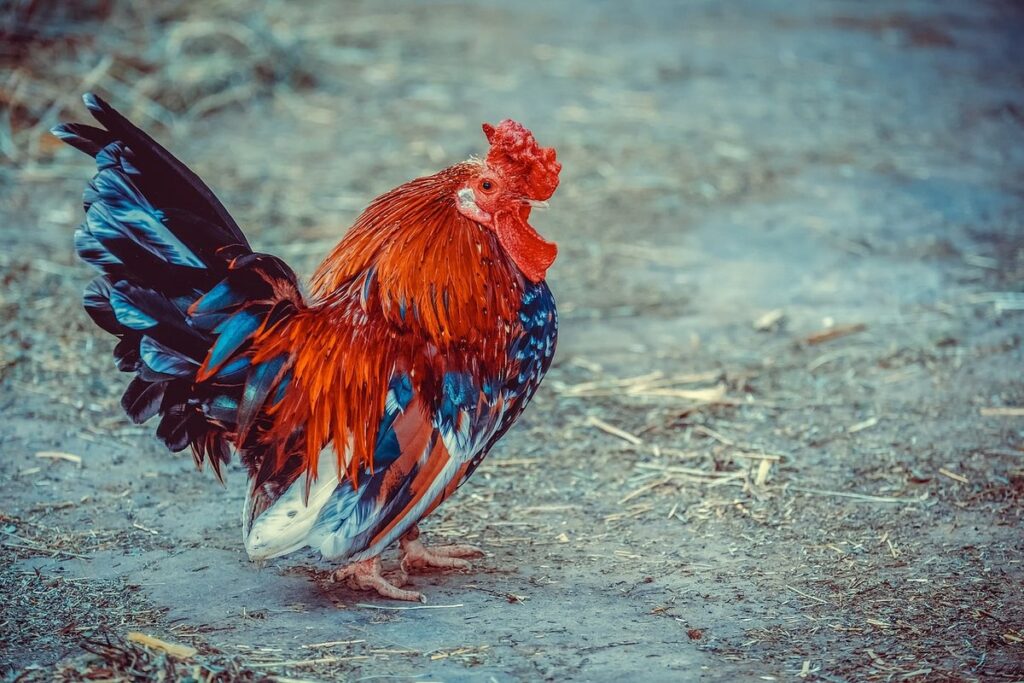
Understanding Free Range Chicken Systems
So, you want to know more about free range chicken systems and how they work? This section will break down the specifics of these systems and what makes them different from coop-based setups.
Benefits of Free Range Systems
Free range systems offer numerous benefits for chicken farming, elevating both animal welfare and productivity. One of the most significant advantages is improved air quality within the farm. By allowing chickens to roam freely outside, free range systems reduce ammonia levels and other pollutants that can accumulate in cooped-up environments. This leads to a healthier atmosphere for both the birds and humans working on the farm.
Reduced stress is another key benefit of free range systems. Chickens have the freedom to move about, exercise, and engage in natural behaviors like foraging and scratching. This leads to happier, more relaxed birds that are better equipped to resist disease and parasites. On the other hand, cooped-up conditions can lead to stress-related issues like feather pecking and cannibalism.
By incorporating free range systems into your chicken farming operation, you can provide your flock with essential exercise opportunities. Chickens need space to move around and stretch their wings – it’s a natural instinct that should be respected. Aiming for at least 2-4 square meters of outdoor space per bird is a good starting point, depending on the breed and age of the chickens.
Free Range System Requirements
Implementing a free-range system requires careful consideration of several key factors to ensure the health and well-being of your chickens. One of the most critical requirements is providing adequate space for your birds to roam freely. A general rule of thumb is to provide at least 4-5 square feet per chicken inside the enclosed area, with an additional 8-10 square feet of outdoor space per bird.
In addition to ample space, a free-range system also requires shelter from harsh weather conditions and predators. You can achieve this by incorporating a covered run or a coop with adequate ventilation and protection from wind and rain. Installing sturdy fencing around the perimeter is also essential for predator control and keeping your chickens safe from harm.
When designing your free-range system, consider factors such as local climate, topography, and wildlife presence to create an effective barrier against predators. This may involve using hardware cloth or chicken wire with openings of no larger than 1 inch to prevent escape and predation. By carefully planning and executing these requirements, you can establish a thriving and safe free-range environment for your chickens.
Challenges of Free Range Systems
While free-range systems offer numerous benefits for chicken welfare and egg quality, they also present several challenges that must be carefully considered. One of the primary concerns is the increased labor costs associated with these systems. Free-range chickens require regular monitoring to ensure their safety and well-being, which can be time-consuming and costly.
Land acquisition issues are another challenge faced by free-range farmers. Large tracts of land are often required to provide a sufficient amount of space for the chickens to roam, but this can be difficult to obtain, especially in areas with limited rural land availability. This limitation can limit the scalability of free-range operations.
Disease outbreaks are also a potential issue in free-range systems, as birds may come into contact with external pathogens while foraging. To mitigate this risk, farmers must implement strict biosecurity measures, such as regular cleaning and disinfection protocols, to prevent disease transmission among flocks.
Coop Chicken Housing: Advantages and Disadvantages
When it comes to coop chicken housing, there are pros and cons to consider, which we’ll explore in detail to help you make an informed decision about your backyard flock.
Benefits of Coop Housing
Coop housing offers numerous benefits for backyard chicken keepers. One of the most significant advantages is cost savings. By keeping chickens confined to a coop, you’ll reduce the risk of predators and diseases, which means fewer losses and lower expenses in the long run. According to a study by the University of Wisconsin-Madison, coop-housed hens have a 30% higher egg production rate compared to free-range birds.
In addition to cost savings and improved egg production, coop housing also simplifies management for chicken owners. With chickens confined to a smaller area, you’ll need to clean their coop less frequently, reducing labor and maintenance time. This is especially beneficial for those with limited space or busy schedules. To maximize these benefits, consider investing in a well-ventilated coop with easy cleaning access and adequate space for your flock.
Aim for at least 4 square feet per bird inside the coop, and ensure proper ventilation to prevent ammonia buildup from droppings. By providing a clean, comfortable environment within the coop, you’ll create an optimal setting for healthy egg-laying hens that will reward you with fresh eggs for years to come.
Drawbacks of Coop Housing
While coop housing offers benefits like security and ease of management, it also has its drawbacks. One significant concern is the increased risk of disease transmission among chickens confined to a small space. When birds are packed tightly together, it’s easier for diseases like respiratory infections and parasites to spread.
Heat stress is another issue that can arise in coop housing, particularly during hot summer months. Chickens can quickly become overheated when trapped inside a coop with little ventilation or shade. In extreme cases, heat stress can lead to serious health problems or even death.
Welfare concerns are also worth considering. Confined spaces can cause chickens undue stress and boredom, leading to behavioral issues like feather pecking and egg eating. To mitigate these risks, it’s essential to ensure your coop is well-ventilated, provides adequate space per bird, and includes enrichment activities to keep your flock engaged.
Comparing Free Range and Coop Systems: Key Differences
When it comes down to creating a chicken-friendly environment, you’ll want to consider the pros and cons of free range vs coop systems for your backyard flock. In this section, we’ll break down the main differences between these two popular options.
Space and Exercise Considerations
Free-range systems offer significantly more space and exercise opportunities for chickens compared to coops. In fact, research has shown that hens raised outdoors are less stressed and more active than those confined to small coop spaces.
One of the most significant benefits of free-range systems is the ability for chickens to engage in natural behaviors such as foraging, scratching, and flying. By providing access to an enclosed outdoor area, you can give your flock the freedom to move around and explore their surroundings, which is essential for their physical and mental well-being.
In contrast, coops often provide limited space and can lead to boredom, stress, and even health problems in chickens. A general rule of thumb is to provide at least 2-4 square feet of outdoor space per bird, but ideally you should aim for more if possible. With a little creativity, you can set up a free-range system that meets your flock’s needs while also fitting within your available space and budget.
Consider incorporating features such as grassy areas, shrubs, and trees to create a natural environment for your chickens. By doing so, you’ll not only improve their living conditions but also attract beneficial insects and pollinators to your yard.
Health Benefits and Risks
When it comes to the health of your chickens, both free-range and coop systems have their pros and cons. Free-range systems allow chickens to roam freely outdoors, which can reduce stress and promote physical activity. This can lead to healthier birds with stronger immune systems, but it also increases their exposure to potential diseases and parasites.
On the other hand, coop systems provide a safe and controlled environment that reduces the risk of disease transmission. However, if not managed properly, coops can become breeding grounds for bacteria and pests. A well-ventilated and regularly cleaned coop is crucial in preventing ammonia buildup and reducing the risk of respiratory problems.
To minimize risks associated with both systems, it’s essential to implement robust parasite control measures. This includes monitoring your flock regularly for signs of mites, lice, and other external parasites, as well as providing a balanced diet that supports their overall health.
Implementing Free Range or Coop Systems: A Practical Guide
Now that you’ve decided on a chicken coop system, let’s dive into the practical steps to set up and maintain either a free-range or coop system for your backyard flock.
Initial Setup Costs and Considerations
When implementing either free range or coop systems for your backyard chickens, it’s essential to consider the initial setup costs and ensure you’re making a decision that suits your budget and needs. The cost of setting up a free-range system can be higher upfront due to the need for fencing and predator protection measures.
You’ll typically need to allocate around $3-$5 per square foot for fencing materials, depending on the type and quality of fence you choose. Additionally, you may need to invest in hardware cloth or chicken wire to protect your chickens from predators like foxes, coyotes, and hawks. On the other hand, coop systems tend to be more cost-effective upfront, with an average initial investment of $500-$1,000.
Consider the size of your flock and the space available for your setup when deciding between free-range and coop systems. A general rule of thumb is to provide at least 2-4 square feet per bird inside the coop and 8-10 square feet in the run. This will help ensure your chickens have enough room to move around comfortably.
It’s also crucial to think about long-term maintenance costs when choosing between free-range and coop systems. While initial setup costs may be lower for coops, you’ll need to budget more regularly for repairs, cleaning, and replacement of worn-out equipment in the future.
Ongoing Maintenance and Management
As you’ve chosen to implement either a free range or coop system for your flock, it’s essential to consider the ongoing maintenance and management requirements to ensure the health and well-being of your chickens. Both systems require regular attention, but with different emphasis.
For free range systems, it’s crucial to establish a cleaning schedule that accounts for the large area where your birds roam. This includes removing droppings, replenishing feeders, and checking fencing for damage or wear. You’ll need a sturdy tractor to contain your flock when needed, as well as a plan for predator control.
Coop systems also require regular maintenance, but more so on cleaning schedules. You’ll need to scrub the coop regularly, remove bedding material, and disinfect surfaces to prevent disease. Additionally, ensure that all equipment, such as feeders and waterers, is in good working condition.
In terms of personnel training, it’s vital to educate anyone handling your flock on proper hygiene practices and emergency procedures. This includes knowing how to respond to predator attacks or severe weather conditions. By prioritizing ongoing maintenance and management, you’ll be able to provide a healthy environment for your birds to thrive.
Economic Comparison: Free Range vs Coop Systems
When it comes down to making a decision between free range and coop systems, cost is often a major concern. We’ll break down the economic differences between these two popular chicken-keeping methods.
Startup Costs and Ongoing Expenses
When considering which chicken system to invest in, it’s essential to examine the startup costs and ongoing expenses associated with free-range and coop systems. Startup costs for a free-range system can be higher due to the need for larger enclosures, fencing, and predator protection measures. You may need to allocate $10,000 or more for the initial setup, including land preparation and infrastructure.
In contrast, coop systems have lower upfront costs, with an estimated $3,000 to $5,000 investment. However, ongoing expenses, such as feed and healthcare, can be similar between the two systems. Coop systems may require less labor and maintenance, but free-range systems often produce better egg quality and higher egg yields due to the natural grazing environment.
To give you a better idea of the costs involved, consider this example: a 1-acre free-range system with 10 chickens might cost $5 per square foot for land preparation, while a coop system with the same number of chickens would require approximately $2.50 per square foot. As you can see, the initial investment for a free-range system is significantly higher, but ongoing expenses are relatively similar.
Revenue Potential and Break-Even Analysis
When it comes to revenue potential and break-even analysis for free-range and coop systems, there are several key factors to consider. Let’s start with egg production: on average, a well-managed free-range flock can produce 280-300 eggs per hen annually, while a comparable coop system yields around 220-240 eggs per hen.
Sales prices also play a significant role in revenue potential, with free-range eggs often commanding a premium of $1.50-$2.00 more per dozen compared to conventional or coop-produced eggs. Market demand is another crucial consideration: many consumers are willing to pay extra for eggs produced using more humane and sustainable methods, which can lead to increased sales revenue.
To give you a better idea of the break-even point for each system, let’s consider some rough estimates. Assuming an initial investment of $10,000 in equipment and infrastructure for a free-range system, your breakeven point would likely be reached after 1-2 years of operation, assuming average production and sales figures. For a coop system, the break-even point might be slightly faster – around 6-12 months.
Of course, these estimates vary depending on factors like location, local competition, and consumer preferences. However, with proper management and marketing, both free-range and coop systems can generate significant revenue streams for farmers.
Conclusion: Choosing Between Free Range and Coop Systems
Now that you’ve weighed the pros and cons of free range systems, it’s time to make a decision for your flock. This final section helps you choose between free range and coop systems.
Key Takeaways and Recommendations
When deciding between free-range and coop systems for your backyard flock, it’s essential to consider the unique needs of your farm. After weighing the pros and cons of each system, you’re likely still unsure which one is right for you.
Key takeaways from this article include:
* Free-range systems promote natural behavior and exercise in chickens but require a significant amount of space and attention.
* Coop systems are more contained and easier to manage but may limit the birds’ opportunities for physical activity and social interaction.
* The decision between free-range and coop systems ultimately depends on your farm’s specific needs, resources, and goals.
Based on these key takeaways, here are some recommendations for choosing between free-range and coop systems:
* Assess your available space: If you have a large yard or pasture, a free-range system may be feasible. However, if space is limited, a coop system might be more practical.
* Consider your resources: Free-range systems require more labor and investment in infrastructure such as fencing and gates. Coop systems are often less expensive to set up and maintain.
* Evaluate your goals: Are you looking for eggs from happy, healthy chickens or do you prioritize efficiency and ease of management? Your goals will help guide your decision between free-range and coop systems.
In terms of implementation, here are a few actionable tips:
* Start small: If you’re new to raising chickens, begin with a small flock in a coop system. As your experience and resources grow, you can transition to a larger, more complex free-range system.
* Monitor and adjust: Keep a close eye on the health and well-being of your birds, making adjustments as needed to ensure their needs are met.
Frequently Asked Questions
What are the key differences between free-range and coop systems for small-scale chicken farming?
When comparing these two options, consider factors like initial setup costs, ongoing maintenance, and economic viability. Free-range systems require more space but offer improved air quality and potentially higher egg production, while coop-based systems provide a controlled environment but may come with health risks associated with overcrowding.
Can free-range chickens still be considered safe from predators?
While free-range systems offer birds the freedom to roam outdoors, they can also pose significant risks if not properly secured. To mitigate these risks, consider using secure fencing or enclosures that allow for easy access and escape routes in case of predator attacks.
How do I ensure the health benefits of free-range chickens without compromising their safety?
To balance the benefits of free-range systems with the need for safety, focus on providing a safe and secure outdoor area where birds can exercise and engage in natural behaviors. Consider factors like fencing, shelter, and access to clean water and feed.
Can coop-based systems be adapted to accommodate larger flocks or commercial-scale operations?
While coop-based systems may be more suitable for smaller farms or backyard chicken keeping, they can also be scaled up for commercial operations with proper planning and design. Consider factors like ventilation, feeding systems, and waste management when adapting coops for larger flocks.
How do I choose between a free-range and coop system based on my farm’s specific climate and topography?
When deciding between these two options, consider the unique challenges and opportunities presented by your farm’s climate and topography. For example, if you live in an area with extreme weather conditions, a coop-based system may be more suitable, while free-range systems might be better suited for areas with mild climates.