
If you’re looking for a sustainable way to enrich your garden, using chicken manure as a fertilizer is an excellent option. But before you start spreading it around, it’s essential to get the ratio just right. Too much or too little can make all the difference in the world of gardening. In this article, we’ll delve into the benefits and best practices of using chicken manure as a natural fertilizer. We’ll explore how to calculate the perfect ratio for your garden, prepare it for use, and overcome common challenges that come with working with this nutrient-rich substance. By the end of this guide, you’ll be well-equipped to create a thriving and sustainable garden using chicken manure fertilizer – naturally and effectively.
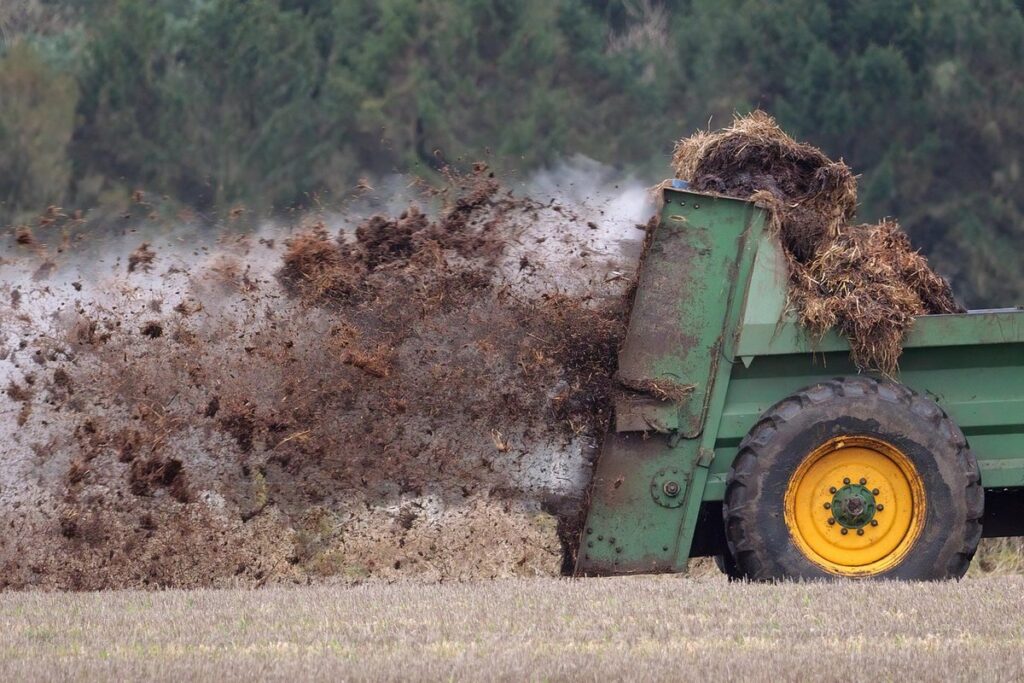
Benefits and Uses of Chicken Manure as a Fertilizer
You’re probably wondering what makes chicken manure such a valuable fertilizer, so let’s dive into its benefits and uses in gardening and agriculture. It’s a game-changer for plant growth and soil health!
Nutritional Value and Comparison to Synthetic Fertilizers
When it comes to using chicken manure as a fertilizer, one of the most significant advantages is its exceptional nutritional value. Rich in nitrogen, phosphorus, and potassium (NPK), chicken manure provides essential macronutrients that promote healthy plant growth. A 1-ton batch of dried chicken manure typically contains around 25% nitrogen, making it an ideal alternative to synthetic fertilizers.
Compared to synthetic options, chicken manure has several benefits. For instance, it’s a natural and slow-release fertilizer, which means plants absorb nutrients gradually over time, reducing the risk of burning roots or foliage. Additionally, chicken manure contains beneficial microorganisms that enhance soil biota, leading to improved soil structure and fertility.
In gardening, chicken manure can be used in various ways. For example, mix it with other organic materials like compost or peat moss for a nutrient-rich potting mix. You can also use it as a top dressing around plants during the growing season. To get the most out of your chicken manure fertilizer ratio, follow these tips:
* Start by composting the manure to break down its nutrients and kill pathogens
* Aim for a 1:10 ratio (one part manure to ten parts water) when mixing it with other materials or using as a liquid fertilizer
Environmental Impact and Sustainable Practices
Using chicken manure as a fertilizer has a significant environmental impact, both positively and negatively. On the positive side, it reduces waste by providing a valuable use for what would otherwise be discarded. According to the EPA, about 1.3 billion tons of organic waste is generated annually in the United States alone. Utilizing this waste as a fertilizer can divert massive amounts from landfills.
However, improper handling and disposal of chicken manure can lead to environmental issues such as water pollution, soil contamination, and greenhouse gas emissions. To mitigate these risks, it’s essential to implement sustainable practices when using chicken manure as a fertilizer. This includes composting the manure to break down pathogens and ammonia levels, ensuring adequate storage and handling procedures, and monitoring for nutrient imbalances.
When incorporating chicken manure into your fertilization routine, consider the following tips: always follow local regulations regarding storage and disposal; implement proper composting techniques to minimize odors and environmental impacts; and start with small batches to test and monitor results. By taking these precautions, you can effectively utilize chicken manure while minimizing its negative effects on the environment.
Calculating the Right Chicken Manure Fertilizer Ratio
Let’s dive into the math behind choosing the perfect chicken manure fertilizer ratio for your garden, a crucial step in maximizing its benefits. To get started, you’ll need to know about nitrogen, phosphorus, and potassium levels in your soil.
Factors Affecting the Fertilizer Ratio
When it comes to determining the ideal fertilizer ratio for chicken manure, several factors come into play. The type of soil you’re working with is a significant consideration. For example, sandy soils tend to dry out quickly and require more water-soluble nutrients, whereas clay soils can retain moisture and benefit from slow-release fertilizers.
Climate also plays a crucial role in determining the fertilizer ratio. In regions with high temperatures and intense sunlight, crops may require more nitrogen-rich fertilizers to maintain their growth rate. Conversely, cooler climates might call for phosphorus-based fertilizers to promote root development.
Additionally, crop requirements must be taken into account when calculating the ideal fertilizer ratio. Different plants have varying nutrient demands; for instance, leafy greens like lettuce and spinach are heavy feeders and require more nitrogen than flowering plants like tomatoes. To determine the optimal fertilizer ratio for your specific situation, consider consulting a soil testing report or seeking advice from a local gardening expert who can provide guidance based on regional climate and crop patterns.
Common Ratios and How to Determine Your Needs
When it comes to using chicken manure fertilizer for your garden, understanding the right ratio is crucial. While it may seem overwhelming at first, there are several common ratios you can work with.
For small-scale gardens, a 10-1 or 5-1 ratio of “dry materials” (like straw) to “wet materials” (like fresh manure) is often recommended. This helps slow down the nitrogen release, preventing over-fertilization and potential burns on your plants’ roots.
However, if you’re using aged manure that’s been composted or pasteurized, a 1-2 ratio of manure to dry materials might be more suitable. This allows for better control over the nutrient release while also reducing the risk of contamination.
To determine your specific needs, consider factors such as soil pH, crop types, and intended use (vegetable garden vs. flower bed). You may need to adjust the ratio based on these variables or your local climate conditions.
Start by testing your manure’s N-P-K content (nitrogen-phosphorus-potassium) using a simple kit or sending it off for analysis. This will give you an idea of its overall nutrient profile and help you make informed decisions about how to balance the ratio in your garden.
Preparing Chicken Manure for Use in the Garden
Before using chicken manure as fertilizer, you need to properly prepare it to ensure its nutrients are available to your plants. This involves breaking down the manure’s carbon-rich compounds.
Drying and Composting Methods
When it comes to preparing chicken manure for use in the garden, drying and composting are essential steps. They help reduce pathogens and weed seeds, making the fertilizer safer and more effective. Here are some methods to dry and compost chicken manure:
Pile Composting: This method involves piling chicken manure in a designated area, allowing it to decompose naturally over time. The pile should be 3-4 feet high, with a mix of “green” materials (like grass clippings or food scraps) and “brown” materials (like straw or shredded newspaper). The carbon-to-nitrogen ratio is crucial; aim for 25:1 to promote decomposition.
Vermicomposting: This method uses worms to break down chicken manure. It’s a great way to produce a nutrient-rich fertilizer, but it requires a worm bin and regular maintenance. Add bedding materials like coconut coir or shredded newspaper to the bin, followed by layers of chicken manure and worms. Monitor temperature and moisture levels to ensure optimal conditions.
Hot Composting: This method involves creating a compost pile with a high carbon-to-nitrogen ratio (30:1) to generate heat. Chicken manure is mixed with brown materials like straw or shredded newspaper, then regularly turned to maintain oxygen flow. Hot composting accelerates decomposition, but it requires regular monitoring and maintenance to avoid overheating.
Regardless of the method, make sure to monitor temperature, moisture levels, and carbon-to-nitrogen ratios to ensure optimal conditions for decomposition.
Safety Precautions and Handling Guidelines
When handling and applying chicken manure to your garden, it’s essential to follow proper safety precautions and guidelines to prevent over-application and contamination risks. Over-applying chicken manure can lead to nutrient imbalances, water pollution, and the creation of anaerobic conditions that foster pathogen growth.
To minimize these risks, start by wearing protective gear such as gloves, long sleeves, and eye protection when handling wet or fresh chicken manure. This will prevent skin contact and reduce the risk of absorbing pathogens into your body.
When applying chicken manure, use a rate of 10-20% of the recommended nitrogen application rate for other organic fertilizers. For example, if you would normally apply 1 cup of compost tea, start with 1/4 to 1/2 cup and gradually increase as needed based on soil tests and plant response.
Always mix chicken manure with other organic matter like peat moss or coconut coir before applying it to the garden bed. This will help slow down the nutrient release rate, preventing a sudden surge of nitrogen that can cause burning effects on plants.
Applications of Chicken Manure Fertilizer in Different Crops
Now that you understand how to calculate chicken manure fertilizer ratio, let’s explore some real-world applications in different crops. We’ll examine its benefits for specific plants and growing conditions.
Vegetable Gardens and Fruit Trees
When it comes to using chicken manure fertilizer in vegetable gardens and fruit trees, timing is everything. As a general rule of thumb, apply chicken manure fertilizer during the early stages of plant growth, typically when seedlings are around 6-8 inches tall. This allows the nutrients to be absorbed by the plants as they develop their root systems.
For vegetable gardens, apply a 1-2 inch layer of chicken manure compost on top of the soil in late winter or early spring. Mix it well into the top 4-6 inches of soil to avoid any potential burning of roots. For established vegetables, you can also side-dress with a 10% solution of liquid chicken manure fertilizer once a month.
When it comes to fruit trees, apply chicken manure compost around the base of the tree, spreading it out in a wide circle to cover the entire root zone. This will provide a slow release of nutrients throughout the growing season. Aim for an application rate of 2-4 pounds per year, depending on soil type and nutrient levels.
By following these guidelines, you can reap the benefits of using chicken manure fertilizer while avoiding any potential drawbacks.
Lawns and Turf Grasses
When it comes to using chicken manure fertilizer on lawns and turf grasses, there are several factors to consider. First and foremost, you’ll want to ensure that the soil pH is suitable for the type of grass you’re growing. Most cool-season grasses prefer a slightly acidic to neutral soil pH (between 6.0 and 7.0), while warm-season grasses tend to thrive in slightly alkaline conditions (pH 7.1-8.0). Chicken manure fertilizer can be high in nitrogen, so it’s essential to test your soil nutrient levels before applying.
A general rule of thumb is to mix chicken manure fertilizer with compost or other organic matter to balance out the nitrogen content. For example, you could blend 10% chicken manure with 90% compost to create a balanced fertilizer. When applying, start with small amounts (about 1/4 cup per square foot) and gradually increase as needed.
It’s also crucial to consider the maturity level of your lawn when using chicken manure fertilizer. Younger lawns may require less frequent applications due to their increased sensitivity to nitrogen overload. In any case, be sure to follow the recommended application rates specified on the packaging or consult with a local gardening expert for personalized guidance.
Overcoming Challenges and Common Issues with Chicken Manure Fertilizer Ratio
Now that you’re familiar with calculating the optimal ratio, let’s tackle some common issues you may encounter when using chicken manure fertilizer. We’ll cover solutions to these problems in this next section.
Soil Imbalance and Nutrient Deficiencies
Soil imbalance and nutrient deficiencies are common challenges when using chicken manure fertilizer. This can occur if the soil is not properly prepared for application, or if the fertilizer ratio is not adjusted according to the specific needs of the soil.
One key issue with chicken manure fertilizer is its high nitrogen content. While this can be beneficial in small quantities, excessive nitrogen can lead to an overabundance of nitrates in the soil. This can cause problems such as water pollution and even contribute to climate change.
To mitigate these risks, it’s essential to maintain a balanced fertilizer ratio. This means taking into account not just the nitrogen content but also other key nutrients like phosphorus and potassium. A general rule of thumb is to ensure that the nitrogen content does not exceed 50% of the total fertilizer weight.
It’s also crucial to implement practices like crop rotation, cover cropping, and regular soil testing to monitor nutrient levels and adjust application rates accordingly.
Managing Odors and Pest Attraction
When managing chicken manure fertilizer, it’s essential to address two common challenges: odors and pest attraction. Odors can be overwhelming, especially when dealing with large quantities of manure. To minimize odor issues, apply the fertilizer in thin layers, allowing each layer to decompose before adding more. This slow release approach prevents anaerobic conditions that foster unpleasant smells.
Proper application techniques also help deter pests attracted to manure, such as rodents and flies. Avoid overloading areas with excessive amounts of fertilizer, creating easy targets for pests. Instead, distribute it evenly throughout the soil, following recommended application rates. Regularly inspect your garden or farm for signs of pest activity and take prompt action if necessary.
In addition to proper application techniques, incorporating natural deterrents can further reduce pest attraction. For example, mixing in certain herbs like mint or lemongrass can repel pests without harming beneficial insects. By implementing these strategies, you can minimize the risks associated with chicken manure fertilizer while maintaining its nutrient-rich benefits for your plants.
Frequently Asked Questions
Can I use fresh chicken manure as a fertilizer, or does it need to be dried first?
Yes, using fresh chicken manure can be effective, but it’s essential to note that its high moisture content can lead to overwatering issues. Drying the manure helps to reduce odors and pest attraction while making it easier to store and transport.
How do I know if my soil is getting too much nitrogen from the chicken manure fertilizer?
Soil imbalance is a common issue when using organic fertilizers like chicken manure. Monitor your plants’ growth, and be aware of symptoms such as excessive leafy growth or reduced fruit production. If you notice any issues, consider adjusting the fertilizer ratio or incorporating other nutrient sources.
Can I use chicken manure fertilizer for both vegetables and lawns?
Yes, chicken manure is a versatile fertilizer suitable for various crops, including vegetables, fruits, and lawn grasses. However, adjust the application rate according to each specific crop’s needs. For example, leafy greens require less nitrogen than fruiting plants.
How do I minimize odors when working with wet or fresh chicken manure?
Managing odors is crucial when using fresh or wet chicken manure as a fertilizer. Mix it well with other organic matter like composted materials to reduce the smell. Covering the area and using mulch can also help minimize odor issues.
Are there any specific safety precautions I should take when handling large quantities of dried chicken manure?
Yes, always wear protective gear such as gloves, goggles, and a dust mask when working with large quantities of dried chicken manure to avoid inhaling fine particles. Regularly clean and disinfect tools to prevent bacterial contamination.