
When it comes to choosing between chicken manure and cow manure for your agricultural needs, there are several factors to consider. Both types of manure have unique nutritional profiles and environmental impacts that can affect crop yields and soil health. For instance, chicken manure is often higher in nitrogen than cow manure, but may also contain higher levels of phosphorus. Meanwhile, cow manure tends to be more bulky and lower in nutrients, but its slow release rate can provide a steady supply of organic matter.
In this comprehensive guide, we’ll delve into the details of both chicken and cow manure, exploring their nutritional profiles, environmental impact, and economic considerations. By comparing these two types of manure side-by-side, you’ll be able to make an informed decision about which one best suits your needs. Whether you’re a seasoned farmer or just starting out, this article will provide you with the knowledge you need to optimize your agricultural operations.
Understanding the Basics
Let’s start with the basics: what is manure, and how do the differences between chicken and cow manure impact your garden. We’ll break down the key concepts to get you started.
What is Manure?
Manure is a natural byproduct of animal digestion, and it plays a crucial role in agriculture. It’s often misunderstood as simply a waste product, but in reality, manure is a valuable resource that can be used to improve soil fertility, structure, and overall health.
There are several types of manure, including chicken manure, cow manure, horse manure, and pig manure, each with its unique characteristics. However, the most commonly used types in agriculture are chicken and cow manure. Chicken manure is higher in nitrogen, phosphorus, and potassium (NPK) compared to cow manure, making it an excellent fertilizer for crops that require a lot of nutrients.
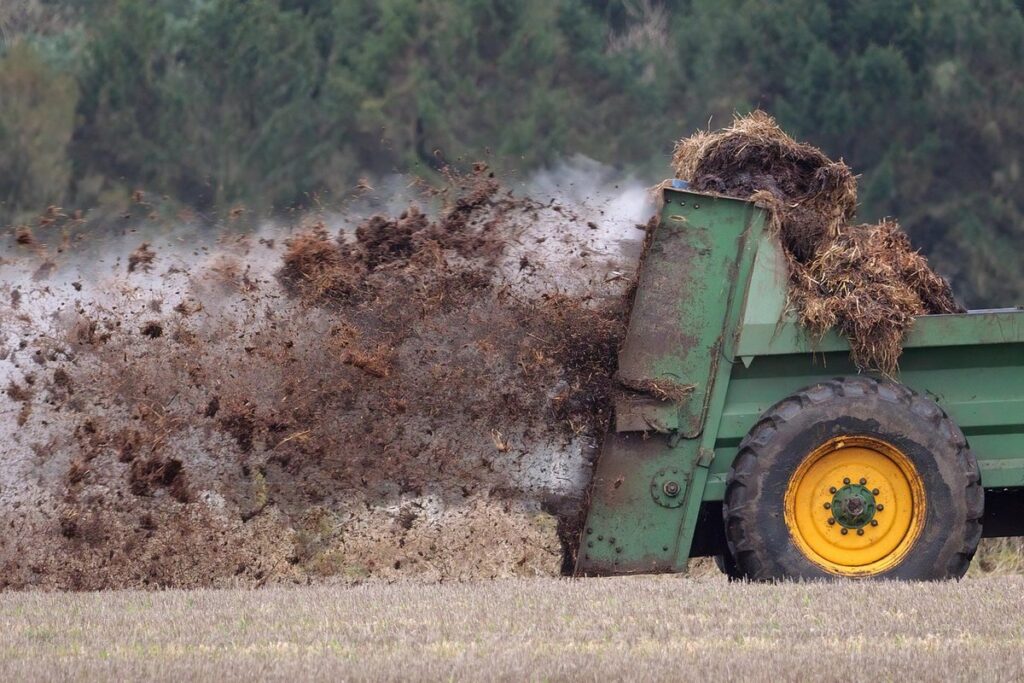
In farming, manure is used as a natural fertilizer to reduce the need for synthetic fertilizers. It’s also used as a soil conditioner to improve soil structure and water retention. Manure can be applied directly to the soil or composted before use. Composting involves breaking down the manure into a stable, nutrient-rich humus that can be easily incorporated into the soil.
When using manure in your garden or farm, it’s essential to follow proper application rates to avoid over-fertilization and environmental pollution. A general rule of thumb is to apply 1-2 inches of composted manure per year, depending on soil type and crop requirements.
Types of Animal Manure
When it comes to animal manure, you might think that chicken and cow manure are the only options. However, there’s a whole world of other types out there, each with its own unique characteristics, nutrient profiles, and applications. Let’s take a look at some of the most common ones.
Chicken manure is high in nitrogen and phosphorus, making it an excellent fertilizer for gardens and crops. Cow manure, on the other hand, has a more balanced nutrient profile, but can be too dense to use as a direct fertilizer. Pig manure, while high in nutrients, often contains pathogens like E. coli and Salmonella, requiring careful handling before use. Horse manure is slow to decompose, making it ideal for composting.
Some types of animal manure are better suited for specific applications than others. For example, chicken and cow manure can be used as mulch or soil amendments, while pig and horse manure are often added to compost piles to speed up the decomposition process. Understanding these differences will help you make informed decisions about which type of manure to use in your garden or agricultural endeavors.
In a perfect world, we’d all have access to high-quality, disease-free animal manure. However, many types of animal manure are more suitable for certain uses than others. By recognizing the strengths and weaknesses of each type, you can make the most of this valuable resource and create a thriving garden or agricultural operation.
Nutritional Comparison
Let’s dive into the nutritional comparison between chicken and cow manure, examining their nutrient profiles to see which one is more beneficial for your garden. We’ll break down the key differences in detail.
Macronutrient Breakdown
When it comes to choosing between chicken and cow manure for your garden, understanding their macronutrient content is crucial. The NPK ratio (nitrogen, phosphorus, and potassium) of each type of manure determines its nutrient-richness.
Chicken manure has a relatively high nitrogen content, typically ranging from 2-4% on a dry matter basis. This makes it an excellent choice for gardens that require a boost in nitrogen-rich nutrients, such as leafy greens or vegetables like lettuce and spinach. However, the phosphorus levels are generally lower in chicken manure compared to cow manure.
Cow manure, on the other hand, has higher phosphorus content, typically ranging from 2-3% NPK. This makes it an ideal choice for gardens that require a boost in phosphorus-rich nutrients, such as fruiting plants like tomatoes and peppers. However, the nitrogen levels are generally lower compared to chicken manure.
To give you a better idea of the nutrient breakdown, consider this example: A 1-ton bag of dry cow manure typically contains around 10-12 pounds of nitrogen, whereas a 1-ton bag of dry chicken manure can contain up to 15-20 pounds of nitrogen.
Micronutrient Content
When it comes to micronutrient content, chicken and cow manure have distinct profiles that impact plant growth and soil health. Chicken manure is an excellent source of calcium, potassium, and sulfur, making it beneficial for improving soil structure and fertility. In fact, a single ton of chicken manure can contain up to 60 pounds of nitrogen, 30 pounds of phosphorus, and 40 pounds of potassium.
Cow manure, on the other hand, is rich in magnesium, copper, and manganese. These essential minerals promote healthy plant growth, boost crop yields, and enhance overall soil biodiversity. A study published in the Journal of Environmental Science and Health found that cow manure added to soil increased the availability of micronutrients by up to 25%. To maximize the benefits of these micronutrient-rich manures, farmers can mix them with compost or other organic matter to create a balanced fertilizer blend.
When choosing between chicken and cow manure, consider the specific needs of your crops. If you’re growing fruit trees or vegetables that require high levels of calcium, chicken manure might be the better choice. However, if you’re cultivating crops that benefit from magnesium and copper, such as corn or soybeans, cow manure could be the more effective option.
Environmental Impact
Let’s dive into the environmental impact of these two types of manure, exploring how chicken and cow waste affect our air, water, and soil quality. We’ll examine the numbers behind their effects.
Carbon Footprint
When it comes to assessing the carbon footprint of chicken and cow farming, the environmental costs associated with large-scale animal agriculture become apparent. Greenhouse gas emissions are a significant concern, particularly methane, which is produced by both cattle and chickens during digestion. However, cows tend to produce more methane due to their ruminant digestive system. According to a study published in the Journal of Animal Science, beef production generates 2.6 times more greenhouse gas emissions than chicken production per pound of meat.
Water usage is another crucial factor in calculating carbon footprint. Chicken farms typically require significantly less water than cow farms, mainly because cows need large amounts of water for drinking and maintaining their massive size. For instance, it takes around 1,000 gallons of water to produce just one gallon of beef compared to only 2-3 gallons needed for chicken production.
The land degradation aspect is also a critical concern, as both chicken and cow farms can contribute to soil erosion, nutrient depletion, and habitat loss. Monoculture farming practices often used in large-scale animal agriculture exacerbate these issues. To mitigate the environmental costs of manure production, consider adopting more sustainable practices such as crop rotation, integrating cover crops, or using conservation tillage.
Water Quality Concerns
Water pollution from manure runoff is a pressing concern that cannot be ignored. Both chicken and cow manure contain high levels of nutrients like nitrogen and phosphorus, which can easily contaminate water sources if not managed properly. In fact, according to the US Environmental Protection Agency (EPA), agricultural activities are a significant source of nutrient pollution in the nation’s waters.
Proper management practices are crucial to preventing this type of environmental harm. For instance, manure should be stored in covered lagoons or anaerobic digesters to minimize leaching into nearby waterways. Regular testing for pathogens like E. coli and Salmonella is also essential to ensure public health and safety. Furthermore, efficient irrigation systems can help reduce the amount of excess nutrients washed away by rainwater.
To put this into perspective, consider the 2013 farm bill in the United States, which aimed to address water pollution concerns through improved manure management practices on agricultural operations. By adopting such strategies, we can minimize the risk of nutrient-rich wastewater and pathogens entering our waterways and preserve the health of our ecosystems for future generations.
Economic Considerations
When it comes down to making a decision, one crucial factor is how much each type of manure will cost your farm or garden, and what long-term expenses come into play. Let’s dive into the economic implications of using chicken versus cow manure.
Cost Comparison
When it comes to using manure as fertilizer, cost-effectiveness is a crucial factor to consider. Let’s dive into the labor costs associated with each type of manure.
Labor Costs: Chicken manure tends to be lighter and easier to handle, requiring less manual labor for application and storage. In contrast, cow manure is often heavier and more difficult to manage, necessitating additional personnel and equipment. For instance, a small farm with 10 cows may need to dedicate an extra worker for 4-6 hours per week to manage the manure, which translates to approximately $2,000-$3,000 annually.
Equipment Needs: Chicken manure requires less heavy machinery for application and storage, whereas cow manure necessitates more robust equipment. This disparity can be seen in the cost of storage tanks and spreaders, with chicken manure requiring a smaller investment. For example, a 10,000-gallon tank for storing chicken manure might cost $5,000-$7,000, whereas a similar-sized tank for cow manure could exceed $15,000.
Potential Revenue Streams: Both types of manure can be sold as fertilizer or used to generate biogas. However, the revenue potential varies significantly depending on market demand and prices. Chicken manure is generally more in-demand due to its higher nitrogen content, which can command a premium price of up to $500 per ton. Cow manure, while still valuable, typically sells for $200-$300 per ton.
By weighing these costs and considering your specific operation’s needs, you can make an informed decision about which type of manure best fits your budget. Consider the following:
* Estimate labor costs based on the number of animals and potential staffing requirements
* Assess equipment needs to ensure efficient application and storage
* Research local market demand and prices for both types of manure
Ultimately, a thorough cost comparison will help you determine whether chicken or cow manure is the more economically viable option for your farm.
Market Demand
When it comes to understanding market demand for chicken and cow manure, it’s essential to explore various sectors where these products are used. Agricultural applications account for a significant portion of the market, with farmers seeking high-quality fertilizers to promote soil health and crop yields. Chicken manure, in particular, is prized for its nitrogen-rich content, making it an attractive option for growers looking to boost their harvests.
In horticultural settings, both types of manure are used to create nutrient-dense potting mixes that support healthy plant growth. Cow manure, with its higher phosphorus content, may be preferred by gardeners cultivating flowering plants or vegetables that require this essential micronutrient. Commercial applications, such as composting facilities and landfills, also rely on animal manures as a valuable energy source.
As the world grapples with sustainability challenges, innovative uses for chicken and cow manure are emerging. For instance, anaerobic digestion – a process that breaks down organic matter to produce biogas – is gaining traction in the industry. By recognizing these trends and opportunities, you can position yourself or your business at the forefront of this dynamic market.
Best Management Practices (BMPs)
When it comes to managing manure on your farm, implementing effective BMPs is crucial for minimizing environmental impact and ensuring public health. Let’s dive into some practical strategies you can use.
Storage and Handling
When storing and handling chicken and cow manure, it’s crucial to follow best management practices (BMPs) that prevent environmental pollution and maintain public health. Chicken manure is typically wetter and more nutrient-rich than cow manure, making it a breeding ground for pathogens like E. coli and Salmonella. To mitigate this risk, farmers should store chicken manure in well-ventilated areas, away from water sources and residential areas.
When handling both types of manure, it’s essential to wear protective gear, including gloves, masks, and eye protection. Cow manure is often drier and more compact than chicken manure, but it still poses a risk for environmental contamination if not handled properly. When spreading either type of manure on fields, be sure to follow the recommended application rates to avoid overloading soil with nutrients.
To prevent runoff and leaching, apply manure during periods of low rainfall or use cover crops to absorb excess nutrients. Regularly test manure for pH levels, moisture content, and nutrient composition to ensure it meets agricultural standards. By following these BMPs, farmers can minimize the environmental impact of their operations and maintain a safe working environment for themselves and others.
Application Methods
Proper application of manure is crucial to unlock its full fertilizer potential while minimizing environmental risks. When it comes to spreading rates, timing, and soil preparation, chicken and cow manure have different requirements.
For chicken manure, a general rule of thumb is to apply 10-20 pounds per 1,000 square feet, depending on the nitrogen content. It’s essential to spread it thinly and evenly to prevent overloading the soil with excessive nutrients. The best time to apply chicken manure is in the fall or early spring when the soil is moist but not waterlogged.
Cow manure, being lower in nitrogen, can be applied at a rate of 20-30 pounds per 1,000 square feet. It’s also beneficial to mix it with other organic matter like straw or compost to improve its effectiveness and reduce odors. When applying cow manure, consider incorporating it into the soil during the fall or early winter when crops are dormant.
Before spreading either type of manure, prepare the soil by removing any debris, tilling the surface, and ensuring adequate moisture.
Conclusion
In conclusion, when it comes to choosing between chicken manure and cow manure for your garden or farm, there’s no one-size-fits-all answer. The best option depends on your specific needs and circumstances. If you’re looking for a high-nitrogen fertilizer that’s easy to apply, chicken manure might be the way to go. On the other hand, if you need a more balanced fertilizer with a slower release rate, cow manure could be the better choice.
Ultimately, it’s essential to consider your soil type, climate, and crop requirements when making this decision. You may also want to experiment with both options in small batches before committing to one or the other. By doing so, you’ll gain valuable insights into which type of manure works best for your specific situation, allowing you to make informed decisions about your fertilizer needs.
Frequently Asked Questions
Can I mix chicken manure and cow manure to balance their nutritional profiles?
Mixing the two types of manure can be done, but it’s essential to consider their nutrient contents and application rates. Chicken manure tends to have higher nitrogen levels, while cow manure has a slower release rate. A general rule of thumb is to use 1/3 chicken manure and 2/3 cow manure for optimal results.
How do I handle the odor associated with animal manure?
Odor management is crucial when working with animal manure. Regularly turning or aerating the pile, using aeration tubes, and applying lime can help mitigate odors. Additionally, consider covering the storage area to minimize exposure.
What are some common mistakes to avoid when storing animal manure?
Some common errors include overstocking, inadequate aeration, and insufficient monitoring of moisture levels. These conditions can lead to reduced nutrient quality or even create an anaerobic environment that releases methane. Regularly inspect your storage facility to ensure optimal conditions for nutrient retention.
Can I use animal manure on plants in greenhouses?
Yes, but it’s crucial to consider the greenhouse environment when applying manure. The high concentration of nutrients can potentially cause root burn or over-fertilization, which may be exacerbated by the enclosed space. Start with a small test patch and gradually increase application rates as needed.
How do I choose between composting chicken manure or cow manure separately?
Choose the method based on your available resources, storage capacity, and desired outcome. Composting cow manure can be more energy-intensive due to its bulkier nature, whereas chicken manure is typically easier to break down. However, if you’re looking for a nutrient-rich compost for specific crops, separate processing may be beneficial.
Can animal manure be used as a natural fertilizer in aquatic systems?
Animal manure can contribute nutrients to aquatic environments but requires careful management due to the risk of excessive nitrogen and phosphorus loading. This is particularly concerning for water bodies with limited flushing capacity or sensitive ecosystems. It’s recommended to consult with experts or conduct thorough testing before applying animal manure to aquatic settings.
How long does it take for animal manure to fully break down in composting?
The breakdown time varies depending on factors such as temperature, moisture levels, and oxygen availability. Generally, you can expect the process to take several months to a year or more. Monitor the pile regularly to ensure optimal conditions for efficient decomposition.