
As a backyard chicken keeper, you’re always on the lookout for new ways to give your girls the best possible diet. Have you ever considered feeding them tea leaves? While it may seem like an unusual choice, some people swear by the benefits of adding tea leaves to their chickens’ feed. But is it safe to do so? In this article, we’ll explore the nutritional value of tea leaves for chickens, as well as potential health risks and how to prepare them safely. We’ll also look at the benefits and drawbacks of incorporating tea leaves into your flock’s diet, so you can make an informed decision about whether or not to give it a try.
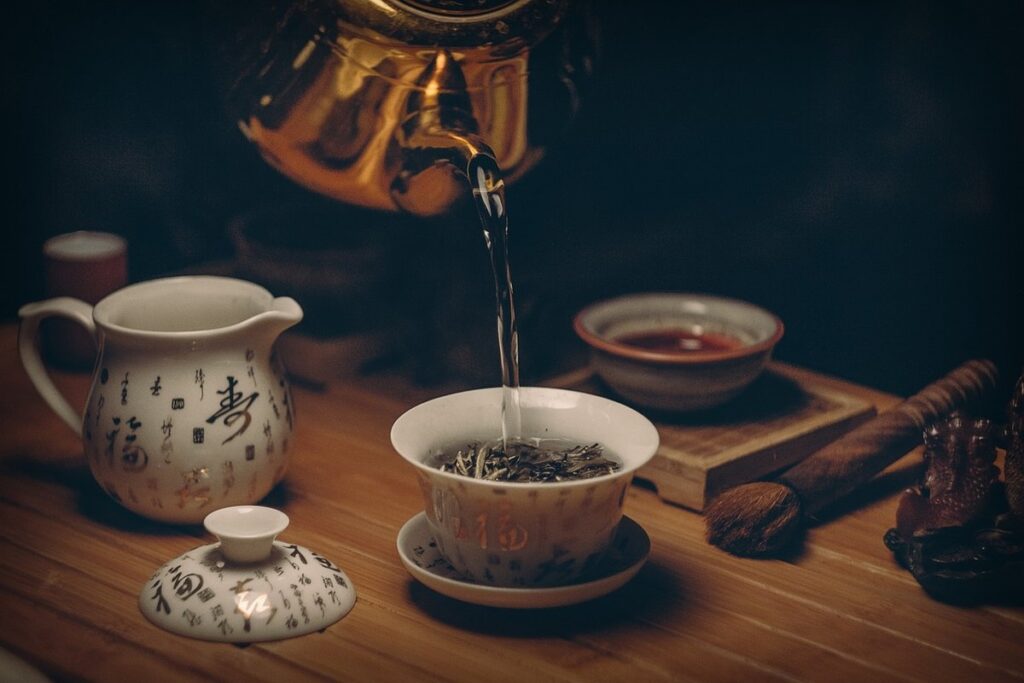
The Risks and Benefits of Feeding Tea Leaves to Chickens
While tea leaves can be a nutritious addition to your chickens’ diet, there are potential risks you should consider before making them a regular snack. We’ll weigh these pros and cons in this next section.
What are Tea Leaves?
Tea leaves are a natural and often overlooked ingredient that can be beneficial for chickens. But before we dive into their potential uses, let’s take a closer look at what they actually are.
There are several types of tea leaves, including black, green, white, oolong, and herbal teas. Black tea, which is one of the most commonly consumed types, comes from the Camellia sinensis plant, while herbal teas can be made from a wide range of plants such as peppermint, chamomile, or lemongrass.
Green tea leaves, on the other hand, are also derived from the Camellia sinensis plant but are harvested earlier and have not undergone fermentation. White tea leaves are picked before they’re fully open, giving them a delicate flavor. Oolong tea is partially fermented, which sets it apart from black and green teas.
When foraging or considering supplementing with tea leaves, keep in mind that the type of tea can impact its safety and nutritional value for your chickens. Some herbal teas may contain high levels of caffeine, which should be avoided altogether as it’s toxic to chickens.
Nutritional Value of Tea Leaves for Chickens
When it comes to the nutritional value of tea leaves for chickens, there’s a lot to consider. On one hand, tea leaves are rich in vitamins and minerals that can be beneficial for our feathered friends. For instance, tea leaves contain vitamin C, which is essential for chicken health as it supports immune function and collagen production. Additionally, tea leaves are a good source of potassium, an electrolyte that helps maintain proper fluid balance and supports muscle function.
However, the nutritional benefits of tea leaves for chickens don’t stop there. They also contain antioxidants like flavonoids and catechins, which can help protect against oxidative stress and inflammation in the body. This is especially important for chickens as they are prone to respiratory issues and other health problems that can be exacerbated by environmental stressors.
When offering tea leaves to your flock, make sure to provide a small amount (about 1-2% of their daily diet) and mix it with their regular feed to avoid digestive upset. Also, keep in mind that tea leaves should not replace essential nutrients like protein, calcium, and phosphorus that are crucial for chicken growth and development.
Health Risks Associated with Feeding Tea Leaves to Chickens
While tea leaves might be a tasty treat for you, they can pose serious health risks to your flock if fed in excess. Let’s dive into the potential dangers of feeding tea leaves to your chickens.
Toxic Compounds in Tea Leaves
When it comes to feeding tea leaves to chickens, one of the major concerns is the presence of toxic compounds. Tea leaves contain a range of substances that can be detrimental to chicken health, with caffeine being one of the most significant threats.
Caffeine is a known stimulant in humans, but for chickens, it can cause serious problems, including hyperactivity, tremors, and even death. In fact, as little as 1/4 teaspoon of dry tea leaves per pound of feed has been shown to be toxic to chickens. Tannins are another compound found in tea leaves that can cause issues for your flock.
Tannins can bind to protein in the chicken’s diet, making essential nutrients unavailable to them. This can lead to a range of health problems, including stunted growth and reduced egg production. It’s also worth noting that some tea varieties contain other substances like pesticides or heavy metals, which can be particularly hazardous for chickens.
To avoid these risks, it’s best not to feed your chickens tea leaves at all. If you’re looking for alternative treats for your flock, consider opting for safe options like leafy greens or fresh fruits instead.
Intestinal Blockages from Eating Tea Leaves
If you’ve been feeding tea leaves to your chickens as a way to supplement their diet, it’s essential to be aware of a potentially serious health risk: intestinal blockages. While the occasional snack won’t cause harm, consuming large amounts or overindulging can lead to a blockage in the intestines.
Chickens that eat too many tea leaves may experience symptoms such as lethargy, lack of appetite, and changes in droppings. If left untreated, this condition can be fatal. Tea leaves are high in fiber, which can expand within the digestive system, causing an obstruction if ingested excessively. It’s crucial to monitor your chickens’ intake carefully.
To avoid intestinal blockages, consider these precautions: limit tea leaf consumption to no more than 10% of their total diet and provide a balanced feed as the primary source of nutrition. Additionally, avoid feeding large amounts at once, instead spreading out portions throughout the day. Regularly check for signs of distress in your flock, such as vomiting or straining while defecating, and consult with a veterinarian if you notice any unusual behavior.
Can Chickens Digest Tea Leaves?
When it comes to digesting tea leaves, chickens have some unique abilities and limitations that are worth exploring. Let’s take a closer look at how their digestive systems handle this type of plant material.
How Chickens Process Plant Material
When chickens eat plant material like tea leaves, they first encounter it in their beak. As they peck at the leaves, they’re breaking them down into smaller pieces that are easier to digest. But how exactly do they process these plant materials? It all starts with their unique digestive system.
Chickens have a specialized organ called the gizzard, located between their crop and small intestine. The gittery lining of the gizzard acts as a grinder, crushing any tough or fibrous plant material into smaller particles. This is especially important for breaking down seeds, roots, and leafy greens like tea leaves. As food passes through the gizzard, it’s mixed with digestive enzymes that help break down complex carbohydrates.
The partially digested food then moves to the small intestine where most of our nutrient absorption occurs. Here, proteins, vitamins, and minerals are extracted from the plant material. The remaining waste is eliminated in the chicken’s droppings. So, when considering whether chickens can eat tea leaves, it’s essential to remember that their digestive system is specifically designed to handle a diverse range of plant-based foods, including leaves like those found in tea plants.
Factors Affecting Digestibility
When it comes to whether chickens can digest tea leaves, several factors come into play that can affect their ability to do so. One crucial factor is a chicken’s age. Baby chicks, for instance, have a more delicate digestive system than adult hens and may struggle with processing certain compounds found in tea leaves.
A chicken’s overall health also plays a significant role in digestibility. Chickens with underlying health issues or compromised immune systems may not be able to break down the complex chemicals present in tea leaves as efficiently. This is because their digestive system may already be under stress, making it harder for them to process new substances.
Furthermore, a chicken’s regular diet can also influence their ability to digest tea leaves. A balanced and nutrient-rich diet can help support a healthy gut, allowing chickens to process tea leaves more effectively. On the other hand, an unbalanced or limited diet may leave their digestive system weakened, making it harder for them to digest tea leaves.
In general, it’s essential to introduce new substances like tea leaves gradually and in moderation to give your chicken’s digestive system time to adjust. Start by offering small amounts of plain tea leaves, and monitor your chicken’s behavior and stool quality closely before increasing the quantity or adding other herbs.
Preparing and Feeding Tea Leaves to Chickens
Before offering tea leaves to your flock, it’s essential to understand how to properly prepare them. Learn how to clean, chop, and serve tea leaves safely for your chickens.
Safe Methods for Preparing Tea Leaves
When preparing tea leaves for feeding to your chickens, it’s essential to do so safely to prevent contamination and ensure they’re palatable. First, let’s talk about drying the tea leaves. If you’ve collected fresh leaves from your garden or purchased them loose-leaf, air-drying is a great option. Simply spread the leaves out in a single layer on paper bags or a wire rack, allowing them to dry completely.
Once dried, chop the leaves into smaller pieces using a sharp knife or herb chopper. This will help prevent any large pieces from causing digestive issues. Some chicken owners mix tea leaves with other foods, such as mealworms or oats, to create a balanced and flavorful feed. A general rule of thumb is to start with small amounts (about 1-2% of their diet) and gradually increase the proportion based on your chickens’ preferences.
Make sure to store any prepared tea leaf mixture in an airtight container, keeping it fresh for up to three days. When feeding, sprinkle the mix into their feeders or offer it as a treat. Remember, introducing new foods always comes with risks, so monitor your flock’s behavior and adjust accordingly.
Feeding Guidelines and Ratios
When it comes to feeding tea leaves to your chickens, understanding the right quantities and ratios is crucial. As a general rule of thumb, you should provide no more than 10% of their daily diet with fresh tea leaves. This means if your chicken consumes about 1 pound of feed per day, only offer them up to 2 ounces (about 57 grams) of fresh tea leaves.
Keep in mind that the ideal amount may vary depending on your chickens’ age, breed, and health conditions. For instance, younger chickens may require smaller quantities due to their sensitive digestive systems, while older birds might benefit from a slightly higher intake. Some breeds, like Silkies or Polish hens, are more prone to obesity so you’ll need to monitor them closely.
If you’re feeding your flock with tea leaves regularly, make sure to provide a balanced diet that includes a mix of nutrient-rich feeds and supplements. This will prevent any deficiencies and ensure your chickens stay healthy. It’s also worth noting that some tea varieties may be more suitable for your flock than others, so experiment and observe their response accordingly.
Alternatives to Tea Leaves in Chicken Diets
If you’ve decided tea leaves aren’t for your flock, there are some great alternatives to consider that can provide similar nutritional benefits. Let’s explore a few options together.
Other Herbal Options
If you’re concerned about the potential risks associated with tea leaves in your chicken’s diet, there are several other herbal options that can provide similar nutritional benefits. For example, you can consider adding parsley to their feed, as it is rich in vitamin C and antioxidants. Another option is dandelion greens, which are high in vitamins A, C, and K, as well as minerals like potassium and iron.
Rosemary and thyme are also great alternatives, offering a boost of antioxidants and essential oils that can help support your chicken’s immune system. These herbs are easy to grow at home or can be purchased from local farmers’ markets. To incorporate them into your chicken’s diet, simply chop the fresh leaves and add them to their feed in moderation – a good rule of thumb is about 1-2 tablespoons per pound of food.
Remember to introduce new herbs gradually to prevent digestive upset, and always choose organic options whenever possible to minimize pesticide exposure. By exploring these alternative herbal options, you can provide your chickens with the nutrients they need without exposing them to the potential risks associated with tea leaves.
Commercial Feed Supplements
When it comes to ensuring our feathered friends are getting all the nutrients they need, commercial feed supplements can be a convenient and effective solution. These products are specifically designed to fill gaps in a chicken’s diet, providing essential vitamins and minerals that might be lacking.
One of the main benefits of using commercial feed supplements is their convenience. They’re easy to incorporate into your flock’s routine, often simply by mixing them with their regular feed. This makes it simple to support a balanced diet, especially during times when access to fresh foraging may be limited.
Some popular types of commercial feed supplements include probiotics, which promote digestive health; omega-3 fatty acids, which support skin and feather health; and calcium supplements, which are essential for strong eggshell production. However, it’s worth noting that over-supplementation can lead to an imbalance in your chicken’s diet.
When choosing a supplement, be sure to read the ingredient list carefully and follow the manufacturer’s instructions for use. This will help you avoid any potential drawbacks and ensure that your flock is getting everything they need to thrive.
Conclusion: Can Chickens Eat Tea Leaves?
Now that we’ve weighed the pros and cons, it’s time to summarize our findings and give you a clear answer on whether chickens can safely snack on tea leaves. Let’s wrap up!
Recap of Key Points
As we conclude our exploration of whether chickens can eat tea leaves, let’s summarize the key takeaways. Feeding tea leaves to your flock can have both benefits and risks. On the one hand, tea leaves are a nutrient-rich food source that provides essential vitamins and minerals like potassium, magnesium, and iron.
However, there are also potential drawbacks to consider. Tea leaves contain caffeine, which is toxic to chickens in large amounts. Consuming excessive levels of caffeine can cause symptoms such as restlessness, tremors, and even death. Additionally, tea leaves may also be contaminated with pesticides or other chemicals that can harm your birds’ health.
To safely incorporate tea leaves into your flock’s diet, start by introducing small amounts (about 1-2% of their daily feed) and monitor their behavior closely for any signs of distress. Also, ensure the tea leaves are organic and free from any contaminants. By being mindful of these factors, you can provide your chickens with a nutritious and delicious treat while minimizing potential risks.
Final Recommendations
If you’re considering adding tea leaves to your flock’s diet, take into account their individual needs and circumstances. If your chickens have access to a secure outdoor enclosure with plenty of space to forage, they might benefit from occasional treats like tea leaves.
However, if your birds are confined to a small coop or are fed commercial feed as their primary nutrition source, it’s better not to incorporate tea leaves into their diet. In this case, the potential risks associated with consuming large amounts of tea may outweigh any benefits.
When deciding whether to offer tea leaves, consider your flock’s age, health status, and nutritional requirements. If you do decide to provide them as a treat, introduce them in moderation (about 1-2% of their total diet). Monitor your birds’ behavior and adjust accordingly to avoid overfeeding or underfeeding based on their individual needs.
Frequently Asked Questions
Can I use any type of tea leaves, or are some safer than others?
While it’s best to avoid giving your chickens tea leaves with high levels of caffeine or added sugars, herbal teas like peppermint, chamomile, and lemongrass can be a safe choice. Stick to plain, organic tea leaves without additives for the best results.
How do I prepare tea leaves safely for my flock?
To minimize potential health risks, dry the tea leaves thoroughly before giving them to your chickens. This will help reduce moisture content and prevent mold growth. You can also steep the dried tea leaves in hot water, then let it cool before feeding it to your birds.
Will introducing tea leaves into my chickens’ diet affect their appetite or digestion?
Some backyard chicken keepers report that adding tea leaves to their flock’s feed can stimulate appetite and improve digestion. However, monitor your chickens closely for any changes in behavior or health. If you notice any adverse effects, consider adjusting the amount or type of tea leaves.
Can I mix tea leaves with other herbal options or supplements?
Yes, but be cautious when combining multiple ingredients to avoid overloading your flock’s digestive system. Introduce new herbs and supplements gradually and observe your chickens for signs of stress or discomfort before making any long-term changes.
How often can I feed my chickens tea leaves, and in what quantities?
As a general rule, limit tea leaves to no more than 5-10% of your flock’s daily feed intake. You can offer them as a treat or mix with their regular feed once or twice a week. Keep an eye on your chickens’ weight and adjust the amount accordingly to avoid overfeeding.