
If you’re a chicken owner, you’ve probably considered getting creative with their feed. One question that comes up is whether chickens can safely enjoy the nutritious goodness of avocado skin. Avocado skins are rich in fiber, vitamins, and minerals, making them a tempting addition to your flock’s diet. But before you start tossing those skins into the coop, it’s essential to know the potential benefits and risks for layer and meat chickens alike. In this article, we’ll delve into the nutritional value of avocado skin, discuss its safety for consumption, and provide tips on how to incorporate it into your chicken’s diet. By the end, you’ll have a better understanding of whether feeding avocado skin to your chickens is a good idea – and how to do it safely if you decide to give it a try.
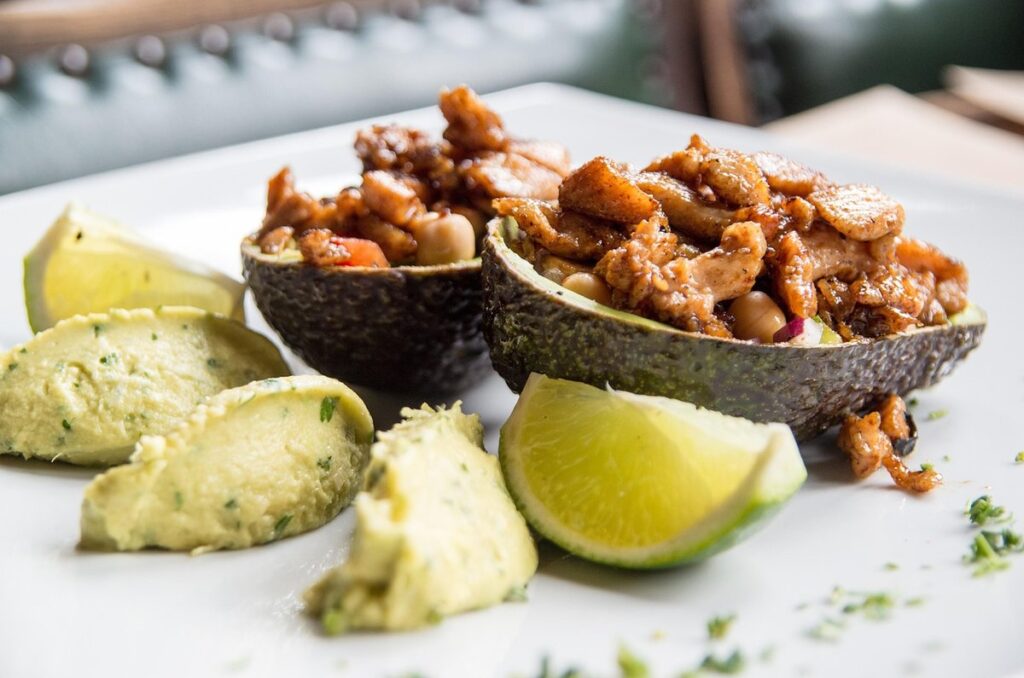
What is Avocado Skin?
Avocado skin is a common byproduct of eating avocados, but what exactly is it and how does it differ from the edible flesh inside the fruit? Let’s take a closer look.
Definition and Composition
Avocado skin is not just a discarded byproduct of eating avocados; it’s also a rich source of nutrients. Its composition is similar to the fruit itself, with a high water content and a blend of carbohydrates, fiber, and healthy fats. Avocado skin is particularly rich in antioxidants like vitamin E and polyphenols, which have been shown to reduce inflammation and protect against chronic diseases.
For humans, consuming avocado skin can provide numerous health benefits, including improved heart health, enhanced digestion, and even cancer prevention. The fiber content in avocado skin helps regulate bowel movements, while its healthy fats support brain function and may help lower cholesterol levels.
Interestingly, the nutritional value of avocado skin is not significantly different from that of the fruit itself, except for a slightly higher concentration of certain antioxidants. This makes it an excellent addition to smoothies or salads, providing a concentrated dose of nutrients without any added calories. As you consider feeding avocado skin to your chickens, keep in mind its potential benefits – but more importantly, let’s dive into whether it’s safe and healthy for them to consume.
Potential Risks to Humans
When considering feeding avocado skin to chickens, it’s essential to be aware of the potential risks associated with its consumption. One concern is pesticide residues that may be present on the skin due to conventional farming practices. Avocados are often treated with pesticides to control pests and diseases, which can then be absorbed by the skin. If you’re using conventionally grown avocados for your chickens, it’s best to remove or thoroughly wash the skin before feeding.
Some chicken owners may also be concerned about allergic reactions caused by consuming avocado skin. While rare, some birds may develop an allergy to avocado, leading to symptoms such as digestive issues, lethargy, or even respiratory problems. If you’re introducing avocado skin into your flock’s diet, monitor their behavior and health closely for any adverse reactions.
To minimize risks, use organic avocados whenever possible, and wash the skin thoroughly before feeding it to your chickens. Also, start with a small amount to gauge their tolerance and adjust accordingly.
Avocado Skin for Chickens: The Basics
So, you’re wondering how to safely feed your chickens avocado skin – let’s start by covering the basics of giving them this nutritious treat.
Nutritional Value
Avocado skin is often overlooked as a nutritious treat for chickens. However, it’s surprisingly rich in fiber, vitamins, and minerals that can be beneficial to their health. One medium-sized avocado peel contains around 7 grams of dietary fiber, which can help promote digestive health and support the growth of beneficial gut bacteria.
In addition to fiber, avocado skin is also a good source of various vitamins and minerals like potassium, vitamin C, and vitamin E. These nutrients are essential for maintaining strong immune systems, healthy feathers, and overall well-being in chickens.
When feeding your flock avocado skin, it’s best to chop or shred the peel into smaller pieces to prevent choking hazards. You can also mix it with other fruits or veggies to create a balanced and nutritious treat. A general rule of thumb is to provide about 1-2 teaspoons of chopped avocado skin per chicken per day.
Remember that moderation is key when introducing new foods to your chickens’ diet. Always consult with a veterinarian if you have concerns or questions about what to feed your flock.
Benefits for Chicken Health
Feeding avocado skin to chickens can have numerous benefits for their overall health. One of the most significant advantages is improved digestion. Avocado skin contains a high amount of fiber and various nutrients that help regulate bowel movements, reduce inflammation, and promote the growth of beneficial gut bacteria. This, in turn, can lead to healthier droppings, reduced incidence of parasites, and enhanced nutrient absorption.
In addition to digestive benefits, avocado skin also provides essential vitamins and minerals that boost a chicken’s immune system. Rich in antioxidants like vitamin E and C, it helps protect against oxidative stress and cell damage. Furthermore, the potassium content in avocado skin supports healthy blood pressure levels and muscle function.
To incorporate avocado skin into your chickens’ diet, simply chop or shred it finely and add it to their feed. A good starting point is 1-2 tablespoons per chicken per day. Be sure to introduce it gradually to prevent digestive upset. With its rich nutrient profile and potential health benefits, incorporating avocado skin into your flock’s diet can be a simple yet effective way to promote overall well-being.
Can Chickens Eat Avocado Skin Safely?
When it comes to giving your flock a healthy treat, you might wonder if avocado skin is safe for chickens to eat. Let’s dive into the details of feeding them avocado skin safely.
Risks Associated with Avocado Skin Consumption
While avocado skin can be nutritious for chickens, it’s essential to consider the potential risks associated with feeding it to them. One of the main concerns is the choking hazard posed by the rough texture and small size of avocado skin pieces. Chickens may accidentally inhale or swallow these pieces, which can cause respiratory problems or intestinal blockages.
Moreover, the high fiber content in avocado skin can also lead to gastrointestinal issues if fed excessively. If your chickens are not accustomed to eating a high-fiber diet, consuming large amounts of avocado skin can cause digestive upset, including diarrhea, constipation, or even impaction. It’s crucial to introduce avocado skin gradually and in moderation to allow their digestive system to adjust.
To minimize these risks, ensure that you only feed small amounts of finely chopped avocado skin as an occasional treat, not a regular supplement. Also, make sure your chickens have access to plenty of fresh water to stay hydrated while adjusting to the new food.
Precautions for Safe Feeding
When it comes to safely feeding avocado skin to your flock, proper preparation and moderation are key. To start, ensure you’re only giving your chickens the skin from ripe avocados, as unripe or green skins may contain a toxic compound called persin.
Before offering avocado skin as a treat, always remove any seeds, pits, or other hard materials that can cause harm to your birds. You can also roast the skin in the oven for about 10-15 minutes to enhance its nutritional value and make it more palatable for your chickens.
As with any new food introduction, start by offering small amounts (about 1-2 tablespoons per chicken) to gauge their reaction. Monitor your flock’s behavior, droppings, and overall health for signs of digestive upset or intolerance.
Remember that avocado skin should not be a staple in your flock’s diet; it’s best reserved as an occasional treat (no more than once or twice a week). A balanced commercial feed should still remain the primary source of nutrition for your chickens.
Benefits for Specific Chicken Needs
If you’re caring for a flock with specific needs, such as chickens recovering from illness or molting, you might wonder how avocado skin can help.
For Layers (Egg-Laying Chickens)
Feeding avocado skin to layer chickens can have numerous benefits. One of the most significant advantages is its potential to improve egg quality. The high levels of antioxidants and healthy fats present in avocado skin may help reduce the risk of cracked eggs, improve yolk color, and increase overall eggshell thickness.
In addition to improved egg quality, feeding avocado skin may also enhance fertility in layer chickens. Avocado skin contains a range of essential fatty acids, including oleic acid and linoleic acid, which are known to promote healthy reproductive function. A study conducted on hens found that supplementing their diet with olive oil, rich in oleic acid, improved egg production rates and enhanced overall reproductive health.
To incorporate avocado skin into your layer chickens’ diet, simply dry the skins thoroughly after cutting open an avocado, then chop or grind them into small pieces to mix into their feed. A general guideline is to start with a small amount (about 1-2% of their daily diet) and gradually increase as needed to monitor for any adverse effects. As always, ensure your chickens have access to fresh water at all times when introducing new foods to their diet.
For Meat Chickens
If you’re raising meat chickens for butchering, feeding them avocado skin can be a nutritious and beneficial addition to their diet. Research has shown that guacamole’s waste byproduct is rich in healthy fats, fiber, and various essential vitamins and minerals like potassium, vitamin C, and vitamin E.
These nutrients play a crucial role in supporting optimal growth rates and muscle development in chickens. For instance, a study conducted on broiler chickens revealed that supplementing their diet with avocado skins resulted in improved feed efficiency and reduced inflammation levels.
In practical terms, you can start by adding finely chopped or pureed avocado skin to your chicken’s feed at the rate of about 5-7% of their total daily ration. Make sure not to overdo it, as excessive avocado consumption may cause gastrointestinal upset. To avoid this risk, integrate small amounts gradually into their diet.
Monitoring your flock’s performance closely will help you determine the optimal amount and frequency for your specific meat chickens. By incorporating avocado skin into their diet in moderation, you can potentially enhance muscle mass and growth rates while providing a more balanced nutrient profile.
Avocado Skin vs. Other Treats for Chickens
If you’re considering feeding your flock avocado skin, it’s essential to weigh its benefits against other popular treats that are safe and healthy for chickens. Let’s explore some alternatives!
Comparison with Other Fruits and Vegetables
When it comes to giving your chickens a tasty treat, you may be wondering if avocado skin is the best option. While avocado skin can be a nutritious addition to their diet, it’s essential to compare its nutritional value and safety with other fruits and vegetables commonly fed to chickens.
Some popular alternatives include carrots, sweet potatoes, and apples. Carrots are rich in fiber and beta-carotene, which converts to vitamin A in the chicken’s body. Sweet potatoes are an excellent source of vitamins A and C, potassium, and iron. Apples provide a crunchy snack with a good dose of fiber, antioxidants, and vitamins.
Avocado skin, on the other hand, contains more nutrients than you might expect. It’s rich in healthy fats, vitamins C and E, and various minerals like potassium and magnesium. However, its nutritional profile is similar to that of leafy greens like kale or spinach. Both are high in fiber, vitamins, and minerals but relatively low in calories.
If you’re looking for a treat with a slightly higher calorie count, consider offering your chickens sliced apples or berries. These fruits provide a natural source of energy without the risk of overfeeding on nutrient-dense treats.
Alternatives to Avocado Skin
If you’re not keen on sharing avocado skin with your flock or have concerns about its safety, there are plenty of other treats that can provide similar benefits for chickens. One popular alternative is dried mealworms. These nutritious little morsels are rich in protein and calcium, making them an excellent choice to support strong eggshell production and overall health.
Another option is sunflower seeds. These tasty treats are a great source of healthy fats, vitamins, and minerals that can help keep your chickens’ beaks and feathers in top condition. You can offer them whole or chopped, depending on your flock’s preferences.
You can also try giving your chickens crushed eggshells as a calcium supplement. Not only will this provide them with essential nutrients for strong bones and eggshell production, but it’ll also help keep their digestive system healthy by providing a source of grit.
When introducing new treats to your flock, be sure to do so in moderation and monitor their behavior for any signs of digestive upset. Start with small amounts and gradually increase the quantity based on their individual needs and preferences.
Conclusion and Final Recommendations
Now that we’ve explored whether chickens can eat avocado skin, let’s summarize what we’ve learned and make some final recommendations for your feathered friends.
Summary of Key Points
In conclusion, feeding avocado skin to chickens can be a nutritious and beneficial addition to their diet. We’ve discussed the potential benefits of incorporating avocado skin into your flock’s meals, including its high nutritional value, rich in fiber, vitamins, and minerals that support healthy digestion and immune function.
Some key points to remember include:
* Avocado skin is high in antioxidants, which can help protect chickens from oxidative stress and inflammation.
* A small amount of avocado skin can provide a significant boost to your flock’s nutrient intake.
* Be cautious not to overfeed your chickens with avocado skin, as it’s high in fat content and excessive consumption can lead to digestive issues.
To safely incorporate avocado skin into your chickens’ diet, remember to:
* Only use organic, pesticide-free avocados
* Chop or shred the skin finely before adding it to their meals
* Introduce small amounts gradually to prevent digestive upset
By following these guidelines, you can give your flock a tasty and nutritious treat that supports their overall health and well-being.
Final Thoughts and Advice
If you’ve decided to give avocado skin a try with your flock, remember that moderation is key. While it’s safe for chickens to consume small amounts of avocado skin, overfeeding can lead to digestive issues and other health problems.
To incorporate avocado skin into their diet safely, make sure to only offer small pieces as an occasional treat. A good rule of thumb is to limit the amount of skin to about 10-15% of your chicken’s daily caloric intake. This will not only prevent overfeeding but also allow your birds to reap the benefits of this nutritious food.
When offering avocado skin, be sure to remove any tough or fibrous parts that may cause choking hazards. Also, be mindful of your chickens’ individual preferences and adjust the amount accordingly. Some birds might love it, while others might not be so fond of the texture.
By introducing avocado skin in a controlled manner, you can provide your flock with a nutrient-rich treat that supports their overall health and well-being.
Frequently Asked Questions
Can I give avocado skin to my chickens immediately after harvesting or buying avocados?
Yes, you can start feeding your flock with avocado skins right away. Just make sure to wash the skin thoroughly under cold running water to remove any pesticide residues or dirt that may be present on the surface.
How do I incorporate avocado skin into my chicken’s regular diet safely and effectively?
To ensure safe consumption, introduce avocado skin gradually as a supplement (about 5-10% of their daily feed) over a period of 1-2 weeks. Start with small amounts to prevent digestive issues and adjust according to your flock’s response.
What are some potential health issues I should be aware of when feeding my chickens avocado skins?
As with any new food, monitor your flock closely for signs of gastrointestinal upset or allergic reactions such as diarrhea, vomiting, or lethargy. Also, consider the overall nutritional balance in their diet and adjust accordingly to avoid nutrient imbalances.
Can I feed avocado skin to both layer and meat chickens, or are there specific considerations?
Both types can benefit from avocado skin, but it’s essential to note that layers may require a higher concentration of nutrients due to their egg-laying needs. Meat chickens might need more fat content for muscle development; consult with your veterinarian or poultry expert for personalized recommendations.
How long does avocado skin stay fresh and safe to consume by my flock?
Avocado skins can be safely stored in an airtight container in the refrigerator for up to 3-5 days. Freeze them if you won’t use them within this timeframe. Always check for mold, sliminess, or unusual odors before feeding your chickens.