
Are you considering feeding your flock raw meat as a treat or thinking about making it a staple in their diet? If so, you’re probably wondering if chickens can safely eat raw meat. While it may seem like a convenient and protein-rich option, there are some serious concerns to consider before making this decision. Raw meat can pose significant health risks to your birds, from bacterial contamination to nutritional deficiencies that can have long-term effects on their well-being. In this article, we’ll dive into the risks of feeding raw meat to chickens, explore safe alternatives, and discuss how to ensure your flock stays healthy and thriving.
Risks Associated with Feeding Raw Meat to Chickens
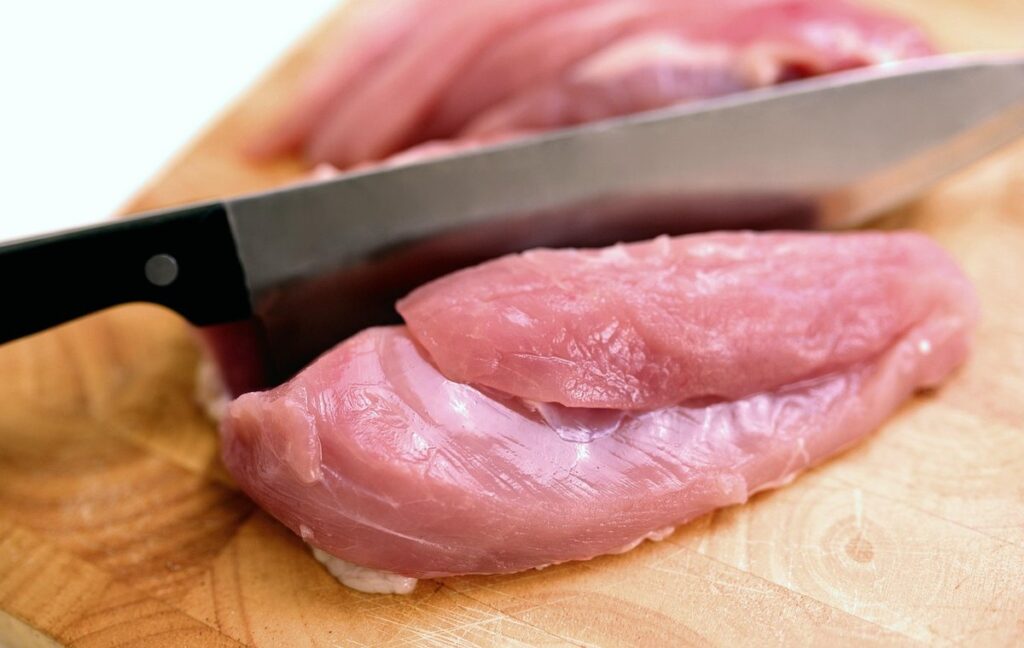
While feeding raw meat to chickens can be tempting, it’s essential to consider the potential risks involved. We’ll explore the dangers of feeding raw meat to your flock in this section.
Nutritional Deficiencies and Toxicities
Feeding raw meat to chickens can lead to nutritional deficiencies and toxicities if not done properly. Chickens have specific dietary requirements that are easily met with a balanced layer feed or pellets, but these needs can be compromised when relying on raw meat as a primary source of nutrition.
A diet rich in raw meat can lead to an imbalanced calcium-to-phosphorus ratio, causing softening of the bones and eggshell problems. For example, if you’re feeding your chickens only raw chicken, they may develop deficiencies in protein, vitamin D3, or essential amino acids. Additionally, a diet lacking fiber from plant-based foods can cause digestive issues.
Chickens are also at risk of consuming contaminated or spoiled meat, which can lead to food poisoning and other health problems. Bacteria like Salmonella and E. coli can thrive on raw meat, especially if it’s not stored properly. To minimize these risks, it’s essential to source high-quality meat from trusted suppliers, store it safely, and ensure proper handling practices are followed.
In extreme cases, a diet consisting mainly of raw meat can lead to vitamin deficiencies such as vitamin A or E deficiency. These deficiencies can cause impaired immune function, feather loss, or even organ damage.
Bacterial Contamination and Food Safety Concerns
Feeding raw meat to chickens can be a recipe for disaster when it comes to bacterial contamination. One of the most significant concerns is E. coli, which can cause severe food poisoning in humans and chickens alike. Salmonella is another notorious bacteria that thrives on raw meat, and feeding it to your flock can lead to a buildup of this pathogen in their gut and droppings.
But what about Campylobacter? This bacteria is commonly found on raw poultry products and can cause symptoms like diarrhea, abdominal cramps, and fever in both chickens and humans. When you feed raw meat to your chickens, you’re essentially introducing these pathogens into their digestive system, which can lead to a host of health problems.
The best way to avoid bacterial contamination is to stick with cooked or pasteurized foods that have been specifically formulated for poultry consumption. If you insist on feeding raw meat, make sure it’s properly handled and stored to minimize the risk of contamination. However, even then, there’s no guarantee that your chickens won’t develop health issues down the line.
Consider this: according to a study published in the Journal of Applied Poultry Research, 70% of backyard chicken flocks tested positive for Campylobacter bacteria. That’s a staggering statistic, and it highlights the importance of prioritizing food safety when feeding your flock. By opting for safer alternatives like cooked foods or nutrient-rich pellets, you can minimize the risks associated with bacterial contamination and keep your chickens healthy and happy.
Benefits of a Balanced Diet for Chickens
A balanced diet is crucial for your chickens’ overall health, and providing them with the right nutrients can have numerous benefits, such as boosted immunity. Let’s explore what these advantages are.
Importance of Adequate Nutrition for Flock Health
Providing your flock with a balanced diet is crucial to maintaining their overall health and well-being. A chicken’s nutritional needs are complex and require attention to ensure they receive the necessary nutrients for optimal health. When you neglect their dietary requirements, it can lead to various health issues, including reproductive problems, weakened immune systems, and even mortality.
A poor-quality diet can also impact egg production in hens, reducing fertility and affecting the quality of eggs. Inadequate nutrition has been linked to increased susceptibility to diseases such as coccidiosis, a common intestinal disease that affects many chicken flocks worldwide.
To provide adequate nutrition for your flock, it’s essential to offer a balanced mix of grains, vegetables, fruits, and proteins. Consider consulting with a poultry expert or veterinarian to determine the best diet plan for your specific flock needs. A well-planned diet will not only improve overall health but also boost egg production and reduce disease susceptibility.
The Role of Commercial Chicken Feed in Maintaining Flock Health
A balanced diet for chickens is crucial for maintaining their overall health and well-being. When it comes to commercial chicken feed, its role in promoting flock health cannot be overstated. This type of feed is carefully formulated to provide all the necessary nutrients, vitamins, and minerals that chickens require to thrive.
One key aspect of commercial chicken feed is its ability to support the development of a strong immune system. By consuming this feed regularly, chickens are less likely to fall ill to common diseases such as coccidiosis or Marek’s disease. In fact, many farmers have reported significant reductions in illness and mortality rates after switching their flock to a high-quality commercial feed.
It’s worth noting that while commercial chicken feed is essential for maintaining health, it should be complemented with a balanced diet of fruits and vegetables. Adding small amounts of fresh produce to the mix can provide valuable antioxidants and other beneficial nutrients. For instance, feeding chickens apples or carrots in moderation can help support their digestive system and promote overall well-being.
In fact, studies have shown that flocks consuming commercial feed supplemented with fresh produce tend to exhibit improved egg production and better feather quality compared to those on a standard diet alone. By combining commercial chicken feed with a nutritious selection of fruits and vegetables, you can create a winning formula for maintaining the health and happiness of your flock.
Can Chickens Digest Raw Meat Effectively?
When it comes to feeding your flock raw meat, one major concern is whether chickens can effectively digest this type of protein. Let’s dive into the details.
Understanding Chicken Anatomy and Digestive System
To determine whether chickens can digest raw meat effectively, it’s essential to understand their anatomy and digestive system. Chickens have a unique digestive tract designed specifically for their omnivorous diet.
Their beaks are equipped with tiny, backward-facing serrations that help tear food into manageable pieces, while their gizzards act as natural grinding stones to further break down their food. The muscular walls of the gizzard contract and relax to grind the food particles against the inner lining, making it easier for digestive enzymes to access.
Chickens have a relatively short gastrointestinal tract compared to other animals, which allows them to quickly process and extract nutrients from their diet. Their small intestine, in particular, is responsible for absorbing essential vitamins and minerals, including those found in raw meat. However, the efficiency of this system can be affected by factors such as nutrient balance, dietary diversity, and environmental conditions.
When feeding chickens raw meat, it’s crucial to consider these anatomical and physiological aspects to ensure they receive the necessary nutrients without compromising their digestive health.
Comparison with Omnivorous Animals and Their Ability to Process Raw Meat
When it comes to digesting raw meat, omnivorous animals like dogs and pigs have an advantage over chickens. These animals have a unique digestive system that allows them to break down protein-rich foods efficiently. In contrast, chickens are primarily designed to eat plant-based diets supplemented with grains. While they can be fed small amounts of animal fat or bone meal, their digestive system is not equipped to handle large quantities of raw meat.
Studies have shown that even when fed raw meat, chickens will often excrete it undigested in their droppings. This suggests that their digestive system is unable to process the complex proteins found in raw meat effectively. In fact, feeding chickens too much raw meat can lead to nutrient deficiencies and other health problems. If you’re looking to include raw meat in your chicken’s diet, it’s essential to do so in moderation (no more than 10% of their total caloric intake) and under close supervision.
To make raw meat a safe and healthy option for your flock, consider consulting with a veterinarian or poultry expert to determine the best feeding schedule and quantities.
Types of Raw Meat and Their Suitability for Chickens
Raw meat can be a nutritious treat for your chickens, but not all types are suitable for them. Let’s explore which raw meats are safe and healthy for your feathered friends to enjoy.
Organs and Bones as a Source of Nutrients
Including organs and bones as part of your chicken’s diet can provide essential nutrients that may be lacking in their regular feed. For instance, organ meats such as liver are rich in vitamin A, which is vital for a chicken’s vision, immune system, and overall health. Kidneys, on the other hand, are an excellent source of iron, copper, and zinc.
When it comes to bones, they are an essential component of a balanced diet as they provide calcium, phosphorus, and other minerals necessary for strong bone growth. Chicken necks or backs can be particularly beneficial, offering a rich source of cartilage that supports joint health.
You can include these nutritious additions in various ways: by mincing them and mixing into the feed, or by giving them as treats after the main meal. A general rule of thumb is to provide about 1-2% of your chicken’s body weight in organ meats per week. For example, if you have a 5-pound chicken, aim for around 0.05-0.10 pounds (2.5-5 ounces) of organs or bones weekly. Remember to introduce these new foods gradually and in moderation to prevent digestive upset.
Risks Associated with Feeding High-Risk Meats (e.g., raw pork, wild game)
Feeding high-risk meats like raw pork and wild game to chickens can pose serious health risks. One of the primary concerns is Trichinella parasite infestation. Raw pork, for instance, contains Trichinella spiralis, which can cause trichinosis in both humans and animals if ingested. If you’re considering feeding your flock wild game, be aware that Trichinella parasites are also present in certain types of wild game meat.
Raw or undercooked poultry products can harbor Salmonella bacteria, which is a significant concern for chicken health and human safety. When handling high-risk meats, it’s essential to take precautions to avoid cross-contamination with other foods, surfaces, and your flock. Always store raw meat in sealed containers and wash your hands thoroughly after handling.
If you still choose to feed your chickens high-risk meats, make sure to follow proper cooking procedures first. Cooking the meat at a minimum internal temperature of 165°F (74°C) can help kill parasites and bacteria. However, it’s crucial to note that even cooked high-risk meats may not be entirely safe for your flock. Consider consulting with a veterinarian or poultry expert before introducing these foods into your chickens’ diet.
Safe Alternatives to Raw Meat for Chickens
If you’ve decided that raw meat isn’t a good fit for your flock, don’t worry – there are plenty of safe alternatives to ensure they’re getting all the nutrients they need. Let’s explore some options together!
Cooked or Canned Meat Options
If you’re considering adding raw meat to your chicken’s diet, there are safer alternatives that can provide them with essential protein and nutrients. Cooked or canned meat is an excellent option for chickens, offering a convenient way to supplement their diets without the risks associated with raw meat.
When choosing cooked or canned meat for your flock, look for products that are low in sodium and free from added preservatives. Opting for plain, unseasoned meats like chicken breast, turkey, or beef can be beneficial. For example, you could add diced, cooked chicken to their feed or mix canned tuna into their treats.
Some popular options include cooked chicken or turkey, canned fish (such as salmon or sardines), and even hard-boiled eggs. When introducing these new foods, start with small amounts and monitor your flock’s reaction to prevent digestive upset. Always ensure the meat is fully cooled before offering it to your chickens to avoid foodborne illnesses. By incorporating cooked or canned meat into their diets, you can provide a safe alternative to raw meat that meets their nutritional needs.
Importance of Supplementing with Essential Nutrients
When it comes to keeping your chickens healthy and thriving, providing them with essential nutrients is crucial. A well-balanced diet that includes all necessary vitamins and minerals will help prevent deficiencies and ensure optimal health.
You might be wondering why this matters when considering the topic of raw meat for chickens. The truth is, while a little bit of raw meat may not seem like a big deal, it can lead to nutritional imbalances over time. This is particularly concerning if your chickens are already eating a high-protein feed or have other sources of essential nutrients in their diet.
A good quality layer feed should provide all the necessary nutrients for your hens. However, even with this foundation, you may still need to supplement with specific vitamins and minerals. For example, calcium and phosphorus play crucial roles in eggshell production and bone health. Adding crushed oyster shells or dark leafy greens can help support these areas.
By making sure your chickens have access to essential nutrients through their feed and supplements, you’ll be giving them the best chance at a happy, healthy life.
Best Practices for Feeding Chickens and Reducing Health Risks
To keep your flock healthy, it’s essential to understand how to safely feed them raw meat while minimizing health risks associated with this practice. We’ll share best practices to guide you.
Guidelines for Safe Handling and Storage of Raw Meat
When handling raw meat for your flock, it’s essential to prioritize cleanliness and prevent cross-contamination. Start by washing your hands thoroughly with soap and warm water before and after handling the meat. This simple step can significantly reduce the risk of transferring bacteria to your chickens.
Store raw meat in a covered container, keeping it away from direct sunlight and heat sources. If you’re freezing the meat, make sure to label it clearly and store it at 0°F (-18°C) or below. When thawing, do so in the refrigerator or cold water, never at room temperature.
Use dedicated cutting boards and utensils for raw meat, and sanitize them regularly with a mixture of one part white vinegar to nine parts water. Prevent cross-contamination by keeping raw meat separate from other foods, including fruits and vegetables that will be given to your chickens.
Remember, even with proper handling and storage, the risk of bacterial contamination remains high. Consider alternative protein sources for your flock, such as cooked or processed meats, which can minimize this risk altogether.
Recommendations for Integrated Pest Management (IPM) Strategies
When it comes to feeding chickens and reducing health risks, incorporating Integrated Pest Management (IPM) strategies is essential. IPM involves a holistic approach that considers the chicken’s diet, living conditions, and overall well-being. Here are some recommendations for implementing effective IPM strategies in your backyard flock.
A crucial aspect of IPM is identifying potential pest control methods that can harm your chickens. These include using toxic pesticides, herbicides, or fungicides, which can contaminate feed, water, or the environment. Instead, opt for natural and organic alternatives such as diatomaceous earth, citrus-based sprays, or nematodes to control pests.
To minimize health risks associated with raw meat consumption, focus on providing a balanced diet that includes fruits, vegetables, grains, and proteins from plant-based sources. Some examples of healthy protein-rich foods include mealworms, sunflower seeds, and squash. By incorporating these foods into your chicken’s diet, you can reduce the need for raw meat while maintaining their nutritional needs.
In addition to dietary adjustments, maintain a clean and hygienic environment by regularly cleaning feeders, waterers, and coops. This will help prevent disease outbreaks and ensure the overall health of your flock.
Frequently Asked Questions
Can I still feed my chickens raw meat if they seem to be healthy?
No, it’s not recommended to feed your chickens raw meat even if they appear healthy. Bacterial contamination can occur without visible symptoms, and nutritional deficiencies can have long-term effects on their well-being. A balanced commercial layer feed or pellets is a safer option.
How do I ensure my chickens are getting enough nutrients from a raw meat diet?
Feeding a diverse range of raw meats may help minimize the risk of nutritional deficiencies. However, it’s still challenging to provide a complete and balanced diet using raw meat alone. It’s recommended to consult with a veterinarian or poultry expert to create a customized feeding plan.
Can I feed my chickens high-risk meats like raw pork or wild game?
No, it’s not recommended to feed your chickens high-risk meats due to the potential for bacterial contamination and food safety concerns. These types of meat are more susceptible to harboring harmful bacteria like Salmonella and E. coli, which can be fatal to your flock.
How often should I provide raw meat as a treat or supplement?
Raw meat should not be provided frequently, as this can disrupt the balance of nutrients in their diet. Consider providing it no more than 1-2 times a week as an occasional treat, and always in moderation.
Can I use cooked or canned meat instead of raw meat?
Yes, using cooked or canned meat is a safer option for feeding your chickens. These forms of meat are less likely to harbor bacteria, and they can provide essential nutrients without the risks associated with raw meat. However, ensure that any added salt or preservatives do not pose health risks to your flock.