
Feeding your flock a balanced diet is crucial for their health, but have you ever wondered if cooked meat is a safe and nutritious addition to their menu? While chickens are omnivores and can eat a variety of foods, cooked meat presents some risks and benefits that you should consider. On one hand, cooking meat can make its nutrients more accessible to your chickens. However, it also introduces the risk of bacterial contamination, which can be deadly for your flock. In this article, we’ll delve into the world of cooked meat and explore the nutritional imbalances that can occur when feeding it to chickens, as well as the best cooking methods to preserve nutrients and minimize risks. By the end of this post, you’ll have a clear understanding of whether cooked meat is safe for your feathered friends to eat.
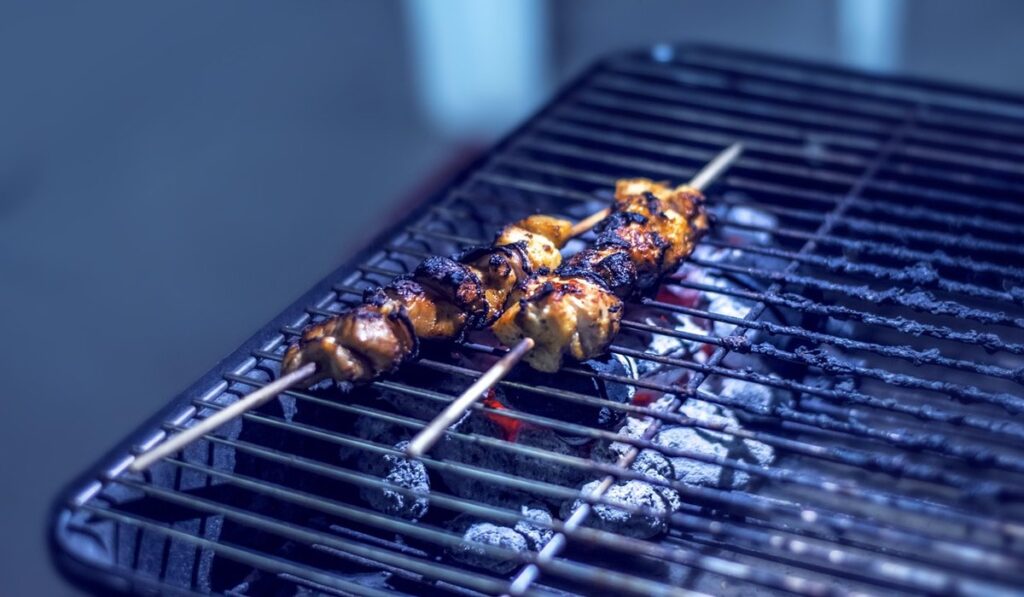
The Risks of Feeding Cooked Meat to Chickens
When you consider adding cooked meat to your chickens’ diet, it’s essential to weigh the benefits against the potential risks to their health and well-being. In this section, we’ll explore these concerns in more detail.
Nutritional Imbalance from Cooked Meat
When chickens are fed cooked meat excessively, it can lead to nutritional imbalances due to its high sodium and preservative content. A chicken’s diet is already sensitive to changes, and introducing processed foods like cooked meat can disrupt the delicate balance of their nutrient intake.
Sodium, in particular, can be a concern when feeding cooked meat to chickens. Excessive sodium consumption can cause water retention, leading to weight gain and potentially even kidney damage. It’s not just about moderation – feeding chickens cooked meat regularly can lead to chronic health issues.
Preservatives, commonly used in processed meats, are another reason to limit or avoid cooked meat in chicken feed altogether. These chemicals can be toxic to birds and have been linked to various health problems, including organ damage and cancer.
To maintain a balanced diet for your flock, it’s essential to provide them with a diverse range of whole foods, such as fruits, vegetables, and grains. Supplementing their diet with small amounts of plain, unprocessed meat is okay in moderation, but cooked meat should be limited or avoided altogether.
Bacterial Contamination from Cooked Meat
Feeding cooked meat to chickens can be a recipe for disaster, and it’s not just because of the risk of choking on bones or getting sick from undercooked food. The real danger lies in the bacterial contamination that cooked meat can harbor. Bacteria like Salmonella and Campylobacter are notorious for causing foodborne illnesses, and they love to thrive on cooked meat.
These bacteria can be transmitted to chickens through their food, leading to a host of health problems, including diarrhea, vomiting, and even death. It’s estimated that over 1 million people in the US alone get sick from Salmonella each year, and while this may not directly affect your flock, it’s still a reason to be cautious.
To put it simply: cooked meat is like a ticking time bomb of bacteria, waiting to unleash its fury on unsuspecting chickens. So, what can you do? Stick to feeding raw, fresh meat that’s been handled properly, or opt for commercial chicken feed that’s specifically designed to meet your flock’s nutritional needs. Trust us – it’s better to err on the side of caution when it comes to your feathered friends’ health and well-being.
Cooking Methods that Preserve Nutrients
When using cooked meat as a supplement for your chickens, it’s essential to choose methods that preserve nutrients. Steaming is one of the best ways to cook meat while retaining its nutritional value. This method uses minimal water and heat, which helps prevent the loss of vitamins and minerals. You can steam chicken or beef in a steamer basket over boiling water for 10-15 minutes.
Roasting is another cooking method that preserves nutrients, especially when done at lower temperatures (around 325°F). However, high-heat roasting can lead to nutrient loss. To minimize this risk, try finishing your meat with low heat after initial browning. Grilling and sautéing are not recommended for preserving nutrients as they involve high heat and water content.
To maximize the nutritional benefits of cooked meat for your chickens, consider cooking in smaller portions and using gentle heat. You can also add a splash of broth or stock to the pan to help retain moisture and flavors. Always check the internal temperature of your chicken before serving it to ensure food safety.
Benefits of Including Cooked Meat in a Chicken’s Diet
Including cooked meat in your chicken’s diet can have some surprising benefits, making it an interesting option to consider for their nutrition and health. Let’s explore these advantages together!
Protein Content and Quality
When it comes to protein content and quality, chickens have very specific needs. As a crucial component of their diet, protein plays a vital role in their growth, development, and overall health.
A chicken’s body requires a significant amount of protein to build and repair tissues, including muscles, bones, feathers, and skin. In fact, research suggests that 15-20% of a chicken’s daily calorie intake should come from protein-rich foods. Cooked meat is an excellent source of high-quality protein, containing all essential amino acids that chickens need.
Including cooked meat in your chicken’s diet can be especially beneficial if you’re raising young birds or those with specific nutritional requirements. For example, growing chicks require a higher protein intake to support rapid growth and development. Aiming for 20-25% protein content from cooked meat can help meet their needs.
When selecting cooked meat for your flock, opt for leaner cuts like chicken breast, turkey breast, or fish without bones. Cook the meat thoroughly to avoid any bacterial contamination and ensure it’s cooled before serving to prevent digestive issues.
Variety in the Diet
Including cooked meat in a chicken’s diet can add variety and reduce monotony. Chickens may be more inclined to eat a balanced meal if it includes different types of protein sources. Imagine feeding your flock the same old layer feed or scratch grains every day. It’s no wonder they often seem bored with their meals!
To introduce variety, consider adding cooked meat like chicken bones, beef, pork, or even fish (remove any seasonings or spices first). Chop the meat into bite-sized pieces and mix it with their regular feed to create a more interesting meal. You can also try making your own chicken soup using leftover vegetables and meat, then serving it as a treat.
A study found that chickens who had access to diverse food sources were healthier and happier than those on a monotonous diet. So, don’t be afraid to get creative with your flock’s meals! Offer them a mix of cooked meats, fruits, and veggies to ensure they’re getting all the nutrients they need. Your chickens will thank you for the culinary adventure.
How to Safely Introduce Cooked Meat into a Chicken’s Diet
When introducing cooked meat into your chicken’s diet, it’s essential to do so gradually and carefully to prevent digestive upset and maintain their overall health. This section provides step-by-step guidance on safe feeding practices.
Preparing Cooked Meat for Chickens
When it comes to introducing cooked meat into your chickens’ diet, proper preparation is crucial. To start, remove all bones and cartilage from the cooked meat as they can cause choking hazards or obstruction if ingested. This is especially important when feeding cooked poultry like chicken or turkey.
Next, discard any seasonings or spices used in the cooking process, including salt, pepper, garlic powder, and herbs. Many of these additives are toxic to chickens, even in small amounts, so it’s best to err on the side of caution.
Also, be sure to remove any excess fat from the cooked meat, as it can cause digestive issues in chickens. A general rule of thumb is to aim for a lean protein-to-fat ratio of at least 3:1 when feeding cooked meat to your flock.
Finally, store the prepared cooked meat in an airtight container and refrigerate until serving time. Always provide fresh, clean water alongside the meal to ensure your chickens stay hydrated. By following these steps, you can safely introduce cooked meat into your chicken’s diet while minimizing potential risks.
Feeding Guidelines for Cooked Meat
When introducing cooked meat into your chicken’s diet, it’s essential to follow specific feeding guidelines to ensure they receive the necessary nutrients without overloading on calories. Chickens require a balanced mix of proteins, fats, and carbohydrates daily.
A good rule of thumb is to feed cooked meat in moderation – about 1-2% of their total body weight per day. For example, if your chicken weighs 5 pounds, you can offer 1/4 to 1/2 cup of cooked meat daily. This amount should not exceed 10% of their total diet.
It’s also crucial to consider the type and nutritional value of the cooked meat. Dark meats like beef or lamb are higher in protein and iron compared to white meats like chicken or fish. You can mix these with other nutrient-rich foods, such as fruits and vegetables, to create a balanced meal.
To ensure your chickens receive the right amount of nutrients from cooked meat, follow this simple guideline: provide 1-2 cups of chopped cooked meat per 10 pounds of body weight per week. For instance, for a 20-pound chicken, offer 4-8 cups of chopped cooked meat per week. This way, you’ll be feeding your flock the right amount without overfeeding or underfeeding them.
Cooking Methods that Preserve Nutrients in Cooked Meat
When cooking meat for your flock, it’s essential to choose methods that preserve nutrients and keep food safe. Let’s explore some techniques that will give your chickens a healthy and balanced meal.
Grilling vs Roasting: Which is Better?
When it comes to cooking methods that preserve nutrients in cooked meat, grilling and roasting are two popular techniques. However, they have different effects on the nutrient content of the final product.
Grilling, for instance, can be a high-heat method that results in a loss of water-soluble vitamins like vitamin C and B vitamins. This is because these vitamins are highly sensitive to heat and can break down quickly. On the other hand, roasting uses dry heat and can help retain more of these water-soluble vitamins.
In terms of nutrient preservation, roasting is generally considered a better method than grilling. Roasting allows for even cooking and can help lock in nutrients like niacin and vitamin B6. It also helps to caramelize natural sugars, which can enhance the flavor and texture of the meat without adding extra sugars.
If you’re looking to cook cooked meat for your chickens, it’s essential to consider the nutrient content and choose methods that preserve as many nutrients as possible. Roasting is a great option, but make sure to monitor the temperature and cooking time to avoid overcooking the meat.
Avoiding Overcooking
When cooking meat for your chickens, it’s essential to avoid overcooking, as this can lead to significant losses of vital nutrients. Overcooked meat not only loses its natural flavors but also becomes a less nutritious option for your flock.
The process of cooking can break down proteins and destroy heat-sensitive vitamins like vitamin C and B12. These nutrients are crucial for the health and well-being of your chickens, playing a key role in their energy production, immune function, and overall growth.
Aim to cook meat lightly or undercook it slightly to preserve these essential nutrients. For example, cooking chicken breast to an internal temperature of 165°F (74°C) is ideal for human consumption, but for chickens, you can stop at 145-150°F (63-66°C). This way, your birds will still get the benefits of cooked meat without compromising on nutritional value.
Remember that raw or lightly cooked meat should always be handled safely to prevent contamination. Ensure that you store and serve the cooked meat in a clean environment to maintain the health and safety of your flock.
Common Mistakes to Avoid When Feeding Cooked Meat to Chickens
When feeding cooked meat to your chickens, it’s easy to make mistakes that can harm their health. Let’s explore some common pitfalls to avoid in this crucial aspect of backyard chicken keeping.
Underestimating Nutrient Requirements
When it comes to feeding cooked meat to chickens, many flock owners assume that a little bit of leftover roast chicken or turkey won’t hurt. However, this common practice can lead to underestimating nutrient requirements for your hens.
Chickens have specific nutritional needs that must be met through their diet. A balanced meal should include a mix of protein, fiber, and essential vitamins and minerals. Cooked meat may provide some of these nutrients, but it often lacks others, such as calcium, phosphorus, and vitamin D3. If cooked meat is the primary source of nutrition for your flock, they may develop deficiencies over time.
A study on layer hens found that supplementing their diet with a balanced feed resulted in improved egg production and reduced mortality rates compared to those fed only leftover food. To ensure your chickens receive all necessary nutrients, consider adding supplements or a balanced feed to their diet, rather than relying solely on cooked meat. This will help prevent nutrient deficiencies and maintain optimal health for your flock.
Overfeeding Cooked Meat
When feeding cooked meat to your flock, it’s easy to get carried away and overdo it. But be aware that overfeeding cooked meat can have serious consequences for your chickens’ health.
One major concern is the high fat content in cooked meat, which can lead to obesity and related problems like heart disease and respiratory issues. Chickens don’t need a lot of fat in their diet, so feeding them too much cooked meat can cause these issues to arise. To put this into perspective, imagine giving your cat table scraps – it’s not healthy for them either.
Overfeeding cooked meat can also lead to nutrient imbalances. For example, chicken livers are high in vitamin A, which is essential for chicken health. However, consuming too much liver can cause toxicity due to excessive levels of vitamin A. So, while cooked meat can provide some benefits, it’s crucial to moderate the amount you feed your chickens.
To avoid overfeeding cooked meat, a good rule of thumb is to use it as an occasional treat or supplement, not as a replacement for their regular diet. Limit the portion size and stick to small amounts, ideally 1-2% of their total food intake per day. This way, you can provide essential nutrients while avoiding the risks associated with overfeeding cooked meat.
The Role of Supplements and Feed Additives
When considering adding cooked meat to your chicken’s diet, it’s essential to understand how supplements and feed additives can impact their health. Let’s explore this crucial aspect together.
Using Supplements as a Substitute for Cooked Meat
If you’re unable to provide cooked meat for your flock, there are alternative methods to ensure they receive essential nutrients. Supplements can be used as a substitute for cooked meat, but it’s crucial to choose the right ones.
Protein powder and meal supplements can be added to their feed or mixed with water as an occasional treat. However, avoid over-supplementing, as this can lead to nutrient imbalances. Always follow the manufacturer’s instructions and recommended dosage rates.
Another option is using egg or meat-based feed additives, which contain concentrated forms of protein and other nutrients. These additives are designed to mimic the nutritional profile of cooked meat and can be incorporated into their regular feed.
When selecting supplements, consider factors such as the chicken’s age, breed, and life stage. For example, young chickens require more protein than adults, so choose a supplement accordingly. Additionally, some supplements may contain added preservatives or fillers, which can negatively impact your flock’s health.
Remember to always introduce new supplements gradually to prevent digestive upset.
Choosing the Right Feed Additives
When it comes to feeding cooked meat to chickens, it’s essential to choose the right feed additives to ensure their health and well-being. Not all cooked meats are created equal, and some can be detrimental to your flock’s health if not handled properly.
Some key considerations when selecting a feed additive include the type of protein source used in the product. Look for products that use named animal sources, such as chicken or beef meal, rather than generic terms like “meat” or “by-products.” These named sources are typically higher quality and less likely to contain contaminants.
Another important factor is the nutrient profile of the feed additive. Ensure that it contains a balanced mix of protein, vitamins, and minerals that meet your flock’s nutritional needs. Some feed additives may also claim to provide additional health benefits, such as digestive enzymes or probiotics, which can be beneficial in certain situations.
Ultimately, the right feed additive for your flock will depend on their individual needs and circumstances. Be sure to consult with a veterinarian or poultry expert to determine the best course of action for your birds.
Conclusion
In conclusion, it’s essential to approach the topic of feeding cooked meat to chickens with caution. While an occasional small portion is unlikely to harm your flock, regular or large quantities can lead to health issues and imbalance in their diet. As a responsible chicken owner, it’s crucial to prioritize their well-being by providing a balanced and nutritious feed specifically formulated for their needs. If you’re looking to supplement their diet with protein sources, consider offering cooked meat in moderation as an occasional treat, but never replace their regular feed with it. Always remember that a varied and wholesome diet is key to maintaining the health and happiness of your feathered friends.
Frequently Asked Questions
How can I safely store cooked meat to prevent bacterial contamination?
To minimize the risk of bacterial contamination, it’s essential to store cooked meat properly before feeding it to your chickens. Cool the meat quickly to room temperature and refrigerate or freeze it promptly. When you’re ready to feed, let the cooked meat sit at room temperature for 30 minutes to an hour to prevent shocking their digestive system.
Can I use leftover cooked meat from human meals?
While it’s technically possible to use leftover cooked meat, it’s not always safe or healthy for your flock. Human-grade meat may contain added preservatives and spices that can harm chickens, so it’s best to stick with plain, unseasoned meat specifically prepared for them.
How do I know if my chickens are getting too much sodium from cooked meat?
Monitoring your chickens’ behavior and health is key. If they’re showing signs of excessive sodium intake, such as lethargy or digestive issues, adjust their diet accordingly. A balanced mix of grains, fruits, and vegetables can help mitigate the effects of high-sodium foods like cooked meat.
Can I feed my chickens different types of cooked meat?
While it’s not recommended to overdo any single type of food, a varied diet that includes different types of cooked meat in moderation is acceptable. However, avoid feeding poultry-based meats like chicken or duck, as they can lead to protein imbalances and other health issues.
How often should I introduce new foods, including cooked meat, into my chickens’ diet?
When introducing new foods, including cooked meat, do it gradually over a 7-10 day period. Start with small amounts (about 1/4 cup per chicken) and observe their behavior and digestive health before increasing the serving size or frequency. This will help prevent digestive upset and ensure a smooth transition to new foods.