
If you’re considering giving your flock a special treat or looking for ways to boost their health, you might be wondering: can chickens eat wasps? While they may seem like an unlikely snack, wasps do contain some beneficial nutrients that could be valuable additions to your chickens’ diet. However, it’s essential to understand the potential risks and benefits before introducing them as a treat or supplement.
In this article, we’ll explore whether it’s safe for chickens to eat wasps, including their nutritional value and how they can be incorporated into their meals. We’ll also discuss some of the potential health benefits and risks associated with wasp consumption in poultry. Whether you’re an experienced chicken keeper or just starting out, understanding what’s best for your flock is key – let’s dive in!
Understanding Chicken Nutrition and Safety
To ensure your flock stays healthy, it’s crucial to understand what foods are safe for them to eat, including sweet treats like wasps. This section will cover the essential nutrients chickens need and potential health risks associated with consuming insects.
Importance of Balanced Diet for Chickens
Providing a balanced diet is crucial for maintaining good health and preventing nutritional deficiencies in chickens. A well-planned diet should include essential nutrients such as protein, vitamins, minerals, carbohydrates, and fats. Protein-rich foods like mealworms, crickets, and commercial chicken feed provide the building blocks for muscle growth and maintenance.
Vitamins and minerals are also vital for maintaining immune function, skin health, and reproductive efficiency in chickens. For example, vitamin D3 is essential for calcium absorption, which is necessary for strong eggshell production. A diet deficient in these nutrients can lead to issues such as pale eggs, poor feather condition, or even reduced fertility.
To ensure your flock gets the right balance of nutrients, consider feeding a mix of commercial feed, fruits, and vegetables, along with protein-rich insects like mealworms or crickets. You can also supplement their diet with calcium-rich foods like crushed eggshells or oyster shells to support strong bone growth. Regularly monitoring your chickens’ droppings and overall health will help you identify any nutritional deficiencies early on.
Common Chicken Nutritional Deficiencies
When it comes to maintaining optimal health, chickens require a balanced diet that includes essential nutrients like protein, vitamin A, and calcium. However, nutritional deficiencies can occur if their dietary needs aren’t met. Protein deficiency is one common issue, leading to stunted growth, feather loss, and weakened immune systems. Similarly, vitamin A deficiency can cause reproductive problems, impaired vision, and skin issues.
A wasp’s digestive system breaks down proteins into a high concentration of histamine, which can exacerbate protein deficiency in chickens. Consuming large amounts of wasps may lead to an imbalance in their protein intake. Moreover, the toxic compound found in some wasp species, like the venom from paper wasps, can further compromise their health.
Chickens that rely heavily on foraging are more susceptible to nutritional deficiencies due to their unpredictable diet. As you consider whether to allow your flock to eat wasps, be aware of the potential risks. Ensure they have access to a nutritious commercial feed or supplement their natural diet with balanced pellets and grains. Regular monitoring of their health and adjusting their diet accordingly will help prevent nutritional deficiencies.
The Risks of Chickens Eating Wasps
While it’s natural for chickens to be curious, eating wasps can pose a significant risk to their health and well-being. We’ll explore the potential dangers in this section.
Potential Toxicity from Wasp Stings
When chickens eat wasps, they can potentially ingest venom that can cause harm to their bodies. The venom from wasp stings is a complex mixture of proteins and enzymes designed to incapacitate predators. For chickens, this venom can have several adverse effects.
The venom affects the chicken’s nervous system, causing pain, inflammation, and swelling at the sting site. In severe cases, it can also lead to systemic complications such as anaphylaxis, a life-threatening allergic reaction that requires immediate veterinary attention.
Chickens may exhibit various symptoms after eating wasps, including lethargy, loss of appetite, difficulty breathing, and even paralysis in extreme cases. If you suspect your chicken has ingested venom from a wasp, monitor their behavior closely for any signs of distress.
Prevention is key: keep your coop clean, provide a balanced diet, and avoid letting chickens roam freely in areas where wasps are present. Regular veterinary check-ups can also help detect potential issues early on.
Other Health Concerns from Insect Consumption
When chickens eat wasps, it’s not just the potential for venom exposure that’s a concern. Other health issues can arise from consuming insects in general. One common problem is beak damage. If your chicken eats something hard or sharp, like an insect exoskeleton, it can crack their beak. This may lead to pain and discomfort, especially if left untreated.
In addition to beak issues, eating insects can also cause digestive problems. Wasps, in particular, have a spiny body that can irritate your chicken’s stomach lining. If ingested, the spines can cause inflammation, leading to diarrhea, vomiting, or even gastrointestinal bleeding. It’s essential to monitor your flock closely for any signs of distress after they’ve eaten insects.
To minimize risks, ensure your coop and run are free from wasp nests and other insect infestations. Regularly inspect your chickens’ beaks for damage and provide them with a balanced diet that includes plenty of grit and calcium-rich foods to maintain strong beak health. If you notice any digestive issues or beak problems in your flock, consult with a veterinarian for proper care and treatment.
Can Chickens Eat Wasps at All?
You’re probably wondering if your chickens can snack on wasps safely, so let’s dive into whether it’s okay to feed them wasps in the first place. We’ll explore the dos and don’ts of wasp consumption for your flock.
Historical and Cultural Significance of Insects in Chicken Diets
In many parts of the world, insects have been a staple in chicken feed for centuries. In some cultures, like Japan and Thailand, mealworms are a common addition to commercial chicken feed. This practice is not only cost-effective but also provides essential nutrients to chickens. For instance, crickets contain up to 60% protein, making them an attractive alternative to traditional grains.
Historically, incorporating insects into chicken diets dates back to the early days of poultry farming in Europe. Farmers observed that birds would forage for insects in the wild and incorporated this behavior into their feeding practices. In some Asian countries, it’s not uncommon to see chickens pecking at insects in their enclosures. This dual-purpose approach not only satisfies the birds’ natural instincts but also reduces waste and minimizes the need for synthetic feed supplements.
In fact, a study conducted by the University of California found that chickens fed with crickets had improved egg production and reduced mortality rates compared to those on traditional diets. If you’re considering adding insects to your flock’s diet, it’s essential to research the local regulations regarding insect-based feed and consult with a veterinarian or poultry expert to ensure you’re providing the best nutrition for your birds.
Nutritional Value of Wasps for Chickens
While it may seem counterintuitive to provide a detailed analysis of the nutritional value of wasps for chickens, research suggests that these flying insects can indeed offer some benefits. Wasps are rich in protein, which is essential for maintaining healthy muscles and feathers in chickens. In fact, studies have shown that wasps contain approximately 40% protein by dry weight, making them a valuable source of amino acids.
When it comes to incorporating wasps into your flock’s diet, there are several things to consider. For one, it’s crucial to ensure the wasps are free from pesticides and other contaminants. You can do this by allowing them to die naturally in an enclosed area or using a non-toxic way to kill them. Another important factor is to introduce wasps gradually to prevent digestive issues. Start with small amounts (about 10-20 wasps per chicken) and observe your flock’s reaction before increasing the quantity.
Chickens can also benefit from the high concentration of calcium in wasps, which can help support strong eggshell production and bone health. However, it’s essential to note that wasps are not a substitute for a balanced diet. A varied and nutrient-rich commercial feed should still be the primary source of nutrition for your flock.
How to Safely Feed Insects to Your Chickens
When foraging for insects, it’s essential to ensure you’re providing a safe and healthy snack for your chickens. Here are some tips on how to safely feed insects to your flock.
Preparing Insects as a Treat or Supplement
Preparing wasps and other insects as a treat or supplement for your chickens requires some planning to ensure their safety. First, make sure the wasps are not carrying pesticides or other chemicals that can harm your flock. You can do this by allowing them to land on a surface like a paper plate for a few hours before harvesting.
When cooking wasps, you can boil them in water for 10-15 minutes to kill any bacteria and parasites. Alternatively, you can freeze them for at least 24 hours to achieve the same effect. Once prepared, make sure to chop or crush them into small pieces to ensure your chickens can easily digest them.
A good rule of thumb is to start with a small amount (about 1-2% of their daily diet) and monitor your flock’s response. You may want to introduce wasps gradually over several days to prevent any digestive issues. Some farmers recommend mixing them with other protein sources like mealworms or crickets for added nutritional value.
Remember, it’s essential to maintain a balanced diet for your chickens, so don’t rely solely on insects as their main source of nutrition. By following these guidelines and introducing wasps in moderation, you can provide your flock with a healthy and varied treat.
Monitoring Chicken Health When Introducing Insect-Based Diets
When introducing insect-based diets to your flock, it’s crucial to keep a close eye on their health and behavior. Chickens can be sensitive to new foods, especially those high in protein like insects. Monitor their health closely during the transition period, usually 1-2 weeks.
Watch out for signs of illness or stress, such as:
• Dropping in egg production
• Changes in appetite or water intake
• Lethargy or depression
• Ruffled feathers or excessive preening
• Discharge from eyes or nostrils
If you notice any of these symptoms, separate the affected bird(s) immediately and provide a balanced diet until they recover. It’s also essential to introduce new foods gradually to prevent digestive issues.
A good rule of thumb is to start with small amounts (10-20% of their total diet) and gradually increase the proportion over time. This will allow your chickens to adjust to the new nutrient profile without experiencing discomfort or stress. For example, if you’re introducing crickets as a supplement, start by adding 1/4 cup per bird per day and observe their response before increasing the amount.
Regular health checks are also vital to ensure your flock’s overall well-being. This includes checking for signs of parasites, inspecting droppings for consistency, and monitoring body condition scores.
Can Chickens Eat Other Types of Wasps?
If you’ve already determined that your chickens can eat wasps, you may wonder if they can also safely snack on other types of wasps found in your yard. We’ll explore this further below.
Different Types of Wasps and Their Safety for Chickens
When it comes to wasp varieties and their safety for chickens, there are several types you should be aware of. Paper wasps, for example, are generally non-aggressive and feed on small insects, making them relatively safe for your flock to encounter.
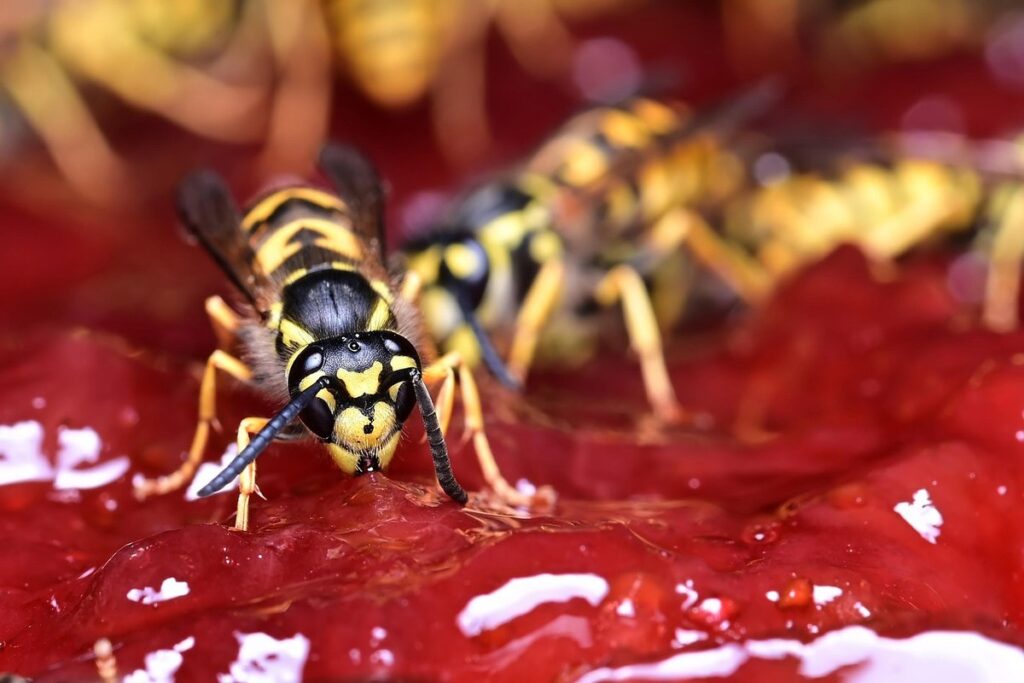
On the other hand, yellowjackets can be more aggressive when threatened and may defend themselves with stings. However, they also primarily consume sweet substances and small insects, posing little threat to chickens unless provoked. The presence of a yellowjacket nest near your coop is not typically a cause for concern but be cautious if you notice them approaching or following your birds.
Other types, like hornets and mud daubers, are usually less concerned with chicken activity and tend to focus on their own nesting habits. It’s essential to monitor the behavior of these wasp species around your flock, though, as some may still pose a threat if they perceive chickens as a threat or food source.
It’s worth noting that while many types of wasps can coexist safely with your flock, it’s best to prioritize caution and avoid encouraging wasp activity in areas where your chickens live. Regular coop cleaning and maintenance can help deter unwanted pests and minimize the risk of wasp-related incidents.
Specific Precautions for Certain Wasp Species
When it comes to feeding wasps to your flock, not all species are created equal. Certain types of wasps can be more hazardous than others, and it’s essential to exercise extra caution when introducing them into your chicken’s diet.
For instance, paper wasps (Vespula spp.) are known to have a more aggressive temperament compared to other wasp species. They can deliver multiple stings per attack, making them a greater risk to your flock’s health. If you do choose to feed paper wasps to your chickens, it’s crucial to handle them carefully and ensure they’re not provoked or threatened.
On the other hand, yellowjackets (Vespula spp.) are often considered more of a nuisance than a threat. However, their venom can still cause discomfort for your chickens, so be sure to monitor their behavior closely if you do decide to feed them.
Some key takeaways when feeding wasps to your flock:
* Always supervise your chickens when introducing new insects into their diet
* Handle wasps carefully and humanely to avoid provoking an attack
* Monitor your flock’s behavior and health closely for any signs of adverse reactions
Conclusion
Now that we’ve explored the ins and outs of chickens eating wasps, it’s time to summarize the key takeaways from our guide. Let’s review what we’ve learned together!
Recap of Key Points and Recommendations
In this comprehensive guide, we’ve explored the question of whether chickens can eat wasps. Let’s recap the key points and recommendations for chicken owners who want to feed insects to their flocks.
One of the primary concerns when it comes to feeding wasps to chickens is the potential harm caused by their stingers. However, as discussed earlier, wasp stings are generally not toxic to chickens, but they can cause discomfort and even anaphylaxis in some cases. To minimize risks, we recommend offering wasps in moderation and under close supervision.
Another crucial aspect to consider is the nutritional value of wasps for your flock. As a rich source of protein and micronutrients, wasps can be a valuable addition to your chickens’ diet. However, they should not replace other nutrient-dense foods such as mealworms or crickets.
Feeding wasps also presents an opportunity for creative and engaging feeding experiences for your flock. Consider using innovative feeders or incorporating wasp-hunting into their daily routine. This can help stimulate their natural instincts and provide mental stimulation.
When introducing wasps to your flock’s diet, it’s essential to follow proper protocol:
* Start with small quantities (about 10-20 wasps per chicken) to gauge their tolerance.
* Monitor your chickens’ behavior and adjust feeding amounts accordingly.
* Ensure fresh water is available at all times to help prevent heat stress.
To maximize the benefits of feeding wasps, consider pairing them with other nutrient-rich foods like leafy greens or fruits. This will provide a balanced and diverse diet for your flock.
Remember, every chicken is unique, so observe and respond to their individual needs when introducing new foods, including wasps. With proper care and attention, feeding wasps can be a fun and rewarding experience for both you and your flock!
Frequently Asked Questions
Can I give wasps to my chickens as a regular treat?
You can consider giving wasps to your flock as an occasional supplement, but ensure you’re providing a balanced diet that meets their nutritional needs first. A varied diet is crucial to prevent deficiencies and health issues.
How do I safely prepare wasps for my chickens?
To prepare wasps safely, start by freezing them to kill any bacteria or parasites. Then, grind the frozen wasps into a fine powder using a meat grinder or blender. Mix this powder with their regular feed to avoid overwhelming their system.
What are some signs that my chicken is allergic to wasp stings?
Monitor your flock closely for signs of allergy or intolerance, such as skin irritation, excessive scratching, or lethargy after consuming wasps. If you notice any unusual behavior, remove the wasps from their diet and consult a veterinarian for advice.
Can I feed other types of wasps to my chickens besides paper wasps?
No, not all wasp species are safe for chickens to eat. For example, yellowjackets and hornets can be aggressive and may cause more harm than benefit. Always research the specific type of wasp before introducing it to your flock’s diet.
How often should I introduce new insects into my chicken’s diet?
To prevent over-reliance on insect-based diets, alternate between different types of insects (like mealworms, crickets, and wasps) every few days or weeks. This variety will keep their nutritional intake balanced and interesting.