
If you’re like many backyard chicken keepers, you’re always on the lookout for ways to supplement your flock’s diet with nutritious and affordable food sources. One common pest that may have caught your eye is the Japanese beetle. These pesky insects can be a nuisance in gardens, but did you know they might also be a valuable resource for your chickens? Feeding Japanese beetles to your backyard hens could provide several benefits, including reduced waste management and an additional source of protein-rich food. However, there are risks and best practices to consider before making this a part of your flock’s diet. In this article, we’ll delve into the world of feeding Japanese beetles to chickens, exploring their nutritional value, potential drawbacks, and expert advice on how to make it work for you and your flock.
Understanding Japanese Beetles and Their Potential Use as Chicken Feed
If you’re considering using Japanese beetles as a food source for your chickens, it’s essential to understand these pests’ nutritional value and potential risks. Let’s explore their characteristics.
What are Japanese Beetles?
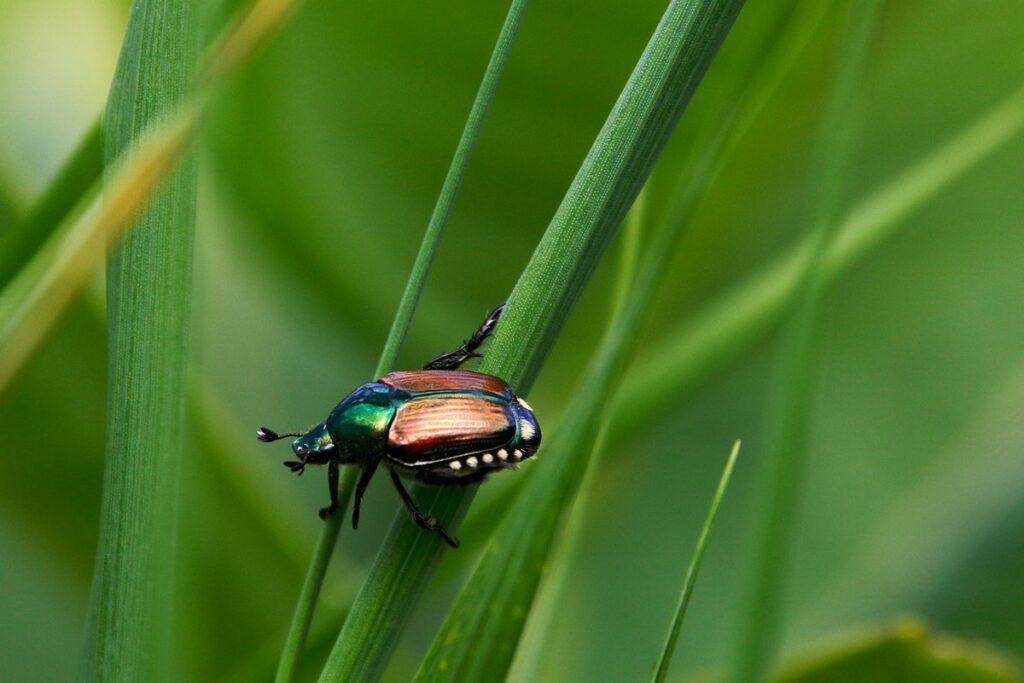
Japanese beetles are a type of insect that belongs to the family Scarabaeidae. They’re a common sight in many gardens and yards, particularly during the summer months. These beetles have a distinctive appearance, with shiny copper-colored elytra (wing covers) and a metallic blue-green body.
Adult Japanese beetles typically reach lengths of about 1/2 inch, making them one of the larger beetle species found in North America. Their bodies are rounded, with a prominent horn-like protrusion on their thorax. They have six legs, which they use to walk and feed on plants.
Japanese beetles are herbivores, feeding primarily on leaves, flowers, and fruits. They’re particularly attracted to plants with high nitrogen content, such as roses, grapevines, and apple trees. Their larvae, also known as grubs, live underground and feed on plant roots, causing significant damage to lawns and gardens.
In terms of their habits, Japanese beetles are most active during the evening hours, when they emerge from the ground to feed on plants. They’re social insects, often gathering in large numbers on individual plants. Understanding these characteristics is essential if you’re considering using them as chicken feed.
Nutritional Value of Japanese Beetles for Chickens
Japanese beetles are not only a nuisance for gardeners but also offer nutritional value as a potential feed supplement for chickens. When it comes to feeding your flock Japanese beetles, you’ll want to consider their protein content first. With an impressive 55-60% protein composition, these insects can help meet your chickens’ protein requirements.
But that’s not all – Japanese beetles are also rich in vitamins and minerals like calcium, iron, and zinc. These essential micronutrients support your hens’ overall health and egg production. Additionally, feeding your flock Japanese beetles can provide a natural source of antioxidants, which help combat cell damage and promote immune function.
When incorporating Japanese beetles into your chicken feed, it’s essential to note that they should be given in moderation. A general rule of thumb is to offer 10-15% of their diet as insects. This will allow them to reap the benefits without overloading on protein. As with any new food addition, monitor your flock’s health and adjust accordingly. With proper incorporation, Japanese beetles can become a valuable part of your chicken feed arsenal.
Risks Associated with Feeding Chickens Japanese Beetles
Feeding chickens Japanese beetles may seem harmless, but it’s crucial to consider the potential risks to your flock’s health and well-being. Let’s explore some of these hidden dangers together.
Potential Health Risks to Chickens
Consuming Japanese beetles can pose several health risks to chickens. One of the primary concerns is bacterial contamination. These beetles can carry a variety of bacteria on their bodies, including E. coli and Salmonella, which can be transmitted to chickens through feeding them.
Another potential risk is parasite transmission. Japanese beetles can be infested with internal parasites like tapeworms or hookworms, which can also be passed on to chickens if they consume the beetles. Chickens may exhibit symptoms such as diarrhea, weight loss, and lethargy due to these parasitic infections.
Some chickens may also experience allergic reactions after consuming Japanese beetles. These reactions can range from mild skin irritation to more severe anaphylactic shock. If you notice any unusual behavior or physical changes in your flock after feeding them Japanese beetles, it’s essential to consult with a veterinarian promptly.
If you still want to provide your chickens with a varied diet, consider offering safe and healthy alternatives like mealworms or crickets instead of Japanese beetles.
Environmental Impact of Raising Chickens on Japanese Beetle Populations
Feeding chickens Japanese beetles might seem like an environmentally friendly option, but it can have unintended consequences on the natural populations and ecosystems. When you feed your chickens Japanese beetles, you’re removing them from their natural habitats where they play a crucial role in pollination and decomposition.
However, the impact goes beyond just the removal of individual insects. Japanese beetles are an important food source for various animals, including birds, bats, and other beneficial insects. By feeding them to your chickens, you’re disrupting this delicate ecosystem balance. For example, research has shown that a decline in Japanese beetle populations can have cascading effects on oak tree health, as these trees rely heavily on the beetles’ pollination services.
If you still want to feed your chickens Japanese beetles, consider implementing sustainable practices like rotating beetle sources and maintaining a diverse diet for your flock. This will help mitigate the risks associated with over-reliance on a single food source.
Preparing and Feeding Japanese Beetles to Chickens
Now that we’ve discussed why chickens can eat Japanese beetles, let’s dive into preparing these pests for a tasty treat. Here’s how to safely feed them to your flock.
Harvesting and Storing Japanese Beetles
To harvest and store Japanese beetles for feeding to chickens, follow these steps. Begin by collecting the beetles from your garden or nearby area using a container such as a bucket or a bag with holes for ventilation. It’s essential to collect them at night when they are most active, making it easier to catch them.
Next, clean the beetles by rinsing them in water and removing any dirt or debris. This will prevent contamination of your chicken feed and ensure that the beetles are safe to consume. You can use a fine-mesh strainer or a piece of cheesecloth to filter out any remaining debris.
Once cleaned, store the Japanese beetles in an airtight container in the refrigerator. This will help preserve them for longer periods and prevent spoilage. It’s also essential to keep them away from direct sunlight and moisture. Store them at the bottom of the fridge to prevent any potential contamination from other foods.
For long-term storage, you can consider freezing the beetles. Simply place them in an airtight container or freezer bag and store them in the freezer. This will help preserve their nutritional value for up to six months.
Feeding Guidelines for Chickens Consuming Japanese Beetles
When feeding Japanese beetles to your chickens, it’s essential to follow some guidelines to ensure their safety and optimal nutrition. A good starting point is to introduce them as a supplement, not as the primary source of protein.
Aim for 10-20% of your chicken’s daily diet to consist of Japanese beetles. For example, if you’re feeding a flock of 5 chickens, you can offer about 1/4 cup of beetles per bird per day. As they get accustomed to this new food source, you can gradually increase the proportion.
Be mindful of other feed sources, such as commercial pellets or grains, and avoid overfeeding on Japanese beetles. Overconsumption can lead to digestive issues or an imbalance in essential nutrients. It’s also crucial to ensure your chickens have access to fresh water at all times when introducing new foods.
Some key factors to consider are the beetles’ stage of development and their level of toxicity. Only feed mature, non-poisonous beetles to your flock.
Considerations for Backyard Chicken Keepers
When keeping chickens, it’s essential to consider their dietary needs and safety around common pests, like Japanese beetles. This section covers key considerations to ensure your backyard flock stays healthy.
Zoning Regulations and Local Laws Regarding Insect Consumption by Livestock
Before feeding Japanese beetles to your chickens, it’s essential to understand the local laws and regulations regarding insect consumption by livestock. Zoning regulations can vary significantly from one region to another, and some municipalities have specific rules about what types of insects are allowed as a food source for backyard animals.
Check with your local government or homeowners association (if applicable) to determine if there are any restrictions on feeding insects to chickens. Some areas may require permits or licenses to raise livestock that consume insects, while others might prohibit it altogether.
In some cases, zoning regulations might specify the types of insects that can be fed to chickens, such as crickets or mealworms but not beetles. Even if Japanese beetles are allowed in your area, there may be specific guidelines for handling and preparing them for consumption by your flock.
To ensure compliance with local laws and avoid any potential issues, it’s a good idea to research and understand the regulations before introducing insects like Japanese beetles into your chicken’s diet.
Potential Benefits for Small-Scale or Sustainable Farming Operations
Feeding chickens Japanese beetles can be a valuable addition to sustainable and environmentally friendly farming practices. Not only does it provide an alternative solution for managing these pests, but it also reduces the need for chemical pesticides and insecticides that can harm both humans and wildlife.
One of the most significant benefits is that it promotes a closed-loop system, where chickens are fed insects that would otherwise be considered pests in gardens. This approach minimizes waste and maximizes resource utilization. For small-scale or sustainable farming operations, this can be especially appealing as it reduces reliance on external inputs.
In practice, incorporating Japanese beetles into your chicken’s diet is relatively simple. You can collect them from your garden, store them in a container with some ventilation, and then feed them to your chickens. A general rule of thumb is to provide 1-2% of the chicken’s body weight in insects per day.
Best Practices for Ensuring Chicken Health and Safety
When handling Japanese beetles around your flock, it’s essential to prioritize their health and safety by following some crucial best practices. This includes proper cleaning and disinfection procedures.
Monitoring Chickens for Signs of Insect Consumption-Related Illnesses
Monitoring chickens for signs of insect consumption-related illnesses is crucial when introducing them to Japanese beetles. These beetles can cause a range of health issues if consumed in excess. Watch out for symptoms like lethargy, loss of appetite, and changes in droppings. Chickens that ingest large amounts of Japanese beetles may experience gastrointestinal problems such as diarrhea, vomiting, or bloody stools.
If you suspect your chickens are suffering from these symptoms after eating Japanese beetles, it’s essential to seek veterinary care promptly. Your veterinarian can perform a physical examination, take a complete medical history, and provide guidance on the best course of treatment. They may recommend testing for internal parasites or other underlying conditions that could be contributing to your chicken’s illness.
Be aware that some chickens may develop an allergic reaction to Japanese beetles, leading to skin lesions, excessive scratching, or respiratory issues. In such cases, a veterinarian’s advice is indispensable in managing the condition effectively. Regular monitoring and early intervention can help prevent these complications and ensure the overall health and well-being of your flock.
Maintaining Cleanliness and Hygiene in the Coop When Feeding Insects
When feeding insects like Japanese beetles to your chickens, it’s crucial to maintain a clean and sanitary coop environment. A dirty coop can lead to health issues in your birds, including respiratory problems, bacterial infections, and parasite infestations.
Create a regular cleaning schedule for your coop to ensure cleanliness is maintained at all times. This includes daily tasks such as removing waste, soiled bedding, and uneaten food, as well as weekly deep cleans of the entire coop. Make sure to wear gloves when handling manure and disinfect all surfaces with a safe, non-toxic cleaner.
Regular equipment maintenance is also essential. Clean and sanitize feeders, waterers, and any other equipment that comes into contact with your chickens’ food or water. Check for signs of wear and tear on equipment, such as cracks in the feeder or rust on metal components, and replace them promptly to prevent contamination.
By prioritizing coop cleanliness and hygiene, you can protect the health and well-being of your flock when feeding insects like Japanese beetles. Remember, a clean coop is not only essential for your chickens’ health but also for yours – by minimizing the risk of disease transmission.
Frequently Asked Questions
Can I feed Japanese beetles to my chickens if they’re already laying eggs?
Yes, feeding Japanese beetles can be a nutritious supplement for egg-laying hens, but ensure you follow proper preparation and feeding guidelines to avoid any potential risks. As long as your flock is healthy and well-nourished, introducing insects into their diet can provide essential protein and micronutrients.
How do I prevent my chickens from eating other pests or inedible materials alongside Japanese beetles?
To minimize the risk of contamination, ensure your feeding system is designed to dispense only Japanese beetles. You may also need to supervise your flock during mealtime or adjust their access to areas where these pests are more likely to be present.
Are there any specific health checks I should perform on my chickens before introducing Japanese beetles into their diet?
Yes, it’s essential to monitor your flock for signs of illness or stress before making significant changes to their diet. Consult with a veterinarian to ensure your birds’ overall health and develop a plan to address potential issues that may arise from feeding insects.
Can I feed Japanese beetles to my chickens year-round, regardless of the season?
While Japanese beetles can be a valuable supplement during certain seasons, consider the availability and quality of these pests. In areas with harsh winters or during times when beetle populations are scarce, you might need to rely on alternative protein sources or explore other insect options.
How do I store Japanese beetles for extended periods without compromising their nutritional value?
To maintain the quality and safety of stored Japanese beetles, keep them in a cool, dry place away from direct sunlight. You can also consider freezing or dehydrating these pests to preserve their nutrient content for later use as chicken feed.