
If you’re a chicken keeper, you’ve probably encountered fire ants at some point – those pesky little creatures that can ruin a peaceful afternoon in the coop. But have you ever wondered if your feathered friends could benefit from snacking on these tiny critters? The answer is yes, but it’s not as simple as just letting them roam free and snack to their heart’s content. In fact, feeding chickens fire ants has both benefits and risks that you should be aware of. Not only can they provide a valuable source of protein, but there are also potential health implications to consider. This article will delve into the world of fire ant nutrition for chickens, exploring methods for deterrent and removal, as well as the potential pros and cons of incorporating these ants into your flock’s diet.
Understanding Fire Ants and Their Potential Impact on Chickens
Fire ants may seem harmless, but they can actually pose a threat to your chickens’ health if ingested. Here’s what you need to know about fire ant behavior and potential impact on your flock.
Section Overview: Fire ant biology, behavior, and venom composition
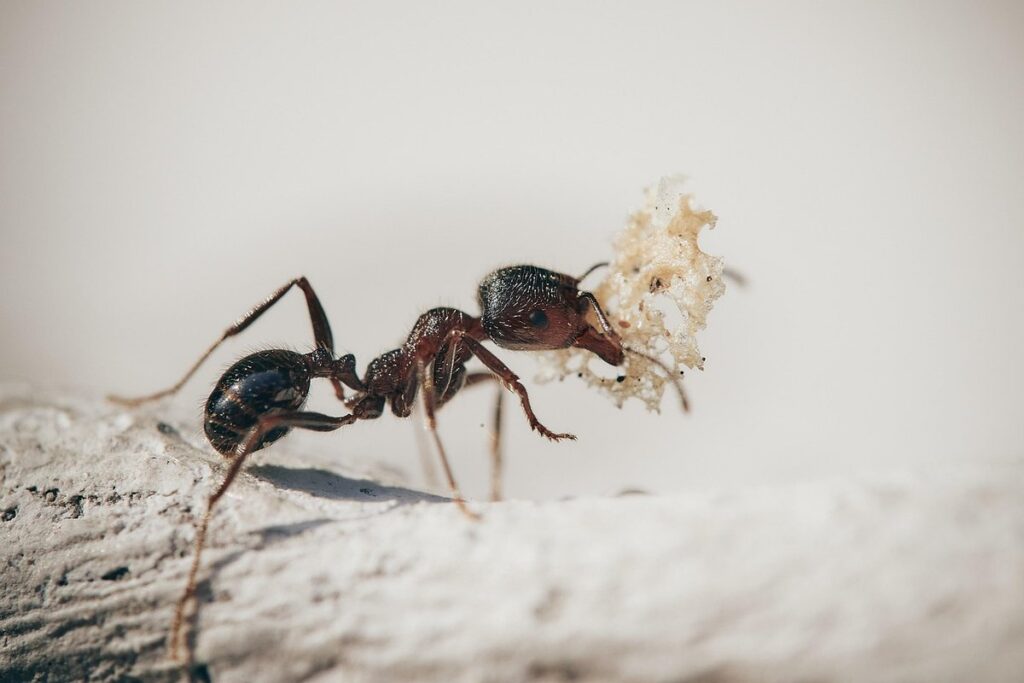
Fire ants are highly social insects that thrive in warm climates with abundant food and water sources. They live in colonies consisting of different castes, including workers, soldiers, and queens. Workers are responsible for foraging, caring for young, and defending the colony, while soldiers have enlarged heads and mandibles used for fighting predators.
The venom composition of fire ants is a key factor to consider when assessing their potential impact on chickens. The venom contains a compound called solenopsin, which can cause severe pain, swelling, and redness in both humans and animals. When ingested, fire ant bodies can also lead to gastrointestinal issues in chickens, such as diarrhea and vomiting.
Fire ants are typically found in areas with loose soil, allowing them to build extensive networks of underground tunnels and chambers. Their colonies can range from a few thousand individuals to millions of workers. Understanding the biology and behavior of fire ants is crucial for predicting their potential impact on chicken health and well-being. By knowing where they live and how they interact, you can take steps to prevent encounters between your chickens and these potentially hazardous insects.
What Attracts Fire Ants to Chicken Coops?
Fire ants are attracted to chicken coops due to several factors. First and foremost, these pests are drawn to food sources, particularly sweet substances like sugar, honey, and fruit. Chicken feed, grains, and even eggs can become a magnet for fire ants if not properly stored or managed. If you notice fire ant mounds near your coop’s feeding areas or water sources, it’s likely that they’re seeking sustenance.
Another reason fire ants are drawn to chicken coops is the abundance of nesting sites. These ants often invade dark, undisturbed areas with minimal airflow, such as under roosting bars or within wooden structures. Fire ant queens prefer these secluded spaces for laying eggs and building their colonies.
The proximity to water also plays a significant role in attracting fire ants. Moisture is essential for their survival, so they’ll seek out areas with reliable water sources. This could be from puddles, leaky pipes, or even moist soil near the coop.
To discourage fire ant invasions, maintain cleanliness and orderliness around your chicken coop. Regularly inspect feeding areas, roosts, and nesting sites for signs of infestation.
The Risks of Fire Ant Stings for Chickens
While it may be tempting to consider fire ants as a tasty treat, there are some serious risks to consider when it comes to your chickens’ health. Let’s examine the potential dangers of fire ant stings in more detail.
Health Implications: Can fire ant stings cause anaphylaxis in chickens?
Fire ant stings can pose significant health risks to chickens. While it’s unlikely for chickens to develop anaphylaxis from a single sting, repeated exposure to fire ants can trigger severe allergic reactions. Chickens may exhibit symptoms such as rapid breathing, droopy wings, and lethargy after being stung.
Chickens can also experience anaphylactic shock if they are hypersensitive to fire ant venom. This is characterized by difficulty breathing, pale combs, and labored swallowing. If you suspect your chicken has been stung and is experiencing any of these symptoms, it’s essential to provide immediate veterinary care.
To minimize the risk of allergic reactions, keep an eye out for signs of fire ants in your yard or run. Regularly inspect nesting boxes and coop areas for ant activity. Wear protective clothing when handling chickens that have been exposed to fire ants, and thoroughly clean any equipment used for treatment. If you notice a severe reaction, seek veterinary attention immediately.
Skin Infections and Lesions: Common after effects of fire ant bites
If your chicken has been bitten by fire ants, it’s essential to be aware of the potential skin infections and lesions that can occur. Fire ant bites can cause redness, swelling, and pain, but sometimes these symptoms can lead to more serious issues if left untreated.
One common skin infection caused by fire ant bites is cellulitis, a bacterial infection that causes redness, swelling, and warmth around the affected area. If you notice any of these symptoms in your chicken, it’s crucial to seek veterinary attention immediately. Cellulitis can spread quickly and cause serious complications if not treated promptly.
Another possible lesion caused by fire ant bites is an abscess, a painful pocket of pus that forms on the skin as a result of infection. Abscesses can be particularly problematic for chickens, as they can become infected with diseases such as salmonella or E. coli.
To prevent skin infections and lesions in your chicken after fire ant bites, make sure to keep a close eye on any open wounds or sores and seek veterinary attention if you notice any signs of infection. Keep the affected area clean and dry, and consider applying an antibiotic ointment to promote healing.
Can Chickens Eat Fire Ants?
If you’ve ever spotted a fire ant mound in your backyard, you might be wondering if it’s safe to let your chickens roam freely. Let’s dive into what happens when chickens eat fire ants.
Nutritional Value of Fire Ants for Chickens
Fire ants are a rich source of protein for chickens, containing approximately 10-15% protein by weight. This is comparable to other insect sources like crickets and mealworms, making them an attractive option as a supplementary feed. In addition to their high protein content, fire ants also provide essential vitamins and minerals such as vitamin B12, iron, and potassium.
When fed in moderation, fire ants can contribute significantly to a chicken’s overall nutrient intake. For example, feeding 1-2% of the total diet as fire ants can provide a substantial boost to protein levels without overwhelming the bird with calories. However, it’s essential to note that fire ant consumption should be balanced and not relied on as the sole source of nutrition.
To incorporate fire ants into your chicken’s diet safely, ensure they are harvested in a clean environment free from pesticides and other contaminants. Process them properly by rinsing in water and then crushing or grinding them before feeding to maximize nutrient absorption.
Are There Any Risks Associated with Feeding Chickens Fire Ants?
While fire ants can be a tasty treat for chickens, there are some potential risks to consider before feeding them to your flock. One concern is that fire ants may contain toxins or other harmful substances that could harm your birds.
Fire ants are known to secrete a chemical called solenopsin, which is toxic to many animals, including chickens. While the exact effects of this toxin on chickens are still being studied, it’s essential to exercise caution and monitor your flock closely if you choose to feed them fire ants.
In addition to toxins, fire ants may also contain other substances that could cause problems for your chickens. For example, they may ingest small amounts of insecticides or other chemicals used to control fire ant populations. These contaminants can accumulate in the birds’ bodies over time and potentially lead to health issues.
If you still want to feed your chickens fire ants, make sure to follow some basic precautions: only offer them in moderation, provide a safe and controlled environment for feeding, and monitor their behavior and health closely for any signs of distress.
Methods for Deterrent and Removal of Fire Ants from Chicken Coops
When fire ants invade your chicken coop, it’s essential to know how to safely remove them without putting your birds in harm’s way. We’ll explore methods for deterring and removing these pesky insects from your flock’s living space.
Natural Deterrents: Plants, herbs, and essential oils that repel fire ants
When it comes to keeping fire ants at bay from your chicken coop, using natural deterrents can be an effective and chemical-free solution. Certain plants, herbs, and essential oils have been found to repel fire ants, creating a safer environment for your flock.
Some of the most effective plants in deterring fire ants include citronella, lemongrass, and basil. These plants are not only natural ant repellents but also add fresh flavor to your chicken’s food. You can plant them around the perimeter of your coop or even inside to keep those pesky insects away.
Essential oils like peppermint and tea tree oil have also shown promise in repelling fire ants. Mix a few drops with water and spray it around the coop, taking care not to get any near your chickens’ eyes or sensitive areas. Cedar wood chips or shavings can also be used as a natural deterrent by placing them around the entrance of your coop.
Keep in mind that these methods may need to be combined for maximum effect, but they offer a great alternative to chemical-based solutions.
Non-Toxic Traps and Baits for Managing Fire Ant Populations
When managing fire ant populations around chicken coops, it’s essential to use non-toxic traps and baits that won’t harm your chickens. Fire ants are a significant threat to poultry health, as they can cause painful stings and even transmit diseases like leprosy.
One effective non-toxic trap is the “damp sugar” method. Mix equal parts water and sugar in a shallow dish, then place it near the affected area. Fire ants are attracted to the sweet liquid and will drown in it once they fall in. This method is safe for chickens to be around and can be used in conjunction with other control methods.
Another option is using diatomaceous earth (DE), a natural powder made from fossilized algae. DE works by dehydrating fire ant exoskeletons, ultimately killing them. Sprinkle it around the coop’s perimeter, but avoid inhaling it yourself – wear a mask when applying. Monitor the area for fire ants and reapply as necessary.
When using these non-toxic traps and baits, ensure they’re within reach of your chickens to prevent them from ingesting any potential toxins. Also, regularly clean up dead fire ants to maintain a healthy coop environment.
Conclusion: Balancing Chicken Health with Fire Ant Management
In conclusion, while it’s not entirely bad for your chickens to eat fire ants, it’s essential to weigh the potential benefits against the risks. You see, fire ants can be a nutritious addition to their diet, providing protein and other essential nutrients. However, they also come with a risk of introducing disease and parasites into your flock. To balance this delicate equation, make sure to monitor your chickens’ behavior around fire ant mounds closely and remove any dead or dying birds from the area immediately. You can also consider using natural deterrents like cayenne pepper or diatomaceous earth to discourage your chickens from seeking out fire ants in the first place. By being mindful of both the benefits and risks, you can help keep your flock healthy while still allowing them some freedom to forage naturally.
Frequently Asked Questions
Can I feed fire ants to my chickens if they have a nutritional deficiency?
Yes, feeding fire ants can be beneficial for providing protein when your flock is experiencing a nutritional deficiency, such as during molting or growth periods. However, ensure you introduce them gradually and in moderation to avoid any adverse reactions.
How do I prevent fire ant bites from causing skin infections in my chickens?
To minimize the risk of skin infections, keep the affected areas clean with gentle soap and water, dry thoroughly, and apply a topical antibiotic ointment. Monitor your flock closely for signs of infection, such as redness, swelling, or discharge.
Can I use diatomaceous earth to deter fire ants from my chicken coop?
Yes, you can try using diatomaceous earth (DE) around the perimeter of your coop to repel fire ants. However, be cautious not to inhale DE yourself and ensure your chickens don’t ingest it while foraging.
Are there any specific plants or herbs that can naturally repel fire ants from my chicken coop?
Certain plants like mint, lemongrass, and citronella have natural oils that can deter fire ants. Plant these around the perimeter of your coop to create a barrier against unwanted visitors.
Can I mix fire ant traps with other pest control methods in my chicken coop?
Yes, you can use non-toxic fire ant traps alongside other management strategies like removing food sources and maintaining cleanliness. However, always prioritize caution when combining different methods to avoid harming your flock unintentionally.