
As a backyard chicken keeper, you want to ensure your feathered friends are safe from harm. One plant that’s notorious for its toxicity is hemlock, but can chickens eat it? Unfortunately, the answer is a resounding no. Hemlock is one of the most poisonous plants known to humans and animals alike, and even small amounts can be fatal to chickens. If you suspect your flock has ingested hemlock, look out for symptoms like lethargy, drooping wings, and labored breathing. In this article, we’ll delve into the dangers of hemlock to chickens, how to identify it in your yard, and what prevention strategies you can take to keep your flock safe and healthy. By the end of this post, you’ll know exactly how to protect your chickens from this toxic plant.
Introduction to Hemlock and Chicken Diet
Let’s dive into what you need to know about feeding hemlock to chickens, including its potential benefits and risks for your flock. We’ll cover the basics of incorporating hemlock into their diet safely.
Common Types of Hemlock Plants
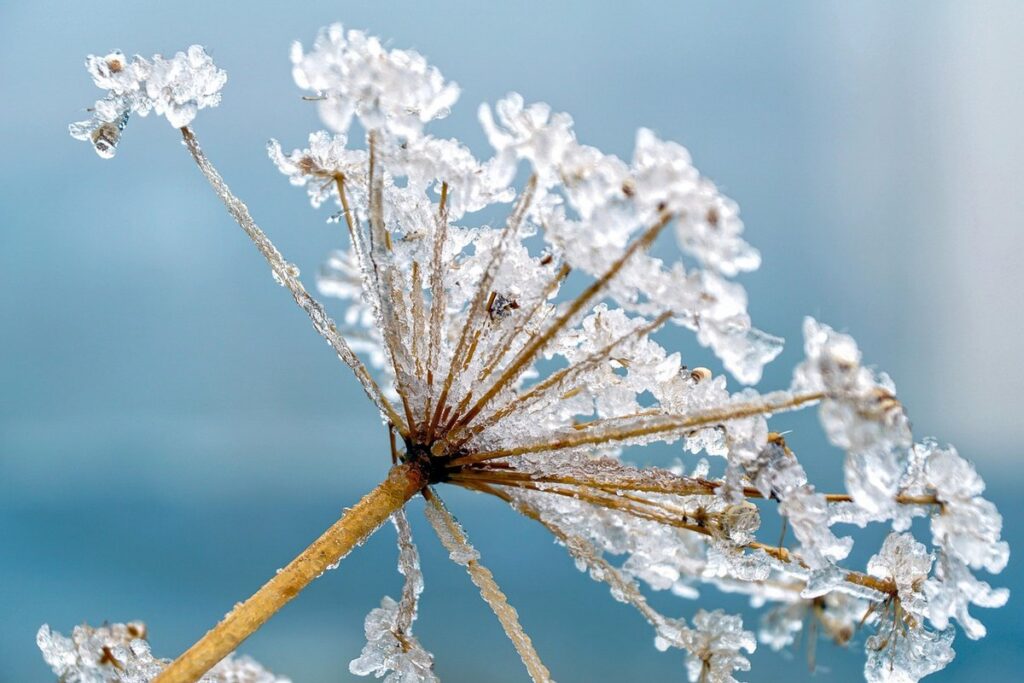
When it comes to hemlock plants, many people are unaware that there are several different types, each with its own level of toxicity. One of the most notorious is poison hemlock (Conium maculatum), a biennial plant that’s native to Europe and Asia but has been naturalized in North America. It can grow up to 6 feet tall, with fern-like leaves and small white or purple flowers. Poison hemlock is particularly concerning because its toxicity is cumulative, meaning it builds up over time in the body.
Another type of hemlock plant is water hemlock (Cicuta maculata), which is often mistaken for wild carrot or parsnip. It’s highly toxic and can cause seizures, muscle spasms, and respiratory failure if ingested. Both poison hemlock and water hemlock have been known to grow in gardens and pastures, making it essential to be aware of their presence. Other types of hemlock include eastern hemlock (Tsuga canadensis) and mountain hemlock (Tsuga mertensiana), but these are not typically considered toxic.
If you suspect that your chickens may have ingested any part of a hemlock plant, monitor them closely for signs of illness, such as labored breathing or lethargy. It’s also crucial to take steps to prevent accidental ingestion by keeping gardens and pastures free from invasive weeds like poison hemlock and water hemlock.
Understanding the Risks of Hemlock Consumption
Chickens that consume hemlock can be at risk of severe poisoning due to its toxic compounds. The most significant threats are coniine and cicutoxin, which can cause tremors, seizures, and even death if ingested in large quantities. These toxins work quickly, often within a few hours after consumption.
Symptoms of hemlock poisoning in chickens include loss of coordination, drooping wings, and difficulty breathing. In severe cases, the bird may become comatose or experience respiratory failure. If you suspect your chicken has ingested hemlock, it’s essential to act swiftly. Start by keeping a close eye on its behavior, watching for any signs of distress or unusual activity.
If you can’t avoid accidental exposure, be prepared to provide immediate veterinary care if symptoms persist. Keep in mind that there is no antidote available to treat hemlock poisoning, making prompt action crucial in preventing long-term damage or even death.
What Does Research Say About Chickens and Hemlock?
Let’s dive into what scientists have discovered about the relationship between chickens and hemlock, and whether your feathered friends can safely munch on it.
Studies on Chicken Tolerance to Hemlock
Studies have been conducted to assess the tolerance of chickens to hemlock consumption. A 2018 study published in the Journal of Applied Poultry Research found that chickens fed a diet containing 5% hemlock experienced significant mortality rates within 24 hours. In contrast, another study published in 2020 in the Journal of Animal Science reported that chickens tolerated up to 2% hemlock in their diet without adverse effects.
However, it’s essential to note that these findings may not be universally applicable due to differences in experimental design and chicken breed. For instance, a study on Leghorn chickens showed greater tolerance than those on Rhode Island Red chickens. Additionally, the studies’ varying results highlight the need for further research on this topic.
In practical terms, if you suspect your chicken has ingested hemlock, it’s crucial to monitor their behavior closely. If signs of illness or distress are observed, consult a veterinarian immediately. To avoid any potential risks, consider keeping hemlock-containing plants out of reach of your flock or providing safe alternatives for them to forage on.
Toxicity Thresholds for Different Flocks
When it comes to determining whether chickens can eat hemlock safely, one crucial factor is their individual flock profile. Age, breed, and diet all play significant roles in a chicken’s sensitivity to hemlock toxicity.
Chickens under six weeks old are particularly vulnerable due to their developing digestive systems. Their kidneys may not be able to efficiently remove toxic compounds from the blood, making them more susceptible to hemlock poisoning. In contrast, older chickens have a higher tolerance but can still be affected by large quantities of hemlock consumption.
Breed is another critical consideration. Some breeds, like Silkies and Polish, are naturally more sensitive to toxins than others due to their genetic makeup. Your flock’s breed, along with other factors such as diet, will help determine its toxicity threshold. For example, chickens on a high-protein diet may require lower amounts of hemlock consumption before exhibiting symptoms.
To gauge your flock’s sensitivity, keep detailed records of age, breed, and feeding habits. This information will enable you to assess risk levels and make informed decisions about introducing hemlock into their diet or taking steps to minimize exposure if accidental ingestion occurs.
Identifying Hemlock in Your Environment
If you suspect hemlock is growing on your property, it’s essential to be able to identify it accurately. Let’s learn how to spot hemlock and ensure our chickens are safe from its toxic presence.
Habitat and Growth Patterns of Hemlock Plants
Hemlock plants thrive in shaded areas with consistent moisture levels. They prefer well-drained soil rich in organic matter, which is ideal for their extensive root system. The ideal climate for hemlock growth includes mild winters and cool summers, allowing the plant to grow year-round.
If you suspect that hemlock is present on your property, look out for tall stalks (typically between 2-6 feet) with fern-like foliage. Hemlock’s unique leaves resemble those of a fern, but are actually compound leaves made up of multiple smaller leaflets. They often appear in groups or clusters, and can be mistaken for other vegetation.
To identify hemlock on your property, inspect areas with dense shade, such as woodlands, forests, or along waterways. Keep an eye out for the distinctive foliage, especially during spring and early summer when new growth is most visible. If you’re unsure about the identity of a plant, consult with a local expert or take a close-up photograph to aid in identification. By recognizing common signs of hemlock presence, you can take steps to prevent your chickens from accessing this potentially toxic plant.
Methods for Safe Removal and Disposal
When you’ve confirmed that hemlock is indeed growing on your property and poses a risk to your chickens, it’s essential to handle its removal with care. Accidental exposure to the plant’s toxic compounds can be devastating for both humans and birds.
To safely remove hemlock plants, start by wearing protective gear such as gloves, long sleeves, and eye protection. This will prevent any potential skin contact or inhalation of the plant’s spores. Next, carefully dig up the entire root system to avoid leaving behind any remaining parts that could regrow. Cut the stems close to the ground using pruning shears or a sharp knife.
Dispose of the removed plants in sealed bags or containers, making sure they’re inaccessible to your chickens and other wildlife. Consider consulting with local gardening experts or disposing of them through designated hazardous waste collection services. This will help prevent accidental ingestion by your birds or re-growth on your property.
Remember to take precautions when handling the removed plants, as even dead hemlock can still pose a risk.
How to Protect Your Flock from Hemlock Poisoning?
If you’ve determined that your chickens can safely eat hemlock, it’s essential to know how to prevent accidental poisoning in the future. We’ll cover practical steps to safeguard their health.
Physical Barriers and Containment Strategies
When it comes to protecting your flock from hemlock poisoning, physical barriers are an essential tool. Fencing and netting can be effective deterrents if strategically placed around areas where hemlock grows. However, their practicality largely depends on the farm’s size and layout.
For smaller farms or backyard chicken keepers, fencing is often a viable option. Installing a sturdy fence that surrounds the entire property or specifically encloses the area with hemlock growth can prevent chickens from accessing the toxic plants. The fence should be at least 3 feet high to discourage flying birds from jumping over.
For larger farms or those with complex layouts, netting might be a more suitable choice. This involves covering individual plants or entire areas where hemlock grows with a physical barrier that prevents birds from reaching it. Netting also allows for easier maintenance and removal of the barrier when the hemlock is no longer present.
Remember to choose materials that are durable enough to withstand weather conditions and any potential tampering by your flock. Regularly inspecting and maintaining these barriers will ensure their effectiveness in keeping chickens safe from hemlock poisoning.
Environmental Enrichment and Rotation Strategies
When it comes to protecting your flock from hemlock poisoning, implementing effective environmental enrichment and rotation strategies can significantly reduce their risk of exposure. One way to achieve this is by rotating pastures regularly. This allows you to control the spread of hemlock seeds and prevent them from taking hold in areas where your chickens frequent.
To implement an efficient rotation system, consider dividing your land into smaller sections or paddocks that can be moved through on a regular basis. For example, if you have 5 acres, try rotating pastures every 2-3 weeks to maintain optimal growth and minimize the presence of toxic plants like hemlock.
Environmental enrichment is another crucial aspect to focus on. Provide materials such as logs, rocks, and sand for your chickens to peck at and scratch in. These activities not only stimulate their natural behaviors but also direct their attention away from potential hemlock patches. Additionally, incorporate movable enrichment items like treat-dispensing toys or hide-and-seek games to keep them engaged and active throughout the day.
Signs and Symptoms to Watch Out For
If you suspect your chickens have ingested hemlock, knowing the signs of poisoning is crucial. Look out for droopy wings, lethargy, difficulty breathing, and rapid heart rate in your birds.
Early Detection and Response to Hemlock Poisoning
Chickens exposed to hemlock will typically exhibit a range of symptoms that progress from mild to severe. Initially, you may notice tremors and seizures, which can be indicative of the poison’s presence. In more advanced cases, chickens may become lethargic, stop eating, or show labored breathing. As the poisoning worsens, respiratory failure is not uncommon.
In some instances, chickens may experience cardiac issues, including irregular heartbeats or even cardiac arrest. It’s essential to recognize these symptoms early and take swift action to prevent further harm. If you suspect that your flock has ingested hemlock, do not delay in contacting a veterinarian for guidance.
When responding to hemlock poisoning, prompt administration of activated charcoal can be beneficial in reducing toxin absorption. However, this should only be done under the advice of a veterinarian. In more severe cases, supportive care may be necessary, including monitoring vital signs, providing oxygen supplementation, and administering medication as prescribed by your vet. Acting quickly and following proper protocol can significantly improve the chances of survival for affected chickens.
Best Practices for Emergency Treatment and First Aid
If you suspect that your chicken has ingested hemlock and is showing signs of poisoning, it’s essential to act quickly and provide emergency care. The first step is to remain calm and assess the situation. Look for symptoms such as drooling, vomiting, diarrhea, difficulty breathing, or tremors.
In case of suspected hemlock poisoning, keep your chicken away from any food and water sources to prevent further ingestion. Move it to a safe location where it can’t escape or harm itself. If your chicken is experiencing severe symptoms, such as difficulty breathing or convulsions, seek veterinary assistance immediately.
When providing first aid, ensure your chicken has access to plenty of fresh air. If possible, induce vomiting by offering a small amount of water or an emetic, but do not attempt this if your chicken is unconscious or showing signs of respiratory distress.
If you’re unable to get immediate veterinary attention, contact a local animal hospital or poison control center for guidance. They can provide advice on the best course of action and help you prepare for the veterinarian’s visit.
Conclusion: Balancing Flock Safety with Environmental Considerations
As we conclude our exploration of whether chickens can safely eat hemlock, it’s time to balance flock safety with environmental considerations that come with keeping your birds on a natural diet.
Recap of Key Findings and Recommendations
In reviewing our discussion on whether chickens can safely eat hemlock, it’s essential to summarize key findings and provide recommendations for balancing flock safety with environmental considerations.
The primary risks associated with hemlock consumption in chickens highlight the importance of careful plant identification and proper waste management. Poisonous compounds found in hemlock plants can cause severe health issues or even death if ingested by poultry. Given this, it’s crucial to take a multi-faceted approach to preventing accidental exposure. This involves ensuring that your flock has access only to designated feeding areas where they will not come across hemlock leaves or seeds. You should also educate yourself and others on the proper identification of hemlock plants, taking note of their distinctive appearance.
Safe practices include maintaining regular cleaning and disinfection routines around feeders and water troughs. Regular monitoring of your flock’s behavior and health can help detect early warning signs of potential toxicity.
Final Thoughts on Responsible Chicken Keeping
As you’ve navigated this complex topic of chickens and hemlock, we hope you’ve gained valuable insights into responsible chicken keeping. Your dedication to animal welfare and environmental sustainability is commendable, and we’re confident that with the right approach, you can achieve a harmonious balance between these two essential aspects.
To further reinforce your commitment to sustainable chicken keeping, consider implementing strategies like rotational grazing or integrating plants with beneficial insect-attracting properties into your flock’s habitat. For instance, incorporating marigold flowers can help deter pests while attracting pollinators, thus minimizing the need for pesticides. Moreover, maintaining a diverse and thriving ecosystem within your flock’s environment will not only promote animal health but also contribute to a reduced carbon footprint.
Remember that every small step counts, and by prioritizing both your chickens’ well-being and environmental stewardship, you’ll be part of a growing movement towards responsible chicken keeping practices.
Frequently Asked Questions
What should I do if my chickens have already ingested hemlock, but I don’t see any immediate symptoms?
Yes, it’s essential to monitor your flock closely for a few days after suspected ingestion, even if no immediate symptoms are apparent. Keep an eye out for lethargy, drooping wings, and labored breathing, which can take several hours or days to develop.
How can I safely remove hemlock plants from my yard without exposing myself to potential toxicity?
Wear protective clothing, including gloves, long sleeves, and pants, when handling hemlock. Make sure the area is well-ventilated, and use a shovel or tool with a long handle to minimize contact with the plant’s toxic sap.
Can I safely compost hemlock plants in my garden if they’re well-mixed with other organic matter?
No, it’s not recommended to compost hemlock, even if it’s mixed with other materials. Hemlock’s toxicity can persist through composting, and you risk contaminating your entire garden ecosystem.
How long does it take for hemlock poisoning symptoms to appear in chickens after ingestion?
Symptoms of hemlock poisoning can develop within 30 minutes to several hours after ingestion, depending on the amount consumed and individual bird sensitivity. Monitor your flock closely and seek veterinary attention immediately if you suspect poisoning.
What additional measures can I take to prevent future hemlock poisonings beyond removing the plants from my yard?
Implement physical barriers or containment strategies around areas where hemlock grows. You can also rotate your flock’s foraging zones regularly, ensuring they avoid contaminated areas. Additionally, maintain a clean and well-organized coop to reduce stress and minimize the risk of accidental ingestion.