
Are you wondering if it’s okay to share your avocado toast with your feathered friends? While avocados can be a nutritious treat for humans, their safety for chickens is a topic of debate. Before feeding your flock avocado, it’s essential to know about the potential risks and benefits. The pit, skin, and leaves of avocados contain persin, a toxic compound that can harm or even kill your chickens if ingested in large amounts. But don’t worry, with some knowledge on how to safely incorporate avocado into their diet, you can enjoy the health benefits while keeping your birds safe. In this article, we’ll delve into the world of avocados and chickens, exploring the risks, benefits, and tips for a balanced and healthy feed.
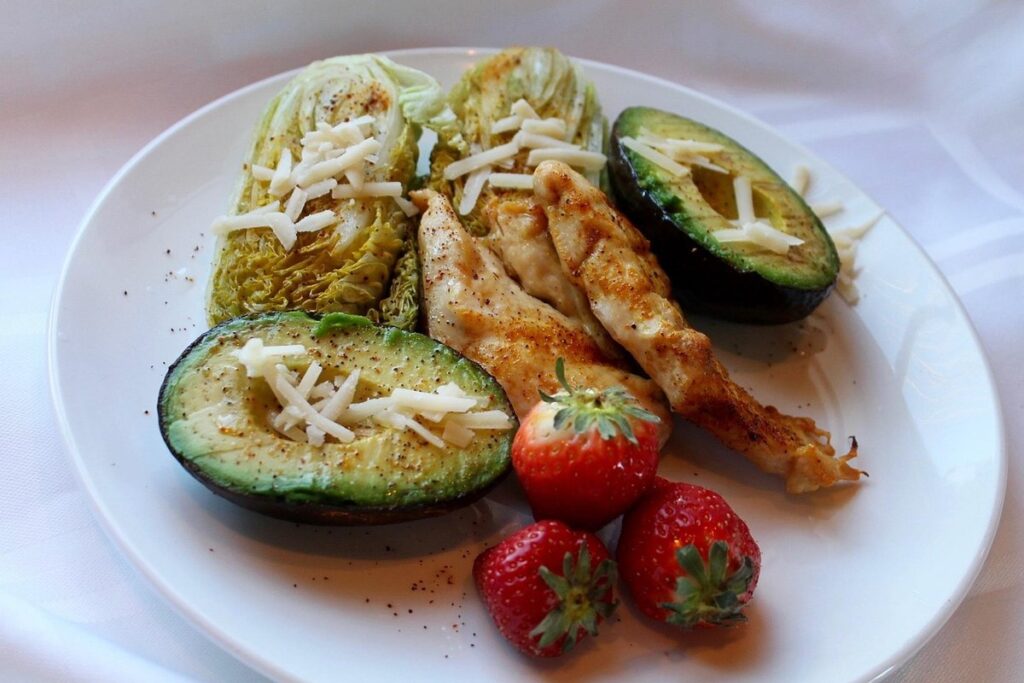
The Benefits and Risks of Feeding Avocados to Chickens
Feeding avocados to chickens can be a nutritious treat, but it’s essential to weigh the benefits against potential risks, like digestive upset and obesity. Let’s dive into what you need to know about avocados for your flock.
Historical Use of Avocados in Poultry Diets
In tropical regions, avocados have been used as a food source for poultry for centuries. In fact, many small-scale farmers in countries like Mexico and the Philippines have traditionally incorporated avocado pomace (the leftover pulp after extracting oil) into their chicken feed. This practice not only adds nutritional value but also helps reduce waste.
Research has shown that chickens fed with avocado-based diets exhibit improved growth rates and egg production. The high levels of healthy fats, fiber, and various essential vitamins and minerals in avocados make them an attractive ingredient for poultry nutrition. For instance, a study in the Philippines found that hens fed with 10% avocado pomace showed a significant increase in egg weight compared to those receiving a standard feed.
To incorporate avocados into your flock’s diet safely, start by introducing small amounts (about 5-7%) and monitor their health closely. Be sure to use ripe or overripe avocados, as these are easier to digest than unripe ones. Also, consider consulting with a poultry expert or veterinarian before making any significant changes to your chicken feed.
Nutritional Value of Avocados for Chickens
Avocados are an excellent source of essential nutrients that can be beneficial for chickens. One of the primary advantages of feeding avocados to chickens is their high levels of healthy fats, which provide energy and support skin health. A single medium-sized avocado contains around 32 grams of fat, making it an excellent addition to a chicken’s diet.
Avocados are also rich in dietary fiber, containing both soluble and insoluble fibers that can help regulate digestion and prevent constipation in chickens. According to the National Research Council, a chicken requires approximately 12-15% fiber content in its diet, which avocados can easily provide. Furthermore, avocados are a good source of various vitamins and minerals such as potassium, vitamin C, and E, all essential for maintaining optimal health.
When incorporating avocados into your chickens’ diet, it’s recommended to start with small amounts (about 1-2 teaspoons per pound of body weight) and gradually increase the quantity based on individual needs. Additionally, ensure that you only provide ripe or overripe avocados, as unripe ones may cause digestive issues in chickens.
Potential Risks Associated with Feeding Avocados
While avocados can be a nutritious and tasty treat for chickens, there are potential risks associated with feeding them to these birds. One of the primary concerns is the toxicity of certain parts of the avocado plant. The pit, skin, and leaves all contain a toxic compound called persin, which can cause serious health issues in chickens.
For example, if your chicken ingests the pit or skin, it may experience symptoms such as vomiting, diarrhea, and abdominal pain. In severe cases, persin toxicity can even lead to death. It’s essential to carefully remove any pits, skins, or leaves before offering avocado as a treat to your flock.
To minimize risks, it’s crucial to only feed chickens ripe avocados with the pit removed. Even then, moderation is key – overfeeding can still cause problems. A general rule of thumb is to limit avocado treats to no more than 1/4 teaspoon per pound of body weight daily. Always monitor your chicken’s health and adjust feeding amounts as needed.
Toxicity Concerns: The Role of Persin
As we explore the safety concerns surrounding avocados for your feathered friends, let’s dive into the specific role persin plays in toxicity. This crucial compound is at the heart of many chicken owners’ worries about avocado consumption.
What is Persin and How Does it Affect Chickens?
Persin is a naturally occurring toxin found in various parts of avocado plants, including the skin, leaves, and pit. It’s produced as a defense mechanism to deter pests and diseases from harming the plant. Chickens that ingest persin can experience severe health issues, ranging from mild symptoms like vomiting and diarrhea to life-threatening complications.
When ingested, persin can cause significant damage to a chicken’s liver, heart, and kidneys. In extreme cases, it can lead to respiratory failure, making it essential to avoid exposing your flock to avocado plants or their byproducts altogether. If you suspect that your chickens have consumed avocados, monitor them closely for signs of illness and seek veterinary attention if symptoms persist.
To minimize the risk of persin poisoning, ensure that any fallen avocado fruit is safely removed from your chicken’s enclosure. Regularly inspect the area where your chickens live to prevent accidental ingestion. If you’re a backyard breeder or farmer, take measures to secure avocado plants or keep them out of reach to safeguard your flock’s health.
Symptoms of Avocado Toxicity in Chickens
If you suspect that your chicken has ingested avocado and is showing symptoms of persin poisoning, it’s essential to identify the warning signs. The most common symptoms of persin toxicity in chickens are vomiting and diarrhea, which can lead to dehydration if left untreated.
In severe cases, lethargy may set in, causing your chicken to become depressed, disinterested in food and water, or even refusing to move. Respiratory distress is another possible symptom, where the bird’s breathing becomes labored, and it may exhibit a sudden drop in activity level.
Keep an eye out for these telltale signs: if you notice any of these symptoms after feeding your chickens avocado, immediately separate them from the contaminated food source and contact a veterinarian. Regular monitoring of your flock’s health is critical when introducing new foods to their diet, as even small amounts of persin can cause significant harm.
Managing Risks: Safe Handling and Preparation Practices
When it comes to managing risks associated with avocados for chickens, safe handling and preparation practices are crucial. One of the primary concerns is removing pits and skins, as these parts contain high levels of persin. To minimize risks, start by carefully selecting avocado varieties that are low in persin content.
Before preparing avocados for your flock, ensure you wash them thoroughly to remove any dirt or bacteria that may be present on the surface. Next, slice the fruit away from the pit and discard both the skin and the pit themselves, as these are the most toxic parts of the avocado.
When feeding sliced avocados to your chickens, offer them in moderation, about 1-2 slices per bird, depending on their size and dietary needs. Make sure to store any leftovers properly and dispose of them promptly to avoid attracting pests or creating an environment for bacteria growth.
Feeding Avocado Leaves and Skin: Safe or Not?
If you’re considering adding avocados to your flock’s diet, can feeding the leaves and skin be a safe and healthy treat for your chickens?
The Potential Benefits of Leaf and Skin Consumption
Feeding avocado leaves and skin to chickens can be a nutritious addition to their diet. One of the primary benefits is their high fiber content, which can help support digestive health. Avocado leaves are particularly rich in dietary fiber, containing up to 30% more than other leafy greens like kale or spinach.
Including these nutrient-dense parts in your flock’s meal plan can also provide essential vitamins and minerals. For instance, avocado skin is a good source of potassium, an electrolyte that helps maintain healthy muscle function. Chickens with access to this nutrient may exhibit improved energy levels and overall well-being.
Incorporating avocado leaves and skin into their diet is relatively straightforward. You can simply add them fresh or dried to your chickens’ feed mix. However, be sure to introduce these new foods gradually to prevent digestive upset. A good starting point is to offer small amounts (about 10-15% of their total diet) and monitor your flock’s response before adjusting the serving size.
Risks Associated with Leaf and Skin Consumption
Feeding your chickens avocado leaves and skin may seem like a nutritious way to supplement their diet, but it’s not as harmless as it seems. One of the primary risks associated with consuming avocado leaves is persin toxicity. Persin is a toxic compound found in avocados that can cause vomiting, diarrhea, and even death in chickens.
In fact, studies have shown that even small amounts of persin can be toxic to chickens. According to a study published by the American Association of Avian Veterinarians, persin levels in avocado leaves are particularly high, making them one of the most toxic parts of the plant for chickens. Symptoms of persin toxicity in chickens include lethargy, loss of appetite, and respiratory distress.
In addition to persin toxicity, feeding your chickens avocado skin can also lead to digestive issues. Avocado skin contains a type of fiber that can be difficult for chickens to digest, leading to constipation or even impaction. To avoid these risks, it’s best to stick with feeding your chickens nutrient-rich feed and supplementing their diet with fresh fruits and vegetables that are safe for them to eat.
Avocado Oil as a Chicken Feed Supplement: Pros and Cons
As we explore the safety of avocados for your flock, let’s dive into the potential benefits and drawbacks of using avocado oil as a supplement in their feed.
Potential Benefits of Using Avocado Oil
Using avocado oil as a chicken feed supplement can have several potential benefits. One of the most significant advantages is improved egg production. Avocado oil is rich in nutrients like vitamins A, D, and E, as well as essential fatty acids. These nutrients help promote healthy growth and development in hens, leading to more abundant and nutritious eggs.
Research has also shown that incorporating avocado oil into a chicken’s diet can reduce inflammation. This is particularly beneficial for chickens who are experiencing stress or disease, as it helps to alleviate symptoms and support recovery. To implement this benefit, you can add 1-2% of avocado oil to your flock’s feed on a daily basis.
Additionally, the anti-inflammatory properties in avocado oil may also help protect against certain diseases, such as coccidiosis, which affects many chicken flocks worldwide. Furthermore, using avocado oil can also improve the overall health and well-being of your chickens by boosting their immune system and reducing oxidative stress.
Risks and Considerations for Using Avocado Oil
While avocado oil can be a nutritious addition to chicken feed, there are some risks and considerations to keep in mind. One of the main concerns is its high fat content. Chickens have a different digestive system than humans, and they may not be able to process the high levels of fat found in avocado oil effectively.
In fact, feeding chickens a diet rich in fat can lead to fatty liver syndrome, a condition that causes inflammation and damage to the liver. This can be particularly problematic for older or overweight birds, who may already be experiencing health issues.
To minimize these risks, it’s essential to use avocado oil in moderation when supplementing chicken feed. Start with small amounts (about 1-2% of their total diet) and monitor your flock’s response closely. It’s also crucial to ensure that the avocado oil is cold-pressed and free from additives or preservatives, which can further exacerbate health issues.
As you explore incorporating avocado oil into your chicken feed, be sure to consult with a veterinarian or experienced poultry keeper for guidance on safe usage levels and potential interactions with other nutrients in their diet.
Safe Feeding Practices: Recommendations for Chicken Keepers
When it comes to feeding your flock, it’s essential to follow safe practices to avoid any health issues. Let’s dive into some recommendations for healthy feeding habits in backyard chicken keeping.
Guidelines for Feeding Avocados to Chickens
When introducing avocados to your flock’s diet, it’s essential to follow some guidelines to ensure their safety and health. First, always use ripe but firm avocados for feeding. Unripe or overripe avocados can cause digestive issues in chickens.
Start with small portions – about 1/4 teaspoon per pound of body weight per day – to monitor your birds’ reaction. For example, a 5-pound chicken would get approximately 1-2 teaspoons of avocado per day. You can mash the ripe avocado or mix it with their regular feed for added nutrition.
To minimize the risk of digestive problems, make sure to remove the skin and seeds before serving the avocado. These parts contain higher amounts of persin, a toxic compound that can cause harm in large quantities. Also, never offer avocado as a replacement for their regular diet but rather as a nutritious supplement. Gradually introduce it into their feed to allow them to adjust to the new addition. Keep an eye on your flock’s behavior and health while introducing avocados to prevent any adverse reactions.
Best Practices for Avoiding Toxicity
When feeding avocados to your chickens, it’s essential to be aware of the potential risks and take proactive steps to avoid toxicity. Regular monitoring is crucial to ensure your flock remains safe. Keep a close eye on your chickens’ behavior, appetite, and overall health after introducing avocado into their diet.
Start by feeding small amounts (about 1/4 teaspoon per pound of body weight) to gauge your flock’s tolerance. Observe for any signs of illness, such as vomiting, diarrhea, or lethargy. If you notice any adverse reactions, remove the avocado immediately and consult with a veterinarian experienced in poultry care.
Schedule regular check-ups with your vet to monitor your flock’s health and adjust their diet accordingly. Keep a record of feeding amounts and any changes to your flock’s behavior or health.
Remember that some chickens may be more sensitive to avocado toxicity than others. Be prepared to make adjustments based on individual bird needs.
Conclusion: Weighing the Benefits and Risks
Now that we’ve explored the potential benefits of feeding avocados to your flock, let’s weigh the risks and consider whether they’re truly a healthy choice.
Summary of Key Findings
Feeding avocados to chickens can have both benefits and risks. The key findings suggest that while avocados are a nutrient-rich food for humans, their safety for chickens is a mixed bag.
On the positive side, avocados contain healthy fats, vitamins, and minerals that can be beneficial for chicken health. A moderate amount of avocado can provide essential fatty acids, vitamins A, D, and E, as well as potassium and fiber. However, it’s crucial to note that the nutritional benefits are most pronounced when avocados are consumed in moderation.
In contrast, excessive consumption of avocado can lead to adverse effects due to its high fat content, which may cause digestive issues or even liver damage in chickens. Moreover, some varieties of avocados contain persin, a toxic compound that can be toxic to birds if ingested in large amounts.
To safely feed avocados to your flock, start with small amounts (about 1-2 teaspoons per pound of body weight) and monitor their behavior and health closely. Be aware of the avocado variety you’re offering, as some are safer than others for chickens.
Recommendations for Chicken Keepers
If you’re considering adding avocados to your flock’s diet, it’s essential to weigh the potential benefits against the risks. Avocados are a nutrient-rich food, packed with healthy fats and essential vitamins and minerals. However, they can also be toxic to chickens if fed in excess or at certain stages of life.
To safely introduce avocados into your chicken’s diet, start by feeding them in moderation – no more than 1-2 slices per bird per week. Also, ensure that you’re only using ripe avocados, as the unripe fruit contains a toxic compound called persin. You can also try adding avocado oil or guacamole to their feed instead of whole avocados.
Before making any changes to your flock’s diet, consult with a veterinarian to determine if avocados are suitable for your birds’ specific needs and health conditions. Monitor your chickens closely after introducing avocados to detect any adverse reactions.
Frequently Asked Questions
What is the recommended amount of avocado to feed my chickens per day?
The amount of avocado you can safely feed your chickens depends on their age, size, and health status. A general rule of thumb is to offer no more than 1-2 teaspoons of mashed or pureed avocado per chicken per week, divided into 2-3 servings. This will help prevent digestive upset and obesity.
Can I use frozen or dried avocados instead of fresh ones?
Yes, you can use frozen or dried avocados as a convenient alternative to fresh ones. However, make sure to rehydrate them properly before serving to your chickens, and be aware that the nutritional content may vary depending on the preservation method used.
How do I ensure my chickens are not ingesting avocado leaves or skin?
To minimize the risk of toxicity, it’s essential to only offer ripe, mashed avocado flesh to your chickens. Make sure to thoroughly wash and dry your hands before handling the fruit, and store any leftover avocado in a secure location where your birds can’t access it.
What should I do if I suspect my chicken has ingested an excessive amount of avocado?
If you suspect that your chicken has consumed too much avocado, monitor its behavior closely for signs of digestive upset, such as vomiting, diarrhea, or lethargy. If symptoms persist or worsen, consult a veterinarian for professional advice and treatment.
Can I use avocado oil as a replacement for traditional chicken feed supplements?
While avocado oil can be a nutritious addition to your chickens’ diet, it’s not recommended as a replacement for traditional supplements. Instead, consider using it in moderation (about 1-2% of their daily ration) as an occasional treat or to enhance the nutritional value of their regular feed.