
When it comes to raising healthy chickens, providing them with essential nutrients is crucial. Calcium, in particular, plays a vital role in their overall well-being, from building strong bones and eggshell production to maintaining optimal health. As a chicken keeper, you might be wondering what natural sources of calcium your flock can benefit from.
In this article, we’ll explore the importance of balanced nutrition for chickens and highlight several natural calcium sources that can make all the difference. From grazing on grass and leafy greens to supplementing with crushed oyster shells and other options, we’ll delve into the benefits of providing your chickens with a varied and nutritious diet. By the end of this article, you’ll have a better understanding of how to keep your flock thriving through natural calcium sources.
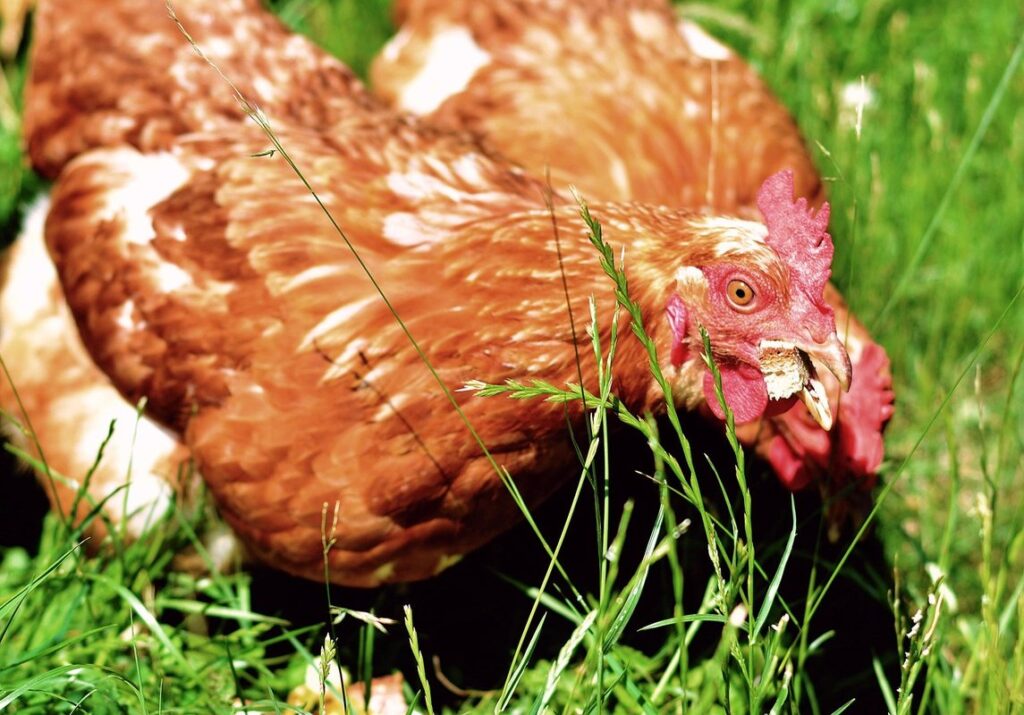
Natural Sources of Calcium in the Chicken’s Diet
When it comes to a balanced diet, incorporating natural sources of calcium is essential for your chicken’s overall health and well-being. Let’s explore some of these valuable resources together.
Grass and Leafy Greens
When it comes to providing calcium-rich foods for your flock, grass and leafy greens are an excellent choice. These nutrient-dense plants are not only a great source of calcium but also offer essential vitamins, minerals, and fiber.
Some of the best leafy greens for chickens include kale, spinach, collard greens, and mustard greens. Kale is particularly high in calcium, containing about 250 milligrams per cup, making it an excellent choice to add to their diet. Spinach, on the other hand, has a slightly lower calcium content but offers a rich source of iron.
To incorporate grass and leafy greens into your chickens’ diet, try adding them fresh or dried to their feed or providing a shallow dish of water with leaves for them to peck at. You can also mix a handful of chopped kale or spinach with their favorite treats or mealworms to encourage healthy eating habits. Aim to provide about 1/4 cup of leafy greens per chicken daily, adjusting the amount based on their age and individual needs.
Crushed Oyster Shells
Crushed oyster shells are an excellent natural source of calcium for chickens. Not only do they provide a rich supply of this essential mineral, but their bioavailability is also extremely high, making them easily absorbed by the chicken’s body.
One of the main benefits of using crushed oyster shells as a calcium supplement is that they’re effortless to incorporate into your flock’s diet. Simply sprinkle them on top of the feed or mix them in with the layer mash. Many backyard chicken keepers swear by their ease of use and effectiveness, resulting in strong eggshells and overall improved health.
However, it’s crucial to note potential concerns regarding sourcing and processing. Look for crushed oyster shells that are sourced from reputable suppliers and processed using low-heat methods to avoid destroying the delicate nutrient profiles. Some manufacturers may also add preservatives or other fillers, so be sure to choose a product with minimal ingredients.
When selecting crushed oyster shells, opt for those that contain at least 30% calcium carbonate by weight to ensure they’re providing the necessary boost of this essential mineral.
Dark Leafy Greens and Vegetables
In addition to calcium-rich foods like oyster shells and crushed eggshells, dark leafy greens are an excellent source of calcium for chickens. Among these, collard greens, mustard greens, and broccoli stand out as particularly high in calcium content. Collard greens, for instance, contain around 250 milligrams of calcium per 100 grams, making them a valuable addition to your flock’s diet.
You can feed fresh or frozen dark leafy greens to your chickens, but be sure to introduce them gradually to avoid digestive upset. Start by offering small amounts and monitor your birds’ response before increasing the quantity. Frozen greens are also a convenient option, as they retain their nutrient content better than fresh ones when stored properly.
To incorporate these calcium-rich greens into your flock’s diet, consider adding a few handfuls of chopped collard or mustard greens to their feed once or twice a week. You can also use them as a treat in place of other snacks.
Commercial Calcium Supplements for Chickens
If you’re looking for a convenient and easily accessible source of calcium for your flock, commercial supplements are definitely worth considering. We’ll explore some top brands to keep an eye on.
Limestone Powder
Limestone powder is one of the most widely available and cost-effective calcium sources for chickens. Its benefits include high availability, ease of storage, and minimal handling requirements, making it an attractive option for farmers with large flocks. Additionally, limestone powder can provide a rapid increase in calcium levels when introduced to the flock’s feed.
However, there are also some drawbacks to consider. One major concern is dusting issues – chickens may ingest too much limestone powder, leading to gastrointestinal problems and potentially even respiratory issues. This risk is heightened if the powder is not properly incorporated into the feed or if the birds are prone to eating off the ground. To minimize this risk, farmers can try mixing the limestone powder with other ingredients or using a slow-release formula that reduces dusting.
A general rule of thumb when using limestone powder is to start with small amounts and gradually increase as needed. This allows for better monitoring of calcium levels in the flock and helps prevent over-supplementation. By being aware of these potential drawbacks, farmers can use limestone powder effectively while maintaining their birds’ health and well-being.
Dried Mealworms
Dried mealworms are an excellent alternative calcium source for chickens. Not only do they provide essential protein, but they’re also rich in calcium, making them a valuable addition to a chicken’s diet. A single serving of dried mealworms contains approximately 10-15% calcium, which is roughly equivalent to the amount found in crushed eggshells or oyster shells.
When introducing dried mealworms into your flock’s diet, it’s essential to do so gradually. Sudden changes can lead to digestive upset. Start by mixing a small amount (about 1/4 teaspoon per pound of body weight) with their regular feed and monitor their behavior and health. You can also soak the mealworms in water or provide them as a treat to make mealtime more engaging.
Remember, dried mealworms should not replace your flock’s primary calcium source but rather complement it. Aim for 1-2% of your chicken’s daily diet to come from dried mealworms to ensure they’re getting enough calcium without overdoing it. Always prioritize high-quality mealworms that are free from pesticides and heavy metals.
Pelleted Calcium Supplements
When it comes to commercial calcium supplements for chickens, pelleted options are a popular choice among poultry keepers. These supplements come in various formulations, each designed to cater to specific needs of backyard flocks.
Some common types of pelleted calcium supplements available in the market include:
* Limestone-based pellets: These are often used as a cost-effective alternative to oyster shells and provide a high dose of calcium.
* Dolomitic limestone pellets: These contain additional magnesium, which can be beneficial for chickens with weak bones or those that require extra support during molting.
* Gypsum-based pellets: These are made from gypsum rock and offer a slow-release calcium source.
While pelleted supplements have their benefits – such as convenience and ease of use – there are also some potential drawbacks to consider. For example, some poultry keepers may find it challenging to adjust the dosage according to individual flock needs, or they might experience issues with dust generation during feeding.
To make an informed decision when choosing a pelleted calcium supplement for your chickens, be sure to read labels carefully and look for products that have been tested and certified by reputable organizations. Additionally, consider consulting with a veterinarian or experienced poultry keeper to determine the best calcium supplement for your specific flock’s needs.
Importance of Balanced Nutrition for Optimal Calcium Absorption
Proper nutrition plays a crucial role in calcium absorption, and understanding its importance is essential to providing your flock with optimal levels. Let’s explore this further.
Role of Phosphorus in Calcium Balance
Phosphorus is another essential nutrient that plays a significant role in maintaining calcium balance in chickens. When phosphorus levels are high in the diet, it can bind to calcium and form insoluble compounds, making them less available for absorption. This phenomenon is known as the calcium-phosphorus interaction.
In fact, research has shown that excessive phosphorus intake can reduce calcium absorption by up to 50% (National Research Council, 1994). Therefore, maintaining a balance between calcium and phosphorus is crucial in a chicken’s diet.
A general rule of thumb for laying hens is to provide no more than 1 part phosphorus to every 6 parts calcium. This means that if the feed contains 3% phosphorus, it should also contain at least 18% calcium (NRC, 1994). To maintain this balance, you can adjust the ratio of calcium and phosphorus in their diet by adding supplements or changing the type of feed.
For example, oyster shell grit is a great source of calcium that can help balance out excessive phosphorus levels. By incorporating this supplement into your chickens’ diet, you can ensure they receive the right amount of calcium to maintain strong bones and eggshell production.
Vitamin D3 and Calcium Absorption
Vitamin D3 plays a crucial role in calcium absorption for chickens. This essential nutrient helps regulate the expression of genes involved in calcium transport and bone formation, making it a vital component of a chicken’s diet.
Chickens can synthesize vitamin D3 from sun exposure or consume it through their feed, but this is not always sufficient to meet their needs, especially during winter months when sunlight is scarce. As a general rule, chickens require 1-2 IU (International Units) of vitamin D3 per pound of body weight per day.
To ensure adequate vitamin D3 levels in your flock, you can add supplements or change their feed to include fortified products. However, it’s essential to note that excessive amounts of vitamin D3 can be toxic, so proper dosing is crucial. For example, if a chicken weighs 4 pounds, the recommended daily intake would be around 4-8 IU. Consult with your veterinarian to determine the best approach for your flock.
It’s also worth noting that vitamin D3 works synergistically with calcium to facilitate absorption. When vitamin D3 levels are optimal, calcium is more readily available and utilized by the chicken’s body, promoting healthy bone development and reducing the risk of fractures or other metabolic disorders.
How to Introduce New Calcium Sources Gradually
When introducing new calcium sources to your flock, it’s essential to do so gradually to prevent digestive upset and ensure a smooth transition. This approach also helps you gauge their preferences and needs.
Acclimation Process
When introducing new calcium sources to your flock, it’s essential to follow a gradual acclimation process. This step-by-step approach will help minimize stress and ensure the health of your chickens.
Start by gradually replacing 25% to 50% of their current calcium source with the new one over a period of 7-10 days. Monitor the flock’s behavior, egg production, and overall health during this time. If you notice any adverse reactions, slow down the transition process or consult with a veterinarian for advice.
Continue to introduce small increments (25%) every few days until you’ve replaced their entire current calcium source. It’s crucial to balance the new source with existing feed or supplements to avoid over-supplementation.
Keep in mind that some chickens may be pickier than others when it comes to new calcium sources. Be patient and adjust your approach accordingly. Regularly inspect the flock’s droppings for signs of digestive issues, such as diarrhea or constipation, which can indicate an adverse reaction to the new source.
Common Mistakes to Avoid
When introducing new calcium sources to your flock’s diet, it’s essential to avoid common mistakes that can lead to health issues or decreased egg production. One of the most significant errors is making sudden changes to their diet. This can cause digestive upset, and if not managed properly, may result in serious health complications.
A more gradual approach is recommended. For example, if you’re transitioning from a single calcium source to a combination of sources, start by replacing 25-50% of the original amount with the new source over a period of 7-10 days. Monitor your flock’s behavior and adjust accordingly.
Another mistake to avoid is inadequate preparation. Ensure that any new calcium source is properly stored and handled to prevent contamination. This includes keeping it dry, away from direct sunlight, and protected from pests.
It’s also crucial to assess the nutritional content of the new source and its compatibility with your existing feed. A sudden introduction can lead to an imbalance in their diet, potentially causing deficiencies or over-supplementation. Always consult with a veterinarian or poultry expert before making significant changes to your flock’s calcium sources.
Conclusion: Prioritizing Calcium-Rich Foods for a Healthy Flock
Now that you’ve learned about various calcium sources, let’s summarize how to prioritize these foods in your chicken’s diet for optimal health. Here’s what matters most when it comes to choosing calcium-rich options.
Key Takeaways
When it comes to maintaining a healthy flock, providing adequate calcium-rich foods is crucial. As we’ve discussed throughout this comprehensive guide, there are numerous sources of calcium that can be incorporated into your chickens’ diet.
First and foremost, ensure that you’re offering a balanced layer feed or pellet as the main staple of their diet. This should provide around 2-3% calcium content. However, to boost calcium levels further, supplement with additional foods such as crushed eggshells, dark leafy greens like kale and spinach, and fortified foods specifically designed for chickens.
Don’t forget about the importance of fresh water with a slight pH balance, which helps to absorb calcium more efficiently. Monitor your flock’s overall health by regularly checking for signs of deficiency, such as soft or brittle eggs, lethargy, or weak bones.
By incorporating these simple tips and prioritizing calcium-rich foods, you’ll be well on your way to maintaining a happy and healthy flock.
Final Recommendations
As you’ve now learned about various calcium sources and their importance for a healthy flock, it’s time to put this knowledge into action. To ensure your chickens are getting the calcium they need, follow these final recommendations.
Firstly, maintain a balanced diet by offering a mix of calcium-rich foods daily. You can do this by providing a layer feed that is specifically formulated with adequate calcium levels or supplementing their regular feed with crushed oyster shells or dark leafy greens like kale and spinach. Ensure the supplement doesn’t exceed 5% of their total daily intake.
Monitor your flock’s health closely, keeping an eye out for signs of calcium deficiency such as softening eggshells, lethargy, or weak bones. If you notice any of these symptoms, adjust their diet accordingly and consider consulting a veterinarian for further guidance. Regularly checking the quality and quantity of food offered will also help prevent potential issues like overfeeding or underfeeding.
Additionally, store calcium supplements in an area where they won’t get wet or contaminated to maintain their effectiveness.
Frequently Asked Questions
How can I ensure my chickens are getting enough calcium from their diet?
Ensure your flock is consuming a variety of calcium-rich foods, including grass, leafy greens, crushed oyster shells, and other natural sources mentioned in the article. Monitor their overall health, egg production, and droppings to assess if adjustments need to be made.
What’s the best way to introduce new calcium sources to my flock?
When introducing a new calcium source, do it gradually over 2-3 weeks to avoid digestive upset. Start by mixing a small amount (about 10%) with their existing feed or supplement and increase as needed. This allows your chickens’ systems to adjust.
Can I use commercial calcium supplements in place of natural sources?
Commercial calcium supplements can be used, but it’s essential to choose products specifically formulated for chickens and follow the manufacturer’s guidelines. Natural sources often provide additional benefits like vitamins and minerals; consider a balanced approach that incorporates both.
How do I know if my flock is absorbing calcium effectively?
Pay attention to your chickens’ overall health, egg production, and droppings. A balanced diet and adequate sunlight exposure (to boost Vitamin D3) can enhance calcium absorption. If you notice any issues, consult with a veterinarian or poultry expert for guidance.
What’s the ideal ratio of calcium to phosphorus in my flock’s feed?
Aim for a 2:1 or 3:1 calcium-to-phosphorus ratio. This ensures optimal bone growth and health. Consult with a veterinarian or poultry nutritionist to determine the best balance for your specific flock and dietary needs.