
As a poultry farmer or enthusiast, you’re likely no stranger to the importance of monitoring your broilers’ growth. A well-planned weight gain chart is crucial in optimizing their development and ensuring they reach market weight efficiently. But have you ever wondered what constitutes normal growth patterns for your birds? Or how factors like nutrition, genetics, and health can impact their progress? In this article, we’ll delve into the world of broiler weight gain charts, exploring the key elements to include and advanced techniques to boost growth rates. By the end of this expert guide, you’ll be equipped with the knowledge to create a tailored weight gain chart that maximizes efficiency and improves overall flock performance, setting your operation up for long-term success. Let’s get started!
Understanding Broiler Growth Stages
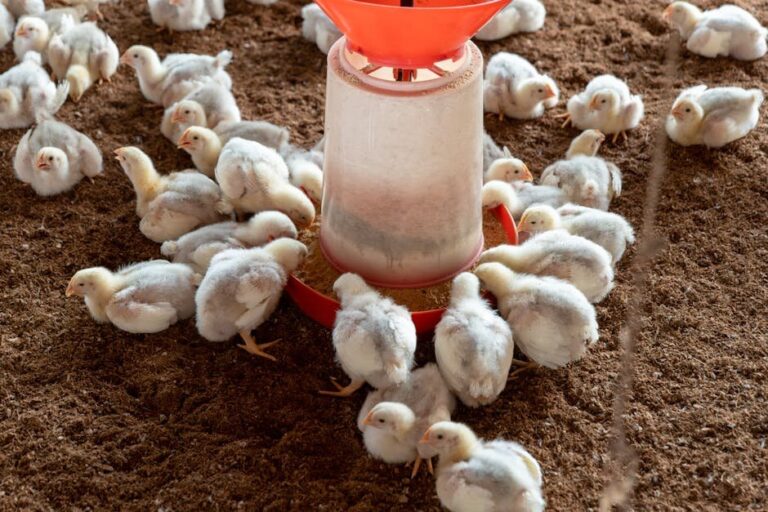
Let’s dive into the different growth stages of broilers, from hatch day to market weight, and how they impact your flock’s overall health and productivity. This will help you better understand their needs and optimize your management strategies.
Normal Growth Patterns in Broilers
When it comes to normal growth patterns in broilers, understanding their weight gain milestones and expected weights at different ages is crucial for interpreting a weight gain chart effectively. On average, a broiler’s weight gain accelerates rapidly during the first 6-8 weeks of life, with some breeds reaching maturity in as little as 40 days.
During this critical growth phase, a broiler can expect to gain around 1.5-2 pounds per day, with their body weight increasing by 100-150% in just a few short weeks. By the time they reach 20-22 weeks of age, a male broiler should weigh approximately 4-5 pounds, while a female will typically top out at about 3-4 pounds.
It’s essential to remember that these are general estimates and can vary depending on factors such as breed, nutrition, and management practices. A well-planned weight gain chart can help you track your birds’ progress against these benchmarks, ensuring they reach their full growth potential while minimizing the risk of overfeeding or underfeeding.
Factors Affecting Broiler Growth
When raising broilers for meat production, it’s essential to understand that growth is influenced by several factors. Breed selection plays a significant role, as some breeds grow faster and larger than others. For instance, the Ross 308 breed is known for its rapid weight gain and high yield.
However, even with the right breed, feed quality significantly impacts broiler growth. A nutritious diet rich in protein and energy helps them reach their full potential. But poor-quality feed can lead to stunted growth and reduced performance. It’s crucial to source feed from reputable suppliers to ensure optimal nutrition.
Climate conditions also affect broiler growth. Extreme temperatures, humidity levels, or ventilation issues can stress the birds, leading to slower weight gain. For example, a sudden drop in temperature can cause the broilers to become lethargic and stop eating, hindering their growth.
Lastly, maintaining good health is critical for broiler growth. Diseases such as coccidiosis, necrotic enteritis, and respiratory infections can decimate a flock’s growth rate. Vaccination programs, sanitation practices, and biosecurity measures are essential to prevent disease outbreaks and ensure healthy weight gain.
Creating a Broiler Weight Gain Chart
To accurately track broiler growth, you’ll need to create a weight gain chart that takes into account various factors such as breed, feed type, and age. This section walks you through each step of creating your own chart.
What to Include in Your Chart
When creating a broiler weight gain chart, it’s essential to include critical information that helps you track and analyze the birds’ growth. This includes age, weight, feed consumption, and relevant health metrics.
Start by tracking the age of each bird on your chart, as this is crucial for determining their growth rate. You can list the age in days or weeks, depending on your preference. Next to it, note down the corresponding weight of each bird. Make sure to include the weight in a consistent unit, such as pounds or kilograms.
Feed consumption is also vital, as it directly affects the birds’ growth. Record the amount of feed each group consumes daily, and calculate their average consumption over time. Consider including health metrics like mortality rates, fertility levels, and any signs of disease or illness. When formatting your chart, use a clear and consistent layout to make data interpretation easier.
For instance, you can use separate columns for age, weight, feed consumption, and health metrics. Use different colors or symbols to highlight important trends or milestones in the birds’ growth.
Tips for Accurate Data Collection
Collecting accurate data from your broiler farm or operation is crucial for creating a reliable and effective weight gain chart. To minimize errors and ensure consistency across multiple measurements, start by standardizing your data collection process.
Establish a uniform format for recording data, including the date, time of day, and specific weight measurements. Consider investing in a digital scale to reduce human error and ensure precise readings. Train all personnel involved in data collection on proper technique and record-keeping procedures to avoid inconsistencies.
Regularly review and audit your data collection process to identify potential issues or biases. Look for patterns in discrepancies or anomalies that may indicate errors or variations in measurement techniques. Implement corrective actions as needed to maintain the integrity of your weight gain chart. By following these steps, you’ll be able to collect accurate and reliable data, which will enable you to create a comprehensive broiler weight gain chart that accurately reflects the performance of your operation.
Interpreting the Broiler Weight Gain Chart
Now that you’re familiar with the chart, let’s dive into how to accurately interpret its data and use it to optimize your broiler feeding schedule.
Identifying Growth Patterns and Issues
When analyzing the broiler weight gain chart, it’s essential to identify areas where growth may be hindered by disease, parasites, or other factors that affect weight gain. To do this effectively, look for deviations from the expected growth pattern.
Deviation from the mean can indicate issues such as disease outbreaks, parasite infestations, or poor feed quality. For example, if you notice a sudden drop in weight gain during a specific period, it may be an indication of a disease outbreak. Identify the exact time frame and look for any other related symptoms such as lethargy, loss of appetite, or changes in droppings.
Also, inspect the chart for periods where growth is slower than expected. This could be due to factors like poor feed quality, inadequate nutrition, or management practices that are not conducive to optimal weight gain. Be aware that some weight fluctuations can occur naturally and may not necessarily indicate an issue. However, consistent deviations from the mean warrant further investigation.
It’s also crucial to monitor other metrics such as feed conversion ratio (FCR) and mortality rates for correlations with weight gain issues.
Adjusting Feeding Strategies Based on Chart Data
When analyzing the broiler weight gain chart, you’ll notice areas where your birds are growing faster or slower than expected. This data is crucial in making informed decisions to optimize feeding strategies and improve overall efficiency. By identifying trends and patterns on the chart, you can pinpoint areas for improvement.
For instance, if the chart shows a steady increase in weight but a slight dip during a specific period, it may indicate that your birds are experiencing stress or require adjustments to their feed intake. Conversely, if the chart reveals rapid growth during certain periods, it could mean your feeding strategy is spot on.
To adjust feeding strategies based on chart data, follow these steps:
* Monitor and record bird weights regularly to track progress.
* Identify any dips or plateaus in weight gain and investigate possible causes (e.g., feed quality, water availability, temperature fluctuations).
* Adjust feed intake or formulation accordingly, taking into account the birds’ growth rate and age.
* Continuously monitor and adjust feeding strategies as needed to maintain optimal growth rates.
By making data-driven decisions based on the broiler weight gain chart, you can optimize feeding strategies, reduce waste, and improve overall efficiency.
Common Weight Gain Issues in Broilers
As a broiler owner, you’re likely familiar with the challenges of maintaining optimal weight gain in your flock. Let’s explore some common issues that can affect broiler weight gain.
Signs of Malnutrition or Overfeeding
As you monitor your broilers’ weight gain progress using the chart, it’s essential to recognize early warning signs of malnutrition or overfeeding. Slow growth rates can be a clear indication that something is amiss. If your birds are not reaching their expected weight milestones as per the chart, it may be due to inadequate nutrition or an imbalance in feed components.
Other telltale signs include feather pecking, which can be a sign of nutrient deficiencies or stress caused by overfeeding. Visible health issues such as labored breathing, lethargy, or dull plumage are also red flags. In contrast, overfeeding can lead to obesity-related problems like joint issues and reduced egg production in hens.
To prevent these issues, ensure you’re providing a balanced diet according to the manufacturer’s instructions. Monitor your birds’ consumption patterns closely, making adjustments as needed. Regular health checks will also help identify any potential problems early on. Remember, a well-planned feeding strategy is crucial for optimal weight gain and overall broiler health.
Effective Strategies for Troubleshooting Weight Gain Issues
Troubleshooting weight gain issues in broilers requires a combination of monitoring, analysis, and adjustment. To identify potential problems, it’s essential to track growth curves regularly and adjust feeding schedules accordingly. Monitor feed intake, water consumption, and litter quality closely, as these can significantly impact weight gain.
Common causes of weight gain issues include inadequate nutrient balance, overfeeding or underfeeding, and poor environmental conditions. For instance, a study showed that broilers fed with a nutrient-deficient diet had lower growth rates compared to those receiving balanced feed. To address this, consider implementing precision feeding strategies that optimize nutrient delivery.
Another crucial aspect is maintaining optimal living conditions. Ensure adequate ventilation, maintain comfortable temperatures, and control humidity levels within the recommended range. Regular health checks can also help detect any underlying issues that may hinder weight gain. By combining these steps, you’ll be better equipped to identify and address potential problems, promoting healthy broiler development.
Implementing a Broiler Weight Gain Chart in Your Operation
Now that you have a solid understanding of broiler weight gain charts, let’s dive into implementing one effectively in your operation. This involves creating a tailored plan to track and optimize growth.
Integrating the Chart into Your Daily Routine
To integrate the broiler weight gain chart into your daily routine, it’s essential to make it an integral part of your decision-making process. Start by displaying the chart prominently in a location where feeding staff can easily access and review it on a regular basis.
During daily weigh-ins, have staff reference the chart to identify any deviations from expected growth rates. This will enable them to adjust feeding strategies accordingly, whether it’s increasing feed intake or adjusting nutritional content. For instance, if birds are growing at a slower rate than anticipated, staff can consult the chart to determine if they need to provide more energy-dense feeds.
Make sure to update the chart regularly with new data to ensure accuracy and relevance. This will also help you track progress over time and make informed decisions about future feeding strategies. By incorporating the chart into your daily operations, you’ll be able to optimize feed efficiency, reduce waste, and improve overall bird health and productivity.
Benefits of Using a Weight Gain Chart Long-Term
Implementing a weight gain chart in your broiler operation can have far-reaching benefits that extend beyond immediate results. In the long term, using such a chart can significantly enhance efficiency and profitability through better decision making.
For instance, by closely monitoring individual bird weights and growth rates, you’ll be able to identify early signs of underperformance or illness within the flock. This allows for timely interventions, which not only improve overall health but also boost weight gain and ultimately reduce costs associated with disease control and treatment.
Another key advantage is improved feed utilization efficiency. By analyzing growth patterns and identifying optimal feeding schedules, you can refine your nutrition strategy to meet the specific needs of each stage of development. This targeted approach ensures that nutrients are being used most effectively, minimizing waste and optimizing weight gain per unit of feed consumed.
Regular review of the chart will also enable data-driven decisions regarding culling, marketing, and other management strategies. By basing these decisions on accurate, up-to-date information about individual bird performance and overall flock dynamics, you can maximize profitability while ensuring the health and well-being of your birds.
Advanced Techniques for Optimizing Broiler Growth
To take your broiler growth to the next level, we’ll dive into advanced techniques that maximize weight gain and ensure a healthy flock. This includes strategies like optimal nutrition planning and stress management.
The Role of Precision Feeding in Broiler Production
Precision feeding is an advanced technique that has revolutionized broiler production by optimizing growth rates. This method involves providing individual birds with tailored feed rations based on their unique needs, growth stages, and genetic potential. By doing so, farmers can significantly improve weight gain, reduce waste, and enhance overall efficiency.
For instance, a study conducted by the University of Arkansas found that precision feeding increased broiler growth rate by 8% compared to traditional feeding methods. This is achieved by adjusting feed rations according to factors such as age, sex, and genetic line. Farmers can use precision feeding software or consult with experts to create customized feeding plans.
To implement precision feeding in your operation, start by monitoring your birds’ growth rates and identifying areas where adjustments are needed. Use this data to fine-tune feed rations and make informed decisions about nutrient levels and delivery schedules. Regularly review progress and adjust as necessary to ensure optimal results. By adopting precision feeding techniques, you can unlock significant improvements in broiler weight gain and overall production efficiency.
Potential Applications of Technology for Enhanced Weight Gain Monitoring
The emergence of advanced technologies is revolutionizing the way we monitor and analyze weight gain metrics for broilers. One such technology is wearable sensors that can be attached to individual birds, providing real-time data on their activity levels, temperature, and humidity exposure. This data can be used to identify early warning signs of stress or illness, allowing farmers to take prompt action to prevent weight loss.
Another innovative approach is the use of artificial intelligence (AI) and machine learning algorithms to analyze large datasets on broiler growth patterns. These algorithms can help identify trends and correlations that may not be apparent through manual analysis, enabling farmers to make more informed decisions about feeding and nutrition strategies.
Additionally, the Internet of Things (IoT) is being leveraged to create connected farms where sensors and devices communicate with each other in real-time, providing a holistic view of farm operations. This can include monitoring temperature and humidity levels, as well as tracking feed intake and water consumption.
These emerging technologies have the potential to significantly enhance weight gain monitoring for broilers, enabling farmers to make data-driven decisions that optimize growth rates while minimizing costs.
Frequently Asked Questions
What are some common mistakes to avoid when creating a broiler weight gain chart?
When creating a weight gain chart, it’s essential to avoid underestimating or overestimating your flock’s growth potential. This can lead to inaccurate feeding strategies and compromised performance. To avoid this, regularly review your data, account for individual breed characteristics, and consider using advanced analytics tools to refine your predictions.
How often should I collect weight gain data from my broiler flock?
Collecting weight gain data too infrequently can hinder timely adjustments to feeding strategies. It’s recommended to collect data at least weekly during the initial growth stages (0-6 weeks) and then adjust frequency based on the specific needs of your operation. This will help you identify trends and make informed decisions about feed allocation.
What are some signs that my broilers may be experiencing malnutrition or overfeeding?
Monitor your flock’s overall health, including droppings consistency, feather condition, and energy levels. Keep an eye out for weight gain inconsistencies, changes in growth rates, or unusual mortality patterns. These indicators can signal the need to adjust feeding strategies or consult with a poultry expert.
Can I use technology to enhance weight gain monitoring in my broiler operation?
Yes, leveraging technology such as precision feeding systems or mobile apps designed specifically for poultry management can significantly streamline your weight gain monitoring process. Consider integrating these tools to improve accuracy, efficiency, and data-driven decision-making within your operation.
How do I incorporate a broiler weight gain chart into my daily routine?
Effective implementation of a weight gain chart requires regular review and analysis of data. Allocate dedicated time each week to review charts, identify trends, and adjust feeding strategies accordingly. Integrate this practice into your existing management routine, such as during weekly check-ins or production meetings, to ensure timely responses to changing conditions in the flock.