
As a bird enthusiast or DIY project enthusiast, you’re likely aware of the importance of creating a safe haven for local wildlife populations. One crucial aspect to consider when building or maintaining nesting boxes is installing nest box curtains. These simple yet effective additions can significantly enhance bird safety by shielding them from harsh weather conditions, predators, and curious onlookers. But that’s not all – nest box curtains also improve viewing experiences for nature enthusiasts like yourself. In this article, we’ll delve into the world of nest box curtains, exploring expert tips on choosing the right type, installation, and maintenance to support local wildlife populations with your DIY project or existing nesting boxes.
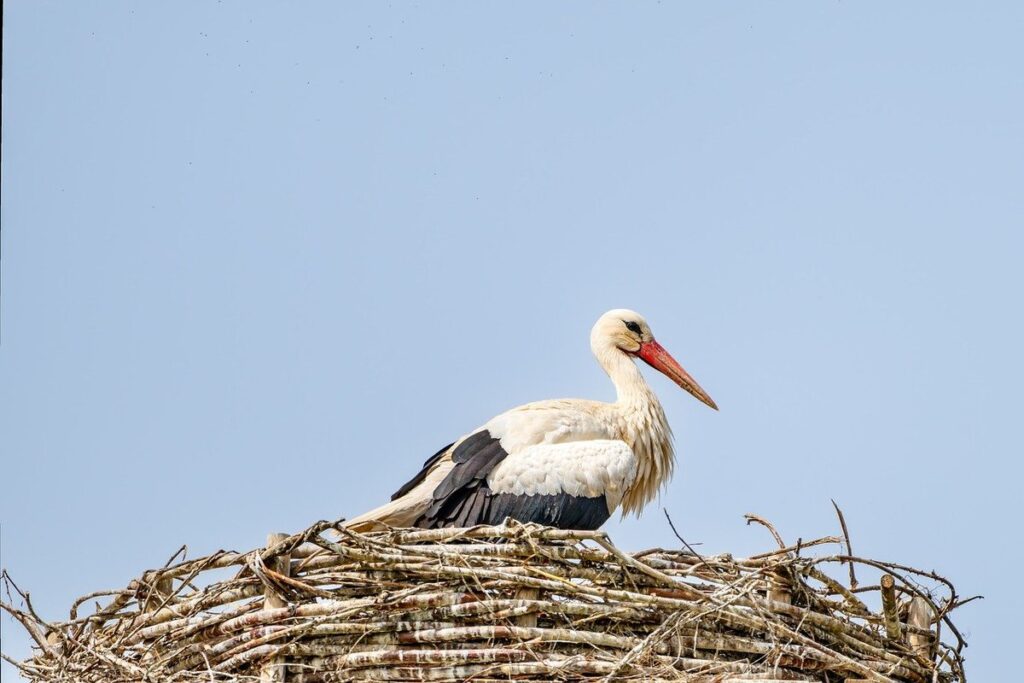
Benefits and Advantages of Using Nest Box Curtains
So, you’re wondering what makes nest box curtains so special? In this section, we’ll dive into the benefits and advantages that make them a worthwhile investment for bird enthusiasts.
Improved Wildlife Viewing Experience
When you install nest box curtains, you’re not only providing a safe haven for birds to raise their young but also creating an unparalleled opportunity for wildlife observation. These curtains can transform your backyard into a birdwatcher’s paradise, allowing you to observe the nesting area without disturbing the birds.
One of the most significant benefits of using nest box curtains is that they enable clear viewing of the nesting area. This is especially useful when it comes to monitoring the progress of the breeding season or observing specific behaviors such as courtship displays and chick-rearing activities. By providing a transparent view, you can observe these events without causing any disruption to the birds.
To maximize your wildlife viewing experience with nest box curtains, position yourself at a comfortable distance from the nesting area. Use binoculars or a spotting scope to get an even closer look without disturbing the birds. With patience and practice, you’ll be able to identify different species, track their behavior, and appreciate the intricate details of birdlife up close.
Enhanced Bird Safety
When it comes to installing nest box curtains, safety is a top priority. One of the most significant benefits of using these curtains is their ability to prevent window collisions and protect birds from human disturbance. Window collisions are a leading cause of bird fatalities, with an estimated 1 billion birds dying each year in North America alone.
By placing a curtain between the nest box and the surrounding area, you can significantly reduce the risk of this occurring. The curtain acts as a visual barrier, making it difficult for birds to see the window and preventing them from flying into it. This is especially important during breeding season when birds are more active and may be less aware of potential hazards.
In addition to preventing window collisions, nest box curtains can also protect birds from human disturbance. When humans approach a nest, they can cause stress and anxiety in the birds, potentially leading to abandonment or even predation by other animals. By keeping the surrounding area hidden from view, you can minimize disruption to the nesting birds and allow them to thrive in their natural environment.
Types of Nest Box Curtains Available
Let’s dive into the various types of nest box curtains available, each designed to meet specific needs and preferences for backyard bird enthusiasts. From simple to elaborate designs, you’ll find an option that suits your unique setup.
Fabric-Based Curtains
When it comes to fabric-based curtains for nest boxes, you have several material options to consider. Cotton is a popular choice due to its breathability and gentle texture on the birds’ feathers. However, cotton may not provide sufficient UV protection or blockage from drafts.
Mesh fabrics are another option that offers excellent airflow while keeping pests out. They’re often made from synthetic materials like nylon or polyester and can be a good choice for nesting boxes with high humidity levels. On the other hand, mesh curtains might compromise on insulation and noise reduction.
Plastic-based curtains, such as PVC-coated fabric, provide excellent durability and water resistance. Yet, they can trap heat and moisture inside the nest box, potentially leading to health issues in the birds. Consider using plastic curtains with built-in ventilation or airflow features to mitigate this issue.
Ultimately, choose a material that balances your specific nesting box needs with the well-being of its inhabitants. Consider factors like climate, humidity levels, and bird species when selecting fabric-based curtains for your nest boxes.
Transparent and Semi-Transparent Options
If you’re looking for nest box curtains that allow natural light and visibility while still protecting birds, transparent and semi-transparent options are a great choice. These types of curtains offer the perfect balance between visibility and bird safety.
One of the main advantages of transparent and semi-transparent curtains is that they allow for maximum visibility into the nest box, making it easier to monitor the nesting activity without disturbing the birds. This can be especially useful for backyard bird enthusiasts who want to observe and learn about different species. For instance, a transparent curtain with a mesh material can provide 70-80% light transmission while keeping out larger predators.
When choosing between transparent and semi-transparent curtains, consider the specific needs of your nest box setup. If you’re concerned about large birds or other animals getting injured on the wire mesh, opt for a semi-transparent option that has thicker wires or a denser weave.
Installation and Maintenance Tips
When it comes to getting the most out of your nest box curtains, proper installation is key. We’ll walk you through some essential tips to ensure they’re installed correctly and maintained for years to come.
Choosing the Right Size and Shape
When it comes to choosing the right size and shape of nest box curtains, there are several factors to consider. The primary consideration is the species of bird that will be using the nest box, as different birds have varying preferences when it comes to curtain size and shape.
For example, bluebirds prefer a smaller entrance hole, typically around 1-2 inches in diameter, while robins and sparrows require larger holes, around 3-4 inches. It’s also essential to consider the nesting habits of the bird species, as some may require more cover or ventilation than others.
A good rule of thumb is to choose a curtain that allows for a small gap between the curtain and the nest box entrance hole, typically around 1/8 inch. This will provide sufficient light and ventilation while also protecting the birds from predators. When selecting the shape of the curtain, consider a rectangular or square shape to maximize coverage and minimize gaps.
Remember, it’s not just about covering the entire entrance hole; you want to create a comfortable and secure environment for your feathered friends.
Easy Installation Methods
Attaching nest box curtains is a relatively straightforward process that can be completed with minimal tools and expertise. Before you begin, ensure that the curtain material is suitable for outdoor use and can withstand various weather conditions.
To install the curtains without causing damage to the nest box or nearby structures, follow these simple steps:
* Start by measuring the area around the nest box to determine the best location for the rod or hook.
* Use a screwdriver or drill to attach screws or hooks to the structure, taking care not to harm any surrounding plants or wires.
* Hang the curtains on the installed rod or hook, making sure they are securely fastened.
Alternatively, you can use adhesive-backed magnets or strong adhesive strips to hang the curtains directly from the metal roof of the nest box. This method is ideal for smaller boxes and eliminates the need for additional hardware.
When choosing a location for your nest box curtains, consider the direction of sunlight and potential wind patterns in your area to ensure optimal performance. By following these simple installation techniques, you can enjoy the benefits of nesting bird-friendly features while maintaining the integrity of your outdoor space.
Bird-Friendly Design Considerations
When designing a space for nest box curtains, it’s essential to consider how you can make your home more inviting to birds. This includes thinking about bird-friendly design elements and features.
Aesthetics and Visual Appeal
When it comes to choosing nest box curtains, many people focus solely on functionality – and rightly so. However, aesthetics play a significant role in creating an inviting and harmonious environment for both humans and birds. A thoughtfully designed curtain can elevate the visual appeal of your bird-friendly setup, making it a joy to observe and interact with.
Consider the color palette and texture of your curtains. Earthy tones such as sage green or sand beige blend seamlessly into natural surroundings, creating a sense of continuity. On the other hand, bright colors like sky blue or sunshine yellow can add a pop of vibrancy, drawing attention to the nesting area.
Incorporate patterns that complement the surrounding environment, like leaves or branches, to create a cohesive look. Avoid bold or busy designs that may distract from the birds’ natural behavior or overwhelm the space.
Remember, the ultimate goal is to strike a balance between form and function. By choosing curtains with visual appeal in mind, you’ll not only create a welcoming atmosphere for humans but also provide a comfortable and secure habitat for your feathered friends.
Durability and Weather Resistance
When it comes to choosing nest box curtains, durability and weather resistance are crucial considerations. After all, you want your curtains to withstand the elements while providing a safe and cozy environment for birds to nest.
Look for materials that can handle rain, snow, and extreme temperatures without compromising their performance. Some essential features of durable and weather-resistant materials include:
* Water-repellent coatings or treatments that prevent water from seeping into the curtain’s fabric
* Breathable mesh panels that allow moisture to escape while keeping wind out
* Heavy-duty stitching and construction that can withstand rough handling by birds and harsh weather conditions
Consider using materials like waterproof nylon, polyester, or cotton blends with a water-repellent finish. You can also opt for curtains made from natural fibers like jute or sisal, which are inherently durable and resistant to rot and decay.
When selecting nest box curtains, check the manufacturer’s specifications and reviews to ensure they meet your local climate and weather conditions. Additionally, consider adding a layer of protection with clear plastic window film or bird-friendly coating to enhance durability even further. By choosing the right materials, you can enjoy long-term performance from your nest box curtains while keeping birds safe and happy.
DIY Nest Box Curtain Projects and Ideas
Want to create a unique and functional addition to your home while supporting local wildlife? This section shares creative DIY nest box curtain projects and ideas.
Upcycling Old Materials
Upcycling old materials is an excellent way to breathe new life into discarded items and create unique, eco-friendly curtain designs for your nest box. Think beyond the ordinary fabric store and explore unconventional sources like thrift stores, garage sales, or even your own closet. Old sheets, towels, and clothing can be repurposed as a material for your curtain.
Consider upcycling an old mesh laundry bag into a netting curtain, allowing for airflow while keeping pests out. You can also use an old window screen to create a decorative, yet functional, curtain. If you’re feeling crafty, try decoupage techniques using vintage book pages or music sheets to add a touch of personality to your curtain.
When upcycling materials, keep in mind the durability and weather resistance needed for outdoor use. Choose materials that can withstand the elements and are easy to clean. Get creative and have fun with the process – it’s a great way to give old materials new life while reducing waste. With a little imagination, you can turn discarded items into one-of-a-kind curtain designs that not only protect your nest box but also reflect your personal style.
Simple Sewing Patterns and Tutorials
If you’re looking to create your own nest box curtains, sewing patterns can be a great resource. Simple sewing patterns and tutorials can help beginners get started on their DIY project without feeling overwhelmed.
One popular pattern for nest box curtains is the rectangle panel design. This involves cutting two identical panels from fabric, which are then sewn together with a simple running stitch or a decorative stitch to create a finished curtain. You can use any type of fabric you like, but choose one that’s breathable and easy to clean.
To get started, you’ll need some basic sewing supplies, including a sewing machine, scissors, and a measuring tape. Choose a pattern that suits your skill level and the design you have in mind for your nest box curtains. You can find many free or paid patterns online, ranging from simple to more complex designs.
When following a pattern, be sure to read through the instructions carefully before starting to sew. Pay attention to any measurements and fabric requirements specified in the pattern. This will help ensure that your curtain fits perfectly around your nest box and looks great when hung.
Common Myths and Misconceptions
As you delve into choosing the perfect nest box curtains, it’s easy to get caught up in misconceptions – let’s set the record straight on a few common myths.
Separating Fact from Fiction
When it comes to nest box curtains, there are several misconceptions that can leave bird enthusiasts wondering whether they’re truly making a difference. One common myth is that nest box curtains are an unnecessary expense, as birds won’t use them even if they’re installed.
However, research suggests otherwise. Studies have shown that installing nest box curtains can increase the chances of successful nesting by up to 30%. This is likely due to the protection from predators and harsh weather conditions that these curtains provide. For example, a study conducted in the UK found that birds nesting in boxes with curtains were significantly less likely to be raided by sparrowhawks.
Another misconception is that nest box curtains are only beneficial for specific bird species. While some species may prefer the added security of curtains, others may not use them at all. However, this doesn’t mean that installing curtains won’t benefit any birds. In fact, many bird species will still choose to nest in boxes with curtains if they feel it provides a safe and comfortable environment.
It’s also worth noting that not all nest box curtains are created equal. Some materials may be more effective at providing protection from the elements than others. For example, mesh curtains allow for airflow and visibility while keeping predators out, making them an excellent choice for species like blue tits and robins. When selecting a curtain, consider the specific needs of the bird species you’re trying to attract.
By choosing the right type of curtain and installing it correctly, you can make your nest box an attractive and safe haven for birds.
Frequently Asked Questions
Can I use pre-made curtains from a hardware store as nest box curtains?
While it’s technically possible, using pre-made curtains might not provide the same level of protection or viewing experience as specifically designed nest box curtains. Consider factors like durability, material, and transparency when choosing a curtain for your nest boxes.
How do I choose between transparent and semi-transparent options for my nest box curtains?
The choice between these two types depends on your primary goal: bird safety or viewing experience. Transparent curtains provide an unobstructed view but may compromise bird safety if not installed correctly. Semi-transparent curtains balance both aspects, allowing for observation while maintaining some level of protection.
Can I use any type of fabric for my nest box curtains?
Not all fabrics are suitable for nest box curtains. Look for durable, weather-resistant materials like cotton or polyester blends that can withstand outdoor conditions. Avoid using thin or delicate fabrics that may tear easily or compromise bird safety.
How often should I clean and maintain my nest box curtains?
Regular maintenance is crucial to ensure the longevity of your nest box curtains. Clean them every 2-3 months, especially after harsh weather seasons. Check for signs of wear and tear, and repair or replace them as needed to continue providing a safe haven for birds.
What if I’m new to DIY projects? Can I still install nest box curtains?
Yes, with some basic knowledge of sewing and measurement skills, you can successfully install nest box curtains. Start by reading the main article, and consider consulting online tutorials or seeking guidance from experienced bird enthusiasts or DIY experts.