
As a backyard chicken keeper, you know that protecting your flock is a top priority. One crucial aspect of coop building or renovation is selecting the right chicken wire gauge to ensure your birds’ safety and security. But with so many options available, it can be overwhelming to choose the perfect gauge for your climate, coop size, and predator-proofing needs.
In this article, we’ll break down the essentials of measuring, installing, and maintaining your chicken wire mesh, providing expert tips on how to select the ideal gauge for your flock. Whether you’re a seasoned homesteader or just starting out with backyard chickens, understanding the importance of chicken wire gauge will help you create a secure and happy home for your feathered friends. We’ll delve into the world of gauge measurements and explore how to choose the right mesh size for your climate zone.
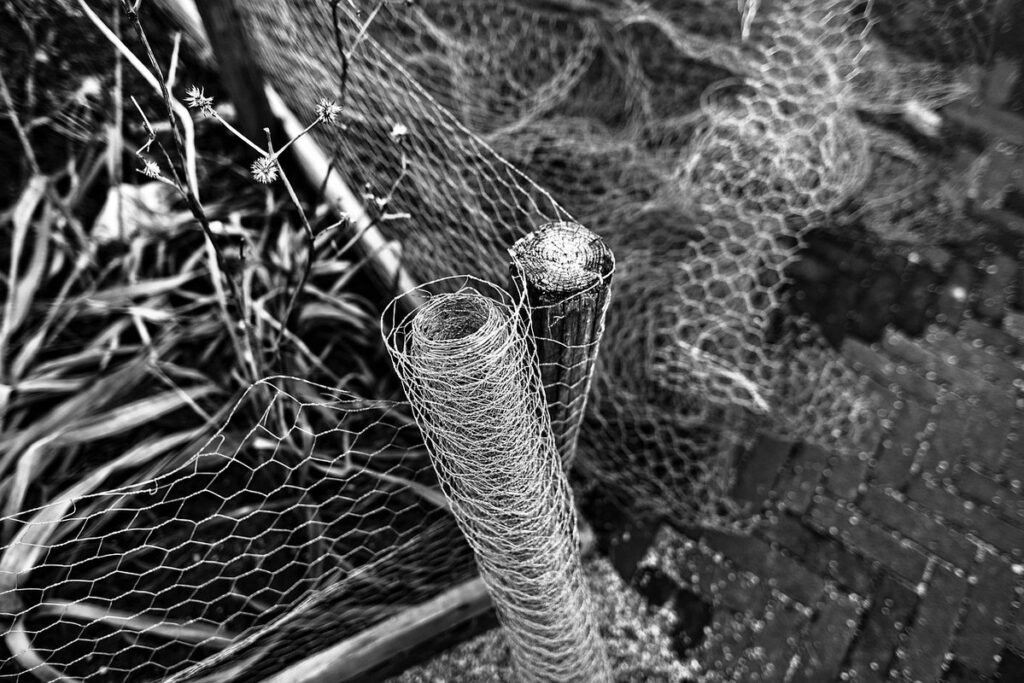
Understanding Chicken Wire Gauge
To determine the best chicken wire gauge for your coop, you need to understand what it is and how different gauges affect the strength and durability of your enclosure.
What is Chicken Wire Gauge?
When it comes to building or repairing a chicken coop, one of the most critical components is the chicken wire gauge. But what exactly is it? In simple terms, chicken wire gauge refers to the thickness and strength of the metal wire used to make chicken wire mesh. It’s measured in gauges, with lower numbers indicating thicker wires (and stronger mesh) and higher numbers indicating thinner wires (and weaker mesh).
The importance of choosing the right chicken wire gauge for your coop cannot be overstated. A thin-gauge wire may not provide sufficient protection against predators like raccoons, foxes, or hawks, while a thick-gauge wire can make it difficult to see inside the coop. A good rule of thumb is to choose a wire with a gauge between 9 and 14 for most coop applications. This range provides an optimal balance between strength and visibility.
When selecting a chicken wire gauge, consider the specific threats your coop faces and the type of animals you’re housing. For example, if you live in an area with high predator activity, you may want to opt for a thicker-gauge wire to ensure maximum protection.
How to Measure Chicken Wire Gauge
Measuring chicken wire gauge can be a bit tricky, but don’t worry, we’ve got you covered. The first step is to understand what gauge actually means in the context of chicken wire. In simple terms, gauge refers to the thickness or diameter of the wires that make up the mesh.
To accurately measure chicken wire gauge, you’ll need a wire gage tool, which can be purchased at most hardware stores or online. This specialized tool allows you to insert the wire into the appropriate holes and get an instant reading on the gauge size. You can also use a caliper, but this may require some expertise.
When using a wire gage tool, make sure to insert the wire carefully to avoid stretching or bending it, which can affect the measurement. Take multiple readings if possible to ensure accuracy. For example, if you’re looking at 1 inch (25mm) mesh, you’d want to measure both horizontally and vertically to confirm that the gauge is consistent throughout.
If your coop has existing chicken wire installed, check for any signs of wear or damage before measuring new wire to be sure they match.
Common Mistakes When Measuring Gauge
When measuring chicken wire gauge, it’s easy to get caught up in the numbers and miss some crucial details. One common mistake is misinterpreting the gauge number itself. Don’t assume that a lower gauge number means thinner wire – it actually means thicker wire. For example, 2-gauge wire is actually thicker than 3-gauge wire.
Another mistake is neglecting to account for material thickness when calculating the gauge. The gauge number only refers to the diameter of the wire, not the overall thickness of the mesh. This can lead to a false sense of security, thinking you’ve chosen a strong enough wire when in reality it’s still vulnerable to predator attacks.
To avoid these mistakes, make sure to check the manufacturer’s specifications and look for wire gauges that are specifically designed for outdoor use. Also, consider consulting with a professional or experienced coop builder if you’re unsure about measuring or selecting the right gauge for your project.
Factors Influencing Coop Size and Chicken Wire Gauge Requirements
When it comes to determining the right chicken wire gauge for your coop, several factors come into play, including its size and intended use. Let’s explore these key considerations together.
Coop Size Considerations
When choosing the right chicken wire gauge for your coop, it’s essential to consider the size of your coop. A larger coop requires more extensive protection from predators and harsh weather conditions, which translates to thicker, stronger fencing. Conversely, smaller coops can get away with lighter-duty wire.
Different breeds of chickens also play a role in determining coop size considerations. For instance, if you have large breeds like Orpingtons or Plymouth Rock, they’ll need more space to roam and exercise. In this case, your coop should be designed with extra room for movement, which might necessitate thicker wire fencing to prevent escape attempts.
As a general rule of thumb, consider the following guidelines: For smaller coops (less than 10 square feet), use 1/2-inch or 11-gauge chicken wire. Medium-sized coops (10-20 square feet) can use 3/4-inch or 12-gauge wire, while larger coops (over 20 square feet) require 1-inch or 14-gauge fencing for added security and durability.
Ultimately, coop size is a critical factor in selecting the right chicken wire gauge. Be sure to assess your coop’s dimensions and adjust your choice of wire accordingly to ensure both your chickens’ safety and your peace of mind.
Climate and Environmental Factors
When designing your chicken coop, it’s essential to consider the climate and environmental factors that will impact its durability and functionality. In areas prone to strong winds, you’ll need a coop with robust wind resistance to prevent damage and keep your chickens safe. Look for chicken wire gauges with high tensile strength, such as those rated at 18 gauge or lower, which can withstand harsh weather conditions.
Pest control is another critical consideration in certain climates. For example, if you live in an area with a high rodent population, you’ll want to choose a coop with sturdy chicken wire that’s resistant to gnawing and burrowing. Consider using hardware cloth or metal mesh instead of traditional chicken wire, as these materials are more durable and less susceptible to damage from pests.
In areas with heavy rainfall or high humidity, you may need to consider the impact on your coop’s ventilation system. Make sure to choose a chicken wire gauge that allows for adequate airflow while keeping pests out. This might require a compromise between wind resistance and ventilation needs.
Predator-Proofing Your Coop
When it comes to coop design and security, predator-proofing is an essential consideration. As a chicken keeper, you want to ensure that your birds are safe from common predators like raccoons, foxes, coyotes, and hawks. These pests can cause significant damage to your coop and harm or kill your chickens.
To protect your flock, it’s crucial to choose the right chicken wire gauge for your coop. A lower gauge (1/2 inch or 12.7 mm) is more vulnerable to predator attacks than a higher gauge (3/4 inch or 19.05 mm). Raccoons, for example, can easily rip through lower-gauge wire with their sharp claws and teeth.
To further prevent predation, consider the following:
* Burying hardware cloth (a sturdy, woven metal mesh) at least 12 inches deep around your coop’s perimeter to deter burrowing predators
* Adding a roof or overhead protection to prevent aerial attacks from hawks and owls
* Securing any gaps or holes in your coop with hardware cloth or wire mesh of suitable gauge
By taking these measures, you can significantly reduce the risk of predator attacks and ensure your flock remains safe and secure.
Choosing the Right Chicken Wire Material
When it comes to choosing the right chicken wire material, there are several factors to consider, including durability and rust resistance. Let’s explore your options further.
Types of Chicken Wire Materials
When it comes to choosing the right chicken wire material for your coop, you’ll want to consider the pros and cons of different types. Galvanized steel is a popular option due to its durability and resistance to corrosion. However, it can be heavy and may require additional support to prevent sagging.
Aluminum chicken wire, on the other hand, is lighter and easier to install. It’s also resistant to rust and corrosion, making it a great choice for coastal or humid climates. One drawback of aluminum is that it can bend or warp if not properly supported.
Other materials like PVC-coated steel and nylon mesh are also available, offering a balance between durability and flexibility. When selecting a material, consider factors such as climate, pest resistance, and ease of installation. For example, if you live in an area with high winds, galvanized steel may be the better choice due to its stability and weight.
Ultimately, the right material for your coop will depend on your specific needs and circumstances. Be sure to weigh the pros and cons before making a decision.
Durability and Corrosion Resistance
When it comes to choosing the right chicken wire material for your coop, durability and corrosion resistance are crucial factors to consider. A sturdy and long-lasting coop is not only essential for protecting your chickens but also affects its overall maintenance.
A durable chicken wire can withstand harsh weather conditions, physical stress, and potential predator attacks, ensuring a safe environment for your flock. On the other hand, materials prone to corrosion can compromise the integrity of the coop structure, exposing it to further damage. Galvanized or coated wires are excellent choices as they offer superior rust resistance.
When evaluating durability, consider factors like wire thickness, mesh size, and coating quality. Thicker wires with smaller mesh sizes are generally more durable than thinner ones. Moreover, a high-quality coating can significantly enhance corrosion resistance. For instance, chicken wire coated with PVC or vinyl can withstand heavy rainfall and extreme temperatures without compromising its structure.
Ultimately, investing in a high-quality, durable, and corrosion-resistant chicken wire will save you from costly repairs down the line while providing your flock with a secure environment to thrive.
Cost Considerations
When choosing the right chicken wire material for your coop, it’s essential to consider the cost implications of each option. While upfront costs may seem daunting, they often pale in comparison to long-term savings.
For example, a high-quality chicken wire made from durable materials like galvanized steel or aluminum may initially be more expensive than its lower-grade counterparts. However, these materials can last for 10-20 years with minimal maintenance, reducing the need for frequent replacements and saving you money in the long run.
On the other hand, cheaper options like PVC-coated chicken wire may seem attractive upfront but can actually end up costing more due to their shorter lifespan and increased maintenance needs. A typical PVC-coated chicken wire lasts around 5-7 years before it starts to degrade, requiring costly replacements and repairs.
Consider your coop’s specific needs and climate when weighing the costs of different materials. In areas with high wind or extreme weather conditions, a more robust material like galvanized steel may be worth the initial investment for peace of mind and reduced maintenance costs.
Installing Chicken Wire in Your Coop
When it comes to protecting your flock from predators, installing chicken wire is a crucial step. In this section, we’ll walk you through the process of securely installing chicken wire in your coop.
Preparing for Installation
Before you start installing chicken wire in your coop, it’s essential to prepare the structure for a smooth and secure installation. Start by inspecting the coop’s walls, floor, and roof for any gaps, holes, or weak spots that could compromise the integrity of the chicken wire mesh.
Make sure to clean and dry the area where you’ll be installing the wire to prevent rust or corrosion. If your coop has existing wiring or pipes, consider relocating them to avoid interfering with the new installation.
Next, select a suitable fastening system for your chicken wire gauge. You can opt for wire ties, screws, or staples, depending on the type of coop and the level of security you require. Research local building codes and regulations to ensure compliance with any specific requirements.
Consider the height at which you’ll install the chicken wire – ideally around 3-4 feet above the ground to prevent predators from reaching it easily. This simple preparation will make a significant difference in the overall success of your installation, saving you time and potential headaches down the line.
Installing the Chicken Wire Mesh
Installing chicken wire mesh around your coop requires attention to detail and some physical effort. Begin by measuring your coop’s perimeter to determine how much chicken wire you’ll need. Consider leaving a 1-2 inch overhang at the top to ensure predators can’t jump or climb up.
Start by stretching the chicken wire mesh tightly between two corner posts, using wire ties or clips to secure it in place. As you work your way around the coop, use stakes or U-posts to hold the mesh firmly against the walls and floor. Make sure to overlap sections of mesh by at least 6 inches to prevent gaps.
When installing near corners or edges, use a mitered joint or a specialized corner post to create a seamless fit. This will help maintain the structural integrity of your coop while keeping predators out. For particularly vulnerable areas, such as the roof overhang or any openings for ventilation, consider adding additional layers of mesh for extra protection.
Remember to inspect your chicken wire regularly for signs of damage or wear.
Securing the Coop Door
Securing the coop door is an essential aspect of chicken wire installation. When it comes to using chicken wire mesh for this purpose, you’ll want to ensure that the door hardware is compatible with the gauge and size of the mesh.
Typically, a 1-inch by 2-inch (25mm x 50mm) wooden frame around the coop door works well as a mounting point for the chicken wire. This frame can be attached directly to the coop’s wall or floor using screws. For added stability, you can also use H-shaped clips or brackets specifically designed for this purpose.
When it comes to choosing door hardware, there are several options available. Some popular choices include:
• Gate latches with spring-loaded closures for easy opening and closing
• Hook-and-eye systems for secure closure
• Over-center latches that provide added security against predators
When selecting hardware, be sure to consider the gauge of the chicken wire mesh and the size of the coop door. A sturdy latch or hinge can make all the difference in keeping your chickens safe inside the coop.
Maintaining Your Chicken Wire-Coated Coop
Now that you’ve set up your chicken wire-coated coop, let’s talk about how to keep it in great condition and prevent damage from the elements. Regular maintenance is key to a happy and healthy backyard flock.
Inspecting and Repairing Damage
Regularly inspecting your coop’s chicken wire is crucial to preventing predators from gaining access and ensuring the safety of your flock. Set aside time each month to walk around the enclosure and visually check for any signs of damage, wear, or gaps in the wire mesh.
Look for areas where birds may be pecking at or chewing on the wire, as well as any holes or tears caused by predators like raccoons, opossums, or hawks. Check for loose or rusted wire sections that could compromise the integrity of the coop. Be sure to inspect the wire mesh from both inside and outside the enclosure.
If you notice any damage, repair it immediately using chicken wire repair kits available at most farm supply stores. These kits usually include replacement wire pieces and wire cutters. Use a pair of wire cutters to trim the damaged section back about 6-8 inches beyond the affected area. Then, insert the new piece into place, overlapping it with existing wire by about an inch, and secure it with wire ties or twist-ties.
Cleaning and Disinfecting the Coop
Cleaning and disinfecting your coop is an essential part of maintaining a healthy environment for your chickens. Since chicken wire mesh is a key component of most coops, it’s crucial to clean and disinfect the mesh regularly to prevent disease and pest infestations. You can use a soft-bristled brush or a scrubber to gently remove any dirt, debris, or droppings from the mesh.
For cleaning solutions, you can opt for a mild detergent specifically designed for poultry coops. These products are usually pH-balanced to ensure they won’t harm your birds’ sensitive skin or compromise their health. Mix the cleaner with warm water according to the manufacturer’s instructions and spray it onto the mesh. Let it sit for 5-10 minutes before rinsing thoroughly with clean water.
Disinfecting is a separate step that involves using a solution of one part bleach to nine parts water. Spray this mixture onto the mesh, making sure to cover all areas evenly. Allow the solution to sit for about 15-20 minutes before rinsing it off with clean water. It’s essential to wear protective gear when handling disinfectants to avoid exposure.
Regular cleaning and disinfecting should be done every 1-2 weeks, depending on the size of your flock and the coop environment. Additionally, perform a deep clean every 6-8 months using a more aggressive cleaner to remove built-up grime and debris. Remember to always follow the manufacturer’s instructions when choosing any cleaning products for your coop.
Monitoring Your Flock’s Health
Maintaining a clean and secure coop with chicken wire mesh has a significant impact on your flock’s health and productivity. A well-maintained coop not only protects your chickens from predators but also prevents the spread of diseases. When choosing the right chicken wire gauge for your coop, it’s essential to consider how it will affect the overall cleanliness and security of the enclosure.
A sturdy coop with adequate ventilation is crucial in keeping your flock healthy. Chicken wire mesh with a higher gauge (lower thickness) may allow for better airflow, which can help reduce moisture buildup and prevent ammonia fumes from accumulating inside the coop. This can significantly reduce the risk of respiratory problems in your chickens.
Regular cleaning and maintenance are also vital in maintaining your flock’s health. A secure coop with chicken wire mesh that is easy to clean and inspect will save you time and effort in the long run, allowing you to focus on other aspects of poultry care. By choosing the right chicken wire gauge for your coop, you can create a safe and healthy environment for your chickens to thrive in.
Conclusion: Selecting the Right Chicken Wire Gauge for Your Coop
Now that you’ve weighed your options and considered various factors, it’s time to make a decision. When selecting the right chicken wire gauge for your coop, remember that it’s not just about keeping predators out – it’s also about providing a safe and comfortable environment for your chickens. Think about the specific needs of your flock: do they require more protection from strong winds or harsh weather conditions? Perhaps you have particularly curious or adventurous birds that need extra reinforcement.
By considering these factors, you’ll be able to choose a gauge that meets both your coop’s structural integrity and your chickens’ well-being. Don’t be afraid to err on the side of caution – investing in higher-gauge wire can provide peace of mind and ensure the safety of your beloved backyard animals. With careful consideration, you’ll find the perfect balance between protection and accessibility for a happy and healthy flock.
Frequently Asked Questions
Can I use a single gauge for all areas of my coop, or do I need to consider different gauges for different sections?
Yes, it’s recommended to use different gauges for various parts of your coop based on their specific needs. For example, areas with high predator activity may require thicker wires (lower gauge) for added security. Conversely, less critical areas like ventilation or nesting boxes can be secured with thinner wires (higher gauge). Always assess the specific requirements of each area to ensure optimal protection.
How do I ensure my chicken wire mesh is secure and won’t sag or come loose over time?
To prevent sagging and looseness, it’s crucial to install your chicken wire mesh at a slight angle (about 10-15°) toward the ground. This allows any debris or rainwater to run off instead of accumulating on top of the mesh. Regular inspections will also help you identify potential issues before they become major problems.
Can I use chicken wire with a gauge higher than what’s recommended for my climate zone?
While it might seem like using a higher gauge would be more cost-effective, it can compromise your coop’s security and integrity. In areas with harsh weather conditions or high predator activity, sticking to the recommended gauge will provide the necessary protection for your flock.
How often should I inspect and repair damage to my chicken wire mesh?
Regular inspections (at least once a month) are essential to catch any signs of wear, tear, or predator damage early on. Repairing minor issues promptly will prevent them from becoming major problems down the line. Keep in mind that damaged or compromised mesh can leave your flock vulnerable to predators.
Can I use chicken wire with other materials like hardware cloth or plastic netting?
While it’s technically possible to combine different materials, doing so may compromise the overall security and durability of your coop. It’s best to stick with a single material type for consistency and ease of maintenance. If you choose to mix materials, ensure they’re compatible and won’t weaken each other over time.