
Preserving eggs for long-term use can be a game-changer for anyone who loves cooking or prepping for emergencies. Whether you’re a busy home cook, a survivalist, or simply someone who wants to make the most of their food budget, learning how to preserve eggs is an essential skill to master. With various techniques available, such as vacuum sealing, freezing, dehydrating, and lacto-fermentation, you can enjoy fresh eggs for months to come. But what’s more, preserving eggs also helps reduce waste, saves space in your pantry, and even provides a sustainable way to feed your family. In this article, we’ll dive into the benefits of egg preservation, expert tips on storage and handling, and provide step-by-step guides on how to preserve eggs using different methods, so you can start enjoying long-term egg freshness today!
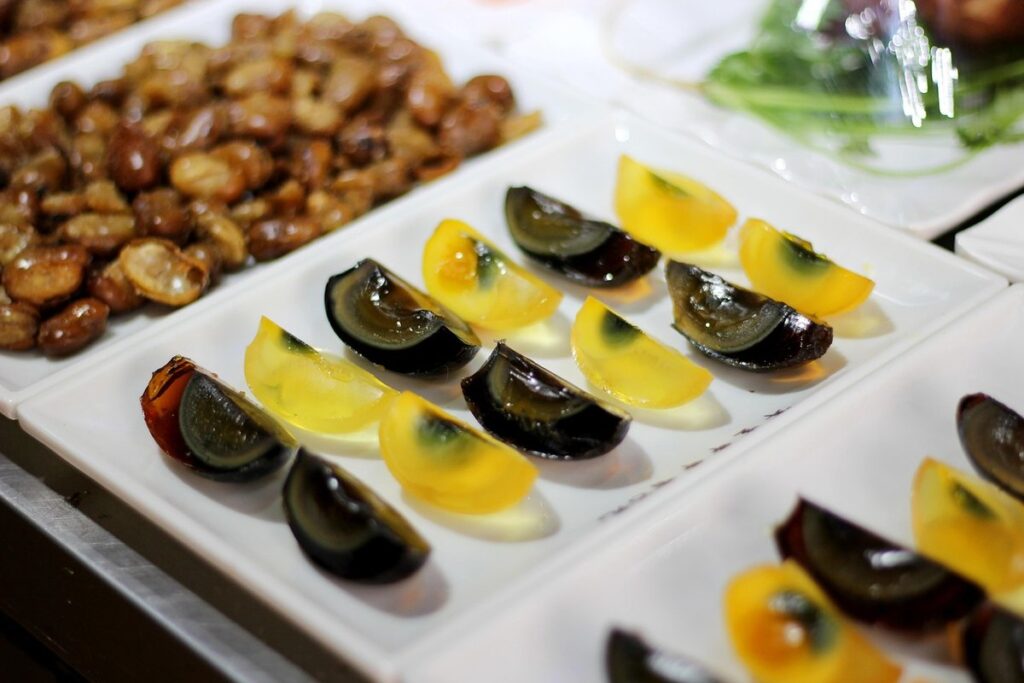
Benefits and Importance of Egg Preservation
When it comes to preserving eggs long-term, understanding the benefits and importance of egg preservation is crucial for maintaining quality and ensuring a sustainable food supply. Let’s dive into these key advantages.
Why Preserve Eggs?
When it comes to preserving eggs long-term, you might wonder why this skill is so valuable. The truth is that preserving eggs offers a multitude of benefits for anyone looking to increase their food security, achieve self-sufficiency, and prepare for emergency situations.
One of the most significant advantages of preserving eggs is that they provide a reliable source of protein during times of crisis or when fresh supplies are scarce. In fact, according to a survey by the American Red Cross, 60% of households have a 72-hour emergency kit that includes non-perishable food items – but often these kits lack a crucial component: a steady supply of protein. By preserving eggs, you can ensure that your family has access to this essential nutrient, even when other food sources are limited.
In addition to providing a safety net for emergency situations, preserving eggs also allows you to take control of your own self-sufficiency. With the ability to collect and preserve eggs from your own backyard flock or purchase them from local farmers, you can reduce your reliance on industrial-scale agriculture and enjoy fresher, more nutritious eggs year-round.
Understanding the Need for Preservation
When you crack open an egg from the supermarket, it’s unlikely that it was laid just hours ago. The reality is that modern farming practices and transportation methods can significantly impact the quality and safety of eggs. Large-scale farms often prioritize efficiency over animal welfare, which can result in stress on the hens, leading to compromised egg health.
Even if eggs are collected from the farm, their journey to your table can be long and arduous. Transportation and storage conditions can cause temperature fluctuations, moisture exposure, and physical damage, further reducing the nutritional value of the egg. According to a study by the USDA, eggs stored at room temperature for 30 days showed significant declines in protein quality and overall nutrient content.
Preserving eggs, therefore, is essential not just for maintaining their edibility but also for ensuring they retain their nutritional value. By learning how to preserve eggs correctly, you can enjoy the health benefits of these versatile foods while minimizing their environmental impact.
Methods of Egg Preservation: Overview
To preserve eggs long-term, it’s essential to understand various methods that can be used, including air-drying, vacuum-sealing, and proper storage techniques. Let’s explore these methods in more detail.
Introduction to Different Methods
When it comes to preserving eggs long-term, you have several methods at your disposal. One popular approach is vacuum sealing, which involves removing air from airtight containers or bags to prevent bacterial growth and spoilage. This method is ideal for short-term storage, typically up to 6 months.
Another effective way to preserve eggs is through freezing. This process involves submerging eggs in water or using specialized equipment to rapidly freeze the egg whites and yolks. Freezing helps halt bacterial growth, making it a safe option for long-term preservation. Frozen eggs can be used in baked goods, meringues, and other recipes.
Dehydrating eggs is another viable method that removes moisture from the egg white and yolk. This process creates a shelf-stable product called powdered eggs, which can be stored for up to 5 years. To dehydrate eggs, you’ll need specialized equipment or a food dehydrator.
Lacto-fermentation is also an option for preserving eggs. This method involves creating an acidic environment by adding bacteria that feed on the egg’s natural sugars. The resulting product has a tangy flavor and a shelf life of several months to a year.
Choosing the Right Method for Your Needs
When it comes to choosing a method for preserving eggs long-term, there are several factors to consider. The first and most obvious consideration is storage space – if you live in a small apartment or have limited pantry space, methods that require significant equipment or storage may not be feasible.
Another important factor is the availability of specialized equipment. For example, if you’re interested in using a pressure canner for water bath canning, you’ll need to ensure that you have access to one and that it’s in good working condition. If you don’t have the necessary equipment, you may want to consider alternative methods like vacuum sealing or dehydrating.
Ultimately, the preservation method you choose will depend on your personal preferences as well as your needs. Some people prefer the taste and texture of eggs preserved using a specific method over others, so it’s essential to research and experiment with different techniques before making a decision.
Vacuum Sealing: A Popular Preservation Method
Vacuum sealing is a popular preservation method that uses a specialized container to remove air from around eggs, preventing spoilage and extending shelf life significantly.
Basic Principles of Vacuum Sealing
Vacuum sealing is an effective preservation method for long-term egg storage. It works by removing air from a container or bag to prevent bacterial growth and spoilage. This process inhibits the development of oxygen-based reactions that cause eggs to degrade over time.
To start, you’ll need a vacuum sealer machine and food-grade bags specifically designed for vacuum sealing. These bags are made of durable material that can withstand the pressure created during the sealing process.
The benefits of vacuum sealing for egg preservation include preventing moisture buildup, reducing oxidation, and eliminating contaminants. When done correctly, it’s possible to store eggs in vacuum-sealed containers for up to 12 months or longer without significant degradation.
To achieve optimal results, it’s essential to follow proper handling procedures. This includes washing and drying the eggs before sealing them in the vacuum bag, and ensuring the seal is airtight.
Tips for Successful Vacuum Sealing
When it comes to successfully vacuum sealing eggs for long-term preservation, proper preparation is key. Before you can seal those eggs, you need to make sure they’re clean and dry. Start by gently washing the eggs with mild soap and water, then dry them thoroughly with a soft cloth or paper towels.
Next, consider using a desiccant pack or a layer of silica gel to absorb any remaining moisture inside the container. This will help prevent bacterial growth and ensure that your sealed eggs stay fresh for as long as possible.
Now, let’s talk packaging techniques. To maintain optimal quality, it’s essential to separate the eggs from each other and from any surfaces they might come into contact with during storage. You can do this by placing a sheet of wax paper or parchment between each egg, or by using individual egg cartons specifically designed for vacuum sealing.
When assembling your container, make sure the eggs are snugly packed without being overcrowded, which can compromise air circulation and lead to spoilage.
Freezing Eggs: A Quick and Easy Method
Freezing is a popular method for preserving eggs long-term, and in this section, we’ll walk you through the quick and easy process step-by-step.
Understanding Egg Freezing
Freezing eggs is a complex process that involves precise temperature control and storage. When done correctly, it can be an effective way to preserve eggs long-term. The science behind egg freezing lies in the use of cryoprotectants, which help prevent ice crystal formation within the cell structure during the freezing process.
To freeze eggs successfully, it’s essential to maintain a consistent temperature throughout the process. Typically, this involves slowly cooling the eggs from 20°C to -130°C using a controlled rate freezer or liquid nitrogen. The ideal storage temperature for frozen eggs is -196°C, where they can remain viable for up to 10 years.
In addition to proper temperature control, it’s crucial to select high-quality eggs and handle them carefully during the freezing process. This involves washing the eggs gently, removing any visible blood spots or imperfections, and transferring them directly from the refrigerator to a specialized container designed for egg freezing. The ideal storage time for frozen eggs is between 5-10 years, depending on the quality of the eggs and storage conditions.
Thawing Frozen Eggs Safely
When thawing frozen eggs safely, it’s essential to do so gradually and carefully to maintain their quality and prevent contamination. Remove the desired number of frozen eggs from the storage container and place them in a leak-proof bag or container. Submerge the eggs in cold water, changing the water every 30 minutes until they’re fully thawed.
Alternatively, you can thaw frozen eggs in the refrigerator overnight. Place the eggs in a covered container or plastic bag to prevent moisture accumulation. Never leave thawing eggs at room temperature for an extended period, as this can lead to bacterial growth and contamination. When thawing, avoid direct exposure to warm water or heat sources, which can cause the eggs to break down.
Once thawed, use frozen eggs immediately in your recipe or store them in the refrigerator for up to a week before using. If you’re unsure about the quality of the thawed eggs or notice any visible signs of spoilage, it’s best to discard them and use fresh eggs instead.
Dehydrating Eggs: A Low-Cost Preservation Method
Dehydrating eggs is a fantastic way to preserve them long-term, and it’s surprisingly simple. In this next part of our guide, we’ll walk you through the process step by step.
Principles of Dehydration
Dehydrating eggs is an effective low-cost method for preserving them long-term. The process involves removing moisture from the egg to inhibit bacterial growth and spoilage. This is achieved by placing the egg in a dehydrator or oven on a low temperature setting, typically between 135°F and 150°F (57°C to 65°C), until the desired level of dryness is reached.
The dehydration process benefits preserved eggs by eliminating the risk of moisture-related spoilage. As a result, they can be stored at room temperature for up to six months without refrigeration. This method also retains much of the egg’s nutritional value and texture compared to other preservation methods like freezing or canning.
To get started with dehydrating eggs, you will need an electric dehydrator or a home oven with precise temperature control. In addition to these essential items, it is recommended to have a meat thermometer for accurate temperature readings. You’ll also require egg trays or perforated sheets specifically designed for dehydrating eggs to ensure even drying and prevent overcooking.
Tips for Successful Egg Dehydration
When it comes to dehydrating eggs successfully, proper preparation is key. To start, make sure you’re using clean and dry equipment to prevent contamination. Wash the eggs gently with soap and warm water, then dry them thoroughly with a clean towel.
Before dehydration, slice the eggs into your desired thickness – thin slices will rehydrate faster than thicker ones. Use a sharp knife or egg slicer to minimize waste and ensure uniform pieces. If you’re looking for an even quicker rehydration process, try making “egg chips” by slicing the eggs very thinly.
Proper packaging is also essential. Place the sliced eggs in a single layer on the dehydrator trays, leaving space between each piece to allow for air circulation. You can use parchment paper or a silicone mat to prevent sticking and make cleanup easier. Remember to label your containers clearly with the date and contents so you can easily keep track of your preserved egg supply.
By following these simple steps, you’ll be well on your way to successfully dehydrating eggs that will last for months to come.
Lacto-Fermentation: A Natural Preservation Method
Lacto-fermentation is a simple and effective method for preserving eggs, allowing you to enjoy them throughout the year without refrigeration. Let’s dive into the process of using lacto-fermentation to extend your egg shelf life.
Understanding Lacto-Fermentation
Lacto-fermentation is a natural preservation method that uses lactic acid to extend the shelf life of eggs. The science behind lacto-fermentation involves the action of lactic acid bacteria, such as Leuconostoc and Lactobacillus, which break down the sugars in the egg whites and yolks, producing lactic acid as a byproduct.
This process creates an acidic environment that inhibits the growth of pathogens like Salmonella and E. coli. When done correctly, lacto-fermentation can make eggs safer to eat for longer periods. To lacto-ferment eggs safely, it’s essential to use clean equipment and follow proper sanitation techniques. Start by creating a brine solution with water, salt, and sometimes sugar or other ingredients like spices or herbs.
Submerge the eggs in the brine, making sure they’re fully covered, and let them sit at room temperature (around 70-75°F) for 12-24 hours. After this initial fermentation period, refrigerate the eggs to slow down further fermentation. Check on the eggs periodically to ensure they don’t become over-fermented or develop off-flavors. Proper lacto-fermentation can increase an egg’s shelf life by several weeks or even months when stored in the refrigerator.
Benefits and Challenges of Lacto-Fermentation
Lacto-fermentation is a natural preservation method that involves creating an environment for beneficial bacteria to thrive on the surface of food, such as eggs. One of its most significant advantages is the retention of nutrients and flavor. When done correctly, lacto-fermented eggs will have a tangy, slightly sour taste and a firmer texture than their non-fermented counterparts.
However, there are some challenges associated with using lacto-fermentation for preserving eggs long-term. One major consideration is storage – fermented eggs must be kept refrigerated at all times to prevent over-fermentation and contamination. Additionally, it’s crucial to follow proper food safety guidelines when handling fermented foods to avoid spoilage.
If you’re interested in trying lacto-fermentation for your egg preservation needs, consider starting with a small batch to ensure the process yields the desired results. Keep in mind that lacto-fermented eggs will typically have a shorter shelf life than other preservation methods, lasting around 6-8 weeks when stored properly.
Some key considerations include:
* Monitoring temperature: Lacto-fermentation requires consistent refrigeration between 39°F and 45°F (4°C and 7°C) to inhibit unwanted bacteria growth.
* Controlling pH levels: The optimal pH for lacto-fermentation is slightly acidic, which helps create an environment that’s conducive to beneficial bacteria growth.
* Regularly inspecting your fermented eggs: This ensures they don’t develop any off-flavors or unpleasant odors.
Storage and Handling: Best Practices for Preserved Eggs
When it comes to preserving eggs, proper storage and handling are crucial to maintaining their quality and shelf life. In this next part, we’ll explore best practices for keeping your preserved eggs fresh for a long time.
Tips for Storing Preserved Eggs
Proper storage of preserved eggs is crucial to maintaining their quality and safety. To ensure you’re storing them correctly, start by labeling each container with the date it was preserved, the type of preservation method used, and a unique identifier for easy tracking. This might seem like a simple step, but trust us, it’s essential when trying to determine which eggs are oldest or most prone to spoilage.
Next, organize your stored eggs in a cool, dry place away from direct sunlight and heat sources. A temperature range of 50-60°F (10-15°C) is ideal for long-term storage. You can use wire racks or shelves specifically designed for egg storage to keep them off the ground and allow for air circulation.
For rotation purposes, consider implementing a “first-in, first-out” system where you store newer eggs behind older ones. This ensures that the oldest eggs are always at the front and used before they spoil. Finally, inspect your stored eggs regularly for any signs of moisture, mold, or other damage. If you notice anything off, remove those eggs immediately to prevent contamination from spreading.
Handling Preserved Eggs for Consumption
When it’s time to consume preserved eggs, handling them properly is crucial to ensure food safety and quality. First, thaw the egg by leaving it in room temperature for a few hours or soaking it in cold water. Avoid microwaving or direct heat, as this can cause uneven cooking and potentially lead to bacterial growth.
Once thawed, cook the preserved egg as you would regular eggs. However, note that they have a stronger flavor and texture due to their preservation process. When boiling, reduce the cooking time by 1-2 minutes to avoid overcooking. For frying or scrambling, use low heat and gentle stirring to prevent cracking.
When consuming preserved eggs, follow these guidelines: Always check for any visible signs of spoilage before eating, such as slimy texture or unusual odors. Cook the egg thoroughly to an internal temperature of 160°F (71°C) to minimize foodborne illness risks. Finally, store any leftover cooked eggs in the refrigerator at a temperature below 40°F (4°C) within two hours of cooking to prevent bacterial growth.
Frequently Asked Questions
Can I preserve eggs with existing storage containers or do I need to invest in specialized equipment?
You can start preserving eggs using common household items, but it’s recommended to invest in a vacuum sealer or an airtight container specifically designed for food preservation. This ensures that your preserved eggs remain fresh and secure. You can experiment with low-cost alternatives initially, but long-term storage requires reliable containers.
How do I know if my preserved eggs are still safe to consume?
Preserved eggs can last for months when stored properly. To check their safety, inspect the egg for any visible signs of spoilage, such as cracks or mold. Always handle preserved eggs gently and follow proper handling procedures to avoid contamination. If in doubt, it’s always best to err on the side of caution and discard the egg.
Can I preserve eggs using a combination of methods (e.g., vacuum sealing and freezing)?
Yes, preserving eggs can be done using multiple methods, depending on your specific needs and storage requirements. Vacuum sealing is suitable for short-term storage, while freezing or dehydrating can extend shelf life further. Lacto-fermentation also works well for long-term preservation. Experiment with different combinations to find what works best for you.
What are the most common mistakes people make when preserving eggs?
Some common mistakes include not following proper handling and storage procedures, using low-quality containers or materials, and neglecting to check on stored eggs regularly. Additionally, over-processing or under-processing can affect egg quality. Always research and follow tested methods to avoid these pitfalls.
Can I preserve eggs if they’re already past their sell-by date?
In some cases, yes, but it depends on the freshness of the eggs when preserved. If eggs are still within their “best by” date, preserving them can extend their shelf life. However, if they’re significantly older, preservation may not make a significant difference in terms of food safety and quality.