
Are you looking for ways to give your feathered friends a nutritional boost? If so, you’re in luck because I’m about to share with you a simple yet effective trick that can revolutionize their health and happiness: hanging cabbage! That’s right, this humble vegetable is a game-changer when it comes to keeping your chickens happy and healthy. But before you start dangling cabbages from the rafters, there are a few things to consider. In this article, we’ll delve into the world of hanging cabbage for chickens, covering preparation methods, feeding tips, and how to overcome any initial resistance to new foods. By the end of it, you’ll be equipped with all the knowledge needed to make hanging cabbage a regular part of your flock’s diet.
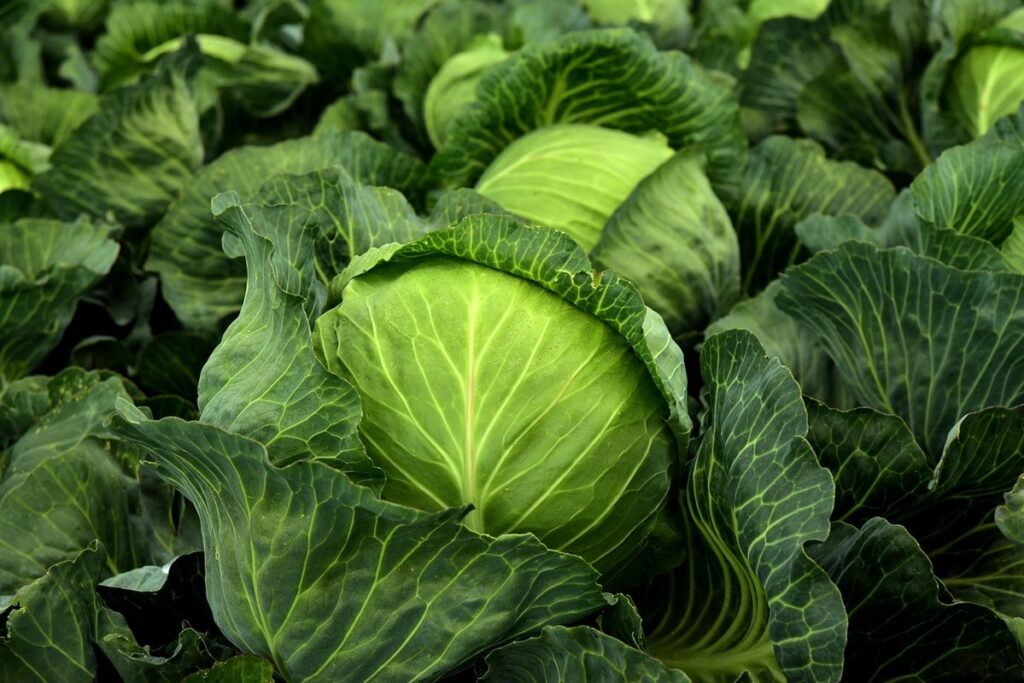
Benefits of Feeding Cabbage to Your Chickens
Feeding cabbage to your chickens can have numerous health benefits, from supporting digestive health to boosting their immune systems naturally. Let’s dive into these advantages in more detail.
Nutritional Value of Cabbage
Cabbage is an excellent addition to your chickens’ diet, providing a wealth of essential nutrients that can significantly boost their overall health. One medium-sized cabbage head contains around 50 calories, making it a low-calorie yet nutrient-dense food source for your flock.
From a vitamin standpoint, cabbage is rich in vitamins C and K, as well as smaller amounts of vitamins B6 and folate. Vitamin C is crucial for immune function and collagen production, while vitamin K plays a key role in blood clotting and bone health. The high concentration of fiber in cabbage also helps to promote digestive health.
Mineral-wise, cabbage is a good source of manganese, potassium, and copper. Manganese is vital for antioxidant defenses and bone health, while potassium supports heart function and muscle recovery. Copper is essential for the production of red blood cells and connective tissue.
Antioxidants like kaempferol and isorhapontigenin in cabbage protect against oxidative stress and inflammation, which can lead to various health issues in chickens. By incorporating cabbage into their diet, you’ll be providing your flock with a range of benefits that extend beyond mere nutrition – they’ll also enjoy improved immune function, enhanced overall well-being, and a reduced risk of disease.
Easy-to-Digest Treat for Chickens
When it comes to introducing cabbage into your chickens’ diet, one of the main concerns is its digestibility. Cabbage is a cruciferous vegetable that contains raffinose, a complex sugar that can be difficult for chickens to break down. However, this doesn’t mean you should avoid giving cabbage to your flock altogether.
In fact, cabbage is an excellent source of nutrients, including vitamins A and K, as well as fiber and antioxidants. To make sure your chickens can enjoy these benefits safely, start by introducing small amounts of chopped cabbage into their diet. You can mix it with their regular feed or use it as a treat in moderation.
A good rule of thumb is to provide no more than 1-2 tablespoons of shredded cabbage per chicken per day. This will allow them to get accustomed to the new food without causing any digestive upset. Also, be sure to introduce cabbage gradually, starting with small amounts and increasing the quantity over time. This will help your chickens’ gut microbiome adjust to the new nutrient-rich treat.
Choosing the Right Cabbage Varieties for Your Flock
When it comes to providing a nutritious and tasty treat for your flock, choosing the right cabbage varieties is crucial. Selecting the perfect type of cabbage can make all the difference in their enjoyment and overall health.
Types of Cabbage Suitable for Chickens
When it comes to choosing the right cabbage varieties for your flock, you have several options to consider. Green, red, and Savoy cabbages are popular choices among chicken keepers, but they differ significantly in terms of nutritional value and digestibility.
Green cabbages are a staple in many chicken diets due to their high water content and low fiber levels. They’re also rich in vitamins A and C, making them an excellent choice for maintaining your chickens’ overall health. However, green cabbages can be too watery for some breeds, leading to digestive issues.
Red cabbage is another popular option, offering a similar nutritional profile to its green counterpart but with the added benefit of containing anthocyanins – powerful antioxidants that can help protect against disease.
Savoy cabbage stands out due to its unique texture and higher fiber content compared to other varieties. While it may be more challenging for your flock to digest, Savoy cabbages are an excellent choice for promoting regular bowel movements and preventing digestive issues.
When selecting a cabbage variety for your flock, consider their individual needs and preferences. For example, if you have chickens prone to digestive issues, green or red cabbage might be a better fit. However, if you’re looking to add some extra fiber to their diet, Savoy cabbages could be the way to go.
Considerations When Selecting Cabbage
When selecting cabbage for your chickens, there are several key factors to consider. First and foremost, think about bitterness levels. Some breeds of chickens may be more sensitive to bitter flavors than others, so it’s essential to choose a variety that is mild and palatable. Look for types like ‘Early Jersey Wakefield’ or ‘Savoy King’, which have lower bitterness levels.
Texture is also crucial when selecting cabbage for your flock. Chickens prefer crunchy textures, so opt for firm, crisp heads rather than soft, wilted ones. You can even give them a little nibble test to ensure they’ll enjoy it. Flavour-wise, chickens tend to prefer sweeter varieties, but be cautious not to overdo it – too sweet and they might develop digestive issues.
When choosing cabbage from the store, be mindful of potential contaminants like pesticide residue or mold. Opt for locally sourced produce whenever possible, as this tends to have lower chemical levels than imported goods. Also, ensure you wash the cabbage thoroughly before serving it to your chickens to remove any dirt or debris that may be present.
Preparing and Serving Cabbage to Your Chickens
Before offering your cabbage to your flock, you’ll want to prepare it in a way that’s safe and appealing for your chickens. Learn how to trim, hang, and serve cabbage effectively.
How to Wash and Prepare Cabbage
When preparing cabbage for your flock, it’s essential to wash and clean it thoroughly to prevent contamination. Begin by gently rinsing the cabbage under cold running water, removing any dirt or debris that may be clinging to its leaves. Next, soak the cabbage in a large bucket of water with 1-2 tablespoons of unscented white vinegar added for 10-15 minutes. This will help loosen and remove any remaining impurities.
After soaking, gently shake off excess water without bruising the leaves. Pat dry the cabbage with clean towels to prevent moisture buildup, which can lead to mold or rot. For storage, keep the prepared cabbage in a covered container in the refrigerator at 40°F (4°C) or below. It’s recommended to use the cabbage within 3-5 days for optimal freshness and nutritional value.
When handling cabbage, be mindful of your flock’s individual needs and preferences. Some chickens may prefer their cabbage shredded or chopped, while others may enjoy it whole. Be sure to adjust your preparation method accordingly to ensure all your birds are satisfied.
Feeding Methods: Hanging vs. Free-Range
When it comes to feeding cabbage to your chickens, you have two popular options: hanging it as a treat or allowing them free-range access. While both methods have their benefits, one stands out as the healthier choice for your flock.
Hanging cabbage is an excellent way to provide your chickens with fresh greens, and it’s especially beneficial if they’re not getting enough in their regular feed. The leaves are easily accessible, and the birds can peck at them to their heart’s content. However, this method does limit their exercise and exploration, which are essential for maintaining physical and mental health.
Free-range access, on the other hand, allows your chickens to roam freely and engage in natural behaviors like foraging and exercising. While it may seem more appealing, free-range access can also lead to issues like overconsumption of cabbage, which can cause digestive problems. A better approach is to offer hanging cabbage as a supplement, allowing your birds to indulge occasionally while still having the freedom to roam and engage in their natural behaviors. By striking this balance, you’ll be providing your flock with a healthy and happy experience.
Tips and Precautions When Hanging Cabbage for Chickens
When hanging cabbage for your flock, it’s essential to take some crucial precautions to ensure their safety and avoid any unwanted messes in your coop. We’ve got you covered!
Avoiding Spoilage and Pests
When hanging cabbage for your flock, it’s essential to take precautions against spoilage and pest infestations. These issues can quickly arise due to the high moisture content of cabbage, making it an ideal breeding ground for bacteria and pests.
To prevent spoilage, ensure that you’re storing the cabbage in a dry place before hanging it. Remove any damaged or wilted leaves, as these can quickly spread to other parts of the plant, causing decay. It’s also crucial to hang the cabbage at a height where your chickens won’t peck at it excessively, which can further damage the leaves.
Regularly inspect the cabbage for signs of spoilage or pest infestations. Check for mold, slime, or an unpleasant odor. For pests like aphids, whiteflies, or slugs, look for actual insects or eggs on the leaves. If you spot any issues, remove the affected parts immediately to prevent further damage.
To minimize these risks, consider hanging smaller portions of cabbage more frequently instead of leaving large quantities out for extended periods. This approach will help reduce waste and maintain a cleaner environment for your flock.
Ensuring Accessibility and Safety
When hanging cabbage for your chickens, it’s essential to ensure that the feeding area is accessible and safe for them. A clean and well-designed feeding area not only promotes healthy eating habits but also prevents potential health risks.
To start with, position the cabbage at a height where your chickens can easily access it without straining or jumping, which can lead to injuries. Typically, hanging feeders between 2-3 feet off the ground is ideal. Also, consider using a sturdy hook or hanger that won’t sway or topple over when your chickens are feeding.
Maintain a clean feeding area by regularly disposing of cabbage scraps and debris. This will prevent mold growth, pest infestations, and unpleasant odors that can deter your flock from eating. For example, check the cabbage daily for any signs of spoilage, such as sliminess or an off smell. Replace it promptly to ensure a fresh supply.
By prioritizing accessibility and maintaining a clean feeding area, you’ll create a positive experience for your chickens while minimizing potential health risks.
Encouraging Chickens to Eat Cabbage
If you’re struggling to get your chickens to eat their cabbage, it’s likely because they need some encouragement and variety in presentation. Let’s explore ways to make cabbage more appealing to your flock.
Making Cabbage Appealing to Your Flock
Making cabbage appealing to your flock can be a challenge, but with some creative approaches, you can encourage them to enjoy this nutritious treat. One way to introduce cabbage is by adding it to their regular diet. You can shred or chop the cabbage and mix it with their daily feed. Start with small amounts (about 10-20% of their total diet) and gradually increase the proportion as they get accustomed to it.
Another approach is to mix shredded cabbage with other treats, like fruits, vegetables, or grains. For example, you can create a colorful medley by combining cabbage with carrots, apples, and oats. This variety will not only make mealtime more exciting but also provide a balanced nutrient intake. Remember to rotate the ingredients regularly to ensure your flock doesn’t get bored.
You can also try offering cabbage as a standalone treat or supplementing it in their favorite dishes, like scratch grains or layer feed. Be sure to store the cabbage properly to maintain its freshness and nutritional value. With patience and persistence, you’ll find ways to make cabbage a staple in your flock’s diet.
Overcoming Initial Resistance to New Foods
Introducing new foods like cabbage can be a challenging task for chickens. You’ve hung it perfectly, but now you need to convince your flock to give it a try. Chickens are creatures of habit and often resist change, especially when it comes to food.
Start by introducing small pieces of cabbage in areas where your birds frequently forage or play. This will allow them to become familiar with the new sight and smell without feeling overwhelmed. You can also try placing some cabbage near their favorite treats to encourage exploration.
Gradually increase the amount of cabbage and move it closer to the feeding area. Reward any bird that shows interest in the new food by sprinkling some of their favorite treats on top. Be patient, as overcoming initial resistance can take time. Some chickens may take weeks or even months to warm up to a new food. Don’t be discouraged – persistence is key.
Remember, introducing new foods is an essential part of maintaining a healthy and balanced diet for your flock. By following these steps, you’ll help ensure that your birds enjoy the benefits of cabbage while staying happy and thriving.
Conclusion: The Benefits of Hanging Cabbage for Your Flock
Now that you’ve learned how to hang cabbage safely and effectively, let’s discuss the rewards your flock will enjoy from this healthy treat.
Recap of Key Points Covered
As you’ve reached the end of our comprehensive guide on hanging cabbage for chickens, it’s essential to recap the key points discussed to ensure you’re well-equipped to provide a nutritious and happy diet for your flock. By incorporating hanging cabbage into their regimen, you’ll be offering them an unparalleled source of vitamins A, C, and K, as well as fiber and antioxidants.
Some crucial takeaways from our discussion include understanding that the benefits of hanging cabbage aren’t limited to its nutritional value alone – it also helps keep your birds’ digestive system in check. This can lead to a significant reduction in waste output and mess, making your flock’s living quarters more pleasant for both you and your chickens. Furthermore, we explored how choosing the right variety and cutting the cabbage into manageable pieces are critical factors in ensuring maximum enjoyment for your birds.
By embracing these simple yet effective tips, you’ll be well on your way to maintaining a happy and healthy flock that thrives under your care. Remember, every small change counts when it comes to providing optimal nutrition for your chickens – start hanging that cabbage today and watch the positive effects unfold!
Final Thoughts on a Healthier Chicken Diet
As you’ve learned throughout this guide, incorporating hanging cabbage into your flock’s diet can provide numerous health benefits. To build on these advantages, it’s essential to ensure that the rest of their diet is also well-balanced and nutritious.
Firstly, consider the overall nutrient profile of the foods you’re providing. Aim for a mix of high-quality grains, fruits, vegetables, and protein sources. Supplementing with calcium and other essential minerals will also be crucial for maintaining strong bones and preventing deficiencies.
Incorporating hanging cabbage into their diet will not only add variety but also ensure they receive key nutrients like vitamin K and fiber. To reap the benefits, we recommend adding a mix of different colored cabbages to your flock’s menu. This will provide them with diverse nutrient profiles and encourage a healthy digestive system.
By implementing these recommendations and making hanging cabbage a staple in their diet, you’ll be well on your way to raising a happy and healthy flock. Remember to monitor their overall health and adjust your feeding schedule accordingly to ensure optimal results.
Frequently Asked Questions
How often should I hang cabbage for my chickens to ensure they get a consistent supply of nutrients?
It’s recommended to provide fresh cabbage daily, but you can also consider hanging multiple cabbages at once to maintain a steady supply. This way, your flock will always have access to this nutritious food source.
Can I mix cabbage with other leafy greens or vegetables for added variety and nutrition?
Yes! Combining cabbage with other leafy greens like kale or spinach, or vegetables like carrots and apples, can provide a diverse range of nutrients and flavors for your chickens. Just be sure to introduce new foods gradually to prevent digestive upset.
What if some of my chickens don’t take to eating cabbage right away? How can I encourage them to try it?
Don’t worry! It’s normal for chickens to resist new foods at first. Try offering cabbage in a separate feeding area or on the ground, and consider mixing it with their favorite treats or grains. You can also hang multiple cabbages in different locations to increase accessibility.
Are there any specific precautions I should take when hanging cabbage near my chicken coop to prevent spoilage and pests?
Yes! To avoid attracting rodents and other pests, hang cabbage away from the coop’s walls and ensure good air circulation around the area. Regularly inspect the cabbage for signs of spoilage or mold, and remove it promptly if necessary.
Can I use any type of cabbage variety when hanging it for my chickens, or are there specific recommendations?
While many cabbage varieties can be used, choose types with loose, tender leaves that are easier for your flock to digest. Varieties like Napa or Savoy cabbage work well due to their mild flavor and crunchy texture. Avoid using cabbage varieties with thick, dense leaves, as they may cause digestive issues.