
Are you tired of throwing away valuable resources from your backyard chickens? Or perhaps you’re looking for an eco-friendly way to enrich the soil in your garden. Either way, chicken manure hot composting is a game-changer that’s worth exploring. Not only does it help reduce waste and minimize environmental impact, but it also increases the nutrient content of your fertilizer, making it perfect for boosting crop yields and promoting healthy plant growth.
By learning how to properly compost chicken manure using the hot compost method, you’ll be able to create a natural fertilizer that’s rich in essential nutrients. This comprehensive guide will walk you through the process step-by-step, covering everything from setting up your compost pile to maintaining optimal temperatures for effective decomposition. Whether you’re a seasoned gardener or just starting out with backyard chickens, this article has something valuable to offer – so let’s dive in and get started!
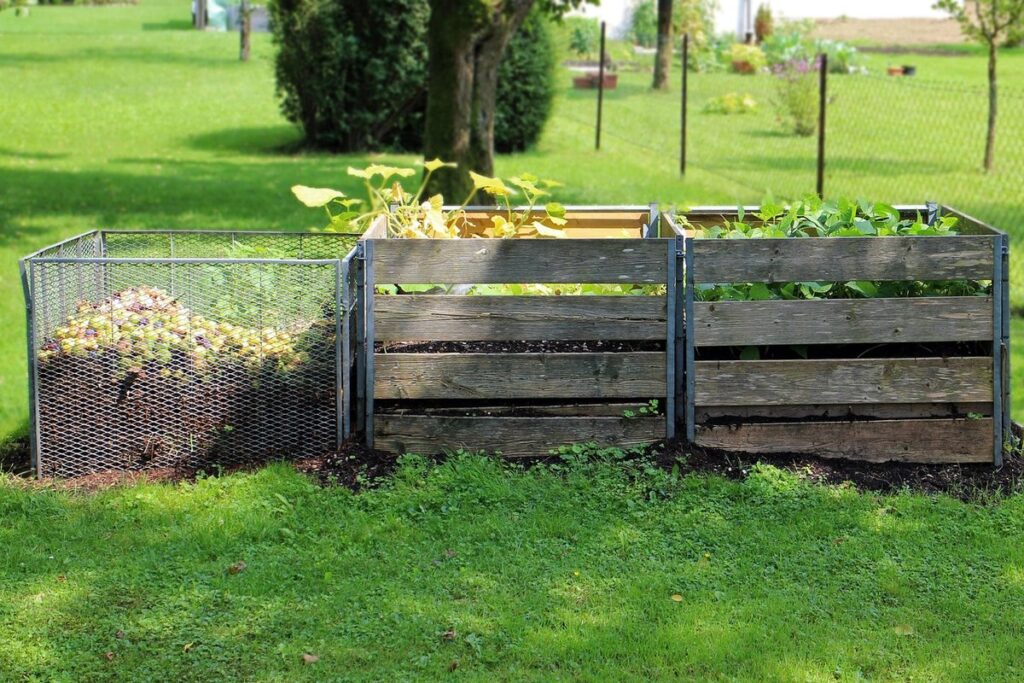
Benefits and Advantages of Chicken Manure Hot Composting
Now that you know how to set up your chicken manure hot composting bin, let’s dive into the benefits and advantages of this efficient and eco-friendly method.
Reduced Waste and Environmental Impact
When you choose to hot compost chicken manure, you’re not only creating a nutrient-rich fertilizer for your garden, but also reducing waste and minimizing the environmental impact associated with traditional disposal methods. This eco-friendly approach converts organic waste into a valuable resource that benefits both your soil and the planet.
By contrast, when left unmanaged, chicken manure can become a significant source of pollution, contaminating waterways and contributing to greenhouse gas emissions. But hot composting changes this scenario entirely. Through this method, you’re able to break down the organic matter at an accelerated rate, reducing its volume by as much as 50% while also eliminating pathogens.
Hot composting chicken manure requires careful attention to detail, but the rewards are numerous. By incorporating it into your garden beds or using it as a cover crop, you’ll be creating a soil ecosystem that’s teeming with life and nutrients. The reduced waste generated by hot composting is another compelling benefit – fewer trips to the landfill, less energy consumption for transportation, and lower costs associated with waste disposal.
To maximize the environmental benefits of chicken manure hot composting, make sure to implement it as part of a larger sustainable gardening practice. This might involve integrating other eco-friendly methods like vermicomposting or bokashi, which work in tandem with hot composting to create a closed-loop system that minimizes waste and maximizes nutrient cycling.
Increased Nutrient Content in Compost
When you mix chicken manure with other green materials like food scraps, grass clippings, and leaves during hot composting, it significantly increases the nutrient content of the final product. This is because the combination of high nitrogen levels from the chicken manure with carbon-rich materials creates an ideal environment for microbial activity to thrive.
The result is a nutrient-dense compost that’s rich in essential micronutrients like potassium (K), phosphorus (P), and nitrogen (N). This makes it an excellent natural fertilizer for crops and gardens. In fact, studies have shown that using hot composted chicken manure can increase crop yields by up to 30% compared to traditional fertilizers.
To maximize the nutrient content of your compost, aim to include a mix of 20-25% green materials (like chicken manure) with 75-80% brown materials (like leaves or straw). Regularly mixing and turning the pile will also help to ensure that the microorganisms are working efficiently to break down the nutrients. By following these simple steps, you can create a high-quality compost that will give your plants the boost they need to thrive.
Understanding Chicken Manure Characteristics
To effectively compost chicken manure, it’s essential to understand its characteristics, including moisture levels, carbon-to-nitrogen ratio, and potential pathogens. Let’s dive into the key factors to consider.
Types of Chicken Manure
When working with chicken manure for hot composting, it’s essential to understand that different types of manure have distinct characteristics. One major distinction lies between broiler and layer manure.
Broiler manure is high in nitrogen (around 12-15%), making it an excellent addition to the compost pile for providing a nitrogen-rich feedstock. However, its low carbon content can make it difficult to balance with other materials. Layer manure, on the other hand, contains significantly less nitrogen (about 4-6%) but higher levels of phosphorus and potassium.
Another consideration is duck or turkey manure, which share some characteristics with chicken manure but also have unique properties. For example, duck manure tends to be more acidic than chicken manure due to its higher concentration of uric acid.
To utilize these different types of manure effectively in hot composting, it’s crucial to balance their nitrogen and carbon levels. A general rule of thumb is to aim for a mix that’s 2/3 “brown” materials (high in carbon) and 1/3 “green” materials (high in nitrogen). This will help create an ideal environment for microorganisms to thrive and break down the manure efficiently.
Nutrient Content in Chicken Manure
When it comes to hot composting chicken manure, understanding its nutrient composition is crucial. Chicken manure is a rich source of nutrients, particularly nitrogen (N), phosphorus (P), and potassium (K). The nitrogen content in chicken manure can range from 2-4% on a dry weight basis, with an average value of around 3%. This makes it an excellent addition to compost piles looking to boost their N levels.
Phosphorus content, on the other hand, can vary between 1.5-3.5% on a dry weight basis, with an average value of approximately 2.5%. Potassium levels are generally lower, ranging from 0.5-1.5% on a dry weight basis, with an average value of around 1%.
To put these values into perspective, consider that the nitrogen-to-carbon (C) ratio in compost should be between 20:1 and 30:1 for optimal decomposition. With chicken manure’s high N content, it can easily throw off this balance if not properly managed. By understanding and controlling the nutrient composition of your compost pile, you can create a nutrient-rich hot compost that will benefit your garden or crops immensely.
Challenges Associated with Composting Chicken Manure
Composting chicken manure can be a bit of a challenge due to its high nutrient content and potential odors. One of the main issues is the presence of pathogens such as E. coli and Salmonella, which can be hazardous if not properly managed. These pathogens can come from various sources including the birds themselves, contaminated feed, or even human error during handling.
To make matters worse, chicken manure tends to have a higher ammonia content compared to other types of animal waste. This can lead to strong odors and potentially even health issues for those exposed to it. Additionally, if not properly managed, these pathogens and odors can render the compost unusable or even cause environmental harm.
When composting chicken manure, it’s essential to take extra precautions such as maintaining high temperatures (usually above 130°F) to kill off pathogens. This process is known as hot composting. By doing so, you can minimize the risks associated with pathogen transmission and create a safe, nutrient-rich compost for your garden or farm.
Setting Up a Hot Composting System
To set up a hot composting system, you’ll need to start by selecting a suitable location and preparing the necessary bins and tools for efficient waste collection. This section will walk you through that process step-by-step.
Choosing the Right Location
When selecting a location for your hot composting system, it’s essential to consider factors that will impact its efficiency and effectiveness. Sunlight is crucial for the decomposition process, so choose an area that receives at least six hours of direct sunlight per day. This will not only accelerate the composting process but also help kill off pathogens and weed seeds.
In contrast, wind can be detrimental to hot composting. Strong gusts can disrupt the pile’s temperature, causing it to cool down or even collapse. To minimize this risk, position your system in a spot that provides some natural shelter from prevailing winds. Ideally, choose an area with partial shade or a screen to protect against extreme weather conditions.
Keep in mind that you’ll also need easy access to the location for regular maintenance and monitoring of temperature, moisture, and carbon-to-nitrogen ratios. A flat surface is also necessary to ensure even stacking and turning of the compost pile. Consider these factors when selecting a suitable location for your hot composting system.
Gathering Materials and Equipment
To set up an effective hot composting system for chicken manure, you’ll need to gather the right materials and equipment. Start by selecting a bin that’s specifically designed for hot composting. These bins are typically made of durable materials like plastic or metal and have features such as ventilation systems, easy-access lids, and sufficient capacity to handle large volumes of chicken manure.
You’ll also need some basic tools, including a pitchfork or shovel for turning the pile, gloves to protect your hands from the hot temperatures and potential pathogens, and a moisture meter to ensure the compost is not too dry or wet. Optional additives like bulking agents (such as straw or coconut coir) can help with carbon-to-nitrogen ratios and improve airflow within the bin.
When selecting equipment, consider factors such as durability, ease of use, and maintenance requirements. Some hot composting bins come with built-in features that simplify the process, such as automated temperature monitoring or moisture sensors.
Initial Preparation and Layering Techniques
Before starting your hot composting system, it’s essential to prepare the initial layers. This process is crucial for optimal decomposition and reducing odors. Begin by collecting a mix of “green” materials like chicken manure, grass clippings, or kitchen scraps, which are high in nitrogen and water content.
Next, add 4-6 inches of carbon-rich “brown” materials such as dried leaves, straw, or shredded newspaper on top of the green layer. This layer helps balance out the nitrogen levels, prevents overheating, and aids in decomposition. A general rule of thumb is to maintain a ratio of 2/3 brown materials to 1/3 green materials.
To ensure even decomposition, it’s recommended to create layers of equal depth (about 4-6 inches) and mix them as you go along. You can also add bulking agents like shredded newspaper or cardboard to absorb excess moisture and odors. By following these layering techniques, you’ll be well on your way to creating a thriving hot composting system that efficiently breaks down chicken manure and other organic materials.
Composting Process and Monitoring
Now that you’ve got a solid understanding of hot composting principles, let’s dive into the nitty-gritty of monitoring your chicken manure piles to ensure optimal conditions. This is where the magic happens!
Maintaining Temperature and Moisture Levels
Monitoring temperature and moisture levels is crucial to achieve optimal decomposition conditions within your chicken manure hot compost pile. To ensure that your composting process runs smoothly, check the pile’s temperature at least twice a day using an infrared thermometer or by inserting a compost probe.
The ideal temperature range for hot composting is between 130°F and 140°F (54°C to 60°C). If the temperature exceeds 160°F (71°C), it may be too high, leading to over-sterilization and potential loss of nutrients. On the other hand, if it’s below 120°F (49°C), the decomposition process may slow down.
Maintaining optimal moisture levels is also vital. The compost pile should feel like a damp sponge when you squeeze it – not dripping wet nor too dry. A moisture level of around 50-60% is ideal for hot composting. If the pile feels dry, add water in small increments; if it’s too wet, turn the pile to aerate and speed up evaporation.
Regularly monitoring temperature and moisture levels will help you identify potential issues before they arise, ensuring a healthy and productive composting process.
Turning the Pile and Aeration
Regular turning and aeration are crucial steps in maintaining a healthy and efficient composting process. As the pile breaks down, it can quickly become anaerobic – lacking oxygen – which leads to unpleasant odors, reduced microbial activity, and potentially toxic compounds. To prevent this, you must ensure that oxygen is consistently flowing through the pile.
To achieve this, turn your hot compost pile every 2-3 days, using a pitchfork or shovel to loosen the material and allow for air exchange. Be sure to mix the top layer with the bottom layer, and also incorporate any new additions of chicken manure into the center of the pile. Aeration can be enhanced by installing pipes or tubes within the pile, which will help to circulate oxygen-rich air.
As a general rule, aim to turn your compost at least 3-4 times during the hot composting process, usually over a period of 7-14 days. By doing so, you’ll maintain an optimal balance between temperature, moisture, and oxygen levels – ensuring that your chicken manure hot compost is healthy, efficient, and free from unpleasant odors.
Managing Odors and Pathogens
Minimizing odors and pathogens is crucial during the hot composting process to maintain a healthy and safe environment. Pathogens like E. coli and Salmonella can be present in chicken manure, posing health risks if not properly managed.
To minimize these risks, ensure that the pile has adequate carbon-rich materials, such as straw or shredded newspaper, which help absorb excess moisture and reduce odors. Aim for a 2:1 to 3:1 carbon-to-nitrogen ratio in your compost pile. Regular turning of the pile is also essential, allowing oxygen to penetrate and reducing anaerobic conditions that foster pathogen growth.
Monitor temperature regularly, aiming for temperatures between 130°F and 140°F (54°C to 60°C) where pathogens are typically killed off. Keep the pile moist, but not waterlogged, as this can lead to over-acidification and create an ideal environment for pathogens.
Lastly, ensure that the composting area is well-ventilated, and consider using a cover or tarp to contain any odors. Regularly inspect the pile for signs of pests or contamination, taking action promptly if issues arise.
Troubleshooting Common Issues
If you’re experiencing problems with your chicken manure hot compost, don’t worry – we’ve got you covered. This next part of our guide will walk you through common issues and their easy solutions.
Unpleasant Odors or Volumes
If you’ve started hot composting chicken manure and notice unpleasant odors or excessive volumes, don’t worry – it’s a common issue that can be easily resolved. One of the main reasons for strong odors is an imbalance in the carbon-to-nitrogen (C:N) ratio. Chicken manure is high in nitrogen, which means you’ll need to add more carbon-rich materials like dried leaves, straw, or shredded newspaper to balance it out.
To adjust your C:N ratio, simply add a 2-3 inch layer of bulking agents on top of the chicken manure pile. As these materials break down, they’ll absorb excess moisture and help reduce odors. Alternatively, you can incorporate them into the pile by mixing them in every 1-2 inches.
Remember that hot composting is all about creating a balanced ecosystem – when done correctly, it should produce rich, earthy scents rather than pungent odors. By making these simple adjustments, you’ll be back on track to producing nutrient-rich compost for your garden in no time.
Pathogen Growth or Contamination
Pathogens can be present in chicken manure due to bacteria like E. coli and Salmonella, which can multiply rapidly in hot composting conditions. To minimize the risk of pathogen growth or contamination, it’s essential to monitor and adjust the pH levels in your compost pile.
Aim for a slightly acidic to neutral pH range (5.5-7) by adding materials rich in carbon, such as leaves or straw, which can help balance out the high nitrogen content of chicken manure. Some gardeners also use additives like zeolites or dolomitic limestone to regulate pH and stabilize nutrient availability.
Regularly turning your compost pile will also aid in pathogen reduction, allowing oxygen to penetrate deep within the pile and creating an environment less conducive to microbial growth. Additionally, maintaining optimal moisture levels (around 50-60% water content) can help control odor and minimize the spread of pathogens. By implementing these strategies, you can create a healthier composting environment for your chicken manure hot compost. Regular monitoring is crucial in ensuring pathogen-free compost that’s safe to use in your garden or yard.
Applications and Uses of Chicken Manure Compost
Chicken manure compost is a versatile tool, not just for gardening, but also for agriculture, land remediation, and even as an organic fertilizer in commercial farming. Let’s explore its various applications and uses.
Soil Conditioning and Fertilization
Using chicken manure compost as a natural fertilizer is an excellent way to improve soil structure and fertility. When added to the soil, it releases essential nutrients that promote healthy microbial activity. This, in turn, helps break down organic matter, making the soil more porous and better equipped to retain water.
One of the key benefits of using chicken manure compost is its high nitrogen content. Nitrogen is a crucial nutrient for plant growth, but excessive amounts can be detrimental if not balanced correctly. Chicken manure compost has an optimal N-P-K ratio (nitrogen-phosphorus-potassium) that promotes healthy plant development without causing harm.
When using chicken manure compost as a fertilizer, it’s essential to mix it with other organic matter such as peat moss or well-rotted compost to create a balanced blend. A general rule of thumb is to use 1 part compost to 2 parts other organic matter. This ratio allows for the optimal release of nutrients while preventing excessive nitrogen buildup.
By incorporating chicken manure compost into your soil conditioning routine, you can significantly improve soil fertility and promote healthy plant growth. Regular application will also help maintain a balanced nutrient profile, reducing the need for synthetic fertilizers.
Crop Production and Yield Increase
When it comes to crop production and yield increase, chicken manure compost is an excellent natural resource that can provide numerous benefits. By incorporating this nutrient-rich compost into your soil, you’ll be providing essential macronutrients like nitrogen, phosphorus, and potassium, as well as micronutrients such as calcium, magnesium, and sulfur. These nutrients are crucial for plant growth and development.
Studies have shown that crops grown with chicken manure compost tend to exhibit improved growth rates, increased fruit size, and higher yields compared to those not treated with the compost. For instance, a study on tomato plants found that those fertilized with chicken manure compost had 20% more fruits than those without it. This is because the compost’s high nutrient content allows for optimal plant development, enabling them to thrive under various environmental conditions.
To take advantage of this benefit, make sure to follow proper hot composting techniques and incorporate the finished compost into your soil at a rate of 2-5%. Regularly monitor your crops’ growth and adjust the application rates as needed. Additionally, consider experimenting with different crop varieties to find those that respond best to chicken manure compost treatment.
Animal Feed and Other Applications
Beyond gardening and farming, chicken manure compost has a multitude of uses that can benefit various industries. One of the most significant applications is as an animal feed supplement. Rich in nutrients like nitrogen, phosphorus, and potassium, it’s an excellent addition to poultry and livestock feed, promoting healthy growth and development. In fact, studies have shown that feeding chicken manure compost to chickens themselves can increase their egg production by up to 10%.
Another use for chicken manure compost is as a fertilizer in industrial agriculture. Large-scale farms can benefit from its high nutrient content, which can reduce the need for synthetic fertilizers. Furthermore, it’s also used in bioreactors for wastewater treatment and odor control. Some companies even use it to create organic pesticides and soil conditioners.
If you’re interested in utilizing chicken manure compost as animal feed or fertilizer, ensure that it meets the required safety standards. This typically involves testing for pathogens like E. coli and Salmonella. With proper handling and processing, this valuable resource can make a significant impact on both your business and the environment.
Safety Precautions and Best Practices
When working with hot composting, it’s essential to follow certain guidelines to ensure your safety and the success of your project. We’ll walk you through the crucial steps to avoid potential risks.
Personal Protective Equipment (PPE) and Hygiene
When handling chicken manure compost during hot composting, it’s essential to prioritize both personal protective equipment (PPE) and good hygiene practices. This is not only crucial for maintaining a clean working environment but also for preventing potential health risks associated with the composting process.
To start with PPE, always wear gloves when handling raw materials or finished compost. Choose durable, easy-to-clean gloves made of synthetic materials like nitrile or polyurethane to minimize absorption and prevent cross-contamination. Eye protection is also vital; wear safety goggles or glasses to shield your eyes from potential splashes or spills.
Maintaining good hygiene practices involves frequent hand washing with soap and water. Ensure that your work area remains clean, free of clutter, and regularly sanitized with a disinfectant solution. Regularly inspect your tools and equipment for signs of damage or wear, replacing them as necessary to prevent accidents.
Handling and Storage Guidelines
When handling and storing finished chicken manure compost, it’s essential to follow proper guidelines to prevent accidents or health risks. First and foremost, always wear protective gear such as gloves, a face mask, and safety glasses when working with the compost.
Before using the finished compost, ensure it has cooled down significantly. Hot compost piles can retain heat for several days after completion, which can cause burns if not handled carefully. Allow the pile to sit undisturbed for at least 24 hours before handling or spreading.
When storing chicken manure compost, keep it in a well-ventilated area to prevent moisture buildup and the growth of pathogens. Store the compost in covered bins or containers with tight-fitting lids to prevent pests and rodents from accessing it. Regularly inspect your stored compost for any signs of decomposition, pests, or mold.
Remember to follow local regulations regarding the use of chicken manure compost as fertilizer, as some areas may have specific guidelines or restrictions. By following these storage and handling guidelines, you can safely utilize your finished chicken manure compost to improve soil health and fertility in your garden.
Frequently Asked Questions
Can I use chicken manure hot composting with any type of chicken?
Yes, this method is suitable for various types of chickens, including layers, broilers, and even ducks or geese if you have a mixed flock. However, it’s essential to note that the nutrient content might vary depending on the breed and diet of your birds.
How do I maintain optimal moisture levels in my compost pile?
Maintaining proper moisture is crucial for hot composting. Aim for a mix that’s 2/3 “brown” materials (dried leaves, straw) and 1/3 “green” materials (chicken manure, grass clippings). Add water as needed to keep the pile moist but not soggy. A general rule of thumb is to ensure the compost smells earthy rather than sour.
Can I compost chicken manure with other organic waste like vegetable scraps?
While it’s technically possible to mix different types of organic materials in your compost, doing so can be challenging due to differing decomposition rates and nutrient levels. Sticking primarily to chicken manure will yield better results and allow you to manage temperature and moisture more effectively.
How long does the hot composting process typically take?
The duration of hot composting varies depending on several factors, including the size of your pile, climate, and desired outcome (e.g., speed of decomposition vs. quality of final product). Generally, with proper conditions, you can expect a 2- to 4-week turnover time for active compost piles.
What if I notice pathogen growth or contamination in my compost?
If you suspect pathogens are developing in your compost, cease adding new materials and allow the pile to cool down. Then, turn the pile gently to aerate it thoroughly. If issues persist, consider using aeration tubes or turning the compost more frequently until it reaches a stable state with no signs of pathogen growth.