
Are you a poultry farmer or industry professional looking to reduce waste management costs, minimize odor emissions, and tap into lucrative market opportunities? Then you’re in the right place! Chicken manure pelletizing is a game-changer for the poultry industry. By transforming loose chicken droppings into compact, nutrient-rich pellets, this innovative process offers a range of benefits. Not only does it reduce unpleasant odors and minimize storage space needs, but it also creates a valuable fertilizer that’s in high demand by gardeners, farmers, and landscapers. In this article, we’ll delve into the world of chicken manure pelletizing, exploring its advantages, applications, and market potential. We’ll examine how this process is revolutionizing waste management and creating new revenue streams for poultry farms and businesses.
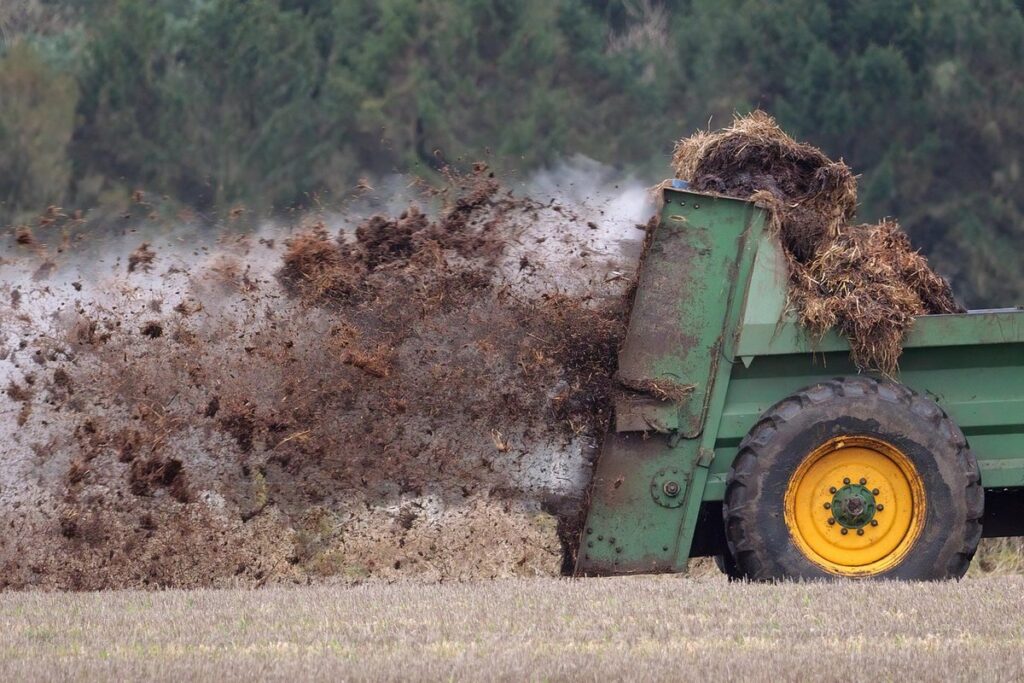
Understanding the Process of Chicken Manure Pelletizing
Chicken manure pelletizing involves several key steps, from collection and processing to drying and compacting, which we’ll break down in detail here. Let’s take a closer look at this important process.
What is Chicken Manure Pelletizing?
Chicken manure pelletizing is the process of converting chicken droppings into compact, cylindrical pellets. This transformation has several key benefits, including improved handling and storage, reduced odors, and increased fertilizer value. The purpose of pelletizing chicken manure is to make it easier to manage and transport, as well as to create a more valuable product that can be used as an organic fertilizer.
The process begins with the collection of raw chicken droppings from farms or processing facilities. These materials are then mixed with water and other additives to create a uniform mixture. This blend is then pressed through a die to form the desired pellet shape, which can range in size from 1-10 mm in diameter. The resulting pellets are compact, dry, and free of odors, making them ideal for use as a fertilizer.
By converting chicken manure into pellets, farmers and producers can reduce waste management costs while creating a valuable resource that promotes sustainable agriculture practices. This process has been successfully implemented on farms worldwide, with notable examples including the United States, Canada, and parts of Europe.
Importance of Waste Management in Poultry Industry
Effective waste management is crucial in the poultry industry due to its significant environmental impact. The high volume of manure generated from chicken farms poses serious risks to water and soil quality if not handled properly. For instance, unmanaged manure can lead to ammonia emissions, contributing to air pollution and eutrophication in nearby bodies of water.
Chicken manure pelletizing offers a comprehensive solution to this problem by converting the waste into a valuable resource. The process transforms wet and smelly manure into dry, compact pellets that are easier to store, transport, and utilize as fertilizer or energy source. This transformation not only reduces odor and leachate issues but also minimizes the risk of water pollution.
By implementing chicken manure pelletizing, poultry farmers can significantly reduce their environmental footprint while creating a new revenue stream through the sale of pellets. Additionally, the pellets can be used as a slow-release fertilizer, reducing the need for synthetic fertilizers and promoting sustainable agriculture practices.
Environmental Benefits of Using Pelleted Chicken Manure
Pelletizing chicken manure has a significant impact on the environment, and one of its most notable benefits is the reduction in greenhouse gas emissions through efficient composting. This leads to cleaner air for our planet’s future generations.
Reduced Odor Emissions
When it comes to managing chicken manure, one of the biggest environmental concerns is odor emissions. The smell of ammonia and other volatile compounds can be overwhelming, not only for farm workers but also for nearby communities. However, pelleting chicken manure significantly reduces these unpleasant odors.
By compressing the manure into dense pellets, the volatile compounds are released during the process, resulting in a substantial decrease in odor emissions. This makes it an attractive solution for farmers and environmentalists alike. According to a study by the University of California, pelleting reduced ammonia emissions from chicken manure by up to 90%.
In addition to this reduction, pelleted manure also dries out quickly, making it less susceptible to mold and bacteria growth, which can further contribute to odor issues. As you consider implementing chicken manure pelletizing on your farm, keep in mind the importance of proper equipment maintenance to ensure maximum efficiency in reducing odor emissions. Regular cleaning and replacement of parts will help maintain optimal performance and minimize any potential odors.
Nutrient-Rich Fertilizer Production
Pelleted chicken manure is not only an eco-friendly alternative to traditional fertilizers but also a nutrient-rich resource that can significantly benefit agriculture. When converted into pellets, the nitrogen, phosphorus, and potassium content of chicken manure becomes highly concentrated, making it easier to apply and reducing waste.
These nutrient-dense pellets are ideal for use as a fertilizer in various farming practices. By substituting synthetic fertilizers with pelleted chicken manure, farmers can reduce their reliance on chemical-based products that can harm the environment and contaminate soil and water sources. Additionally, the natural micronutrients present in the pellets promote healthy microbial activity, contributing to improved soil fertility.
When using pelleted chicken manure as a fertilizer, it’s essential to follow proper application rates to avoid over-fertilization. A general guideline is to apply 1-2 pounds of pellets per 100 square feet, depending on the specific crop requirements and soil type. It’s also crucial to mix the pellets with other organic matter to maintain optimal nutrient levels and prevent nutrient deficiencies in plants.
Market and Commercial Aspects of Chicken Manure Pelletizing
Let’s take a closer look at how chicken manure pelletizing is impacting commercial industries, from reduced waste to increased revenue opportunities. We’ll explore these market and commercial aspects in more detail below.
Current Market Size and Growth Potential
The current market size for chicken manure pelletizing is steadily growing due to increasing demand from agricultural and horticultural industries. According to a recent report, the global chicken manure pellet market is projected to reach $1.3 billion by 2025, expanding at a CAGR of 6%. This growth can be attributed to the rising awareness about sustainable waste management practices among farmers and producers.
The use of chicken manure pellets as organic fertilizer has become increasingly popular, driven by environmental concerns and the need for eco-friendly alternatives to synthetic fertilizers. Governments in various countries are also promoting the adoption of pelletized manure through subsidies and incentives. For instance, the European Union’s Common Agricultural Policy includes initiatives to encourage sustainable agriculture practices.
As a result, entrepreneurs and investors are taking notice of this emerging market, with many establishing new production facilities and partnerships with poultry farms to source raw materials. If you’re considering entering this industry, now is an ideal time to tap into the growing demand for chicken manure pellets.
Business Models and Revenue Streams
When it comes to chicken manure pelletizing, understanding different business models and revenue streams is crucial for its success. One potential approach is to sell pellets directly to farmers, who can then use them as a sustainable fertilizer alternative. This not only reduces their environmental footprint but also provides a consistent supply of nutrients for their crops.
Another revenue stream comes from selling pellets to fertilizer manufacturers, who can blend them with other materials to create a range of products. This model is particularly beneficial in areas where there’s high demand for organic or specialty fertilizers.
For those looking to establish themselves as pellet suppliers, it’s essential to research local market demands and develop relationships with key customers. This might involve attending industry events, offering free trials or samples, and providing technical support to help farmers integrate pellets into their operations. By understanding the specific needs of your target audience, you can tailor your products and services to meet those needs, ultimately driving business growth and revenue.
Technical Requirements and Equipment Needed
To successfully implement chicken manure pelletizing, you’ll need to consider several technical requirements and equipment necessities that we’ll cover next. Let’s dive into the specifics of what you’ll need.
Pelletizing Process Overview
The pelletizing process is a crucial step in transforming chicken manure into a valuable resource. At its core, pelleting involves compressing and shaping the manure into uniform pellets that can be easily stored, transported, and utilized as fertilizer or animal feed.
To initiate the pelleting process, chicken manure must first be collected from farms or processing facilities. The manure is then mixed with water to create a uniform consistency, after which it’s fed into a hammer mill for grinding. This breaks down the manure into smaller particles, increasing its surface area and facilitating further processing.
Next, the ground manure is mixed with other additives, such as urea or lime, to enhance its nutritional value and improve storage stability. The mixture is then introduced into a pelleting press, where it’s compressed under high pressure and heat to form uniform pellets.
Proper equipment selection and operational considerations are essential for efficient pelletizing. A suitable pellet mill must be chosen based on the manure’s moisture content, particle size, and desired pellet density. Regular maintenance of the equipment, including daily cleaning and lubrication, is also critical to prevent downtime and ensure optimal performance.
Scale-Up Considerations for Industrial Applications
When scaling up the pelletizing process for industrial applications, several considerations come into play to ensure efficient and cost-effective large-scale production. First and foremost, it’s essential to assess the existing equipment’s capacity and whether it can handle increased volumes of chicken manure.
In many cases, upgrading or replacing machinery is necessary to accommodate larger batch sizes and faster processing times. For example, a 2-ton per hour pelletizer may not be sufficient for a large-scale operation, and a 5-ton or even 10-ton unit might be required.
Another critical factor is energy consumption, as industrial applications often demand higher throughputs. This can lead to increased operating costs, so it’s crucial to select equipment that minimizes energy expenditure while maintaining production levels. Additionally, considerations for labor efficiency, storage capacity, and transportation infrastructure must also be taken into account to ensure a smooth operation.
When choosing the right equipment, manufacturers should look for units with modular designs, allowing for easier maintenance and upgrading as needed. Furthermore, investing in automation and control systems can significantly enhance productivity while reducing waste and improving product quality.
Implementing Chicken Manure Pelletizing in Your Operation
Now that you’re convinced of the benefits, it’s time to put chicken manure pelletizing into action by integrating it seamlessly into your farm’s operations. This involves some strategic planning and consideration for equipment needs.
Planning and Preparation
When planning to implement chicken manure pelletizing in your operation, it’s essential to take a structured approach. Start by assessing your current waste management practices and identifying areas for improvement. This will help you determine the feasibility of implementing manure pelletizing and estimate the potential cost savings.
Determine the type and quantity of equipment needed, including a pelletizer machine, conveyor belts, and storage facilities. Research reputable suppliers to ensure you acquire high-quality equipment that meets your specific needs. Consider factors such as energy consumption, maintenance requirements, and scalability when making your selections.
Next, establish clear guidelines for manure collection and processing, including procedures for handling biohazardous materials. Develop a plan for monitoring and maintaining the pelletizing process to ensure optimal performance and minimize downtime. This may involve regular checks on temperature, pressure, and moisture levels within the machine.
By following this step-by-step guide, you’ll be well-prepared to implement chicken manure pelletizing in your operation, reducing waste disposal costs while also creating a valuable byproduct for fertilizer production or energy generation.
Troubleshooting Common Issues
Implementing chicken manure pelletizing can be a complex process, and issues may arise. One common issue is equipment malfunction, which can lead to downtime and decreased productivity. To resolve this, ensure that your equipment is properly maintained and regularly serviced.
Another issue is inconsistent quality of pellets, which can affect their use as fertilizer or animal feed. This can be due to incorrect moisture levels or inadequate processing time. To avoid this, it’s essential to monitor the moisture content of the manure and adjust the processing parameters accordingly.
Inadequate storage facilities can also lead to issues with pelletizing. If the pellets are not stored properly, they may become damaged or contaminated, affecting their quality and use. Ensure that your storage facilities are dry, well-ventilated, and protected from pests and moisture.
Additionally, it’s crucial to have a skilled workforce familiar with the equipment and process to avoid mechanical issues and ensure efficient operation. By being proactive in identifying potential problems and taking corrective measures, you can minimize downtime and maximize the benefits of chicken manure pelletizing.
Regulatory Frameworks and Compliance
When it comes to setting up a chicken manure pelletizing operation, understanding the regulatory requirements is crucial. This section will walk you through the key regulations and compliance issues to consider.
Laws and Regulations Governing Waste Management
When it comes to chicken manure pelletizing, understanding the laws and regulations governing waste management is crucial for a poultry operation’s success. In many countries, there are specific regulations regarding waste disposal, including agricultural waste like chicken manure.
In the United States, for instance, the Clean Water Act (CWA) sets standards for wastewater discharge from farms, including those related to nutrient pollution from manure. The CWA requires farmers to implement best management practices (BMPs) to minimize runoff and prevent water pollution. Similarly, the Resource Conservation Recovery Act (RCRA) regulates hazardous waste disposal, including organic wastes like chicken manure.
In Europe, the EU’s Water Framework Directive (WFD) aims to protect and preserve water bodies by reducing pollutant loads from agricultural activities, including poultry farming. This includes implementing proper storage and treatment of manure before disposal or reuse.
To comply with these regulations, poultry operations can take steps such as:
* Conducting regular environmental assessments to identify potential pollution risks
* Implementing efficient manure management systems that minimize waste production and maximize nutrient recovery
* Working closely with regulatory agencies and industry experts to ensure compliance with changing laws and regulations
By being aware of these regulations and taking proactive measures, poultry operations can not only reduce their environmental footprint but also contribute to a more sustainable future for the industry.
Permitting and Licensing Requirements
Before you can start implementing chicken manure pelletizing on your farm, it’s essential to understand the permitting and licensing requirements for your specific region or country. These regulations vary widely depending on where you’re located, so it’s crucial to do your research beforehand.
In the United States, for example, the Environmental Protection Agency (EPA) regulates the storage and disposal of animal manure, including chicken waste. You may need to obtain permits from your state or local government before starting a pelletizing operation. These permits typically require you to demonstrate that your facility will comply with EPA regulations.
To navigate this process, start by contacting your local regulatory agency to determine what permits are required for your specific situation. Be prepared to provide detailed information about your operation, including the amount of manure you plan to process and how it will be stored and disposed of. With some research and planning, you can ensure that your chicken manure pelletizing operation is compliant with all relevant regulations.
Frequently Asked Questions
How can I determine the feasibility of chicken manure pelletizing for my poultry farm?
Before investing in a pelletizer, assess your current waste management costs, storage capacity, and market demand for nutrient-rich fertilizers. Consider factors like the size of your operation, types of feed used, and local regulations governing waste disposal. If you have a significant amount of loose chicken manure and access to markets for pelletized fertilizer, it’s likely worth exploring.
What are some common challenges I might face when implementing chicken manure pelletizing in my operation?
When introducing a new process like pelletizing, be prepared for potential issues with equipment maintenance, energy consumption, and managing the transformation of loose droppings into pellets. Ensure you have adequate technical support and consider factors like moisture content, temperature, and particle size to optimize the process.
Can I use existing waste management infrastructure or do I need specialized equipment?
While some modifications may be necessary, many poultry farms can adapt their existing infrastructure for pelletizing with minimal upgrades. However, investing in a dedicated pelletizer will provide better efficiency and productivity. Consider renting or leasing equipment initially to test the viability of pelletizing before committing to purchase.
How do I ensure compliance with regulations governing waste management and fertilizer production?
Familiarize yourself with local laws and permits required for chicken manure pelletizing. Regularly update your knowledge on regulatory frameworks, such as those related to nutrient management, water quality, or environmental impact. Engage with industry associations or consult with experts to stay informed about compliance requirements.
What are some best practices for maintaining the effectiveness of my chicken manure pelletizer?
Regular maintenance is crucial to ensure optimal performance and extend the life of your equipment. This includes cleaning filters, checking electrical connections, and adjusting settings based on changing feedstock compositions or moisture levels. Also, consider implementing a quality control program to monitor product consistency and detect potential issues early.
Can I sell my pelletized chicken manure directly to consumers or do I need to work through middlemen?
While direct sales can be profitable, they often require significant marketing and logistical efforts. Consider partnering with distributors or retailers who can help reach a broader customer base, particularly for larger-scale operations. This approach can simplify sales processes while still allowing you to capitalize on the growing demand for eco-friendly fertilizers.