
Are you tired of your backyard chickens pecking at boring old grass? Do you want to give them a garden that’s both fun and safe for them to explore? Creating a chicken-friendly garden is easier than you think, and it’s a great way to provide your feathered friends with a nutritious and engaging space to roam. But before you start planting, it’s essential to choose non-toxic plants that won’t harm your chickens if they decide to snack on them. In this article, we’ll share expert tips on creating the perfect garden for your backyard hens, including how to understand their nutrition needs, maintain a thriving ecosystem, and even provide supplements to keep them happy and healthy. Whether you’re a seasoned chicken owner or just starting out, read on to learn how to create a harmonious coexistence between your chickens and their garden paradise.
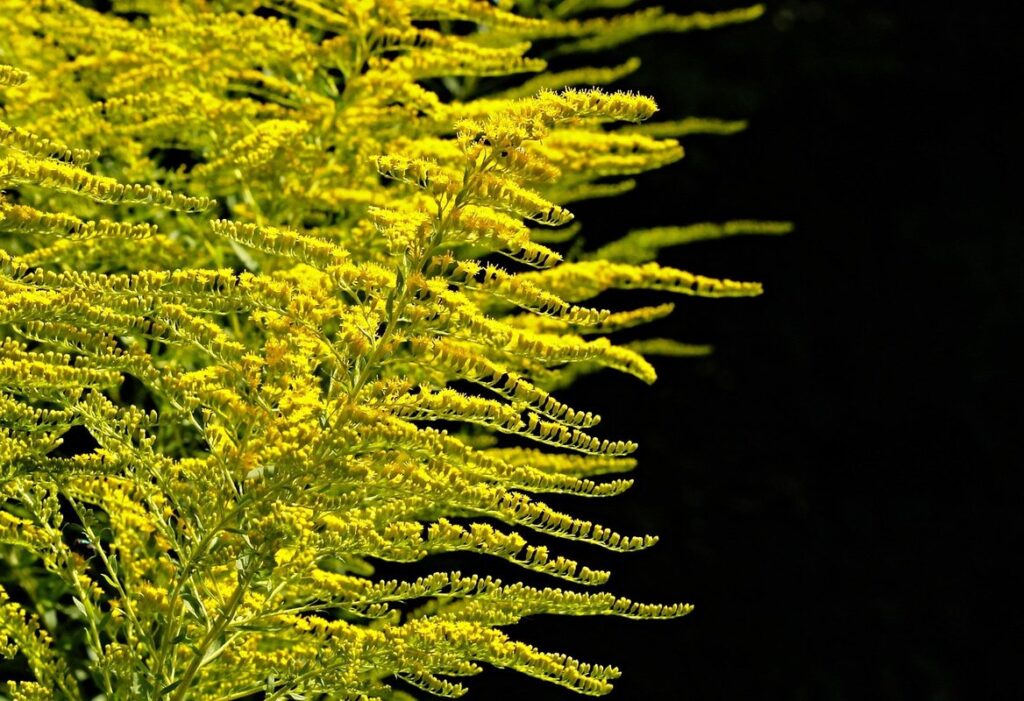
Introduction to Chicken-Friendly Plants
When it comes to creating a chicken-friendly garden, choosing the right plants is crucial for your feathered friends’ safety and enjoyment. In this section, we’ll explore some fantastic options that are safe for chickens to graze on.
Benefits of Planting Chickens
Having chickens in your backyard can be an incredibly rewarding experience. Not only do they provide you with fresh eggs right at home, but they also bring endless entertainment to your daily routine. Imagine waking up each morning to the sound of clucking and scratching, or spending a lazy afternoon watching your feathered friends roam around the yard.
But that’s not all – having chickens can also be a great way to teach children about responsibility and where their food comes from. Many families have found that keeping chickens has brought them closer together as they work together to care for these lovable birds. And let’s not forget the exercise and fresh air you’ll get from collecting eggs and tending to your flock!
Whether you’re a seasoned gardener or just starting out, having chickens in your backyard can be a great way to connect with nature and enjoy the simple things in life.
Choosing the Right Space for Your Flock
When it comes to creating a chicken-friendly garden, choosing the right space for your flock is crucial. A safe and suitable environment will not only ensure their well-being but also encourage them to roam freely and enjoy their surroundings.
First and foremost, consider the size of your flock when selecting a space. A general rule of thumb is to provide at least 2-4 square feet per chicken inside the coop and 8-10 square feet in the run area. This will give them ample room to move around, stretch their wings, and engage in natural behaviors like foraging and dust bathing.
In addition to sufficient space, ensure that your flock has adequate shelter from harsh weather conditions, such as rain, wind, and extreme temperatures. A well-designed coop with ventilation, insulation, and a secure door will protect them from predators and provide a comfortable place to rest.
Consider incorporating natural barriers like dense shrubs or tall fencing around the perimeter of your garden to deter predators like foxes, coyotes, and hawks. This will give you peace of mind knowing that your flock is safe while they explore their surroundings.
Understanding Chicken Nutrition and Health
To keep your flock thriving, it’s essential to understand the basics of chicken nutrition and health, including their dietary needs and common health issues. Let’s take a closer look at what your chickens require.
Essential Nutrients for Chickens
When it comes to keeping chickens happy and healthy, providing them with essential nutrients is crucial. These feathered friends require a balanced diet that includes proteins, vitamins, and minerals to thrive.
A good quality layer feed should be the main staple of their diet, but supplementing this with fresh fruits and vegetables can provide essential vitamins and minerals. Leafy greens like kale and spinach are rich in calcium, which is vital for strong eggshell production and overall bone health. Fresh herbs like parsley and dill add a burst of vitamin A and C to their diet.
Chickens also require protein-rich foods like mealworms or crickets, which provide essential amino acids. In the garden, planting nutrient-dense crops like alfalfa and clover can be a great way to supplement your flock’s diet. Make sure to introduce new foods gradually to prevent digestive upset and always provide fresh water.
It’s also worth noting that chickens have different nutritional needs at various stages of their lives. For example, young chicks require more protein than adult hens, so it’s essential to adjust their diet accordingly.
Common Health Issues in Backyard Flocks
When it comes to raising backyard chickens, maintaining their health is just as important as providing them with chicken-friendly plants. Unfortunately, many flock owners face common health issues that can be detrimental to their birds’ well-being.
One of the most prevalent problems is ectoparasites like mites and lice. These tiny critters feed on your chickens’ blood, causing stress, discomfort, and even anemia. To prevent infestations, keep your coop clean and free from debris, and dust your flock regularly with a safe, diatomaceous earth-based powder.
Respiratory problems are another major concern. Poor ventilation in the coop or exposure to dust can lead to conditions like chronic bronchitis or pneumonia. Ensure good airflow by installing windows, vents, or fans, and provide plenty of fresh water and hay for your birds to breathe through.
Regular monitoring, proper hygiene, and prevention strategies can help minimize the risk of these common health issues in your backyard flock. By taking proactive steps, you can create a safe and healthy environment for your chickens to thrive, even with the addition of chicken-friendly plants in your garden.
Supplementing Your Chicken’s Diet with Plants
When it comes to supplementing your chicken’s diet with plants, there are several options that can provide essential nutrients and support overall health. Leafy greens like kale, spinach, and collard greens are rich in vitamins A, C, and K, as well as minerals like calcium and iron. Adding these plants to your chickens’ daily diet can help boost their immune system and promote healthy feathers.
Other beneficial plants include sunflowers, which provide a good source of protein and healthy fats, and dandelion greens, which are high in vitamins A, C, and K. You can also try adding fresh herbs like mint, basil, and parsley to your chickens’ diet for an extra boost of flavor and nutrition.
When introducing new plants into your chickens’ diet, be sure to do it gradually to avoid digestive upset. Start by offering a small amount (about 10% of their daily intake) and gradually increase the proportion over time. Also, make sure to provide plenty of fresh water and a balanced commercial feed as the main staple of their diet.
As an added benefit, many of these plants are also safe for your chickens to free-range on, providing them with mental stimulation and exercise while they forage for food. Just be sure to ensure that your garden is free from pesticides and other chemicals that can harm your birds.
Plant Selection for a Safe and Healthy Flock
When choosing plants for your backyard, selecting varieties that are safe and healthy for your flock is crucial to prevent any harm. Let’s explore some top picks for chicken-friendly plants.
Toxic and Non-Toxic Plants for Chickens
When it comes to creating a safe and healthy garden for your flock, it’s essential to understand which plants are toxic to chickens and which ones they can enjoy. Unfortunately, many popular garden plants fall into the latter category.
Some common toxic plants that should be avoided include Lily of the Valley, Castor Bean, and Rhododendron. These plants contain toxic compounds like saponins and glycosides that can cause vomiting, diarrhea, and even death if ingested in large quantities. On the other hand, chickens love munching on plants like clover, alfalfa, and dandelion greens. These plants are rich in protein, fiber, and vitamins and can be a nutritious addition to your flock’s diet.
To keep your flock safe, make sure to label any toxic plants clearly and keep them out of reach. You can also create a designated “chicken garden” with non-toxic plants that they can enjoy. Some other safe options include comfrey, plantain, and sunflowers. Remember to introduce new plants gradually to prevent digestive upset, and always provide plenty of fresh water to ensure your flock stays healthy and happy.
Edible Plants for Your Flock
Chickens love exploring their surroundings and foraging for tasty treats, which is why introducing edible plants to your garden can be a great idea. When it comes to choosing the right plants for your flock, consider including a variety of fruits, vegetables, and herbs that are not only safe but also nutritious.
Some excellent options include leafy greens like kale, spinach, and lettuce, as well as juicy fruits such as strawberries, blueberries, and raspberries. You can also plant carrots, peas, and cucumbers, which are all easy to grow and provide a great source of fiber and vitamins for your chickens. For herbs, basil, mint, and parsley are popular choices that can add flavor to their feed while providing health benefits.
When introducing new plants, make sure to do so gradually to prevent digestive upset. Start by planting a few easy-to-digest options like clover or dandelion greens, and observe how your flock reacts before adding more varieties. This will also give you an opportunity to see what types of plants they enjoy most. Remember to plant plenty for all seasons, as this will keep them engaged throughout the year.
Planting Considerations for a Chicken-Friendly Garden
When planting chicken-friendly plants, it’s essential to consider their specific needs and placement in the garden. Start by preparing the soil with a mix of compost and well-rotted manure to create a nutrient-rich environment that will support healthy plant growth.
As you plant, consider the mature size of each plant and leave enough space for your chickens to comfortably move around them. For example, if you’re planting sunflowers or tall herbs like lavender, make sure to give them at least 3-4 feet of clearance to prevent overcrowding.
When placing plants near chicken runs or areas where your flock frequents, choose varieties that are less attractive to pests and diseases. For instance, plant marigolds or nasturtiums around the perimeter of your garden to repel nematodes and other pests that might harm your chickens’ health.
Remember to also consider the sunlight and watering needs of each plant when planning your layout. By taking these simple steps, you can create a harmonious and thriving ecosystem in your garden that benefits both your plants and your feathered friends.
Growing and Maintaining a Chicken-Friendly Garden
Now that you’ve chosen your favorite chicken-friendly plants, it’s time to create a garden oasis that will thrive under their care. Let’s explore how to grow and maintain a vibrant, healthy garden for your feathered friends.
Soil Quality and Preparation
When it comes to creating a chicken-friendly garden, one of the most crucial aspects is soil quality and preparation. A well-drained, fertile soil will not only provide a healthy environment for your plants but also contribute significantly to your chickens’ health and happiness.
Chickens love to scratch and dig, which can be both beneficial and detrimental to your garden’s soil quality. Beneficial because it brings oxygen and nutrients to the roots of the plants, but detrimental because it can compact the soil, prevent drainage, and even spread disease. To combat this, ensure that your soil has adequate drainage by adding organic matter such as compost or well-rotted manure. This will also improve its fertility, making it easier for plants to grow.
It’s essential to test your soil pH levels and adjust them accordingly. Most vegetables prefer a slightly acidic to neutral soil pH between 6.0 and 7.0, which is ideal for chicken-friendly plants.
Companion Planting Strategies for Chickens
Companion planting is an age-old technique that allows you to create a harmonious and balanced ecosystem in your garden, benefiting both plants and animals. When it comes to raising chickens, companion planting can be especially valuable as it provides them with a diverse range of nutrients and keeps pests away from your flock.
To start creating a chicken-friendly companion planting system, begin by choosing plants that complement your laying hens‘ natural diet. For example, plant a mix of herbs like oregano, thyme, and parsley near their coop to provide them with fresh flavor and fiber. These fragrant herbs also repel unwanted insects and rodents.
Another benefit of companion planting is its ability to reduce the need for chemical pesticides. By attracting beneficial insects and using natural pest control methods, you can create a healthier environment for your flock and minimize the risk of pesticide exposure.
Here are some more plants that pair well with chickens:
* Nasturtiums: Repel aphids and whiteflies
* Dill: Attracts beneficial wasps and repels aphids
* Marigolds: Keep nematodes at bay
By incorporating these companion planting strategies into your garden, you’ll not only create a thriving ecosystem but also provide your chickens with the nutrients they need to stay healthy and happy.
Managing Weeds and Pests in Your Chicken-Friendly Garden
When it comes to managing weeds and pests in your chicken-friendly garden, it’s essential to strike a balance between keeping your flock safe and maintaining a healthy ecosystem. Weeds can outcompete desired plants for water and nutrients, while pests like slugs, snails, and rodents can damage crops and potentially spread disease.
One effective method for controlling weeds is through mulching. Apply a 2-3 inch layer of organic mulch around your plants to suppress weed growth. You can also use a combination of physical barriers, such as cardboard or landscape fabric, and natural herbicides like vinegar to prevent weeds from taking over. To manage pests, try introducing beneficial insects like ladybugs or lacewings that prey on common garden pests.
For example, if you’re dealing with slugs and snails, try placing shallow containers filled with beer near affected areas – the slugs will be attracted to the fermented smell and drown in the liquid. By implementing these strategies, you can maintain a balanced and healthy ecosystem in your chicken-friendly garden without putting your flock at risk.
Integrating Your Flock into the Garden
Now that you’ve chosen some delicious and safe plants for your flock, let’s talk about how to introduce them to your garden without any hiccups. We’ll cover essential tips for a harmonious blend of chickens and flora.
Creating a Harmonious Coexistence between Chickens and Plants
Creating a harmonious coexistence between chickens, plants, and wildlife is essential for a thriving garden ecosystem. To achieve this balance, it’s crucial to consider the needs of each component. Chickens require space to roam, forage, and exercise, while plants need protection from over-grazing and pests.
To prevent damage to your plants, designate specific areas as “chicken zones” where they can freely roam without worrying about destroying valuable crops. This will also encourage your chickens to establish a routine, allowing you to manage their foraging habits more effectively. You can achieve this by installing fencing or netting around sensitive plants and allocating certain areas of the garden specifically for chicken grazing.
Wildlife, such as birds and beneficial insects, should not be neglected either. Incorporate native flowers, shrubs, and trees that provide food and shelter for local wildlife, helping to maintain a balanced ecosystem within your garden. By carefully planning and managing this interconnected system, you can create a harmonious coexistence between all components, leading to a more resilient and thriving garden environment.
Some key plants to include in your chicken-friendly garden are those that repel pests or attract beneficial insects, such as marigolds, basil, and lavender. These plants not only benefit from the chickens’ natural pest control but also contribute to maintaining balance within the ecosystem.
Planting for Diversified Ecosystems
When planting for diversified ecosystems, you’re not just creating a beautiful and thriving garden – you’re also supporting a delicate balance of nature. By incorporating a variety of plants that cater to different needs and attract various wildlife, you’ll be fostering biodiversity and ecosystem services.
Biodiversity is crucial in maintaining the health and resilience of your garden. It ensures that no single species dominates, reducing the risk of pests and diseases. A diversified ecosystem also supports beneficial insects like bees and butterflies, which are essential pollinators for many plants.
Incorporating native plants, herbs, and flowers that bloom at different times will attract a range of wildlife to your garden. This can include birds, hummingbirds, and even beneficial insects that prey on pests. By creating a haven for local wildlife, you’ll be supporting the food chain and maintaining ecosystem balance.
To start diversifying your garden, consider planting a mix of native wildflowers, shrubs, and trees that provide shelter, food, and water sources for various species.
Conclusion and Next Steps
Now that you’ve added some feathered friends to your garden, let’s wrap up what you’ve learned and explore next steps for a harmonious coexistence.
Recap of Key Takeaways
As you’ve learned throughout this guide, incorporating chicken-friendly plants into your garden can be a wonderful way to create a harmonious outdoor space that benefits both you and your feathered friends. Let’s recap the essential points from our discussion.
When it comes to choosing the right plants for your flock, some popular options include nasturtiums, sunflowers, and dill. These varieties not only provide a source of food but also offer shelter and shade for your chickens to enjoy. When selecting plants, remember to consider factors like growth habits, mature sizes, and potential allergy concerns.
For a safe and enjoyable garden experience, be sure to maintain a clean environment by regularly removing weeds and debris that might attract pests or harbor diseases. Also, make sure your chickens have access to fresh water and nutritious feed at all times. By implementing these simple tips and choosing the right plants for your flock, you’ll be well on your way to creating a thriving chicken-friendly garden that brings joy to both you and your animals.
Final Tips for a Thriving Chicken-Friendly Garden
As you’ve successfully incorporated chicken-friendly plants into your garden, it’s essential to remember that ongoing management is key to maintaining a thriving and safe environment for both your chickens and these plants. Regularly inspect the area around your plants for signs of overgrazing or damage from scratching posts, and trim back any overgrown branches to prevent access to delicate leaves.
Consider dividing your garden into sections with varying levels of protection, allowing you to tailor the types of plants that thrive in each zone. Keep in mind that certain pests, like slugs or snails, can target both chickens and plants, so be prepared to address these issues promptly.
Finally, don’t forget to enjoy the benefits of having a chicken-friendly garden! Observe your birds’ preferences and adapt your plant selection accordingly. Be creative with ways to incorporate edible greens into their diet, and relish in the knowledge that you’re providing them with a nutritious and diverse menu while also enjoying a beautiful and sustainable garden.
Frequently Asked Questions
Can I grow chicken-friendly plants indoors if I don’t have an outdoor garden?
Yes, you can definitely grow non-toxic plants indoors for your chickens to enjoy. Choose plants that thrive in low-light conditions and can be easily transported outdoors during warmer months. This is a great option for urban or small-space backyard chicken keepers.
How often should I replace or rotate the plants in my chicken garden?
It’s essential to regularly update your plant selection to ensure your flock gets a variety of nutrients and flavors. Replace plants every 6-12 weeks, depending on growth rates and your flock’s preferences. This will also help prevent pests and diseases from taking over.
Can I use the same garden for both chickens and other pets?
While some plants are safe for multiple pets, others can be toxic or cause allergic reactions in certain animals. Make sure to research and separate plants according to your pets’ needs and sensitivities. For example, if you have rabbits that also love plant-based snacks, keep them away from plants with high levels of oxalates.
How do I know which specific nutrients my chickens need most?
Start by analyzing the soil quality and testing for nutrient deficiencies. Consult with a veterinarian or experienced chicken breeder to determine the most critical supplements your flock requires based on their breed, age, and health status. Then, incorporate these specific plants into your garden accordingly.
Can I use companion planting to repel pests that target my chickens?
Yes, certain plants have natural pest-repellent properties. Use these to deter unwanted visitors like mites, ticks, or predators. For example, basil and mint can help keep away mosquitoes and flies that might bother your flock.